Oriental Shorthair
📺 32-second video · Cantonese narration
The Oriental Shorthair story, in one take
From its origins to Hong Kong homes — how did the Oriental Shorthair become one of Hong Kong's most popular cat breeds?
- ✓Origin story: starting in its homeland
- ✓Personality: Gentle and affectionate
PetChill Pet Encyclopedia
Oriental Shorthair everyday food & supplies
Chosen by species (cat) from products PetChill stocks — not a breed-specific formula. Actual suitability depends on age, weight and health.
 Special offer
Nutriplan Cat Food Complete Health Nutritional Formula 5kg (64352)
HK$123HK$128About HK$24.6 per kg
Price checked 2026-10-21; the store page shows the live price, stock and offers.

Bella & Molly's Dutch Berry Royal Selected Cat Food AAFCO Anti-Aging Grain-Free Single Protein Salmon Formula 50g (Limited Time Experience)
HK$10About HK$200 per kg
Price checked 2026-10-21; the store page shows the live price, stock and offers.

Hills Cat Food Life Stage Series Adult Formula Chicken 490g (609885)
HK$55About HK$112.24 per kg
Price checked 2026-10-21; the store page shows the live price, stock and offers.
History & origin
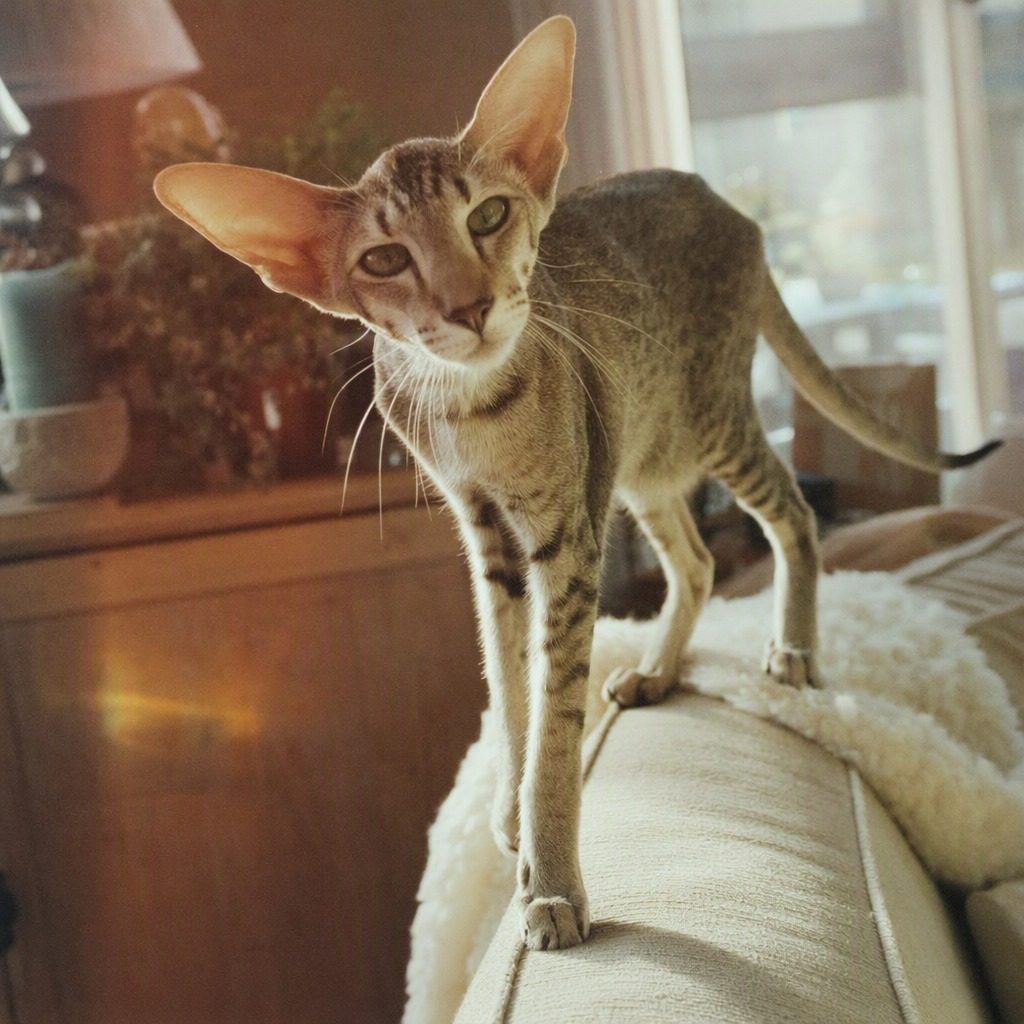
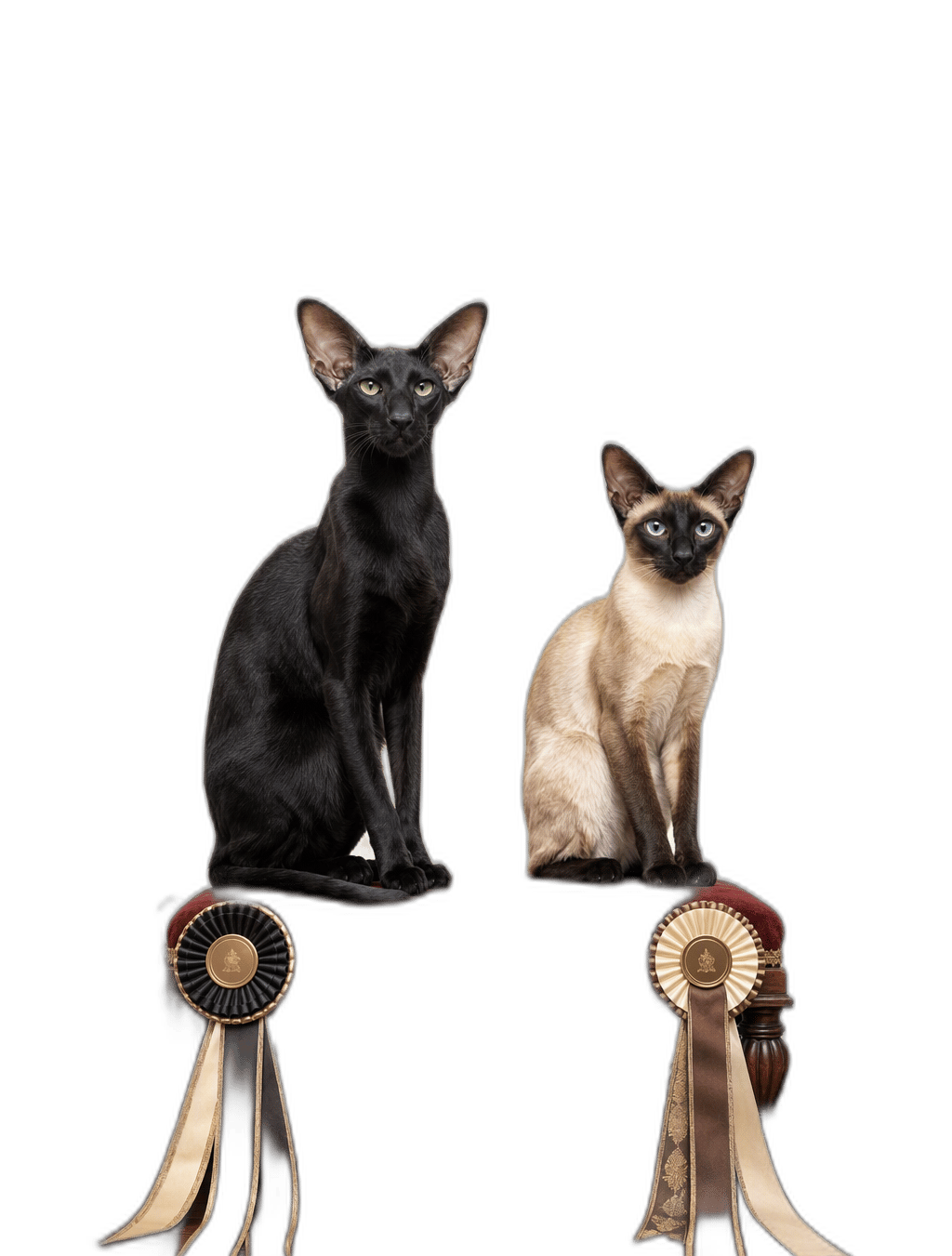
The Oriental Shorthair is a close relative of the Siamese and originated in Britain in the 1950s. Breeders at the time wanted to produce a Siamese in colours other than the traditional points, and crossed Siamese with other breeds; the result was a new breed with the Siamese's elegant build but more than 300 coat colours.
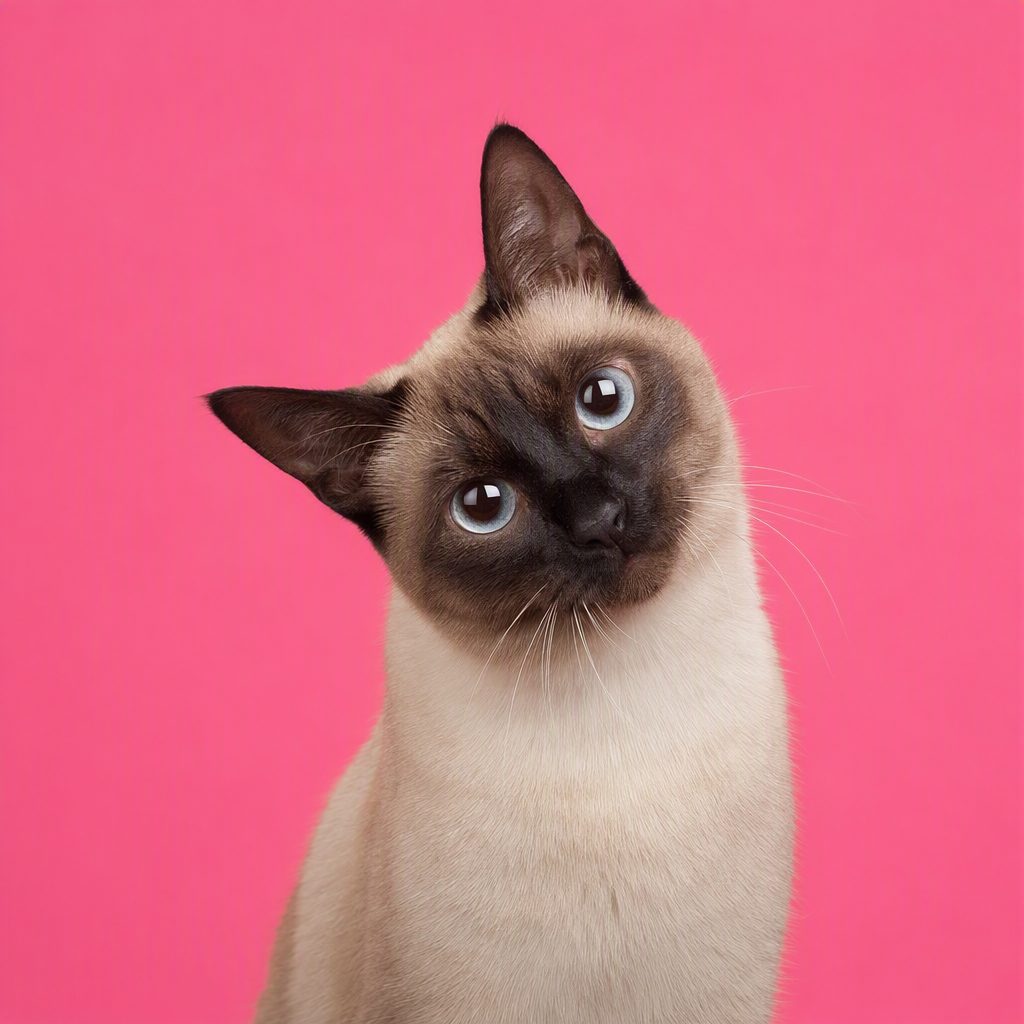
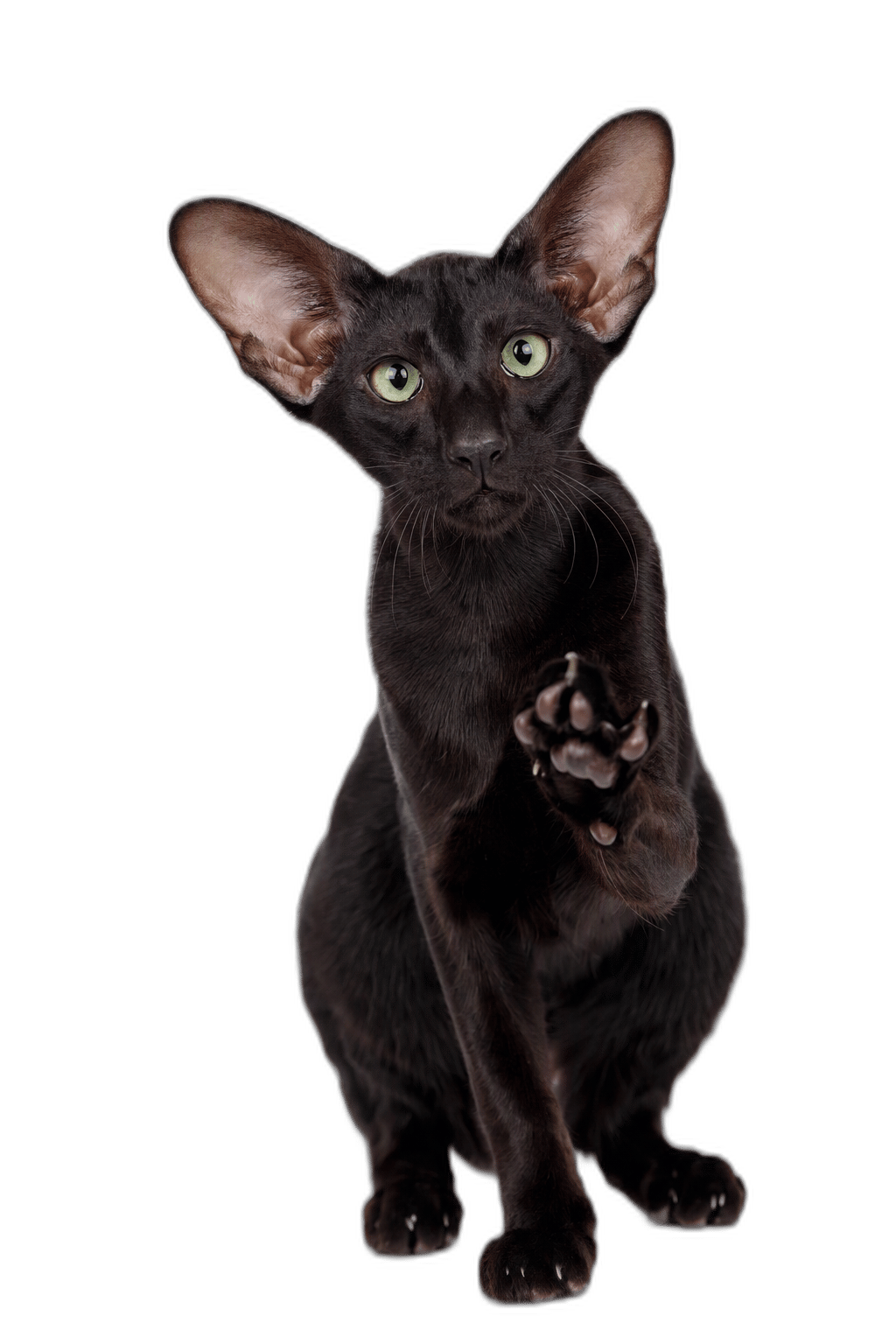
In the 1970s the Oriental Shorthair reached the United States and gained formal recognition. It kept the Siamese's wedge-shaped head, large ears and slender body, but the coat colours and patterns cover everything - solid, tabby, bicolour and calico - making it the most varied of all cat breeds in coat colour.
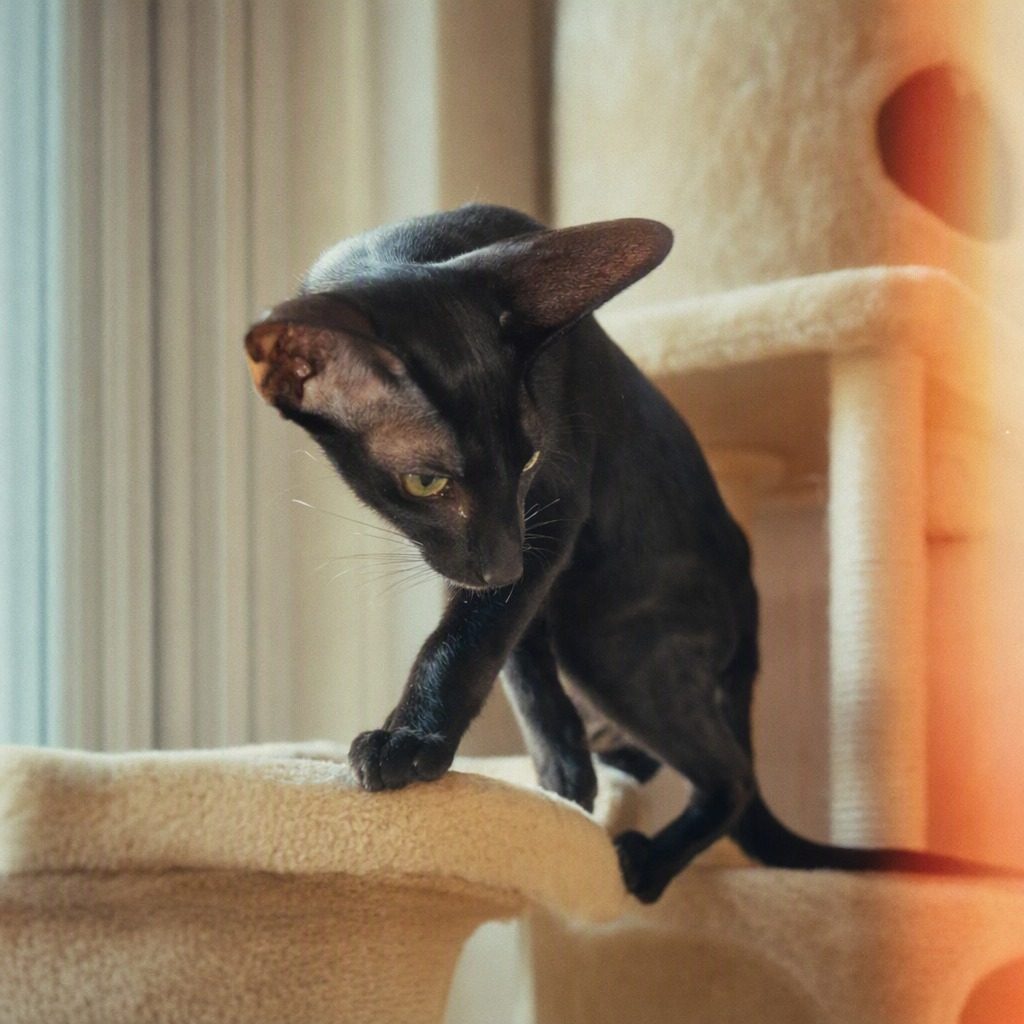
The Oriental Shorthair is as outgoing and talkative as the Siamese, and is a famously 'chatty cat' - it will 'converse' with you using all sorts of different sounds, and at considerable volume. It is extremely affectionate and needs a great deal of attention; left alone for long periods it becomes miserable and even depressed. So the Oriental Shorthair suits owners with time to spare who enjoy interacting with their cat. If you want a cat that is as clingy as a puppy and will 'talk' to you, the Oriental Shorthair is the perfect choice.
Frequently asked questions
The questions people ask most about the Oriental Shorthair
The Oriental Shorthair is a close relative of the Siamese, with a similar build and appearance (wedge-shaped head, large ears, slender body), but it comes in more than 300 coat colours and patterns, not only the Siamese's pointed colouring.
Famously talkative! An Oriental Shorthair will 'chat' to you with all sorts of sounds, and the volume can be considerable - it is one of the chattiest of all cat breeds.
Not advisable. Oriental Shorthairs are extremely affectionate and need a lot of attention; left alone for long stretches they become miserable and even depressed, so they suit owners with time to spend with them.
More than 300! Solid, tabby, bicolour and calico are all available, making it the most varied of all cat breeds in coat colour.
Go in with your eyes open. Oriental Shorthairs need a lot of attention and interaction; if the owner is too busy they will be unhappy, so they suit cat lovers with time to spare.
Oriental Shorthair articles
7 articles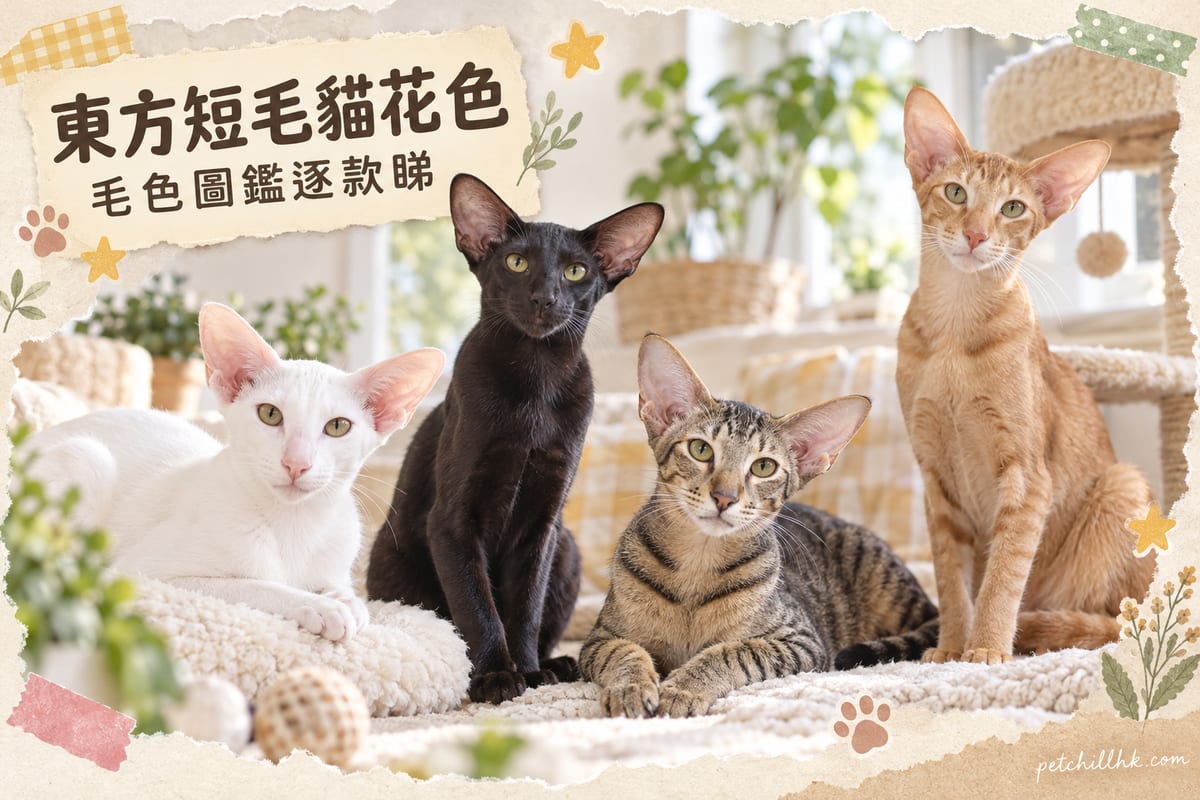
Oriental Shorthair Colour Guide | Hong Kong Picking Guide: How to Choose from 300 Colours
How many colours do Oriental Shorthairs come in? The answer is "almost all" — CFA recognises over 300 colour and pattern combinations, from pure white, solid black, blue and lilac to all kinds of tabby and pointed patterns. This article covers the seven colour groups, Hong Kong preferences and commonness, care differences by colour, and the must-know point about the deafness gene in white blue-eyed cats, helping you pick the right one among hundreds of colours.
Read the full article →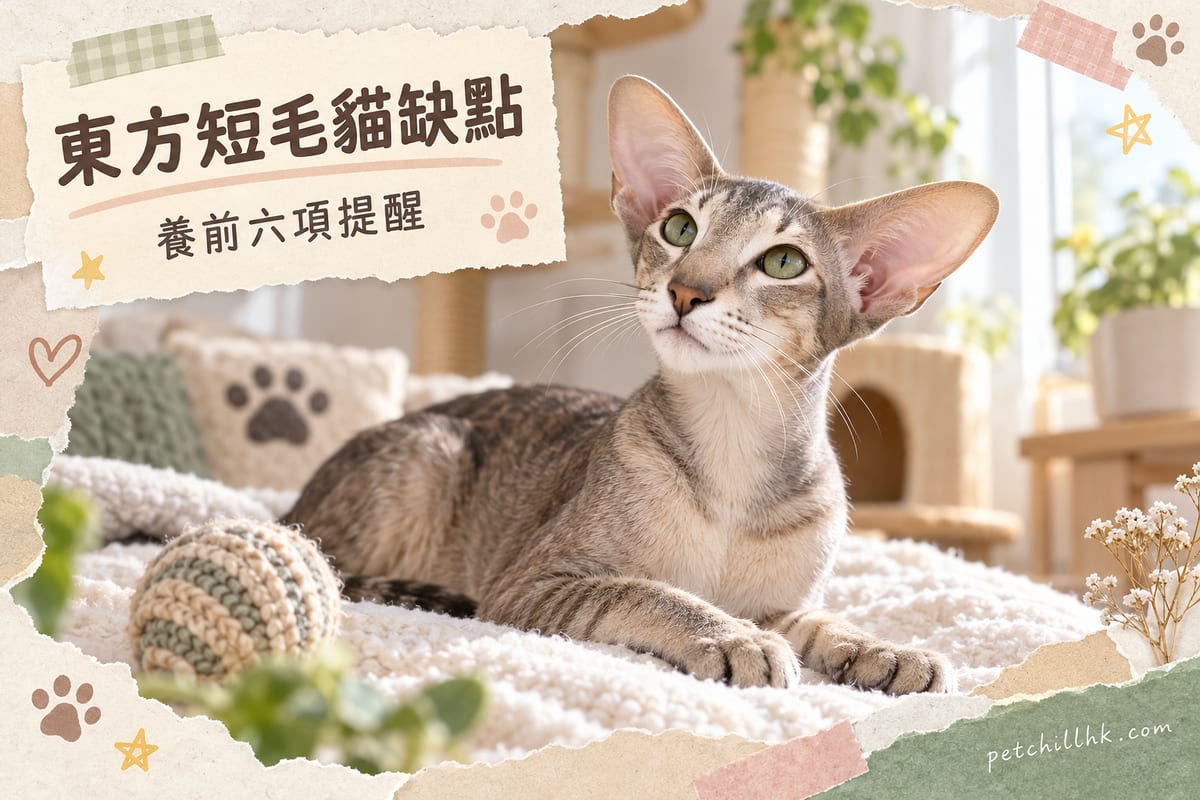
Oriental Shorthair Disadvantages: 7 Things to Know Before Getting One in Hong Kong
Is the Oriental Shorthair easy to live with? This article honestly lists seven disadvantages: extreme clinginess, loud vocalisation, destructive behaviour when bored, HCM genetic heart risk, dental problems, cold sensitivity, and the deafness gene in white cats — each with coping methods and cost direction. Not a deterrent, not filtered — if you still want one after reading this, that's the responsible start.
Read the full article →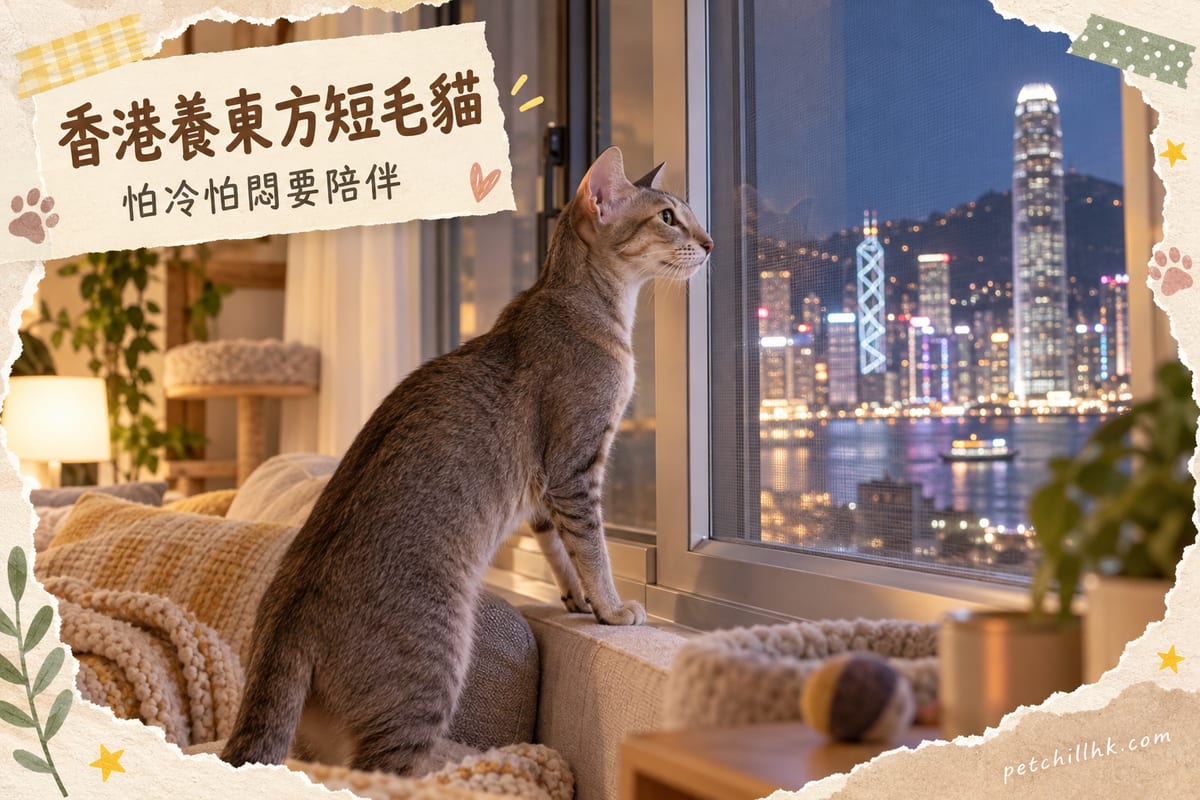
Oriental Shorthair in Hong Kong: A Care Guide for Small Flats, Humidity and Public Housing
Are Oriental Shorthairs suited to Hong Kong? Short-haired, indoor-only and no garden needed, they seem like the ideal city cat. But they feel the cold, need company, and are sensitive to humidity and mould, so before you adopt you need to sort out the building's deed of mutual covenant, escape-proof window screens and air-conditioning. This article lays out a home set-up table, seasonal management (the humid spring 'returning south' spell, summer air-conditioning, damp winter cold) and legal points, all tailored to Hong Kong living.
Read the full article →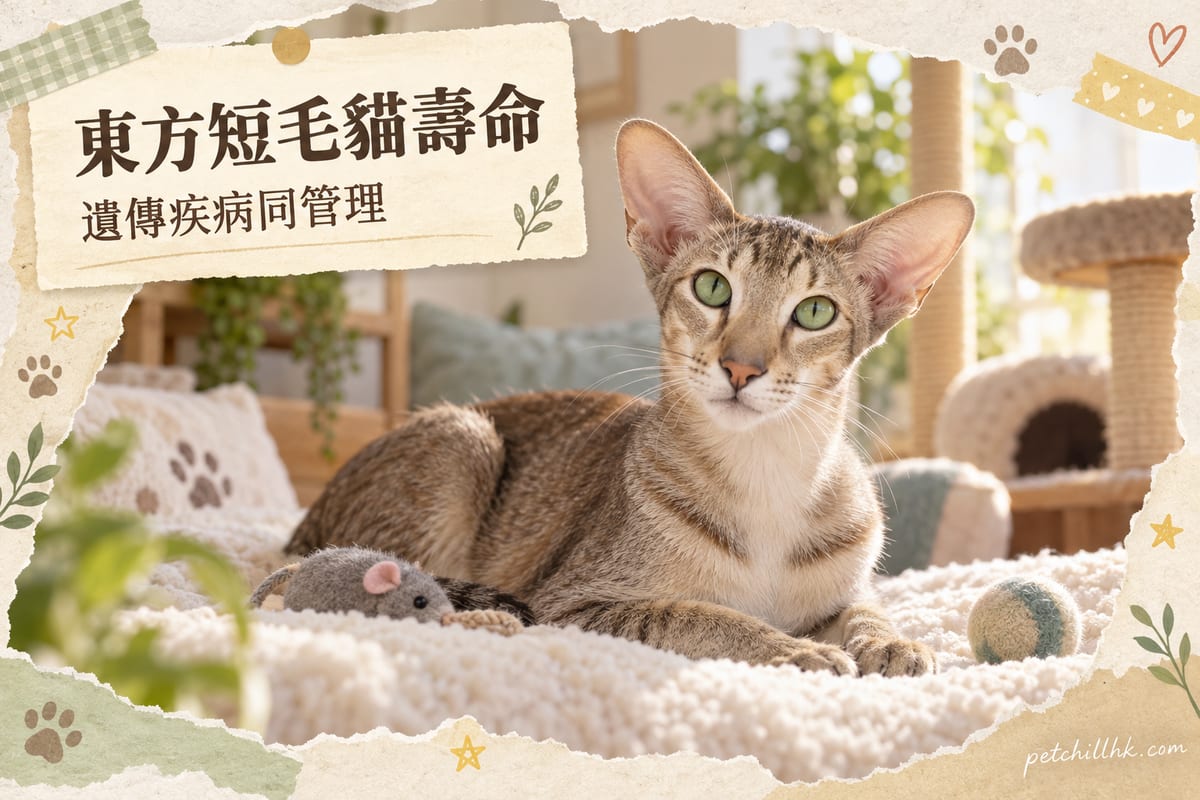
Oriental Shorthair Lifespan: Health Risks and Longevity Checklist for Hong Kong Owners
Oriental Shorthairs typically live 12–15 years, and with good care can exceed 17. As a Siamese-family breed they are generally long-lived and robust, but there are several breed-related health risks to know early: HCM, dental disease, airway sensitivity and the white-cat deafness gene. This article covers lifespan data, influencing factors, age-by-age checkup priorities and a 12-point longevity checklist to help you enjoy more years with this talkative cat.
Read the full article →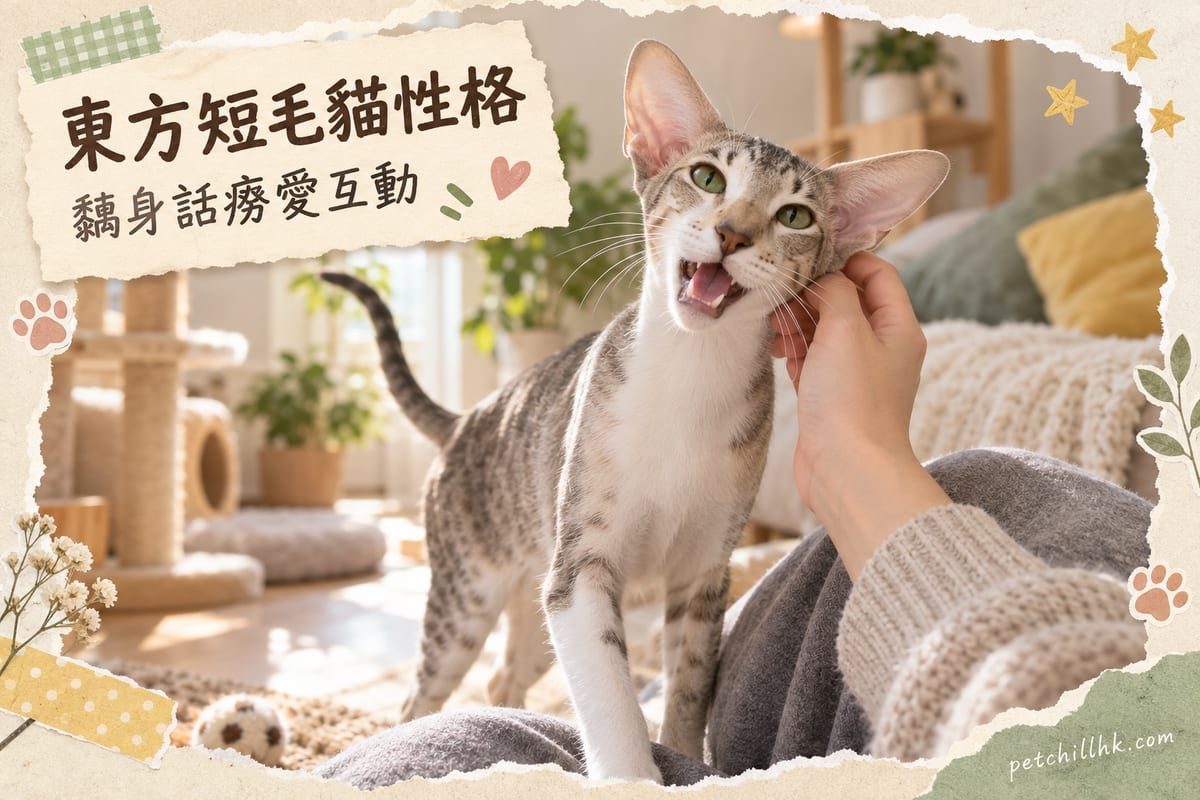
Oriental Shorthair Personality Explained | Hong Kong Care Guide: The Clingy, Chatty 'Dog of Cats'
What is the Oriental Shorthair really like? Sharing Siamese blood, this breed is intelligent, extremely clingy, emotionally expressive, and often described as the 'dog of cats'. This article breaks down the seven core personality traits, intelligence, how they live with children and other pets, differences between males and females, and what Hong Kong dual-income households need to know—helping you decide if this breed suits your lifestyle.
Read the full article →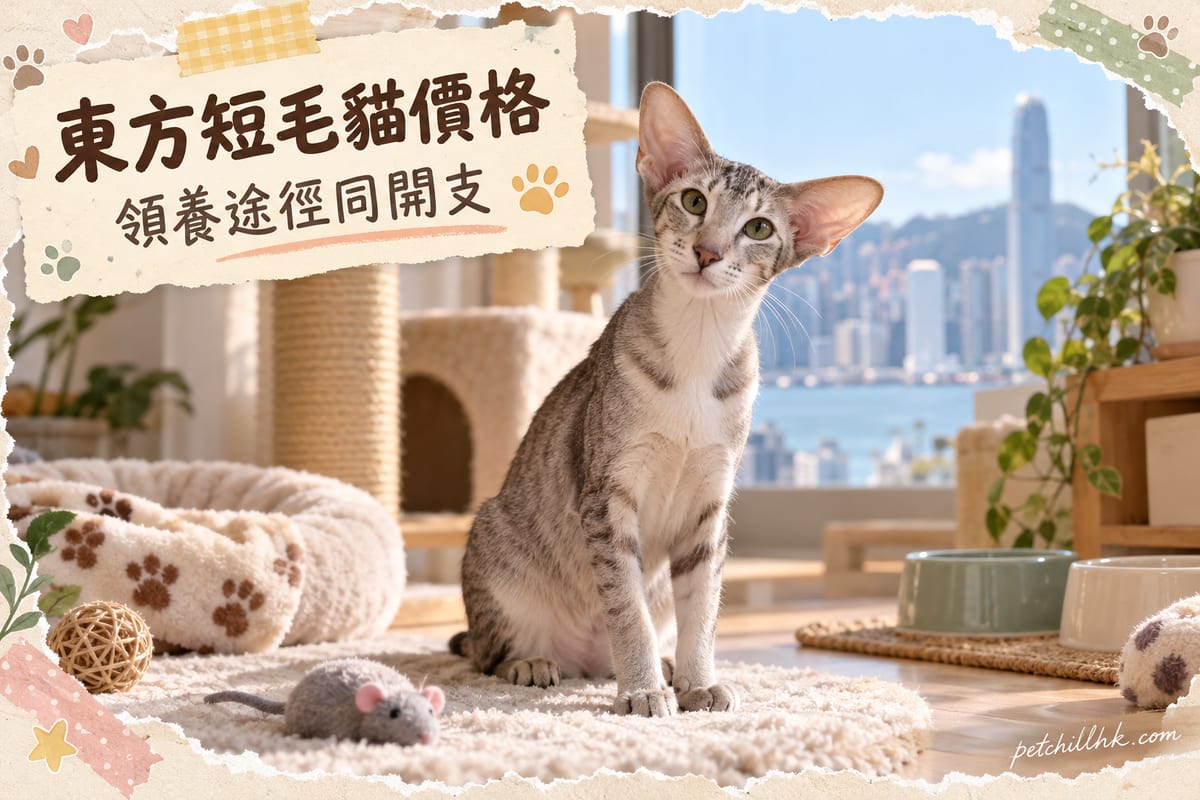
Oriental Shorthair price and adoption in Hong Kong (2026): cattery vs rescue costs
In 2026, a pet-grade Oriental Shorthair with pedigree certificate in Hong Kong typically costs $6,000–$12,000, and pedigree-grade $15,000–$25,000+; purebreds are occasionally available for adoption, so use reputable routes such as SPCA, IRC, and the Civil Association, and budget $800–$1,500 per month.
Read the full article →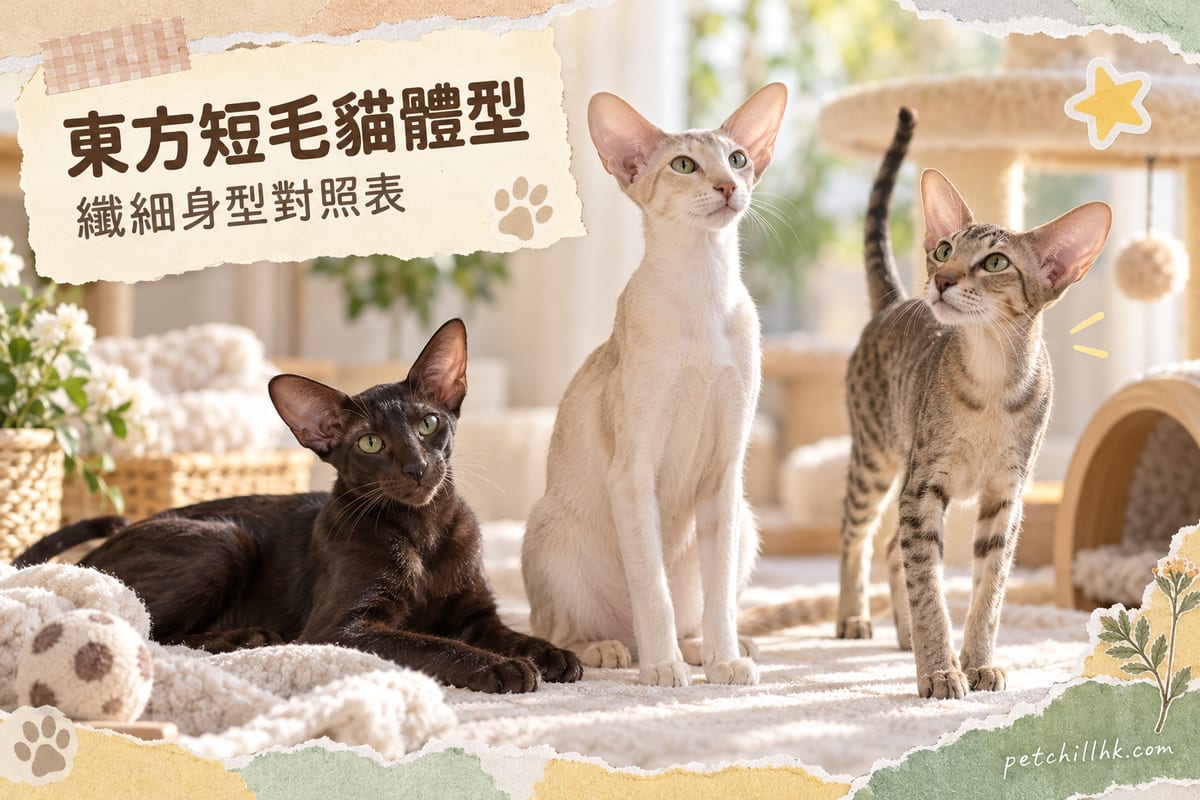
Oriental Shorthair Weight & Growth Curve: What's Normal for Hong Kong Owners
How big do Oriental Shorthairs get? This breed is a small-to-medium cat, with adults typically 3–5 kg for males and 2.5–4 kg for females, but their slender, fine-boned build makes body condition easy to misjudge. This article provides a growth curve table from birth to adulthood, monthly weight references, body condition scoring, measuring tips, and the breed answer to 'why is my cat so light but not thin?'
Read the full article →You may also like
Other cat breeds like the Oriental Shorthair