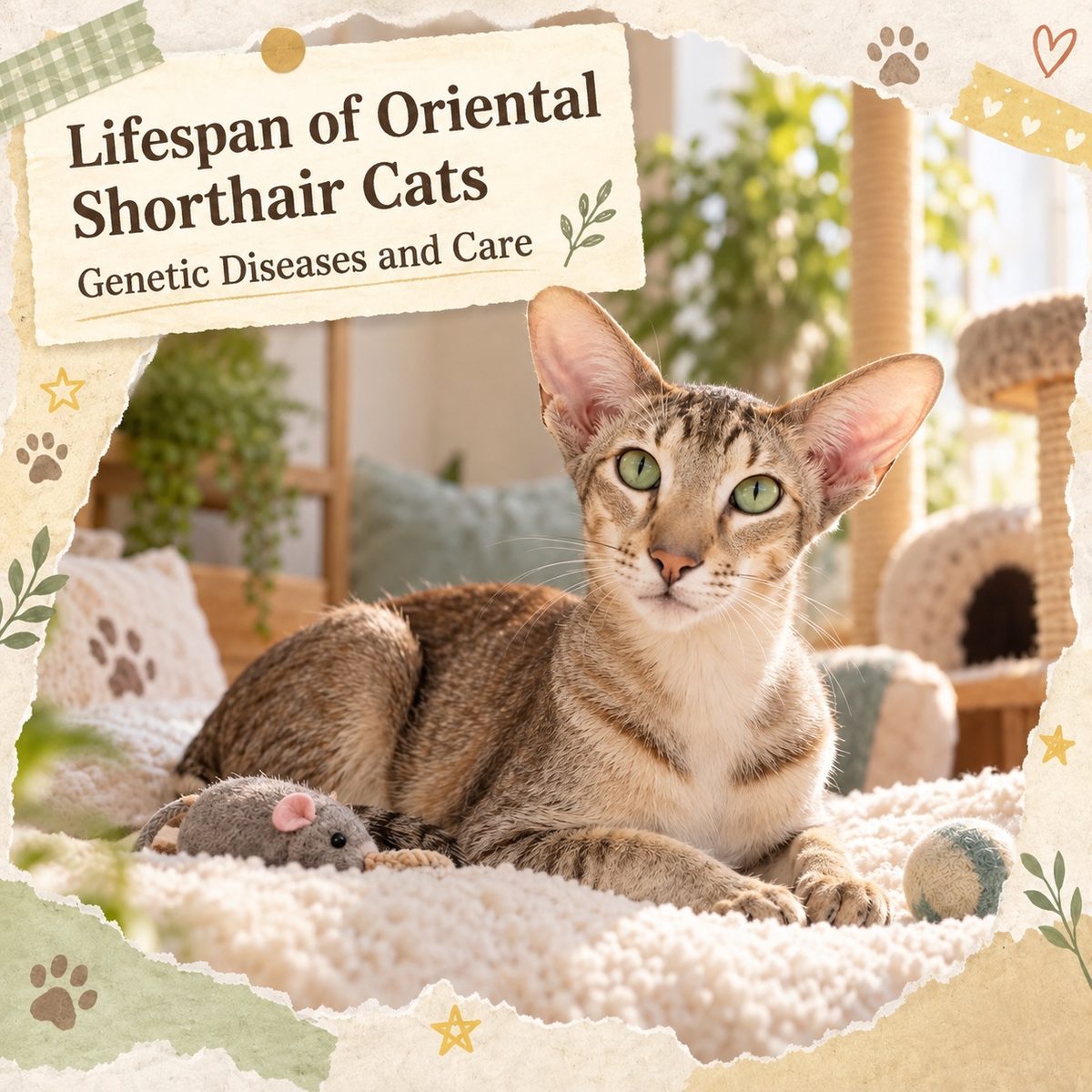
Quick answer: Oriental Shorthairs typically live 12–15 years, and with good care can exceed 17. Breed-related risks centre on four areas: HCM, dental disease, airway sensitivity and the white-cat deafness gene — all have early screening methods, so there is no need to worry excessively once you know how to handle them.
Want a full introduction to the Oriental Shorthair? Start with the Oriental Shorthair breed profile.
1. Lifespan data: why they can live so long
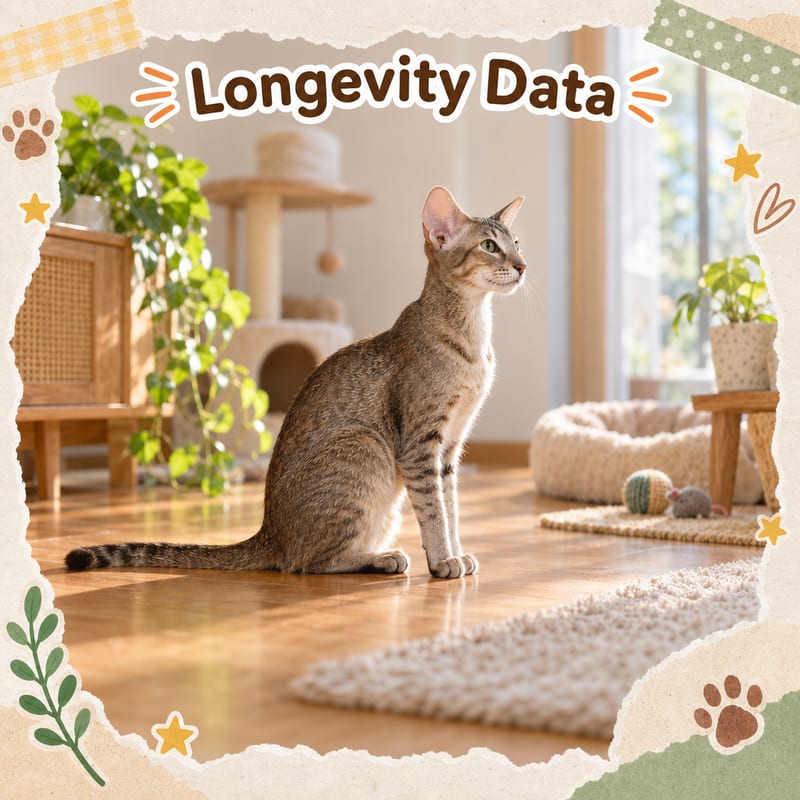
Indoor cats average about 13–17 years, and Siamese-family cats (including Oriental Shorthairs) sit in the upper-middle range across several breed statistics. Questionnaire studies by TICA and the UK's Cats Protection both show a median lifespan of around 15 years for Oriental-type shorthairs. Their longevity advantage comes from three things: a small-to-medium build, a gene pool that is not excessively inbred, and a people-oriented personality — the last is often overlooked: because Oriental Shorthairs actively seek affection and complain, owners notice subtle changes in appetite, energy and breathing more easily, and many illnesses are caught early this way. By contrast, independent cats that hide pain are often only discovered in the middle or late stages. Statistics also tell us: for the same cat, indoor living plus regular checkups can stretch the lifespan gap by three to four years — so "is the breed long-lived" only sets the ceiling; "how you care for it" determines how many years you have together.
| Life stage | Age | Health focus |
|---|---|---|
| Kitten | 0–1 year | Complete vaccinations, deworming, socialisation, confirm family history of hereditary disease |
| Young adult | 1–7 years | Weight management, annual dental check, baseline HCM ultrasound |
| Mature | 7–10 years | Weigh every six months, blood tests (kidney, thyroid), blood pressure |
| Senior | 11+ years | Annual ultrasound plus urinalysis, joint and muscle monitoring, diet adjustment |
2. The four breed-related risks explained
Hypertrophic cardiomyopathy (HCM) is the most common heart muscle disease in cats, and the Siamese family is a recognised risk group. The heart muscle thickens → the chambers shrink → in severe cases congestive heart failure or arterial blood clots occur. The cruel part is that early stages have no symptoms; cats are "apparently completely healthy sudden-death risks". Countermeasures: from age 3, veterinary auscultation every 1–2 years; if a murmur or family history is present, move to ultrasound; some clinics offer NT-proBNP blood screening for about HK$600–$1,000, which is good value.
Dental disease: the Oriental Shorthair's small lower jaw and crowded teeth make gingivitis more common; odontoclastic resorptive lesions (FORL) affect generally 20–30% of cats over three in prevalence studies, with higher rates reported in the Siamese family. Warning signs: drooling, tilting the head while eating, suddenly dropping food while chewing, suddenly refusing dry food. Treatment is mainly extraction of affected teeth, with each dental procedure starting at several thousand dollars, so daily brushing from a young age is the cheapest plan.
Airway and respiratory sensitivity is linked to their slender build: cats with narrower airways are more sensitive to dust, perfume and mosquito coils, and clinical signs resemble asthma (coughing while crouched with neck extended). Choosing low-dust cat litter, avoiding air fresheners and maintaining humidity can reduce flare frequency.
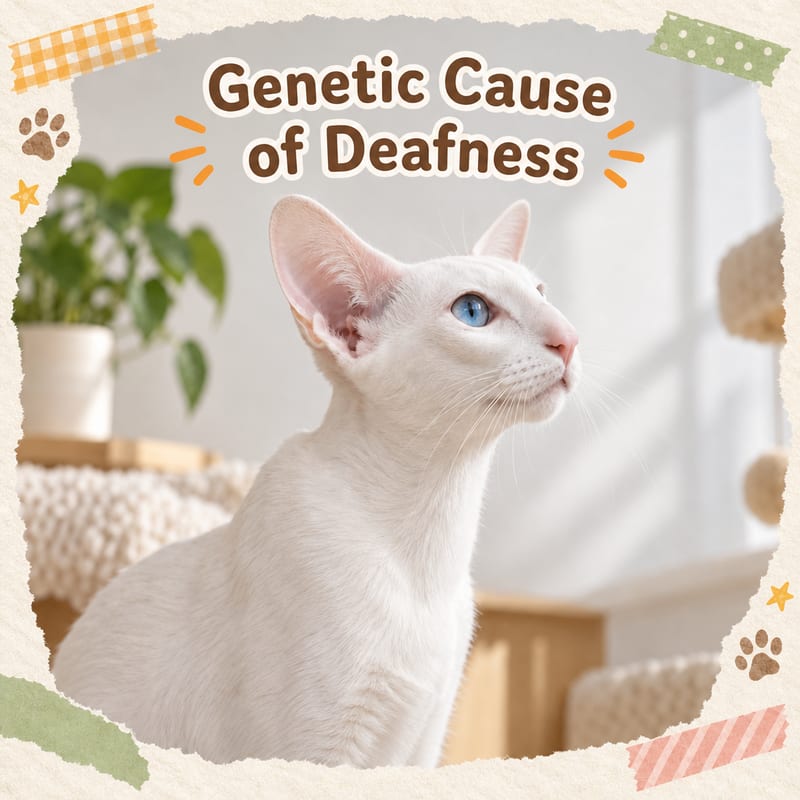
The white-cat deafness gene affects only white individuals (especially blue-eyed ones): congenital deafness occurs in about 60–80% of white cats in one ear and around 20% in both ears; it cannot be reversed but indoor safe housing allows a normal life. This is why you should ask for BAER hearing test records when choosing a white individual (see the price and adoption article).
3. Seven controllable factors that affect lifespan
- Weight: studies show obese cats have shorter average lifespans; the Oriental Shorthair's muscular build makes fat easy to overlook, so a fixed monthly weight photo is most reliable.
- Indoor living: escape risks in tenement areas (falls, cars, bites) are a leading cause of death in young cats; window screens plus escape-proof harnesses are standard.
- Diet quality: high protein in moderation and a high proportion of wet food support urinary health.
- Stress management: especially important for this highly interactive breed — long periods alone and sudden environmental changes can trigger lower urinary tract disease and over-grooming.
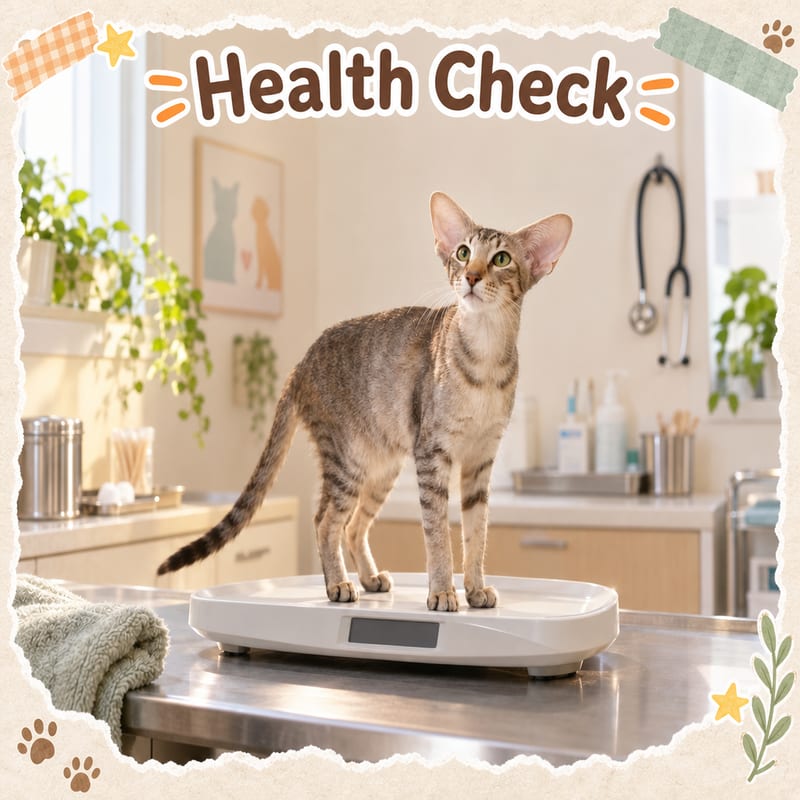
- Regular checkups: annual blood and urine tests after age 7 can detect kidney disease and hyperthyroidism two years earlier.
- Toxin avoidance: lilies (even the vase water is fatal), pyrethrin spot-ons, and human painkillers and antipyretics are fatal to cats — keep them all out of the home; plant-owning households should check an animal toxic plant list before buying.
- Companionship and interaction: the mental health of a companion cat directly reflects in appetite and immunity; don't assume "he can cope alone".
4. Longevity checklist: from today to 17
- ✅ Regular heart screening from age 3 (auscultation plus ultrasound/BNP if needed)
- ✅ Oral care habits from a young age, annual dental check
- ✅ Fully indoor living, window screens to prevent escape, never leave windowsills unprotected
- ✅ Wet food as the main diet to maintain water intake, protecting kidneys and urinary tract
- ✅ Weigh monthly at a fixed time; the curve matters more than a single number
- ✅ From age 7, annual blood and urine tests plus blood pressure
- ✅ Low-dust cat litter, no air fresheners or mosquito coils
- ✅ Daily interactive play, enough psychological companionship
- ✅ Buy insurance or build a medical reserve before illness strikes
- ✅ In senior years switch to easy-to-chew food and add a warm mat to protect joints
- ✅ Introduce changes (moving home, new family members) gradually
- ✅ See a veterinarian if any symptom lasts 48 hours; don't "wait and see"
5. Care points for senior Oriental Shorthairs
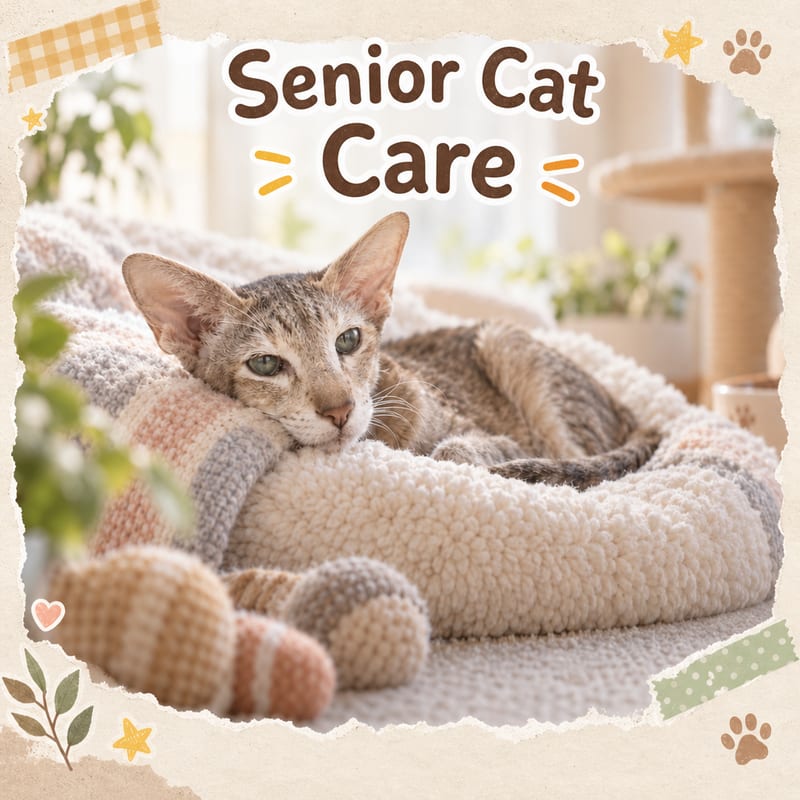
After 11, this breed's "slenderness" turns from a body-condition advantage into a monitoring indicator: muscle loss (especially along the spine), dull coat, changed sleep cycle (night-time yowling), and poorer temperature regulation. Diet-wise, switch to highly digestible protein and small frequent meals; environmentally, add warmth and low-entry litter boxes (a slender old cat will find a high-sided box painful to climb). Most importantly: a sudden personality change is itself a clinical signal — a normally talkative cat that suddenly goes quiet, or a normally gentle cat that suddenly becomes irritable, is usually not "just old age" but pain or underlying disease (hyperthyroidism, high blood pressure and joint pain are common culprits), and warrants a full veterinary assessment plus blood pressure measurement. Also, senior cats have much less reserve for hunger and dehydration; if they don't eat for a day you can no longer "wait and see" — this red line moves much earlier than in youth.
Key takeaways
- ✅ Oriental Shorthair lifespan is 12–15 years; indoor living plus screening can extend it
- ✅ HCM is a silent killer: screen regularly from age 3, watch breathing and exercise tolerance
- ✅ Dental care is the most easily overlooked long-term expense; brush from a young age
- ✅ Obesity, escape, dust and stress are the four controllable lifespan shorteners
- ✅ Annual blood and urine tests after age 7; treat sudden personality changes as clinical signals
- ✅ The mental health of a companion cat directly affects physical health; ample companionship is itself a longevity medicine
- ✅ White blue-eyed individuals need BAER hearing test records; deafness can be managed with indoor safe housing
- ✅ Sudden personality change (sudden silence or irritability) is a clinical signal worth a full veterinary assessment
Related reading
- Oriental Shorthair disadvantages and how to cope
- Oriental Shorthair weight and growth curve
- Oriental Shorthair price and adoption guide
- Low-dust cat litter, pet toothbrushes, senior cat supplies: shop at PetChill pet supplies.
The medical content in this article is general information and cannot replace diagnosis; for heart- or dental-related symptoms please consult a registered veterinarian.