PetChill Pet Encyclopedia
Cat Breeds

Oriental Shorthair Weight & Growth Curve: What's Normal for Hong Kong Owners

How big do Oriental Shorthairs get? This breed is a small-to-medium cat, with adults typically 3–5 kg for males and 2.5–4 kg for females, but their slender, fine-boned build makes body condition easy to misjudge. This article provides a growth curve table from birth to adulthood, monthly weight references, body condition scoring, measuring tips, and the breed answer to 'why is my cat so light but not thin?'

Published: 2026-09-14·8 min read·Author: PetChill Editorial
Oriental Shorthair Weight & Growth Curve: What's Normal for Hong Kong Owners — PetChill

Quick answer: Oriental Shorthairs are small-to-medium cats: adult males 3.5–5 kg, females 2.5–4 kg. Bones set by one year, and body mass fills out gradually until two years. They are naturally fine-boned with slightly visible ribs, so use body condition scoring rather than weight numbers to judge whether they are too thin or too fat.

Want to know the Oriental Shorthair inside out? Start with the Oriental Shorthair breed profile.

1. Breed size positioning: fine bones, big ears, long body

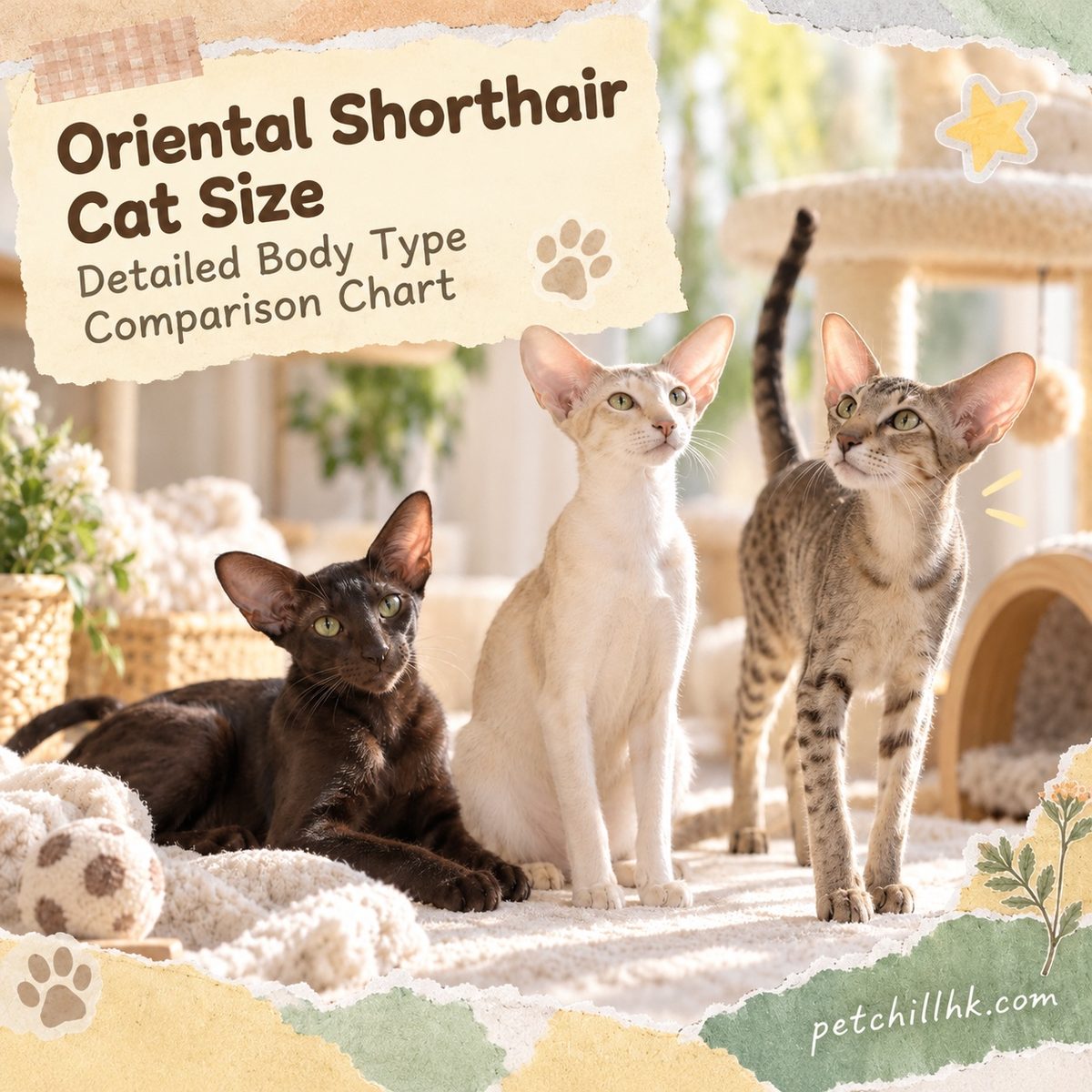
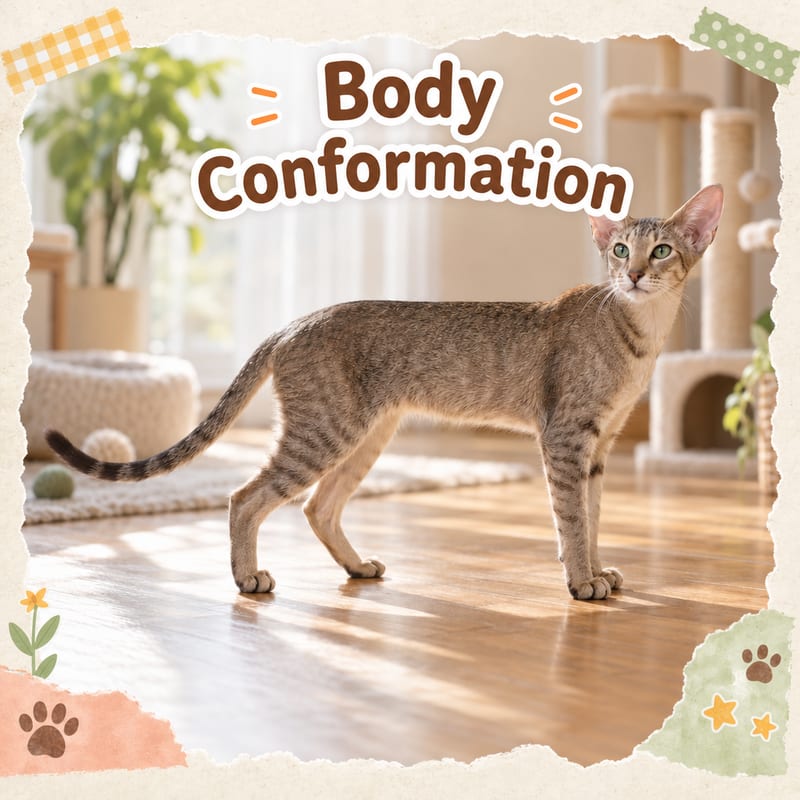
The CFA breed standard classifies the Oriental Shorthair as a 'foreign type': wedge-shaped head, oversized ears, long slender neck, tubular fine body, and a long tapering tail. Adults look like a deluxe version of the Siamese—same 'beanpole body', just in different colours. In plain terms: they are the supermodels of the cat world, and their weight numbers always look low; a 5 kg Oriental Shorthair may visually resemble a 4 kg British Shorthair plus a longer tail. So the healthy body type for this breed is not 'round' but 'firm muscle with ribs faintly visible'. And precisely because of this visual deception, Oriental Shorthairs are common victims in veterinary clinics of 'owners thinking they're too thin and desperately adding meals until they become overweight'—read this article's scoring method first, then decide how much to feed.
oriental-shorthair-size-weight-hk knowledge card 1

2. Growth curve table: from birth to two years
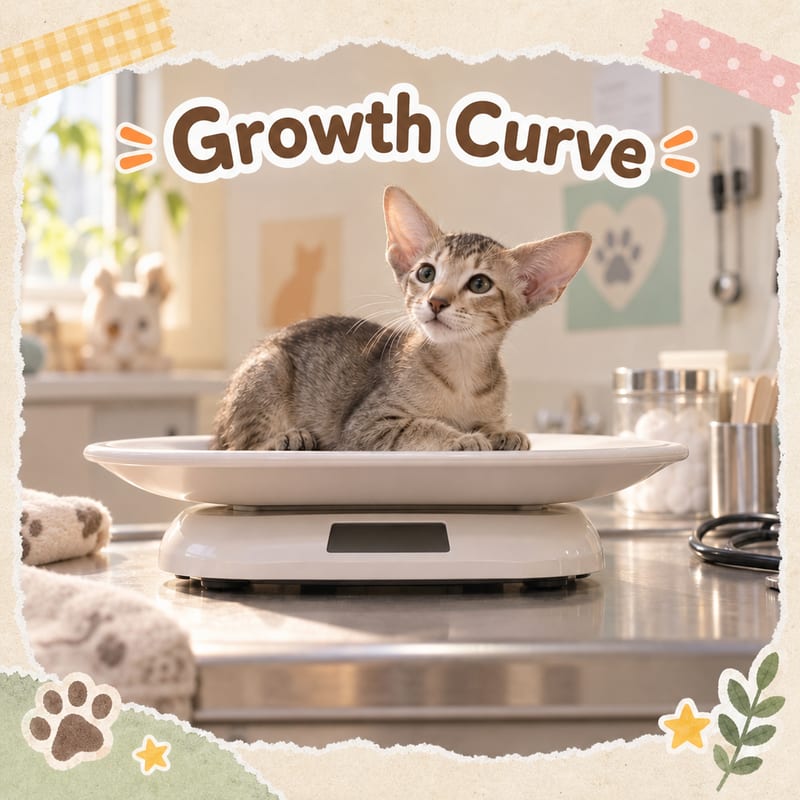
A tabby Oriental Shorthair kitten on a scale, owner recording monthly weight

Age (months) Reference weight (male) Reference weight (female) Developmental milestone
Birth 80–110 g 75–105 g Umbilical cord falls off, eyes open
1 month 0.4–0.6 kg 0.35–0.55 kg Walking steadily, starting solid food
3 months 1.2–1.7 kg 1.0–1.5 kg Vaccinations complete, golden period for socialisation
6 months 2.2–2.8 kg 1.9–2.5 kg Teething complete, recommended neutering window
9 months 2.8–3.6 kg 2.3–3.1 kg Bones nearing final size
12 months 3.2–4.3 kg 2.5–3.5 kg Looks like an adult
18–24 months 3.5–5.0 kg 2.5–4.0 kg Muscle and body mass fully filled out

The numbers in the table are reference ranges, not KPIs: Oriental Shorthair kittens are generally a little lighter at birth than average cats, and later growth speed is directly related to milk quality, weaning time, and whether siblings compete for food. What really matters is the direction of the curve—a healthy kitten should show perceptible weight gain each week (100–150 g); if it stalls for two consecutive weeks, address it, and don't believe 'they'll catch up when they grow'. Two more practical reminders: first, during the 4–6 month teething and neutering period, the growth slope may temporarily slow—this is normal physiological rhythm, so don't rush to change food; second, for adopted cats, a 5–10% weight drop in the first week at home is common (stress-related reduced eating); if it hasn't recovered after two weeks, see a veterinarian and do a faecal test to rule out parasites holding them back.

3. Body condition score (BCS): a five-minute self-check

The internationally used five-point body condition score can be done in the vet clinic or at home:

  1. Feel the ribs: Place your palm flat on both sides of the cat's chest and press gently—normal should feel like the back of your hand: bone obvious but covered with a thin layer of flesh; seeing bones without flesh means too thin, and having to press hard to feel them means overweight.
  2. Waist from above: Stand behind the cat and look down; behind the ribs you should see a clear inward waist. A deep waistline is normal for this breed; only a completely absent waist is a concern.
  3. Belly tuck from the side: From the side, the abdomen should tuck up from the ribs toward the hind legs; a hanging primordial pouch is a different matter and not obesity.
  4. Fat at the tail base: Feel both sides of the tail base; normal should be a smooth transition; obvious fat accumulation is an early sign of overweight.

When judging Oriental Shorthairs, add a breed footnote: they normally have slightly visible ribs, so using the standard for round-bodied cats would misjudge them as too thin; conversely, if you can't even feel the ribs, that is already genuinely overweight for this breed. On the five-point BCS, the ideal range is around 3: above 4, start reducing food; below 2, first rule out illness then increase food. It's recommended to do the four-step check every two weeks and take photos (one from above, one from the side); comparing after three months reflects trends better than any single conversation.
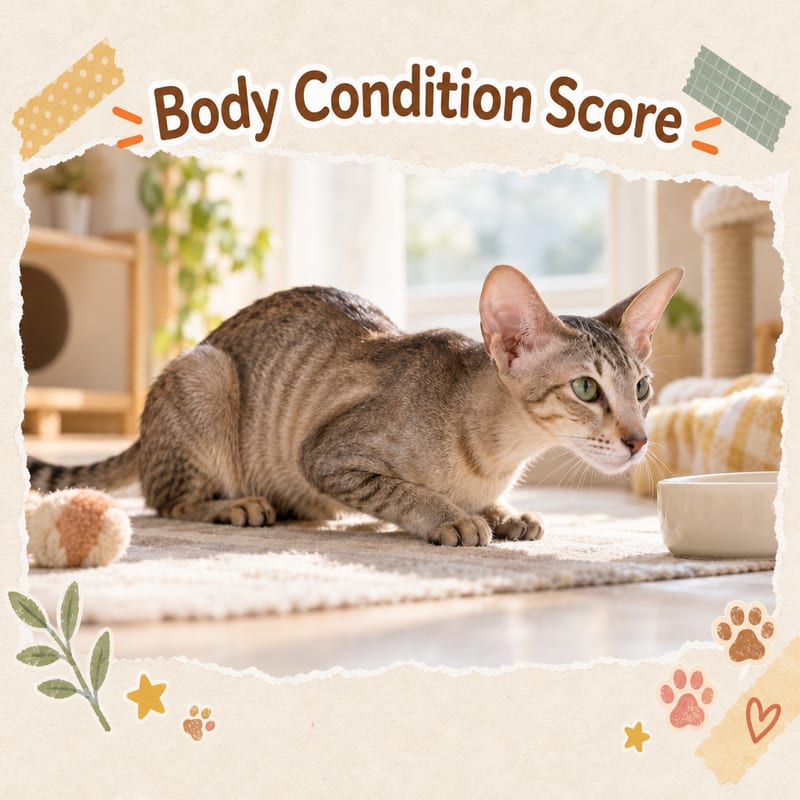
Owner measuring an Oriental Shorthair's chest circumference with a soft tape, cat standing on a rug

4. Measuring in practice: how to weigh and measure an adult cat

You don't need a special cat scale for adult cats; two steps will do: first weigh yourself (hold the cat and then weigh yourself alone, the difference is the cat's weight), or use a baby scale; for measuring, use a soft tape around the chest and also measure body length from shoulder blades to tail base. It's recommended to record on the same day each month, at the same time (before meals), on the same scale, and make a simple line graph. This method is especially valuable for Oriental Shorthairs because their muscle mass changes little and fat is thin, so single weigh-ins can fluctuate widely; only the curve tells the truth. Advanced owners can note the 'chest circumference divided by body weight' ratio: if the ratio suddenly rises while weight stays the same, it often means muscle loss replaced by fat—one of the earliest signs of sarcopenia in senior cats.

5. Eats a lot but doesn't gain, eats little and looks bony: how to anchor feeding amounts

Oriental Shorthairs are not suited to 'free feeding' (food available all day)—they are smart, playful, and easily treat eating as entertainment, so unrestricted feeding can quietly increase chest circumference. It's recommended to feed at set times and amounts: two to three meals a day, start with the lower end of the package's recommended amount for dry food, then adjust by 5–10% monthly based on the weight curve; wet food can add moisture and increase satiety. Keep treats within 10% of total daily calories, preferably given as game rewards—for this mentally active breed, 'doing homework for treats' is more valuable than putting them in a bowl.

6. Common body shape questions

'Why does my cat eat a lot but not gain weight?'—High metabolism plus high activity is this breed's asset; as long as BCS is within the normal range, don't chase weight gain. If appetite is truly ravenous but weight is falling, first test for hyperthyroidism and diabetes.

'Is the loose skin hanging by the neck because they're fat?'—No, that's loose neck skin (primordial pouch), a normal feline structure, and it's actually more obvious in Oriental Shorthairs because of their low body fat.

'Still looks like a kitten at two years old?'—Normal; the body-filling period isn't over, especially for males; don't compare with the 'presence' of adult cats before a year and a half. The Oriental Shorthair's 'mature look' comes from big ears and a pointed face, not a round body, so looking 'not fully grown' is often just coat colour and expression not yet settled.

'Should I switch to adult food?'—It's recommended to transition from kitten to adult food gradually over one to two weeks after 12 months (mix proportions gradually; sudden changes can cause loose stools); neutered cats may consider a calorie-controlled formula. After neutering, Oriental Shorthairs' activity level stays the same but appetite generally increases, and the obesity rate is not low—losing weight after gaining is much harder than controlling from the start.
oriental-shorthair-size-weight-hk knowledge card 2

Key takeaways

  • ✅ Small-to-medium cat: males 3.5–5 kg, females 2.5–4 kg; fine bones make them look thinner
  • ✅ Bones set by one year, body fills out until two years; don't conclude too early
  • ✅ Judge fat or thin by body condition score, not by weight numbers or 'looks round'
  • ✅ Weigh monthly at the same time on the same scale; a line graph is more honest than a single number
  • ✅ Slightly visible ribs are normal for the breed; not being able to feel ribs is the alarm
  • ✅ Feed at set times and amounts with game-based feeding, not free feeding; keep treats within 10% of calories
  • ✅ Switch to a controlled formula after neutering; losing weight later is much harder than prevention

The data in this article are breed reference ranges; for abnormal weight or sudden appetite changes, consult a registered veterinarian.
Frequently Asked Questions

📌 Key Takeaways

  • This article covers: 1. Breed size positioning: fine bones, big ears, long body, 2. Growth curve table: from birth to two years, 3. Body condition score (BCS): a five-minute self-check, 4. Measuring in practice: how to weigh and measure an adult cat, 5. Eats a lot but doesn't gain, eats little and looks bony: how to anchor feeding amounts, and more
  • Jump to any section via the table of contents for the key details
  • If in doubt, consult a registered veterinarian

📚 Cat breeds article index

This article is part of the Cat breeds topic cluster. Explore related articles:

⭐ Pillar guide: Cat breeds complete guideNapoleon Cat (Minuet) Complete Guide | Hong Kong Short-Legged Longhaired Cat Personality, Price and Health Risks→ ReadBirman Cat Disadvantages: 8 Real Costs to Know Before Getting One in Hong Kong→ ReadBirman Cat Lifespan: A Must-Read Longevity Checklist for Hong Kong Owners→ ReadBirman Cat Personality and Intelligence Explained | Hong Kong Owner's Guide→ ReadBirman Cat Prices and Adoption Guide | Hong Kong 2026→ ReadWhat Are the Downsides of a Devon Rex? 7 Things Hong Kong Owners Must Know Before Getting One→ ReadDevon Rex in Hong Kong: Care Guide for the Humid Climate and the Law→ ReadHow Long Do Devon Rex Cats Live? A Hong Kong Guide to Hereditary Diseases and Health→ ReadDevon Rex Personality and Intelligence: What Hong Kong Owners Need to Know→ ReadDevon Rex Price in Hong Kong 2026: Buying vs Adoption Costs Explained→ ReadNorwegian Forest Cat Downsides Explained | 8 Things to Know Before Getting One→ ReadNorwegian Forest Cat in Hong Kong: Home, Climate and Legal Guide→ ReadNorwegian Forest Cat Lifespan and Health | HCM, GSD IV and a Longevity Checklist→ ReadNorwegian Forest Cat Personality and Intelligence: Independent, Gentle, or Clingy?→ ReadNorwegian Forest Cat Prices and Adoption Guide | Hong Kong 2026 Market Breakdown→ ReadHow Big Do Norwegian Forest Cats Get? Weight Growth Chart and Body Condition Score Explained→ ReadSomali Cat Coat Colour Guide: Ticked Multi-Tone Ruddy Gold→ ReadSomali Cat Disadvantages: 7 Things to Know Before Keeping One in Hong Kong→ ReadSomali Cat Hong Kong Care Guide | Home Climate Full Guide→ ReadSomali Cat Lifespan and Health: A Must-Read for Hong Kong Owners→ ReadSomali Cat Personality Revealed | An Active, Playful Companion Cat→ ReadSomali Cat Prices and Adoption Guide | Hong Kong 2026→ ReadSomali Cat Weight and Size: A Full Guide to Growth Curves→ ReadCalico Cat Prices: Hong Kong Adoption Routes, Costs and a Verification Checklist→ ReadCalico Cat Lifespan: Key Factors, Common Diseases and Longevity Tips for Hong Kong Owners→ ReadCalico Cat Disadvantages: 7 Real Challenges Every Hong Kong Owner Should Know→ ReadAmerican Shorthair Weight Standards and Growth Chart | Essential Hong Kong Cat Weight Guide→ ReadBritish Shorthair Weight Standards: Hong Kong Growth Curve, Male-Female Differences and Weight Chart→ ReadAre Calico Cats Really That Feisty? | Hong Kong Calico Traits × Intelligence Explained→ ReadAmerican Shorthair Personality and Intelligence | Hong Kong Companion-Cat Smarts→ ReadBritish Shorthair Personality & Intelligence: Inside the Mind of Hong Kong's Quiet Cat→ ReadIs a Calico a Breed? Tortoiseshell, Calico Tabby and White-Based Calico Explained (Hong Kong Coat Guide)→ ReadRagdoll Weight Chart: Monthly Standards and Male-Female Differences in Hong Kong→ ReadAmerican Shorthair in Hong Kong: Full Care Guide for Small Flats and Local Climate→ ReadBengal Cat Personality Explained | Hong Kong Bengal IQ, Affection and Male-Female Differences→ ReadHow Long Do British Shorthairs Live? A Hong Kong Owner's Guide to a Longer Life and Disease Risks→ ReadExotic Shorthair Lifespan: How Long Do They Live? A Hong Kong Guide to Longer, Healthier Lives→ ReadRagdoll Colour Patterns Explained: Colourpoint, Mitted, Bicolor, Colours and Prices→ ReadSiamese Cat Lifespan: Hong Kong Genetic Tendencies and a Longevity Checklist→ ReadAmerican Shorthair Lifespan: A Hong Kong Owner's Guide to a Longer Life | Disease Prevention and Health Check Schedule→ ReadHow Long Do Bengal Cats Live? | Hong Kong Bengal Genetic Risks and Longevity Guide→ ReadExotic Shorthair Personality & Intelligence | A Guide to Hong Kong's Quiet, Smart Cat→ ReadRagdoll Intelligence Explained | A Must-Read for Hong Kong Owners: Smart or Just Sweet?→ ReadSiamese Cat Personality | A Must-Read for Hong Kong Pet Owners: The Truth About the Chatterbox, the Clingy and the Highly Intelligent→ ReadAmerican Shorthair Colours & Patterns: With White, Tabby, and Price Guide (2026 Hong Kong)→ ReadBefore You Get a Bengal Cat: 8 Real Downsides and How to Handle Them in Hong Kong→ ReadExotic Shorthair Disadvantages: 8 Honest Points Hong Kong Owners Must Know→ ReadRagdoll Lifespan: Key Factors and a Longevity Checklist for Hong Kong Owners→ ReadHow Many Siamese Cat Colours Are There? Four Key Point Colours Plus Pattern Variants (Hong Kong)→ ReadAmerican Shorthair Disadvantages: 7 Honest Assessments and Solutions for Hong Kong Owners→ ReadBengal Cat Prices and Adoption Guide: Hong Kong Cattery Rates, Adoption Routes and a Pre-Purchase Checklist→ ReadExotic Shorthair Hong Kong Care Guide|Humidity Protection for Flat-Faced Cats & Heat Relief→ Read8 Real Downsides of Ragdoll Cats: At Least HK$1,100 a Month (Hong Kong)→ ReadSiamese Cat Disadvantages: Loud, Clingy, Prone to Separation Anxiety (Hong Kong)→ ReadAbyssinian Cat Colour Guide|Four Main Colours, Prices and Hong Kong Market→ ReadAbyssinian Cat Disadvantages: 7 Things to Know Before Getting One in Hong Kong→ ReadAbyssinian Cat Hong Kong Care Guide: High-Jump Champion in a Small Flat→ ReadAbyssinian Cat Lifespan and Health: A Hong Kong Genetic Screening Guide→ ReadAbyssinian Cat Personality Revealed | Hong Kong Cat Owner Must-Read: How Smart Is the 'Dog of the Cat World'?→ ReadAbyssinian Cat Price: Hong Kong Catteries, Adoption and Verification Guide→ ReadAmerican Shorthair Price and Adoption Guide | Hong Kong 2026→ ReadBengal Cats in Hong Kong: The Complete 2026 Guide to Small Flats, the Law, and Humidity & Heat Protection→ ReadThe Downsides of Domestic Cats: The Truth and How to Handle It Before Getting a Hong Kong Cat→ ReadHow Long Do Domestic Cats Live? A Hong Kong Guide to Health Management and Longer Life→ ReadDecoding the Domestic Cat Personality | Hong Kong Street Cat Blind Box: Why They're So Loved→ ReadAdopting a Domestic Cat in Hong Kong: AFCD & SPCA Fees, Procedures, and Public Housing Rules→ ReadEgyptian Mau Disadvantages: The Truth Hong Kong Owners Must Know Before Getting One→ ReadEgyptian Mau Lifespan: Health Risks and Longevity Guide for Hong Kong→ ReadEgyptian Mau Personality Revealed | Hong Kong Cat Owner Must-Read: The Cat That Acts Like a Dog, Loyal to One Family for Life→ ReadEgyptian Mau in Hong Kong: Price and Adoption Guide 2026 – Market Rates and Verification Checklist→ ReadExotic Shorthair Price & Adoption Guide | Hong Kong Buying Market 2026→ ReadHimalayan Cat Disadvantages: 8 Truths to Know Before Owning One in Hong Kong→ ReadHimalayan Cat Hong Kong Care in Practice: What to Do About the Hot and Humid, Heat-Sensitive Problem|The Complete Longhair Flat-Face Guide→ ReadHow Long Do Himalayan Cats Live? A Must-Read 12–15 Year Health Guide for Hong Kong Owners | PetChill Cat Encyclopedia→ ReadHimalayan Cat Personality: Persian Calm Meets Siamese Spark — Which Suits Hong Kong? | PetChill→ ReadHimalayan Cat Price and Adoption in Hong Kong: 2026 Cattery Guide→ Read7 Disadvantages to Know Before Getting a Munchkin Cat | A Practical Guide to Keeping Short-Legged Cats in Hong Kong→ ReadMunchkin Cat Care in Hong Kong: Daily Management in Small Flats, Heat and Humidity, and Short Legs→ ReadHow Long Do Munchkin Cats Live? Hong Kong Short-Leg Gene Health Risks and a Longevity Checklist→ ReadMunchkin Cat Personality: 5 Traits of Hong Kong's Short-Legged Comedian→ ReadMunchkin Cat Prices and Adoption: Hong Kong Market Rates and Verification Checklist 2026→ ReadPersian Cat Disadvantages: 8 Things Hong Kong Owners Must Know Before Buying (Chinchilla Included)→ ReadPersian Cat Lifespan: How Long Do They Live? Hong Kong Chinchilla Lifespan and Disease Guide | PetChill Cat Encyclopedia→ ReadPersian Cat Personality & Chinchilla Temperament: Intelligence Explained | The Truth About Hong Kong's 'Quiet Aristocrat'→ ReadPersian Cat Prices in Hong Kong: Chinchilla Costs and Adoption Guide | PetChill→ ReadRagdoll Cat Care Essentials in Hong Kong: Climate, Home and Legislation→ ReadThe Downsides of Owning a Russian Blue | 8 Real Costs Every Hong Kong Cat Owner Should Know→ ReadRussian Blue Lifespan: How Many Years? | Hong Kong 15+ Year Longevity Checklist→ ReadRussian Blue Personality: A Hong Kong Cat Owner's Guide to the Loyal, Intelligent Cat Behind the Shy Exterior→ ReadRussian Blue Price and Adoption Guide | Hong Kong 2026→ ReadSiamese Cats in Hong Kong: A Care Guide for Climate, Flats and Company→ ReadSphynx Colour Guide: Every Skin Colour and Pattern Explained for Hong Kong Owners→ ReadSphynx Cat Disadvantages, Personality, Price and Care: A Hong Kong Guide→ ReadHow Long Do Hairless Cats Live? Sphynx Health Risks and Longevity Guide for Hong Kong→ ReadSphynx Cat Personality Revealed | Hong Kong Cat Owner's Must-Read: How Smart Is This Clingy Dog-Like Cat?→ ReadSphynx Cat Price 2026: Hong Kong Cattery and Adoption Guide→ ReadThe Downsides of Keeping a Turkish Angora | 7 Real Costs in Hong Kong→ ReadTurkish Angora Lifespan: How Long Do They Live? | Hong Kong Owner's Guide to Genetic Red Flags and a Longevity Checklist→ ReadTurkish Angora Personality: The Smart, Chatty 'Fox of Cats' | Hong Kong Care Guide→ ReadTurkish Angora price and adoption guide: 2026 Hong Kong market, routes and waiting lists→ ReadSilver Shaded Cats & British Shorthair Colours: Golden Shaded vs Blue & White, Differences and Prices→ ReadBritish Shorthair Disadvantages: Prone to Obesity, Heavy Shedding, Not a Lap Cat | Are They Easy to Keep?→ ReadBritish Shorthair Hong Kong Care Guide|Small Flat Hot & Humid Weather Tips→ ReadBritish Shorthair Cat Price and Adoption Guide|Hong Kong 2026→ ReadMaine Coon Colours Ranked: A Full Guide to 30+ Colours, Patterns and Popular Shades→ Read8 Real Disadvantages of Maine Coons: Space, Grooming, Costs & Solutions→ ReadMaine Coon Genetic Health Screening: HCM, SMA, PKD & GALC→ ReadThe Complete Guide to Keeping a Maine Coon in Hong Kong: Space, Air-Conditioning, Building Regulations→ ReadHow Long Do Maine Coons Live? 5 Key Factors Behind 12–15 Years | Hong Kong Edition→ ReadMaine Coon Personality and Intelligence: What Makes the Gentle Giant Tick | Hong Kong→ ReadMaine Coon Price in Hong Kong 2026: Buying, Adoption & Full Cost Guide→ ReadHow Big Do Maine Coons Get? Males 6-10 kg, Up to 120 cm Nose to Tail→ ReadOriental Shorthair Colour Guide | Hong Kong Picking Guide: How to Choose from 300 Colours→ ReadOriental Shorthair Disadvantages: 7 Things to Know Before Getting One in Hong Kong→ ReadOriental Shorthair in Hong Kong: A Care Guide for Small Flats, Humidity and Public Housing→ ReadOriental Shorthair Lifespan: Health Risks and Longevity Checklist for Hong Kong Owners→ ReadOriental Shorthair Personality Explained | Hong Kong Care Guide: The Clingy, Chatty 'Dog of Cats'→ ReadOriental Shorthair price and adoption in Hong Kong (2026): cattery vs rescue costs→ ReadRagdoll Cat Prices and Adoption Guide | Hong Kong 2026→ ReadSiamese Cat Prices and Adoption Guide (Hong Kong) 2026→ ReadBengal Cat Care Guide in Hong Kong | Personality, Exercise Needs and Health Watch→ ReadBritish Shorthair Care Guide for Hong Kong | Personality, Weight Control and Health Checks→ ReadAdopting a Hong Kong Cat: Personality, Health Advantages and Adoption Steps→ ReadMunchkin Cat Short-Leg Guide | Essential Reading for Hong Kong Cat Owners: Personality, Spinal Risks and Ethical Debate→ ReadPersian Cat Care Guide for Hong Kong | Long-Hair Grooming, Tear Stains and Kidney Screening→ ReadRussian Blue Cat Hong Kong Care Guide | Silver-Blue Coat, Green Eyes and Personality→ ReadSphynx (Hairless Cat) Complete Guide | Skin Care, Personality, Keeping in Hong Kong→ ReadHong Kong Cat Breeds Guide 2026: 12 Breeds Compared by Personality and Price→ ReadMaine Coon Hong Kong Care Guide 2026 | Personality, Price, Space Needs→ ReadRagdoll Cat Complete Guide 2026 | Personality, Price, Care Essentials, Hong Kong Adoption Info→ ReadSiamese Cat | Full Guide to Price, Personality and Colours (Hong Kong 2026)→ Read

Products mentioned in this article

4 items · prices checked 2026-10-21

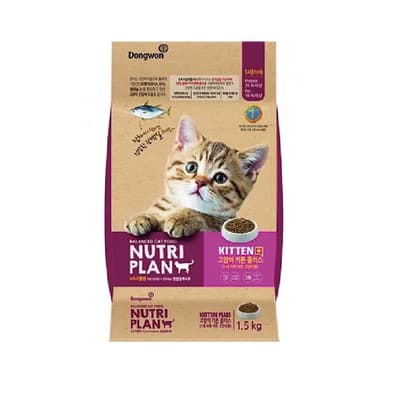
  • Nutriplan Cat Food Kitten Nutritional Formula 1.5kg (64353)Special offer

    Nutriplan Cat Food Kitten Nutritional Formula 1.5kg (64353)

    HK$53HK$58

    About HK$35.33 per kg

    Details

    Price checked 2026-10-21; the store page shows the live price, stock and offers.

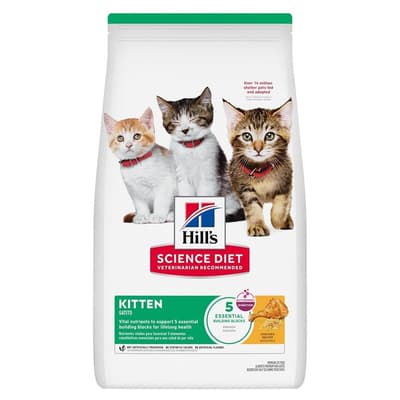
  • Hills Cat Food Life Stage Series Kitten Formula Chicken 540g (609888)

    Hills Cat Food Life Stage Series Kitten Formula Chicken 540g (609888)

    HK$55

    About HK$101.85 per kg

    Details

    Price checked 2026-10-21; the store page shows the live price, stock and offers.

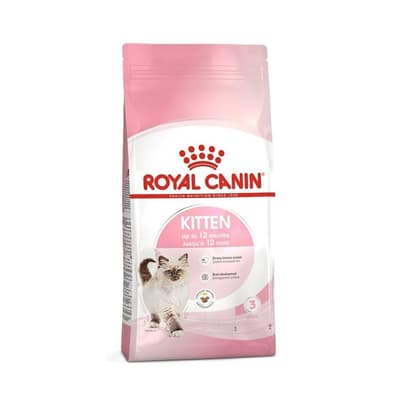
  • Royal Canin FHN Second Age Kitten 50g (2522000512)

    Royal Canin FHN Second Age Kitten 50g (2522000512)

    HK$88

    About HK$1,760 per kg

    Details

    Price checked 2026-10-21; the store page shows the live price, stock and offers.

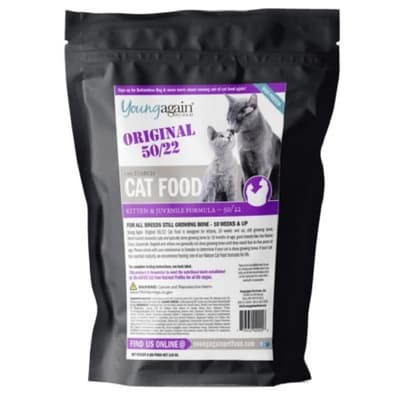
  • Young Again Multi Cat/Kitten & Juvenile Formula 25lb

    Young Again Multi Cat/Kitten & Juvenile Formula 25lb

    Young Again

    HK$1,215

    About HK$107.14 per kg

    Details

    Price checked 2026-10-21; the store page shows the live price, stock and offers.

The products above are store items related to this article. Prices are reference prices as of the check date (about HK$1,411 in total); the store page always shows the live price, stock and offers. This article is not medical advice.

You may also like