
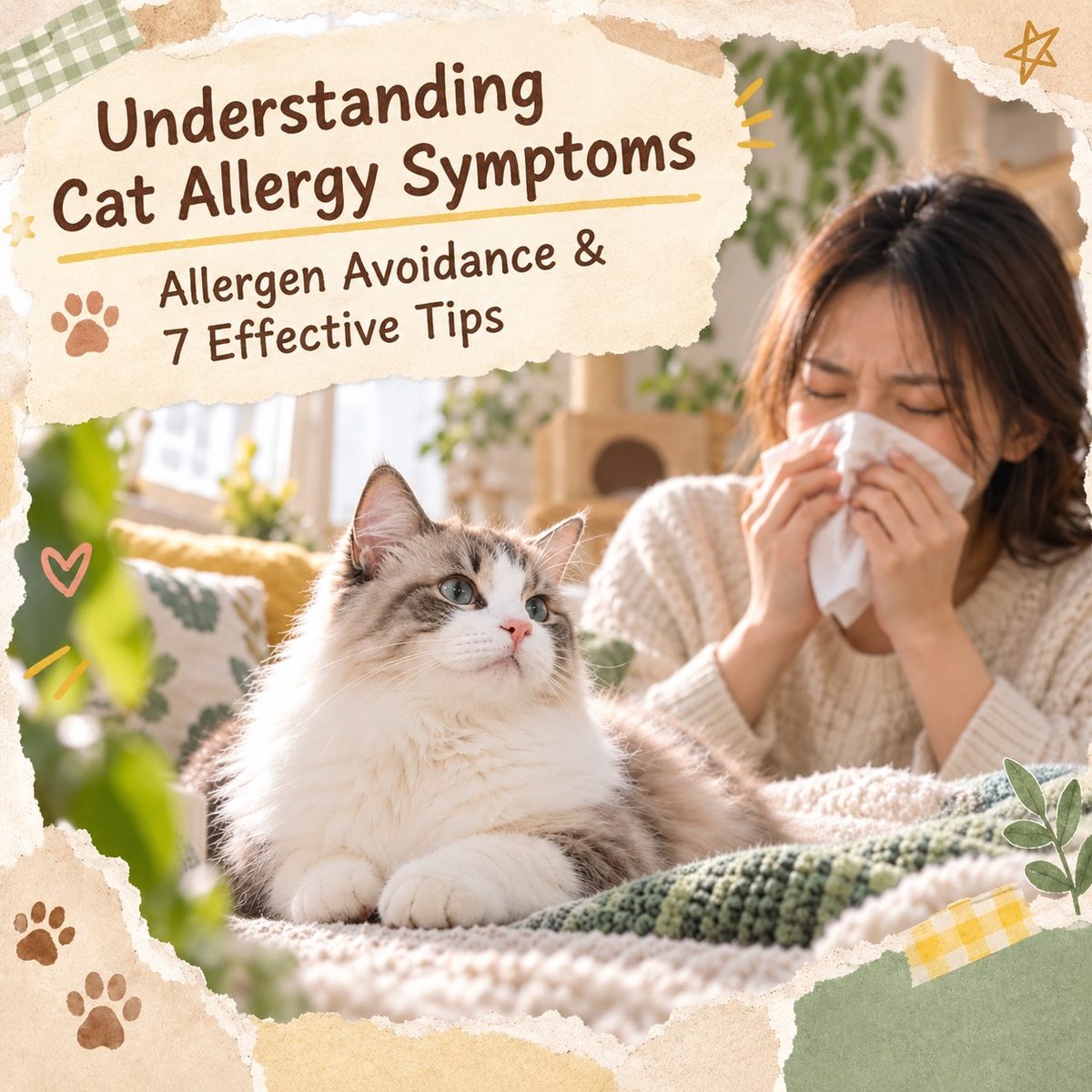
Quick answer: The real culprit behind cat allergy is not cat hair but Fel d 1 protein in cat saliva and sebaceous glands. Even if you have an allergic constitution, most allergy sufferers can keep a cat by choosing a breed with lower Fel d 1 secretion (such as Siberian or Balinese), using a HEPA air purifier and cleaning the environment regularly. We recommend getting a cat allergy test (skin prick or IgE blood test) to confirm the allergen before deciding on a cat-keeping plan.
Have you given up on the idea of keeping a cat because of sneezing, watery eyes or itchy skin? Don't jump to conclusions yet. Scientific research has confirmed that the real culprit behind cat allergy is not 'cat hair' as most people think, but a protein hidden in cat saliva and sebum — Fel d 1. Once you understand the real mechanism of allergy, you'll find: being allergic to cats ≠ cannot keep a cat. PetChill has put together a complete guide to cat allergy, from the allergen principle and symptom identification to low-allergen breed selection and daily relief tips, all in one place.
What is a low-allergen cat? Key points in 30 seconds
'Low-allergen cat' is not an official breed classification, but a general term for breeds with 'relatively lower Fel d 1 secretion'. Note: no breed guarantees zero allergy, and individual differences within the same breed are huge. The table below helps you grasp the key points in 30 seconds.
| Item | Low-allergen cat (general definition) |
|---|---|
| Definition | Breeds or individuals with relatively lower Fel d 1 secretion |
| Main allergen | Fel d 1 (mainly secreted by salivary glands and sebaceous glands) |
| Common breeds | Siberian, Devon Rex, Cornish Rex, Russian Blue |
| Reference breeds | Balinese, Sphynx (individual variation in secretion is enormous) |
| Coat type | From short to long hair; the key is protein, not hair volume |
| Relative Fel d 1 | Generally lower, but individuals within the same breed can differ several-fold |
| Sex factor | Unneutered males have the highest secretion; females and neutered males generally lower |
| Hong Kong price | About HK$10,000–40,000 (depending on breed and lineage) |
| Monthly basic expenses | About HK$800–1,500 |
| Key evidence | No breed guarantees zero allergy; must test by direct contact |
Three fundamentals you must know:
- 'Low-allergen' is relative, not absolute — all cats secrete Fel d 1, no exceptions.
- Individual > breed — two Siberian kittens from the same litter can differ several-fold in secretion; testing the cat is more useful than looking at the breed name.
- Environmental control does half the work — HEPA purifiers, a cat-free bedroom and regular cleaning often help symptoms no less than breed choice.
Low-allergen cat prices and monthly expenses (2026 Hong Kong market)
The cost of keeping a low-allergen cat consists of two parts: expenses for the cat itself, and environmental control expenses. The table below shows the Hong Kong market range.
| Item | Range | Notes |
|---|---|---|
| Siberian | HK$15,000–40,000 | Few local breeders; mostly imported |
| Devon Rex | HK$12,000–25,000 | Short curly coat; watch the skin |
| Cornish Rex | HK$12,000–25,000 | Short curly coat; sensitive to cold |
| Russian Blue | HK$10,000–25,000 | Relatively common; lowest price |
| Adoption | HK$0–2,000 | Mostly neutered and vaccinated |
| Vaccines (first year, 3 doses) | HK$900–1,500 | Annual booster thereafter |
| Neutering | HK$1,500–3,500 | More expensive for females |
| Monthly food | HK$400–700 | Dry food + complete wet food |
| Monthly cat litter | HK$150–250 | Low-dust formulas are friendlier to people with nasal sensitivity |
| HEPA purifier (one-off) | HK$1,500–4,000 | Filter replaced every 6–12 months, HK$300–800 |
| Monthly total | About HK$800–1,500 | Excluding purifier and major medical costs |
Reminder: Besides the cost of keeping a cat, allergy sufferers must also budget for environmental control expenses. A suitable HEPA purifier costs HK$1,500–4,000 one-off, with filters HK$600–1,600 per year; this is part of the real budget and cannot be ignored as an 'extra expense'.
Who is a low-allergen cat suitable for?
| Owner situation | Suitability | Reason |
|---|---|---|
| Mild to moderate nasal allergy | Suitable | Choose a low-Fel d 1 individual + environmental control; most can coexist |
| Want a cat but allergy unconfirmed | Must test in person | Spend 30–60 minutes with the cat first, then decide |
| Home can have a cat-free bedroom | Very suitable | Zero contact during sleep; symptoms improve most noticeably |
| Severe asthma patients | Not advisable to decide alone | Must consult a doctor and get an allergy test first |
| Only want to rely on 'low-allergen breed' | Adjust expectations | Breed is no guarantee; environmental control is key |
Reverse self-check (three questions):
- Have you had a cat allergy test (skin prick or blood IgE) confirming the allergen is Fel d 1?
- Can you set aside a cat-free bedroom at home and keep the cat out long-term?
- Are you willing to spend HK$200–600 per month on filters and deep cleaning?
If you can't answer 'yes' to two of the three, consult a doctor first and don't decide based on breed name alone.
Low-allergen cats compared with other options
| Option | Principle | Monthly cost | Time to effect | Limitations |
|---|---|---|---|---|
| Low-allergen breed | Choose individuals with lower Fel d 1 secretion | HK$800–1,500 plus environmental expenses | Long-term | Breed no guarantee; large individual variation |
| Regular domestic cat + environmental control | Rely on cleaning, purifier, cat-free bedroom | HK$200–600 | 2–4 weeks | Requires persistence |
| Sphynx | Hairless, less dander | HK$800–1,500 | Long-term | Still secretes Fel d 1; not zero-allergen |
| Immunotherapy | Desensitisation course reduces sensitivity | Higher course cost | Months to years | Requires doctor assessment; not for everyone |
| No cat | Complete avoidance of allergen | HK$0 | Immediate | Environmental residue can last months |
In one sentence: Breed is only half the answer; environmental control is the other half. No method can reduce Fel d 1 to zero; the most practical combination is 'low-secretion individual + cat-free bedroom + HEPA purifier'.
Four most common low-allergen cat misconceptions
| Misconception | Reality |
|---|---|
| Low-allergen cats don't cause allergies | No breed guarantees zero allergy; they simply secrete relatively less |
| Hairless cats are definitely non-allergenic | Sphynx also secretes Fel d 1; dander can still trigger reactions |
| Choosing the right breed means no cleaning | Fel d 1 can stick to sofas and mattresses for months; cleaning is a long-term job |
| Male and female cats are the same | Unneutered males have the highest secretion; females and neutered males generally lower |
Fel d 1 evidence for low-allergen cats: what research says
The point is not to memorise breed lists but to understand how far the evidence goes:
- The allergen is a protein, not hair — Fel d 1 is secreted by sebaceous and salivary glands and stays suspended in the air on dander (about 2.5 micrometres in diameter) for long periods.
- Large variation within breeds — studies have observed several-fold differences in Fel d 1 levels among individuals of the same breed, so 'which cat' matters more than 'which breed'.
- Long environmental persistence — after a cat is removed, Fel d 1 dander can remain for months and does not disappear immediately.
- Testing is most practical — the most direct way to know if you react to a particular cat is to spend 30–60 minutes with it, and confirm with an allergy test if necessary.
Low-allergen cat breeds one by one
| Breed | Origin | Coat | Relative Fel d 1 | Hong Kong price |
|---|---|---|---|---|
| Siberian | Russia | Semi-long, triple coat | Large individual variation, some lower | HK$15,000–40,000 |
| Devon Rex | UK | Short curly, velvety | Lower (less dander) | HK$12,000–25,000 |
| Cornish Rex | UK | Short curly, wavy | Lower | HK$12,000–25,000 |
| Russian Blue | Russia | Double short coat | Lower (common list) | HK$10,000–25,000 |
| Balinese | USA | Semi-long, silky | Depends on individual, no guarantee | HK$12,000–25,000 |
Reminder: The 'lower' above is a common observation at breed level and does not mean every cat is like that. Before deciding, you must meet the cat in person; never place a deposit based on breed name alone.
7 environmental control measures: cost and effect
Besides choosing a low-allergen cat, the home environment is what really determines how bad symptoms are. The table below shows practical measures and costs.
| Measure | Method | One-off cost | Monthly/annual cost | Effect |
|---|---|---|---|---|
| Cat-free bedroom | Keep door closed, no cat on bed | HK$0 | HK$0 | High (8 hours zero contact every night) |
| HEPA purifier | Run continuously in bedroom, replace filter regularly | HK$1,500–4,000 | HK$300–800 each time (every 6–12 months) | High |
| Wash hands and face after touching cat | Rinse immediately, don't rub eyes | HK$0 | HK$0 | Medium |
| Reduce fabrics | Put away carpets and heavy curtains | HK$0–3,000 | HK$0 | Medium-high |
| Weekly deep cleaning | Vacuum + wet wipe sofas and mattresses | HK$0 | HK$200–400/month | Medium |
| Choose low-dust cat litter | Reduce dust irritating the nasal passages | HK$0 | Already in litter budget | Medium |
| Control humidity | Maintain 40–50% | HK$100–400 | HK$0 | Medium |
In one sentence: The combination that most improves symptoms is cat-free bedroom + HEPA purifier; the rest are supplementary. Doing everything costs about HK$400–800 per month.
Low-allergen cat budget scenarios: three household examples
| Household situation | Cat choice | One-off expenses | Monthly expenses |
|---|---|---|---|
| Single renter, mild nasal allergy | Adopt a blue-grey domestic cat | HK$0–2,000 (adoption + supplies) | HK$800–1,200 |
| Couple, can set up cat-free bedroom | Russian Blue | HK$10,000–25,000 | HK$900–1,500 |
| With children, moderate allergy | Siberian + HEPA purifier | HK$20,000–45,000 | HK$1,000–1,800 |
Reminder: The difference between the three scenarios is mainly the 'cost of getting the cat'; monthly expenses differ little (about 20%). If allergy symptoms are the main concern, investing in environmental control is more important than buying an expensive cat.
The real culprit behind cat allergy: not cat hair, but Fel d 1 protein
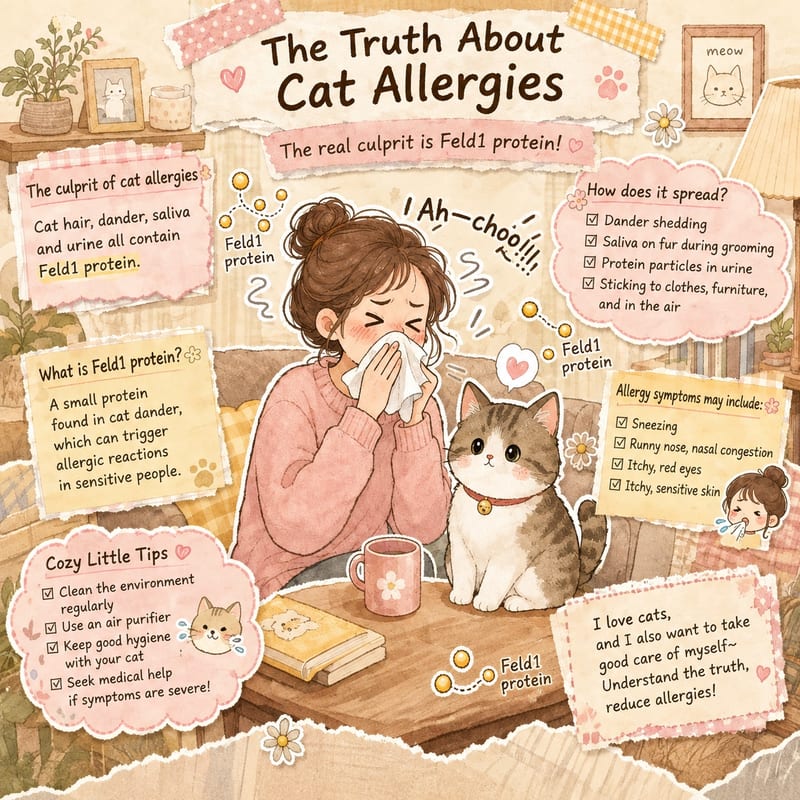
Many people mistakenly believe cat hair is the culprit behind allergies, but medical research has confirmed that the main cat allergen is a protein called Fel d 1 (Feline d 1, also written Feld1). This protein is mainly secreted by a cat's sebaceous and salivary glands, and is also present in tears and urine.
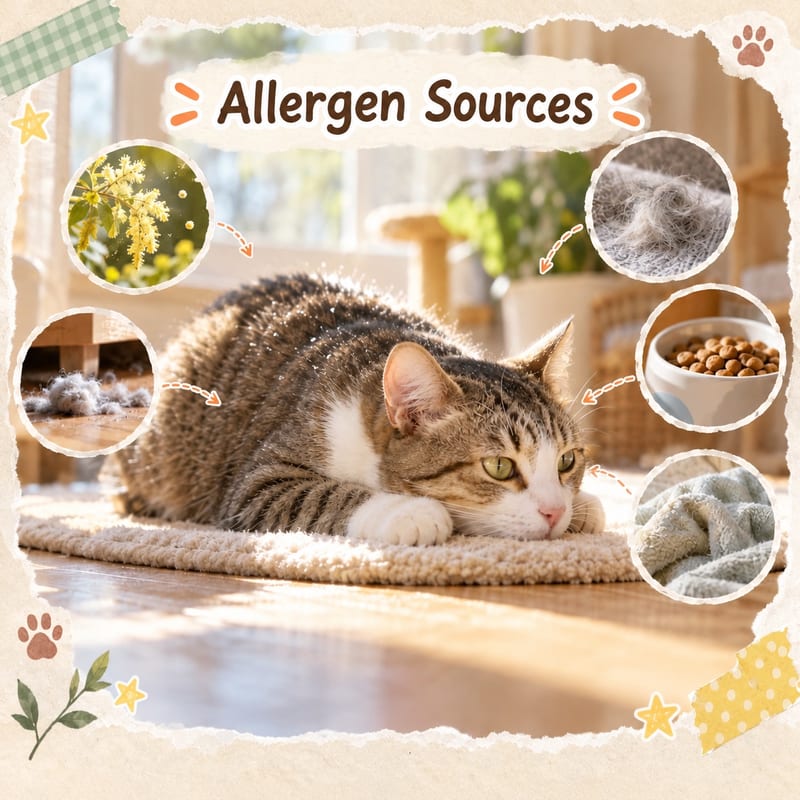
When a cat grooms, Fel d 1 attaches to the hair and dander via saliva. Dander produced by the cat's skin metabolism is extremely small (only about 2.5 micrometres in diameter, smaller than dust mite allergens) and can remain suspended in the air for long periods, sticking to clothes, sofas, mattresses and walls. When you inhale or come into contact with this Fel d 1-laden dander, your immune system misidentifies it as a threat and releases histamine, triggering an allergic reaction.
This also explains two common myths:
- 'Hairless cats don't cause allergies' — wrong. Even the Sphynx secretes Fel d 1, just in relatively smaller amounts.
- 'Leaving the cat solves it' — not necessarily. Fel d 1 dander can remain in the environment for months; allergens do not disappear immediately after the cat leaves.
Cat hair allergy symptoms at a glance
The severity of cat allergy symptoms varies greatly, from a runny nose to asthma. Here are the most common reaction categories:
| Area | Common symptoms | Severity note |
|---|---|---|
| Eyes | Itching, redness, watery eyes, swollen eyelids | Generally mild |
| Nose | Sneezing, runny nose, congestion, itchy nose | Generally mild |
| Skin | Rash at contact site, itching, hives | Moderate; watch for spreading |
| Respiratory tract | Cough, chest tightness, wheezing, difficulty breathing | Severe; seek medical help immediately |
⚠️ If you have asthma and experience difficulty breathing or wheezing after contact with a cat, seek medical help immediately and reassess whether keeping a cat is suitable.
Cat allergy symptoms vary from person to person and can range widely in severity. Here are the most common reaction categories:
Why do you 'suddenly' become allergic to cats? What if it happens after years of keeping one?
Many cat owners ask: 'I've had cats for years with no problem, why am I suddenly allergic?' This is actually very common. Reasons include:
-
Immune system changes: allergies can 'switch on' at any age; stress, illness and hormonal changes (such as pregnancy) can suddenly make the immune system sensitive to Fel d 1.
-
Allergen accumulation effect: after long-term low-dose exposure, antibodies (IgE) accumulate to a certain threshold before symptoms appear.
-
Environmental factors: humid weather, poorer ventilation, or a smaller space after moving all raise indoor allergen concentrations.
-
Multiple allergies stacking: originally only mildly allergic to dust mites, adding cat dander pushes the total over the limit and symptoms erupt.
So 'suddenly becoming allergic to cats' is not the cat's problem but a change in your body's immune state. If symptoms appear, get an allergy test to confirm; don't rush to rehome the cat before finding out.
Are male cats more likely to cause allergies than females? The secret of sex differences
Research has found that Fel d 1 secretion is related to a cat's sex and neutering status:
- Unneutered male: male hormones promote Fel d 1 secretion; allergen levels are usually highest.
- Neutered male: Fel d 1 levels drop noticeably after neutering.
- Female: overall secretion is generally lower than in males.
- Coat colour factor: some studies have observed that dark-coated cats may have slightly lower Fel d 1 levels than light-coated cats, but the evidence is insufficient and can only be for reference.
If you are allergic to cats but want one, prioritising female or neutered male cats is a safer choice.
Low-allergen breed recommendations (with Fel d 1 level comparison)
First, be clear: there is no 100% allergy-free cat breed in the world, only breeds with relatively lower Fel d 1 secretion. Here are the recognised choices more suitable for allergy sufferers:
| Breed | Fel d 1 level | Coat characteristics | Suitable household |
|---|---|---|---|
| Siberian | Significantly lower | Long hair but low sebum secretion | Families wanting a long-haired cat |
| Balinese | Lower | Long hair, less shedding | Like long hair but worry about grooming |
| Devon Rex | Medium-low | Short, sparse curly coat | Small spaces, low-shedding needs |
| Russian Blue | Medium-low | Dense double short coat | Quiet households |
| Oriental Shorthair | Medium | Very short, close-lying coat | Like interactive cats |
💡 Important reminder: individual differences are large — cats of the same breed can differ several-fold in Fel d 1 levels. Before deciding to adopt or buy, strongly consider visiting the cattery or adoption centre and spending at least 30 minutes with the target cat to observe whether you react.
How to confirm whether you are allergic to cats? Cat allergy testing
If suspected symptoms appear, the most reliable approach is proper allergy testing. There are two main methods in Hong Kong:
-
Skin Prick Test: a small amount of allergen is placed on the forearm skin and pricked lightly; observe for redness and swelling over 15–20 minutes. Fast and relatively low cost.
-
Blood IgE test (blood draw): measures the level of specific IgE antibodies against Fel d 1 in the blood; suitable for people with severe skin sensitivity or those taking antihistamines.
Tests can be done at Hospital Authority outpatient clinics, private doctors or laboratories. If your symptoms are mild but recurrent, get tested before deciding on cat-keeping arrangements to avoid the dilemma of 'discovering a severe allergy only after getting a cat'.
7 practical tips for keeping a cat with allergies
Confirmed allergy but want a cat? These methods can significantly reduce daily symptoms:
-
Set up a 'cat-free zone': the bedroom is the most important line of defence. Keep the cat out of the bedroom and add dust-mite-proof bedding so you get 8 hours of low-allergen rest every day.
-
Use a HEPA air purifier: choose a model with a true HEPA filter (filters 99.97% of particles at 0.3 micrometres), place it in the cat's main activity area and run it 24 hours.
-
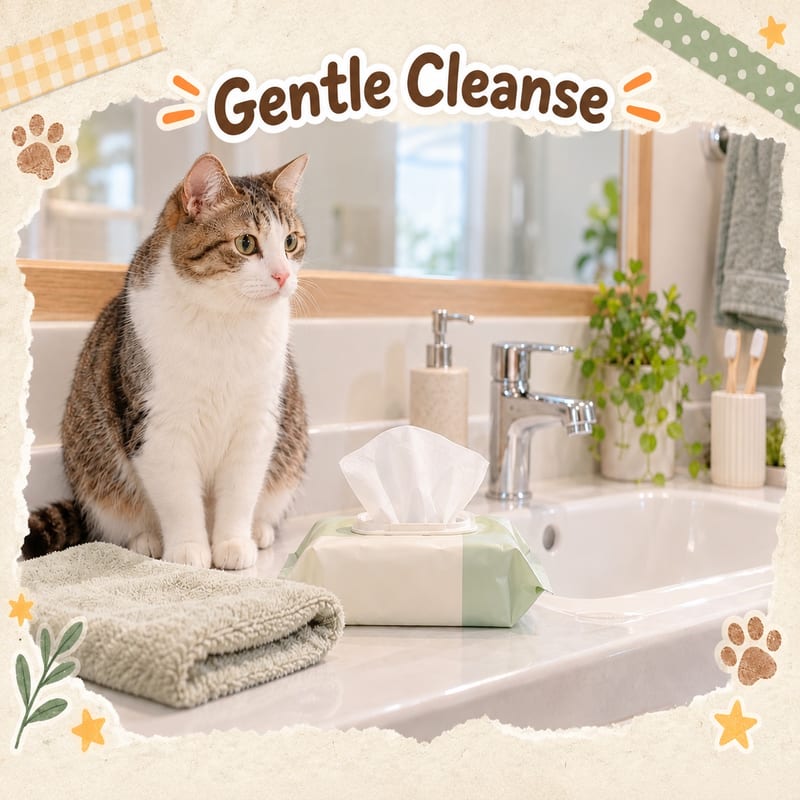
Groom and wipe the cat regularly: daily brushing reduces floating hair carrying Fel d 1; wiping the cat with a slightly damp towel or pet-safe cleaning wipes reduces dander.
-
Clean the home diligently: mattresses, sofas and curtains are allergen hotspots. Vacuum weekly with a HEPA-filtered vacuum and wash bedding in water above 60°C.
-
Personal hygiene habits: wash hands after touching the cat, avoid rubbing your eyes with your hands, and change clothes after close contact with the cat.
-
Choose low-dust cat litter: dust near the litter box stirs up dander; choose low-dust, low-fragrance cat litter and scoop the litter daily.
-
Let non-allergic household members handle cleaning: litter changing, grooming and washing cat beds should be done by non-allergic members as far as possible.
Allergy relief methods: medication and daily care
When symptoms flare up, consider the following relief methods (consult a doctor before using medication):
- Antihistamines: relieve common symptoms such as sneezing, runny nose and itchy skin.
- Saline nasal rinse: washes allergens out of the nasal passages; suitable for mild congestion.
- Eye drops / artificial tears: dilute allergens in the eyes and relieve itching and redness.
- Nasal steroid spray: for persistent congestion; requires a doctor's prescription.
- Desensitisation therapy (immunotherapy): a long-term option that gradually acclimatises the body through regular injections of tiny amounts of allergen; courses usually last 3–5 years and suit people with severe symptoms who insist on keeping a cat.
⚠️ This article is for reference only and cannot replace a doctor's diagnosis. If symptoms persist or worsen, seek medical help promptly.

Further reading
- 12 cat breeds: personality and price comparison →
- Common diseases, preventive care, vet information →
- Hong Kong flea allergy, mange and ringworm symptoms + prevention at a glance →
- Complete guide to cat ringworm symptoms, treatment and prevention in Hong Kong →
- Cat ear mite guide →
- Cat kidney disease →
- Cat dental care →
- How to choose a litter box? 2026 Hong Kong litter box guide →
📌 Key summary
-
✅ Fel d 1 protein is the culprit; cat hair is just a carrier
-
❌ Hairless cats ≠ zero allergy; Sphynx still secretes Fel d 1
-
✅ Siberian, Balinese and others have lower Fel d 1 levels
-
❌ Environmental residue can last months; removing the cat may not solve it immediately
-
✅ Female or neutered male cats secrete less
-
✅ Get a skin prick or IgE blood test first to confirm the allergen
-
✅ The real culprit behind cat allergy is Fel d 1 protein, not cat hair
-
✅ Symptoms cover eyes, nose, skin and respiratory tract; seek medical help immediately for difficulty breathing
-
✅ 'Sudden allergy' is common and related to changes in immune status
-
✅ Female and neutered male cats have lower Fel d 1 levels
-
✅ Siberian and Balinese are popular choices with lower Fel d 1 secretion
-
✅ Cat-free bedroom + HEPA air purifier + regular cleaning are the three main lines of defence
-
❌ There is no 100% allergy-free breed; always test by direct contact before deciding
Frequently asked questions
Q: How is cat allergy related to nasal allergy and asthma? A: The same type of allergen can trigger different manifestations: nasal allergy commonly causes congestion, sneezing and itchy eyes, while asthma causes wheezing, chest tightness and difficulty breathing. If difficulty breathing or persistent wheezing occurs, seek medical help immediately and do not rely on environmental control alone.
Q: Can bathing or wiping the cat reduce cat allergy? A: It can temporarily reduce Fel d 1 in the environment but is not a helps manage. A more practical approach is a combination: daily wiping or grooming (done by a non-allergic person), a HEPA air purifier, frequent bedding changes and fewer fabric furnishings.
Q: What can I do if I discover an allergy after getting a cat and don't want to give up? A: First get an allergy test to confirm the allergen, then manage by zones: make the bedroom a no-go area, use an air purifier, wet-mop floors daily, and discuss medication or immunotherapy with a doctor if necessary. Also ensure someone can help with the cat's care and environmental cleaning.
Q: Can I still keep a cat if I'm allergic? A: Yes. Most people with mild to moderate allergies can live with a cat by choosing a low-Fel d 1 breed, setting up a cat-free bedroom, using a HEPA air purifier and cleaning regularly. Those with severe asthma should consult a doctor first.
Q: What are the symptoms of cat allergy? A: The most common are sneezing, runny nose, itchy red eyes and skin rashes or hives. More severe cases cause coughing, chest tightness and difficulty breathing — seek medical help immediately if respiratory symptoms appear.
Q: Why did I suddenly become allergic after years of keeping cats? A: Allergies can 'switch on' at any age. Immune system changes, stress, allergen build-up to a threshold, or poorer ventilation can all trigger a latent sensitivity. Get an allergy test to confirm.
Q: Is there a cat breed that never causes allergies? A: No. All cats produce Fel d 1; so-called low-allergen breeds (such as Siberian, Balinese, Devon Rex) simply produce relatively less. Before deciding, spend at least 30 minutes with the cat in person to observe your reaction.
Q: Are male or female cats less likely to cause allergies? A: Female cats and neutered male cats generally have lower Fel d 1 levels. Unneutered males have the highest levels due to male hormones. Allergy sufferers should prioritise female or neutered male cats.
Q: How is a cat allergy test done and how much does it cost? A: There are two main types: a skin prick test (results in about 15–20 minutes) and a blood IgE test, available at private clinics or laboratories. Ask the clinic directly for pricing.
Q: How long after removing the cat will allergens in the home disappear? A: Fel d 1 dander can stick to furniture and walls and remain for months. Thorough cleaning (including washing curtains and bedding and deep vacuuming) and good ventilation can speed up removal.
Q: Can we still keep a cat if a child is allergic? A: It depends on symptom severity. Mild allergies can improve with environmental management; if the child has asthma or persistent symptoms, consult a paediatrician before deciding.
Q: Can you keep a cat if you're allergic to cat hair? A: Yes. Most people with mild to moderate allergies can live with a cat by choosing an individual with lower Fel d 1 secretion, setting up a cat-free bedroom, using a HEPA air purifier and cleaning regularly; if you have asthma or persistent symptoms, consult a doctor first.
Q: Is it better to choose a low-allergen breed or keep a regular domestic cat with environmental control? A: The two can be combined. A low-allergen breed means choosing an individual with lower Fel d 1 secretion, costing about HK$800–1,500 per month plus environmental control expenses; a regular domestic cat with environmental control (cleaning, HEPA air purifier, cat-free bedroom) costs about HK$200–600 per month and usually shows results in 2–4 weeks. The most practical combination is a low-secretion individual plus a cat-free bedroom plus a HEPA purifier.
Sources: American College of Allergy, Asthma & Immunology (ACAAI) cat allergy information, Mayo Clinic pet allergy guide, World Allergy Organization (WAO) allergen research. This article is for reference only and cannot replace professional medical diagnosis.
PetChill's Reminder: Being allergic to cats doesn't mean you can't have one! Understand the real cause of the allergy, choose a suitable breed and keep up daily environmental cleaning, and you have a good chance of enjoying wonderful times with your feline friend.
 Fuji One full guide →


 Feline Natural full guide →