
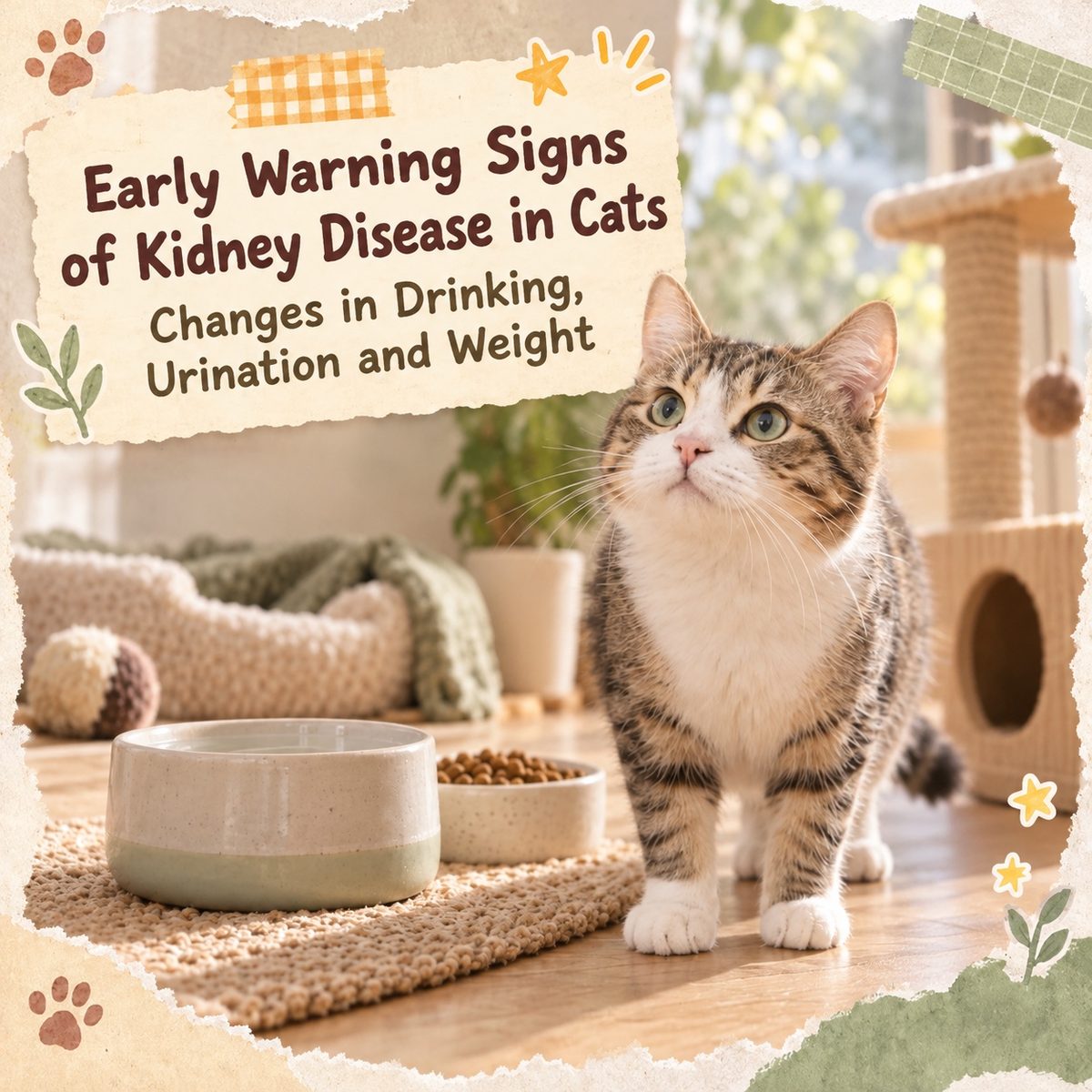
Quick answer: Early warning signs of kidney disease in senior cats are increased thirst, increased urination, and ongoing weight loss. Blood and urine tests for cats over 7 years old catch it early. Daily measures include encouraging water intake, feeding high-quality low-phosphorus food, and avoiding nephrotoxins like lilies. Once diagnosed, a prescription renal diet plus regular follow-ups can slow decline and maintain quality of life.
Cat kidney disease is a common serious illness in senior cats—kidney function declines and cannot filter toxins. Early symptoms are not easy to notice, so understanding them is key to early detection. This article covers symptoms, prevention, and care for cat kidney disease.
What is cat kidney disease?
Cat kidney disease (chronic kidney disease) means kidney function gradually declines, unable to properly filter toxins and regulate body fluids. It is common in senior cats (7+) and is one of the main causes of death in older cats.
The scary part of kidney disease is its strong compensatory ability: in the early stages of damage, remaining nephrons keep working, and the cat appears completely normal. By the time toxins accumulate and symptoms are obvious, most function is often already lost. That's why chronic kidney disease is called a "silent disease"—early detection relies entirely on owner observation and blood tests.
Early symptoms of kidney disease (easily overlooked):
- Increased thirst—drinking a lot more, water bowl empties faster
- Increased urination—urine volume increases greatly, litter clumps become larger and more numerous
- Poor appetite—eating less and becoming picky
- Weight loss—continuing to lose weight, spine protruding
- Vomiting—occasional vomiting, especially clear fluid
- Bad breath—urine-like odour in the mouth
- Poor coat—dull, scruffy fur, lots of dandruff
- Low energy—hiding, no longer jumping or playing
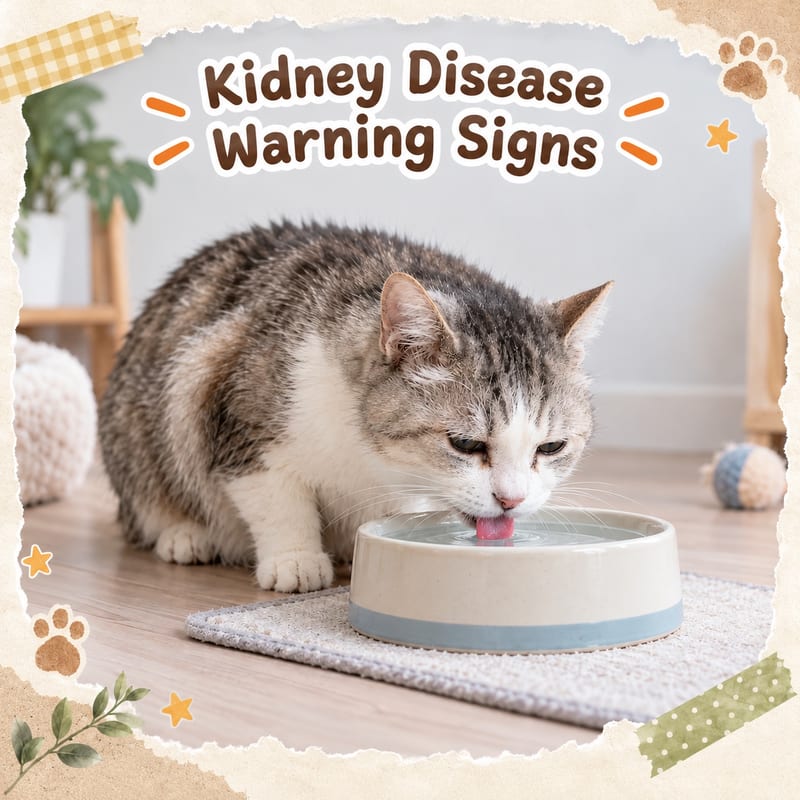
⚠️ Important: Cat kidney disease is hard to detect early—symptoms only appear after most kidney function is lost. Increased thirst, increased urination, and weight loss are common early warning signs. Senior cats (7+) should have annual blood tests (creatinine, BUN) for early detection.
How to detect cat kidney disease early? Blood and urine tests for proper screening
Chronic kidney disease cannot be diagnosed by eye alone; proper screening involves two things:
- Blood test—check kidney values (creatinine, BUN) and electrolytes to see if toxins have accumulated
- Urine test—check urine concentrating ability; a drop in urine specific gravity is often the earliest change
Recommended schedule:
| Age / Condition | Check frequency |
|---|---|
| Under 7 years, no symptoms | Annual health check |
| Senior cats over 7 | Annual blood + urine test |
| Diagnosed kidney disease | Follow-up every 3–6 months, as directed by vet |
Also, keep a pet scale at home, weigh your cat every two to three weeks and record the number. Weight trend is the most direct early signal; bring it to follow-ups for the vet's reference—much more useful than just saying "seems to have lost weight" from memory.
How to prevent cat kidney disease?
1. Encourage water intake (most important)
- Use a water fountain (flowing water)
- Feed wet food (adds moisture)
- Multiple water bowls in different locations, change water daily
2. Feed high-quality food
- Choose high-quality food (reduces kidney burden)
- Watch phosphorus levels—excess phosphorus accelerates kidney damage
3. Control weight
- Obesity increases metabolic stress; feed measured meals at set times
4. Avoid nephrotoxic substances
- Lilies—highly toxic to cats' kidneys; never keep them at home
- Accidental medication ingestion—human painkillers are poison to cats; never give them on your own
- Antifreeze (ethylene glycol)—sweet-tasting liquid; clean up spills immediately and store safely
5. Reduce stress
- Moving house, new family members, and other stresses indirectly affect water intake and urinary health; keep the environment as stable as possible
Tip: Kidney disease prevention—encouraging water intake (fountain, wet food) is key, plus high-quality food and weight control. Avoiding nephrotoxins (lilies, medications, antifreeze) is super important. Annual blood tests for senior cats enable early detection.
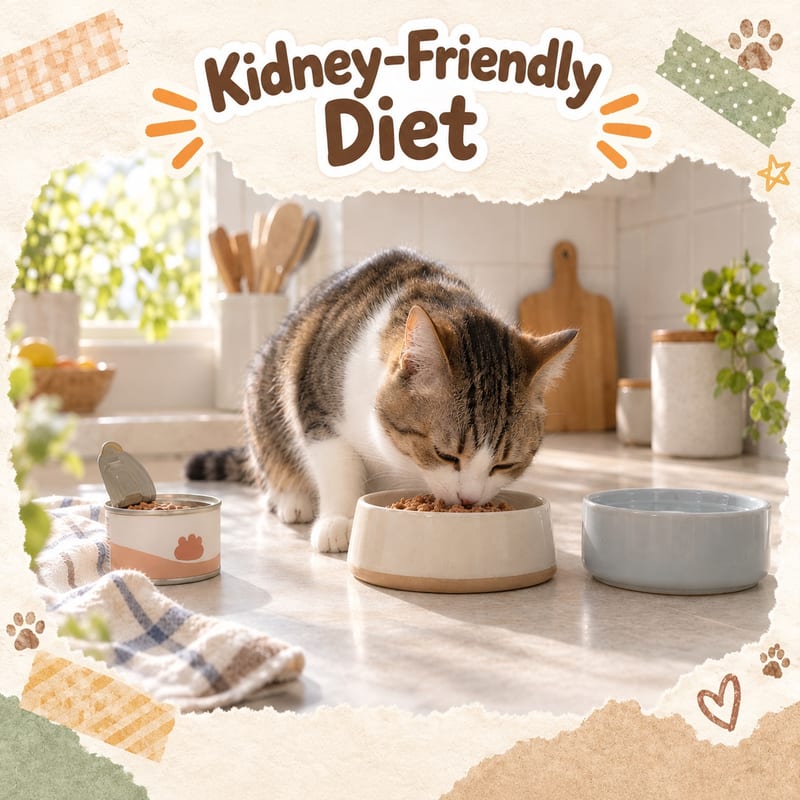
How to protect kidneys through diet?
Diet is most directly linked to kidneys; let's split into "prevention before illness" and "care after diagnosis":
Daily diet before illness:
- A feeding pattern with a high proportion of wet food is like "flushing more water" through the kidneys daily
- High-quality protein, moderate phosphorus—cheaper is not better; food with unknown nutrition adds burden
- Never feed human strong-flavoured food or high-salt snacks
Dietary adjustments after diagnosis:
| Adjustment | Purpose | How |
|---|---|---|
| Low phosphorus | Slow kidney decline | Switch to vet-prescribed renal diet |
| High-quality moderate protein | Reduce toxin production | Do not drastically reduce food on your own |
| Increase moisture | Combat dehydration | Wet food + warm water mixed in |
| Adequate calories | Combat weight loss | Small frequent meals, maintain weight |
Reminder: Transition to renal diet slowly (over 7–10 days). Kidney disease cats often have poor appetite; a sudden switch may cause them to stop eating entirely. If the cat refuses prescription food, discuss strategies with your vet first—don't force it.
Care methods for cat kidney disease
After diagnosis, the goal is to slow decline and maintain quality of life:
1. Vet-prescribed renal diet
- Low phosphorus, low protein—reduces kidney burden
2. Encourage water intake
- Fountain, wet food, multiple water bowls
3. Subcutaneous fluids (follow vet instructions)
- Moderate to advanced kidney disease cats are prone to dehydration; your vet may teach you to give subcutaneous fluids at home
4. Regular follow-ups
- Blood tests to monitor kidney values and adjust care plan accordingly
5. Watch quality of life
- Provide a quiet, comfortable, warm environment
- Litter box easy to access; don't force a sick cat to climb high
After diagnosis: moving forward with your cat
Chronic kidney disease cannot be reversed, but with staged management many cats can maintain a good quality of life for a long time. The owner's role has three levels:
Daily level (every day):
- Observe four things: drinking, urination, appetite, energy; note dates of any abnormalities
- Ensure multiple clean water bowls; mix warm water into wet food to increase intake
- Small frequent meals; maintaining weight is the first indicator of kidney protection
Medical level (weekly to monthly):
- Give medications/fluids as directed by the vet; do not adjust on your own
- Weigh weekly; trend is more important than a single number
- If vomiting worsens or the cat suddenly refuses food, see the vet earlier; don't wait for the appointment
Mindset level (long term):
- Kidney disease is a marathon, not a sprint—compare your cat to itself last month, not to a healthy cat
- Keep all follow-up reports in one folder (physical or cloud) so treatment decisions are evidence-based
Senior cats naturally have a slower pace; adjusting the environment to make things easier—food and water within reach, shallow easy-entry litter box, warm quiet sleeping spot—is itself one of the best forms of care.
When to see a vet?
If any of the following occur, seek veterinary care promptly; don't wait a few more days:
- Drinking and urination suddenly increase significantly, lasting over a week
- Continuous weight loss, obvious thinness
- Poor appetite for over 24 hours, repeated vomiting after eating
- Bad breath with urine odour, extremely low energy, hiding and unwilling to move
- A diagnosed kidney disease cat suddenly refuses food or weakness worsens
Conclusion: Cat kidney disease is a common serious illness in senior cats, hard to detect early—increased thirst and weight loss are warning signs. Annual blood tests for senior cats (early detection). Prevention: encourage water intake, high-quality food, avoid nephrotoxins. Care: vet-prescribed renal diet + encourage water + regular follow-ups can slow decline and maintain quality of life. If you see increased thirst or weight loss, seek veterinary care early.
What you can do starting today
- Observe one cat's water intake and litter clump changes for a week; note any abnormalities
- Book annual blood and urine tests for cats over 7
- Check home for lilies, human medications, antifreeze, and other nephrotoxins
- Add a water fountain or gradually introduce wet food
- Buy a pet scale and record weight trend every two to three weeks
Kidney protection starts with the food and water bowls; choosing the right daily diet is the first step owners can take—PetChill cat food reviews have nutritional data at various price points for reference.
This article is for reference only; consult a registered veterinarian for any concerns.
🟢🟡🔴 Red-flag triage table: when kidney-related symptoms need immediate vet care
| Observation | 🟢 Regular monitoring + clinic follow-up | 🟡 See vet within 24–48 hours | 🔴 Immediate emergency |
|---|---|---|---|
| Drinking/urination | Slightly increased drinking, slightly more urine | Obvious increased drinking and urination, urine volume doubled | No urine at all / only small drops (possible urethral obstruction) |
| Weight | Stable | Drop of more than 5% in 3 months | Rapid weight loss, ribs clearly protruding |
| Appetite | Normal or slightly reduced | Noticeably decreased appetite, picky | Complete refusal to eat for over 24 hours |
| Energy | Normal | Tired, reduced activity | Extremely weak, unable to stand, unresponsive |
| Mouth | Mild bad breath | Obvious bad breath (urine odour), oral ulcers | Severe oral ulcers, drooling, not eating at all |
| Vomiting | Occasional once | Repeated vomiting, vomiting after eating | Continuous vomiting, vomit with blood or coffee-colour |
| Coat/skin | Slightly poor coat | Messy fur, increased dandruff | Severe dehydration (skin doesn't spring back), sunken eyes |
| Neurological signs | None | Weakness in hind legs | Seizures, coma, severe weakness (electrolyte imbalance) |
IRIS staging framework: how vets classify kidney disease severity
IRIS (International Renal Interest Society) is the internationally used staging system for chronic kidney disease in veterinary medicine, to standardise communication and guide treatment:
| Stage | Description | Management focus |
|---|---|---|
| Stage 1 | Kidney abnormality but no obvious azotaemia | Monitoring, risk factor control, regular rechecks |
| Stage 2 | Mild decrease in kidney function | Start renal prescription diet, monitor blood pressure and urine protein |
| Stage 3 | Moderate decrease in kidney function | Aggressive management of complications (anaemia, electrolytes, acid-base balance) |
| Stage 4 | Severe decrease in kidney function | Intensive supportive care, quality of life priority |
Staging is based on: blood creatinine, SDMA and other markers, and requires substaging—assessment of blood pressure and urine protein (UPC). Staging criteria are continuously updated by IRIS; specific values and staging must be determined by a vet according to the latest version. This article does not list values to avoid misleading.
Reference: IRIS Staging System (official)
Subcutaneous fluid tutorial (must be demonstrated by a vet first)
For kidney disease cats needing long-term hydration, vets may recommend home subcutaneous fluids. Principles of the procedure:
- Vet demonstration: A vet or nurse must personally demonstrate and confirm your technique is correct; you cannot learn from the internet and start on your own
- Preparation: Fluid type (vets commonly use balanced electrolyte solutions such as Hartmann's/Lactated Ringer's), needles, and each dose must all be specified by the vet
- Site: Subcutaneous space between the shoulder blades (not a blood vessel)
- Observation: Watch for leakage, swelling, pain, or signs of infection
- Record and follow-up: Record each dose and the cat's response; regular follow-ups for the vet to assess efficacy and adjust the plan
Do not purchase fluids or needles on your own, and do not decide dosage or frequency yourself. Overhydration can cause cardiac overload and pulmonary oedema.
Frequently asked questions
Q: Can cat kidney disease be cured? A: Chronic kidney disease (CKD) is usually irreversible, but dietary management, hydration, medication, and regular monitoring can greatly slow progression, allowing cats to maintain a good quality of life for a long time. The key is early detection—most cats show no obvious symptoms until about two-thirds of kidney function is lost. So regular blood and urine tests for senior cats are very important.
Q: Why drink more water? How to encourage? A: The kidneys concentrate urine; when function declines, cats need to excrete more water, making dehydration easy, creating a vicious cycle. Ways to encourage drinking: use flowing water fountains, place multiple water bowls (away from litter box), feed wet food or complete wet food (about 75–80% moisture), add water or unsalted broth to canned food, provide wide shallow dishes. Vets may also recommend subcutaneous fluids.
Q: Does prescription renal food really help? A: For cats diagnosed with CKD, vets usually recommend renal prescription diets, mainly by controlling phosphorus, moderately restricting protein, supplementing Omega-3, etc. to reduce kidney burden. Research and clinical experience show prescription food helps slow progression. But it must be decided by the vet based on the cat's stage and overall condition, and palatability matters—if the cat won't eat it, it's useless.
Q: What is IRIS staging? A: IRIS (International Renal Interest Society) staging is the internationally used veterinary staging system for chronic kidney disease, based on blood creatinine and SDMA, along with blood pressure and urine protein, dividing kidney disease into stages 1 to 4 to guide treatment and prognosis. Staging must be done by a vet.
Q: When should senior cats start blood tests? A: Generally recommended for cats over 7 years to have a complete physical exam and blood/urine tests every 6–12 months; more frequently for those over 10. Besides creatinine, SDMA can reflect kidney function changes earlier. Also test thyroid (common hyperthyroidism in senior cats) and blood pressure.
Q: When is it definitely an emergency? A: Any of the following: no urine at all or only small drops, continuous vomiting, complete refusal to eat for over 24 hours, severe weakness unable to stand, seizures or unconsciousness, severe oral ulcers with bleeding. These may be acute kidney injury or severe electrolyte imbalance and require immediate fluid therapy.
Q: What PetChill products can help kidney disease cats? A: PetChill HK offers prescription renal diets, high-moisture complete wet foods, flowing water fountains, wide shallow dishes, electronic pet scales (for weekly tracking), and home supplies for subcutaneous fluids (to be used under vet guidance). Self-pickup is available at Fo Tan, Yuen Long, and Fanling stores.
Sources
- International Cat Care — Chronic kidney disease (CKD) in cats — causes, symptoms, diagnosis, and long-term management of feline CKD
- IRIS (International Renal Interest Society) — IRIS Staging System — internationally used staging criteria for chronic kidney disease
Disclaimer
This article is general pet health information and cannot replace veterinary diagnosis or treatment. Staging of chronic kidney disease, prescription diet choices, and medications (including fluid protocols) must be determined by a registered veterinarian based on blood test results. Never adjust prescription food or use human hydration products on your own. If your cat has no urine at all, continuous vomiting, refuses food for over 24 hours, or has seizures, go to a 24-hour emergency animal hospital immediately.
Hong Kong veterinary fee reference (published on clinic websites)
- Hong Kong Leo Animal Medical Centre (LAMCVET, Yau Ma Tei): Basic consultation $350 | Night consultation $600 | Emergency consultation $600 | Referral consultation $600 (official fee schedule)
- Creature Comforts (East District Animal Hospital / Tseung Kwan O Veterinary Clinic): Tseung Kwan O from $420 | East District daytime (8am–9pm) from $370 | Evening (9pm–12am) from $550 | Late-night emergency (12am–8am) from $1,100 | Home visit from $1,050 (official information)
Consultation fees only cover history taking and basic examination; blood tests, imaging, medications, hospitalisation, etc. are extra and quoted by the clinic based on actual needs. Prices are subject to the clinic's latest announcement; this article is for reference only.
Disclaimer
This article is general pet health information and cannot replace veterinary diagnosis or treatment. Every cat's condition, medical history, and medication contraindications are different; any symptom assessment and treatment plan (including drug types, dosages, and duration) must be determined by a registered veterinarian after an in-person examination. If your cat shows red-flag symptoms in this article, go to a veterinary clinic or 24-hour emergency animal hospital immediately. Fee information is excerpted from clinic official websites; prices may change at any time and are subject to the clinic's latest announcement.
Further reading
PetChill Pet Health Team — Hong Kong's most authoritative pet knowledge platform
- Cat abnormal breathing warning signs →
- Cat night vision and eyesight →
- Cat poop observation guide →
- Cat hairball complete guide →
- Cat symptom self-check guide (12 major symptoms quick reference + red-flag triage table) — compare severity of various symptoms at a glance
📌 Key summary
- ✅ Increased thirst, increased urination, and weight loss are the earliest warning signs
- ✅ Blood + urine tests annually for cats over 7 catch the disease
- ✅ Encourage water intake: fountain, wet food, multiple water bowls
- ❌ Keep lilies, human painkillers, antifreeze at home
- ❌ Suddenly switching food or force-feeding prescription food to a kidney disease cat