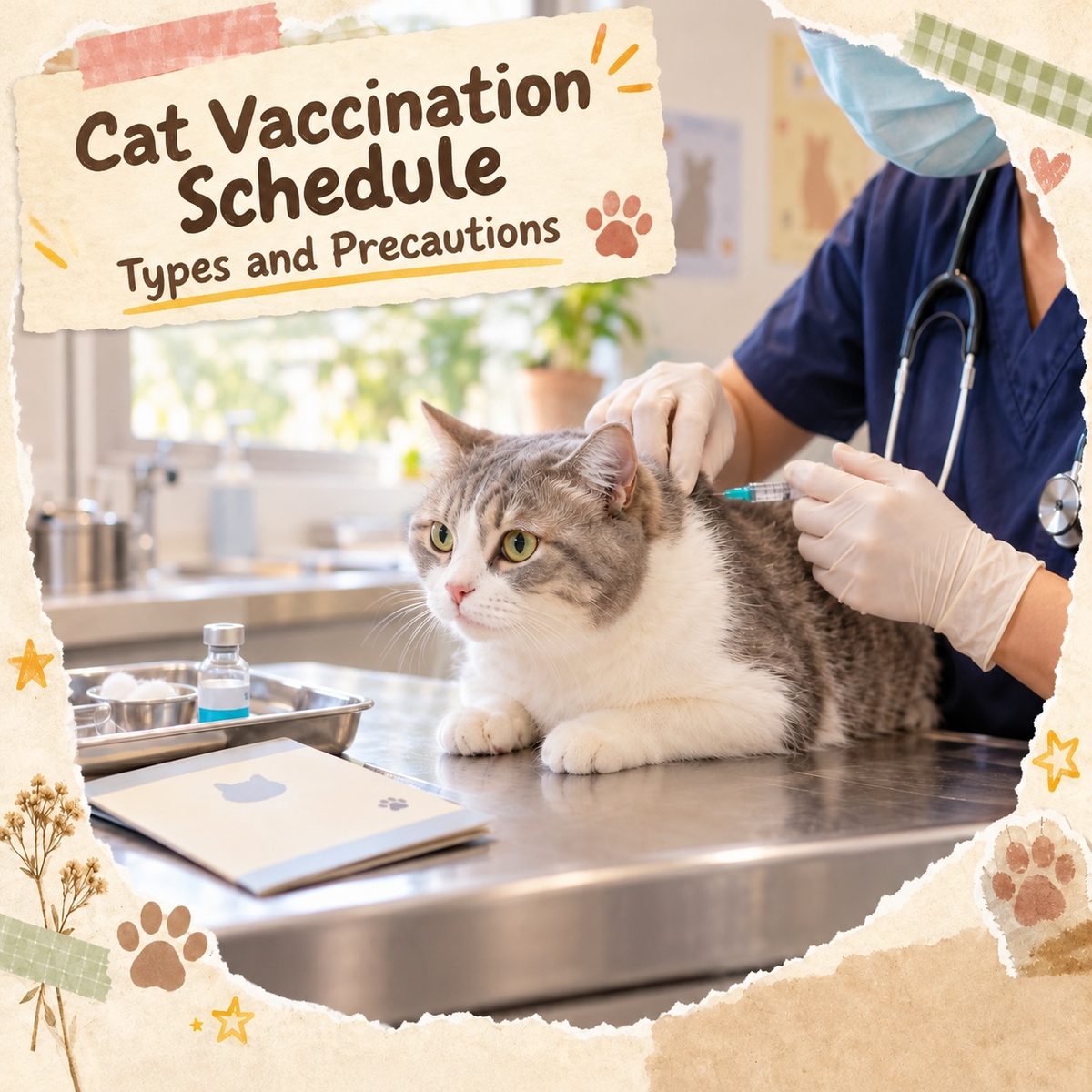
Quick answer: Cats in Hong Kong must have the core FVRCP (trivalent) vaccine plus rabies. Kittens start at 8 weeks with one dose every 3–4 weeks, completing the final dose at 16 weeks, after which annual boosters or antibody testing are given as advised by the veterinarian; before the course is complete, never take your cat outside or let it meet unfamiliar cats.
Cat vaccines centre on the core FVRCP vaccine (feline panleukopenia + rhinotracheitis + calicivirus) plus rabies: most kittens start at 8 weeks, receive one dose every 3-4 weeks for 2-3 doses in total, with the final dose at 16 weeks, after which annual boosters or antibody testing follow veterinary advice. Before the course is complete, do not let the kitten go outside or meet other cats. This article explains vaccine types, the vaccination schedule, pre- and post-jab precautions and how to handle adverse reactions.
Why do cats need regular vaccinations?
Vaccines are the most effective way to protect cats from serious infectious diseases. These diseases share several features: highly contagious, no specific treatment, high risk of fatality, so prevention is far more practical than treatment:
- Feline panleukopenia — the virus is extremely persistent in the environment and can survive for a long time at home; unvaccinated cats can deteriorate rapidly after infection
- Feline rhinotracheitis, feline calicivirus — the most common upper respiratory infections, with sneezing, nasal discharge and oral ulcers, easily transmitted through close contact
- Rabies — a zoonosis that is almost impossible to save once symptoms appear, so routine vaccination is generally recommended by veterinarians
Multi-cat households, cats that go to boarding or go out for walks have higher exposure; even for cats that stay home all day, viruses can be brought in on shoe soles, clothing and shared areas of the building. Vaccines not only protect your own cat but also reduce overall epidemic risk in a multi-cat community.
Tip: Do not assume 'my cat never goes out so there is zero risk'. Indoor cats have lower infection risk, but not zero, and completing the core vaccines is still recommended; discuss the details with your veterinarian.
What vaccines does a cat need? Core and non-core
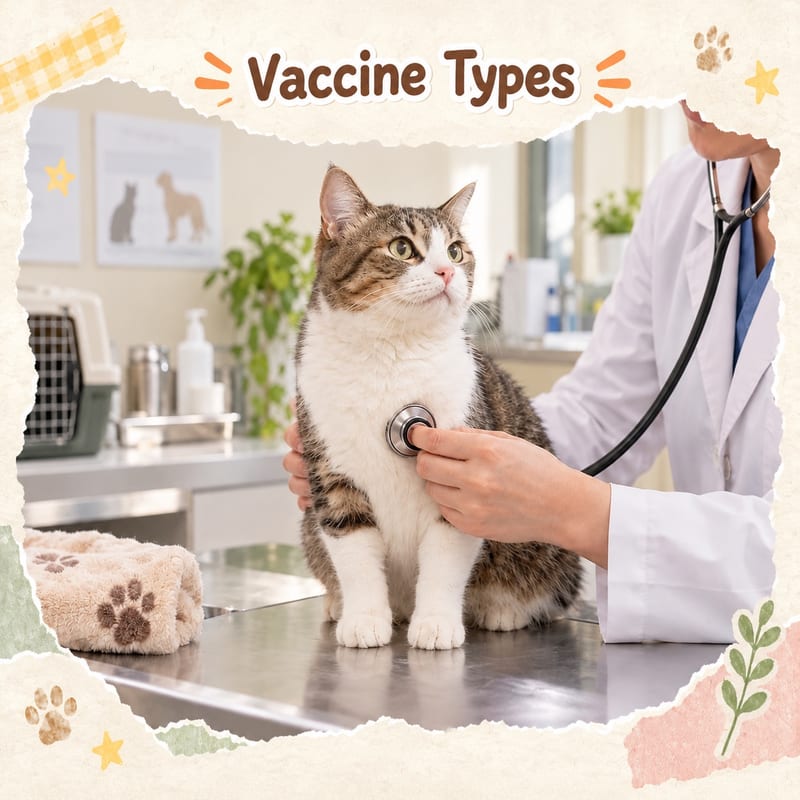
Cat vaccines are divided into core vaccines (recommended for all cats) and non-core vaccines (depending on lifestyle):
| Category | Vaccine | Coverage / suitable for |
|---|---|---|
| Core | FVRCP (trivalent) | Feline panleukopenia + rhinotracheitis + calicivirus |
| Core | Rabies | Routine vaccination generally recommended by veterinarians |
| Non-core | FeLV (feline leukaemia virus) | Outdoor cats, multi-cat households |
| Non-core | FIV (feline immunodeficiency virus) | Depends on the situation; follow veterinary assessment |
How to choose? For indoor cats, core vaccines are generally sufficient; for cats that go outside, meet other cats or live in multi-cat households, the veterinarian may recommend non-core vaccines. Before choosing, explain your cat's lifestyle clearly — whether it goes out, whether it goes to boarding, whether there are other unvaccinated cats at home — so the veterinarian can tailor the plan.
How is the kitten vaccination schedule arranged?
Most kittens start vaccination at around week 8, with a common arrangement as follows (in practice according to the clinic's arrangement):
| Time | What is given |
|---|---|
| 8 weeks | First FVRCP dose |
| 12 weeks | Second FVRCP dose |
| 16 weeks | Final FVRCP dose + rabies |
| After that | Booster one year later, or antibody testing as advised by the veterinarian |
Why do kittens need several doses? Because maternal antibodies may remain in the kitten and interfere: antibodies passed from the mother through colostrum can 'mask' the vaccine, so the first dose may not produce sufficient protection. That is why repeat vaccination every 3-4 weeks is needed to ensure the final dose takes effect after maternal antibodies have waned, which is also why the 16-week dose is particularly important.
Tip: Remember two principles — one dose every 3-4 weeks, with the final dose at week 16. Before the course is complete, do not take the kitten outside or arrange for it to meet unfamiliar cats; for newly adopted cats, confirm the vaccination record before introducing them to other cats.
Adult cat boosters: annual jabs or antibody testing?
After completing the kitten vaccines, most arrangements include a booster one year later, followed by annual boosters according to clinic practice; some veterinarians may also recommend antibody testing to decide when to booster based on the cat's lifestyle (generally assessed every 1-3 years). Which arrangement suits best depends on the cat's health and exposure risk; asking the attending veterinarian directly is safest.
Several common situations:
- Forgot and overdue — no need to start over, but contact the clinic as soon as possible to follow up on the booster arrangement
- Adopted adult cat with no record — do a health check first, then restart the vaccination plan as advised by the veterinarian
- Preparing for neutering, travel or boarding — clinics usually require good vaccination status, so check the vaccination record early
Keep the vaccination record (vaccine booklet) safe: it may be needed for boarding, travel and insurance claims.
What to note before the jab?
- Healthy first — postpone during fever, illness or diarrhoea; inform the veterinarian in advance of pregnancy or lactation
- Health check — a proper clinic will assess demeanour, temperature and weight before vaccinating, and confirm suitability
- Be honest — tell the veterinarian about any past vaccine allergies, chronic illness or current medication
- Reduce stress — book an earlier time slot to avoid crowds, use a stable carrier with a blanket that smells of the cat inside
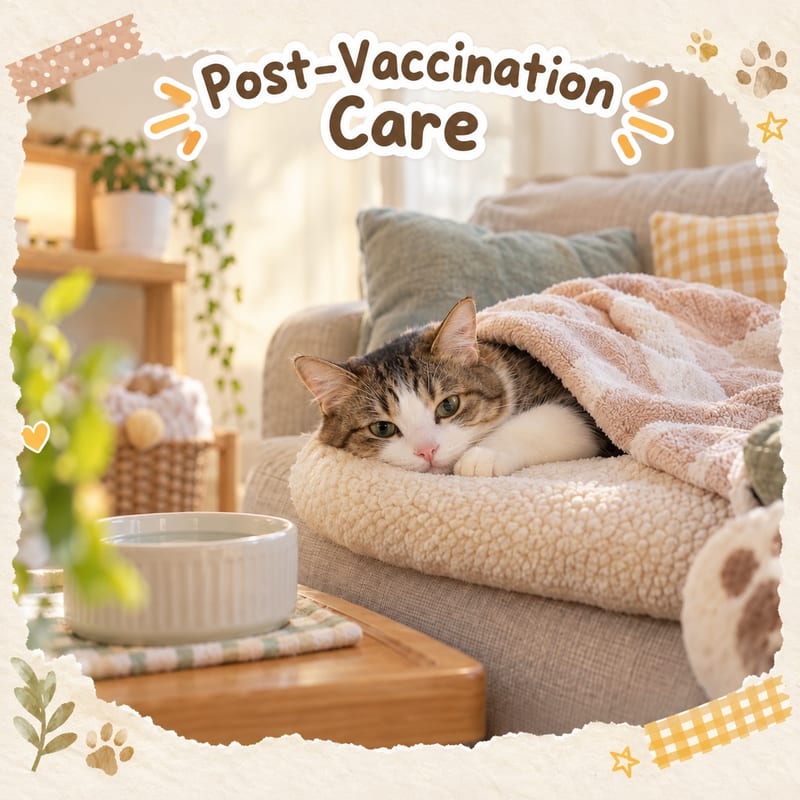
What to note after the jab?
Normal reactions (mostly resolve on their own within 1-2 days):
- Slightly lower energy, sleeping more
- Mild soreness at the injection site, not wanting to be touched there
- Mild fever, slightly reduced appetite
Warning signs (seek veterinary care immediately):
- Facial swelling, eye swelling, red itchy skin — acute allergic reaction
- Difficulty breathing, panting, pale gums — signs of impending shock; every second counts
- Persistent vomiting, fainting
- Fever or lethargy not improving after 48 hours
Tip: Do not leave immediately after the jab; stay at the clinic for 15-30 minutes before leaving. Let the cat rest quietly at home that day, do not bathe it or play vigorously, and check the injection site and demeanour regularly.
When to see a veterinarian?
- Facial swelling, difficulty breathing, persistent vomiting, fainting after the jab — seek veterinary care immediately, do not wait a second
- Fever or lethargy lasting more than 48 hours without improvement
- A lump at the injection site that is growing, hardening, inflamed or oozing, or not resolving after several weeks
- A kitten that becomes ill before completing its jabs (vomiting, diarrhoea, heavy eye or nasal discharge)
- A cat with a chronic illness or on medication should consult the veterinarian before scheduling vaccination
What you can do starting today
- Take out your cat's vaccination record, check the next booster date and write it on the calendar
- If you have adopted a cat with no record, book a veterinary check first and then decide on the vaccination plan
- Note changes in your cat's demeanour and appetite before and after the jab, to help the veterinarian follow up
- Clean and dry the carrier after use so it is ready for the next trip
In the few days before and after the jab, your cat's appetite may drop slightly; keeping the diet good and consistent is enough, and there is no need to rush a food change; to build a good nutritional foundation for your cat, see PetChill's cat food reviews and feeding guides.
This article is for reference only; consult a registered veterinarian for any concerns.
Further reading
Hong Kong small-flat practicalities: a 7-day checklist before and after the jab
Hong Kong homes are small and cats are already stressed, so following these 7 steps before and after the jab can minimise risk and hassle.
3 days before the jab
- Book a morning slot: Hong Kong clinics are least crowded in the morning, reducing queue stress; check live crowd levels on Google Maps before heading out.
- Carrier rehearsal: Put the carrier in the living room as a cat bed, lined with a towel the cat usually sleeps on, so the cat associates the carrier with security.
- Check the vaccination record: Take out the record and photograph it as a backup, then write the 'next due date' in your phone calendar and set an alarm.
On the day of the jab
- Fast for 2 hours before going out: In case of car sickness and vomiting, the cat will not choke; but keep giving water to keep the throat moist.
- Bring a small towel: If the cat is nervous and sweaty, you can wipe it down to cool it; keep the towel with the clinic's scent and put it in the carrier at home to soothe the cat.
4 days after the jab
- Set up a quiet rest area: Hong Kong living rooms are small, so use a bookshelf or the top of a wardrobe as a 'high quiet rest spot', with water and a litter tray, to reduce disturbance from dogs or children.
- Quick check 3 times a day: Once in the morning, once after work and once before bed; use a phone light to check the injection site for redness or swelling, watch appetite and bowel and bladder movements, and if anything is abnormal, immediately WhatsApp a photo to the clinic to ask the veterinarian.
Just follow these 7 steps, and even in a 300 sq ft flat, your cat's vaccination can go smoothly.
🩺 2026 update: vaccine calendar (extractable table)
The calendar listed in the book 'The Science of Your Cat', copied directly into a table for easy checking with your veterinarian:
| Vaccine type | First vaccination | Subsequent vaccinations | Repeat vaccination |
|---|---|---|---|
| Cat flu | Week 8 | Weeks 12, 16; month 15 | Annually |
| Feline panleukopenia (cat plague) | Week 8 | Weeks 12, 16; month 15 | Every three years |
| Rabies (outdoor cats) | Week 12 | Week 16; month 15 | Every 1-3 years |
| Feline infectious peritonitis (FIP), feline leukaemia (FeLV) | Depends on housing conditions and infection risk | — | As advised by the veterinarian |
Primary vaccines include all vaccines given between birth and 15 months of age; after 15 months comes the 'repeat vaccination' stage. The intervals in the table are marked with an asterisk: the vaccine manufacturer's information is definitive.
Before and after vaccination: do's and don'ts (book checklist)
- Before vaccination: Confirm the cat is healthy (do not vaccinate if unwell); confirm no parasites; deworm 2-4 weeks before repeat vaccination.
- On the day of vaccination: Keep things quiet; do not arrange stressful events such as going out, moving house or changing food.
- After vaccination: Observe for a full day; avoid strenuous exercise and jumping for 2-3 days.
- Pregnancy: Cats must not be vaccinated during pregnancy.
- Get the certificate: After vaccination the veterinarian will issue a vaccination certificate, which is usually required when boarding at a pet hotel; keep it safe.
- Antibodies: The book states that active immunity takes about 2-3 weeks to form sufficient protection, so a jab does not mean the cat can go to high-risk environments the next day.
Deciding for indoor cats, senior cats and multi-cat households
The book makes a key point: every vaccination is a burden on the cat's immune system, so decide what to vaccinate and when according to the cat's actual needs.
- Indoor cats: Core vaccines are still recommended; whether to give rabies vaccine depends on whether the cat goes outside or has a chance to meet other animals.
- Multi-cat households / new cats: New cats should complete isolation and basic checks before entering the home, and vaccination records should be complete.
- Senior cats or those with chronic illness: Assessed by the veterinarian; do not decide on your own to add or stop vaccines.
Cost reference (Hong Kong, checked 2026-10)
- A single vaccine is about HK$300-600; a kitten's full primary course is about HK$1,500-2,500
- Rabies vaccine is separate, about HK$150-400
- All of the above are reference prices; actual charges depend on the clinic, vaccine brand and weight
How this fits with other items
- Deworming before vaccination → Pet deworming guide
- When to neuter → Cat neutering guide
- Symptoms of the diseases covered by vaccines → Kitten care guide
- When to do annual health checks → Pet annual health check
- For dog vaccination arrangements → Dog vaccine schedule
Related products (available in Hong Kong, checked 2026-10-13)
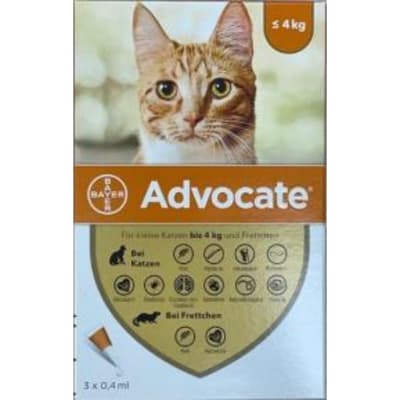
- Elanco (Bayer) Advocate spot-on for cats under 4kg, box of 3 pipettes — reference price HK$320 (topical spot-on, a veterinary/pharmacy product)
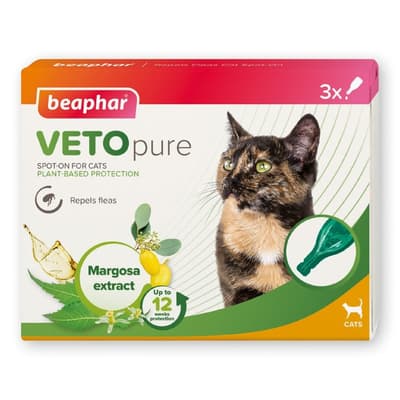
- Beaphar VETO pure natural spot-on for adult cats, box of 3 pipettes — reference price HK$111 (topical spot-on)
- Wang Miao Xing Qiu 100% PURE L-lysine 50g — reference price HK$98 (ingredient is L-lysine, a daily nutritional supplement, not a medicine)
References
- Agriculture, Fisheries and Conservation Department (AFCD) — Hong Kong pet health information
- Veterinary Surgeons Board of Hong Kong (VSBHK) — register of registered veterinarians
- Book references: 67 'The Science of Your Cat', 66 'Illustrated Guide to Cat Diseases', 74 'The Family Medicine Encyclopedia for Cats'
The above content is for reference only and cannot replace veterinary diagnosis and treatment. Please consult your registered veterinarian for vaccination plans, and the vaccine manufacturer's information is definitive.
📌 Key summary
- ✅ Core vaccines: FVRCP + rabies, recommended for all cats
- ✅ Kittens start at 8 weeks; completing the final dose at 16 weeks is safest
- ❌ Taking a cat out or letting it meet other cats before the course is complete is extremely risky
- ✅ Adult cats can have annual boosters or antibody testing; asking the veterinarian is most practical
- ❌ Facial swelling, difficulty breathing or persistent vomiting after the jab means seeing a veterinarian immediately
Frequently asked questions
Q: Do cat vaccines have side effects? How long should I observe after the jab? A: Common mild reactions include soreness or swelling at the injection site, lower energy and reduced appetite, mostly resolving on their own within 1-2 days. Watch for facial swelling, generalised hives, vomiting or difficulty breathing, which are acute allergic reactions requiring an immediate return to the clinic; staying at the clinic for 15-30 minutes after the jab is recommended.
Q: Do adult cats need annual booster vaccines? A: It depends on the vaccine type and lifestyle risk: most veterinarians recommend core vaccines every 1-3 years, and high-risk cats (those that go outside, multi-cat households) may need them more often. The actual interval is decided by the veterinarian based on the cat's age, health and exposure risk.
Q: Should a health check be done before vaccination? A: Yes. Vaccination is not suitable during fever, diarrhoea or obvious lethargy, and the veterinarian will usually do a basic examination (temperature, auscultation, weight) first; for newly adopted cats or cats of unknown origin, isolation and observation before scheduling vaccination is also recommended.
 Wellness Core full guide →
 Feline Natural full guide →