Quick answer: Puppies generally start their first shot at 6-8 weeks old, then get a booster every 2-4 weeks, completing the primary course around 16 weeks; annual boosters after 1 year (the book states rabies vaccine is given once a year). Hong Kong reference price is about HK$300-600 per dose (depending on the clinic and vaccine combination). Puppy vaccines are the cheapest and most effective disease prevention measure, but a messed-up schedule can easily waste them: too early, maternal antibodies neutralise the vaccine; too late, the puppy is in the highest-risk period. Below, based on the chapters of the books 'The Complete Encyclopedia for First-Time Dog Owners', 'Practical Dog Raising Manual' and 'Feline Medicine', is a month-by-month schedule that Hong Kong dog owners can follow directly.
Puppy Vaccine Schedule (extractable)
| Age | Vaccine | Notes |
|---|---|---|
| 1.5 months (6 weeks) | Puppy 6-in-1 (first shot) | The starting point recommended by the book |
| 2.5 months | 8-in-1 (first shot) | Covers distemper, parvovirus, hepatitis, parainfluenza, etc. |
| 3 months | Lyme disease (first shot) | Recommended if often going to countryside or grassy areas |
| 3.5 months | 8-in-1 (second shot) | |
| 4 months | Lyme disease (second shot) | About 2-3 weeks between the two shots |
| 4.5 months | 8-in-1 (third shot) + rabies vaccine | Primary course completed |
| 1 year 4 months | Annual Lyme vaccine | Then once a year |
| 1 year 4.5 months | Annual 8-in-1 + annual rabies vaccine | Then once a year |
- The Lyme disease vaccine is not included in the 8-in-1 and must be given separately; adult dogs get it once a year, and puppies need 2 doses over 2 consecutive months for the first time.
- Lyme disease is caused by Borrelia burgdorferi, transmitted by ticks, and is a zoonotic infectious disease. Possible consequences listed in the book include fever, myocarditis, glomerulonephritis, arthritis, etc. For families whose dogs go out often or have close contact with dogs, it is advisable to discuss with the veterinarian whether to vaccinate.
What do vaccines actually prevent? (compiled from the book)
| Disease | Transmission route | Book highlights |
|---|---|---|
| Distemper (canine distemper) | Digestive tract, respiratory tract | Highly contagious, fatal, puppy mortality can reach 80%; there is a preventive vaccine, first dose from 6 weeks old, then two boosters, then annual boosters |
| Canine parvovirus enteritis | Faecal-oral, environmental contamination | Puppies most susceptible, acute course; covered by core vaccines |
| Infectious canine hepatitis | Digestive tract, placenta | Caused by canine adenovirus type I, highest incidence and mortality in puppies under 1 year |
| Canine parainfluenza | Respiratory droplets | Often mixed infection with other respiratory pathogens |
| Rabies | Broken skin, mucous membranes | Zoonotic, mortality near 100%; the book states annual vaccination |
| Lyme disease | Tick bites | Zoonotic, recommended for outdoor-active dogs |

Maternal antibodies: why the first shot cannot be too early
The book 'The Complete Encyclopedia for First-Time Dog Owners' explains: during lactation, the mother dog passes some immunity to the puppies through milk, but this protection generally lasts only a few weeks. After that, the puppy has only two ways to gain immunity—exposure to disease (very high risk) or vaccination. So the timing of the first shot is a balance: too early, the antibodies from milk neutralise the vaccine, making it useless; too late, the antibodies have waned and the puppy is at highest exposure risk. The book also points out that immunity stimulated by vaccines is not lifelong like recovery from illness, so regular boosters are needed.
'Feline Medicine' adds a practical timing point: it takes about 2-3 weeks after active immunisation to form sufficient antibodies, and protection begins about 14 days after the second injection in the primary course. This is why puppies should not be taken out or contact unfamiliar dogs before completing all shots.
7-day pre-vaccination checklist
- Confirm health status: fever, diarrhoea, coughing, poor energy are not suitable for vaccination; treat first. The veterinarian will do a basic examination (auscultation, temperature).
- Complete deworming: the book mentions deworming should be done 2-4 weeks before vaccination to ensure no parasites.
- Record the previous shot: bring the vaccination certificate; the veterinarian needs to check the date of the last shot and the vaccine brand.
- Do not do too much on the same day: bathing, grooming, long trips should not be scheduled on the vaccination day.
- Pregnant dogs cannot be vaccinated (clearly stated in the book).
- Allow observation time: stay at the clinic for a short observation period after vaccination before leaving.

Post-vaccination observation
- Same day: keep quiet, no bathing, no going out. The book recommends observing for a full day for energy and appetite.
- Within 2-3 days: avoid strenuous exercise and jumping, no training or running up stairs.
- Normal reactions: brief lethargy, slightly reduced appetite, mild swelling or pain at the injection site, usually subsiding in 1-2 days.
- Seek veterinary care immediately: facial or eyelid swelling, difficulty breathing, generalised itching and rash, persistent vomiting or diarrhoea.
- Get the certificate: the clinic will issue a vaccination certificate, which may be required for boarding, export, or pet hotels. The book specifically reminds to keep the certificate safe.
Hong Kong reality: where to vaccinate, cost, how to arrange
- Clinics: most veterinary clinics in Hong Kong offer puppy vaccine packages, usually including consultation and vaccine fees. Reference price about HK$300-600 per dose; packages (three shots + rabies) are separate.
- Rabies vaccine and dog licence: Hong Kong law requires dogs over five months old to have a dog licence, and rabies vaccination is part of the licensing process; the government also holds regular vaccination events, see the Agriculture, Fisheries and Conservation Department website for details. This part is a legal requirement, not an "optional extra".
- Scheduling advice: put "deworming + vaccines + annual check-up" into the same annual cycle, e.g., annual check-up and annual shots every March. Do not wait until sick to visit the clinic.
- Indoor dogs also need vaccines: distemper and parvovirus can be brought home on shoe soles, clothing, and park grass; indoor living does not mean zero risk.
Vaccines and dog licences are handled together; the Hong Kong dog licence application and renewal process has all the booking, documents and renewal arrangements.
Common mistakes
| Mistake | Problem | Correct approach |
|---|---|---|
| Taking the puppy out before all shots | Antibodies not formed, highest exposure risk | Complete primary course + wait 2 weeks before going out |
| Delaying boosters yourself | Antibody levels decline over time | Follow the veterinarian's schedule; if overdue, catch up |
| Thinking one shot gives lifelong immunity | Vaccine immunity is not lifelong | Regular boosters as per book and veterinary advice |
| Bathing and vaccinating on the same day | Hard to tell the source of reactions | No bathing for 3 days before and after vaccination |
| Only rabies vaccine | No coverage for common diseases like distemper, parvovirus | Vaccinate according to veterinary advice for core vaccines |
How to coordinate with other preventive measures
Vaccines are only part of preventive medicine; the book 'The Complete Encyclopedia for First-Time Dog Owners' lists "vaccination and physical examination" as the two most basic and indispensable things:
- Want to know how to schedule deworming and use spot-on treatments → see Pet Deworming Guide
- Want to understand heartworm mosquito-borne risk and prevention calendar → see Dog Heartworm Prevention
- Want to know what annual check-ups include and when → see Pet Annual Health Check
- Kitten vaccine arrangements → see Cat Vaccine Guide
- Kitten first-year medical checklist → see Kitten First-Year Preparation Checklist
- Puppy behaviour training coordination → see Dog Training Basics
References
- Agriculture, Fisheries and Conservation Department (AFCD) — Hong Kong dog licensing, rabies vaccination arrangements
- Veterinary Surgeons Board of Hong Kong (VSBHK) — registered veterinarian list
- Book references: 68 'The Complete Encyclopedia for First-Time Dog Owners', 73 'Practical Dog Raising Manual', 76 'Feline Medicine', 67 'The Science of Cat Owners'
Related products (available in Hong Kong, checked 2026-10-13)
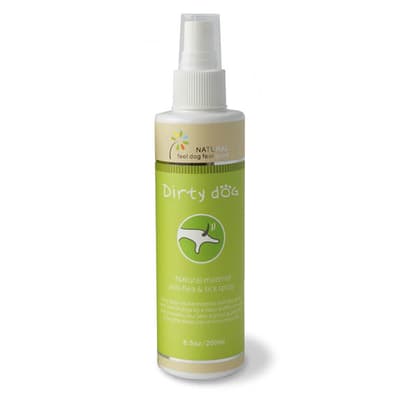
- Dirty Dog Pure Natural Flea and Tick Repellent Spray 120ml — reference price HK$99
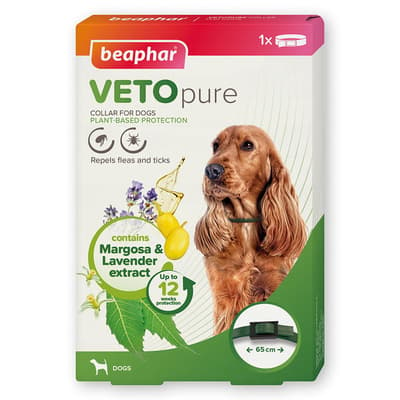
- beaphar VETO pure Natural Mosquito + Tick + Flea 3-in-1 Collar for Dogs — reference price HK$70
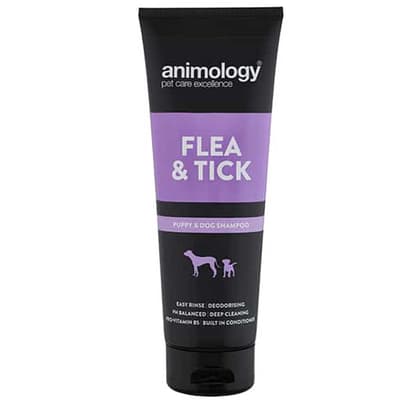
- Animology Dog Shampoo Flea Relief Formula 250ml — reference price HK$99
The above content is for reference only and cannot replace veterinary diagnosis and treatment. Please consult your registered veterinarian for vaccination plans, dosages and schedules, and follow the vaccine manufacturer's and clinic's recommendations.
📌 Key summary
- Puppies get their first shot at 6-8 weeks, a booster every 2-4 weeks, completing the primary course at 16 weeks
- Annual boosters after 1 year; the book states rabies vaccine is given once a year
- Before vaccination, confirm health and complete deworming; pregnant dogs cannot be vaccinated
- Observe for a day after vaccination, avoid strenuous exercise for 2-3 days
- Hong Kong reference price about HK$300-600 per dose; actual charges subject to clinic quotation
- Vaccines are not lifelong immunity; regular boosters are key

 Feline Natural full guide →
 Royal Canin full guide →
 K9 Natural full guide →