Quick answer: Whether your cat is indoor or outdoor, apply FRONTLINE spot-on to the back of the neck once a month, and deworm internally every 3–6 months. This protects against common parasites such as fleas, ticks, roundworms and heartworms.
Parasites are invisible killers of cat health. Whether indoor or outdoor, cats are at risk of infection. Regular deworming is a basic part of protecting your cat's health. PetChill has put together this complete deworming guide, from understanding parasites to choosing deworming products—all in one place.
Common Parasites in Cats
External Parasites
-
Fleas: The most common, causing allergic dermatitis and anaemia
-
Ticks: Can transmit blood-borne diseases (such as babesiosis)
-
Ear mites: Cause ear inflammation and intense itching
-
Sarcoptic mange mites: Cause severe skin disease
Internal Parasites
-
Roundworms: The most common intestinal parasite, can be transmitted through mother's milk
-
Tapeworms: Usually spread by fleas
-
Hookworms: Suck blood and cause anaemia
-
Heartworms: Highly fatal, spread by mosquitoes
Do Indoor Cats Need Deworming Too?
Yes! This is a common misconception among cat owners. Even if your cat never goes outside, parasites can still enter the home through:
- Owners' clothing and shoes
- Insects flying in through open windows
- New pets or visitors
- Raw food feeding (may contain parasite eggs)
Types of Deworming Products and How to Choose
Topical Spot-On (Most Recommended)
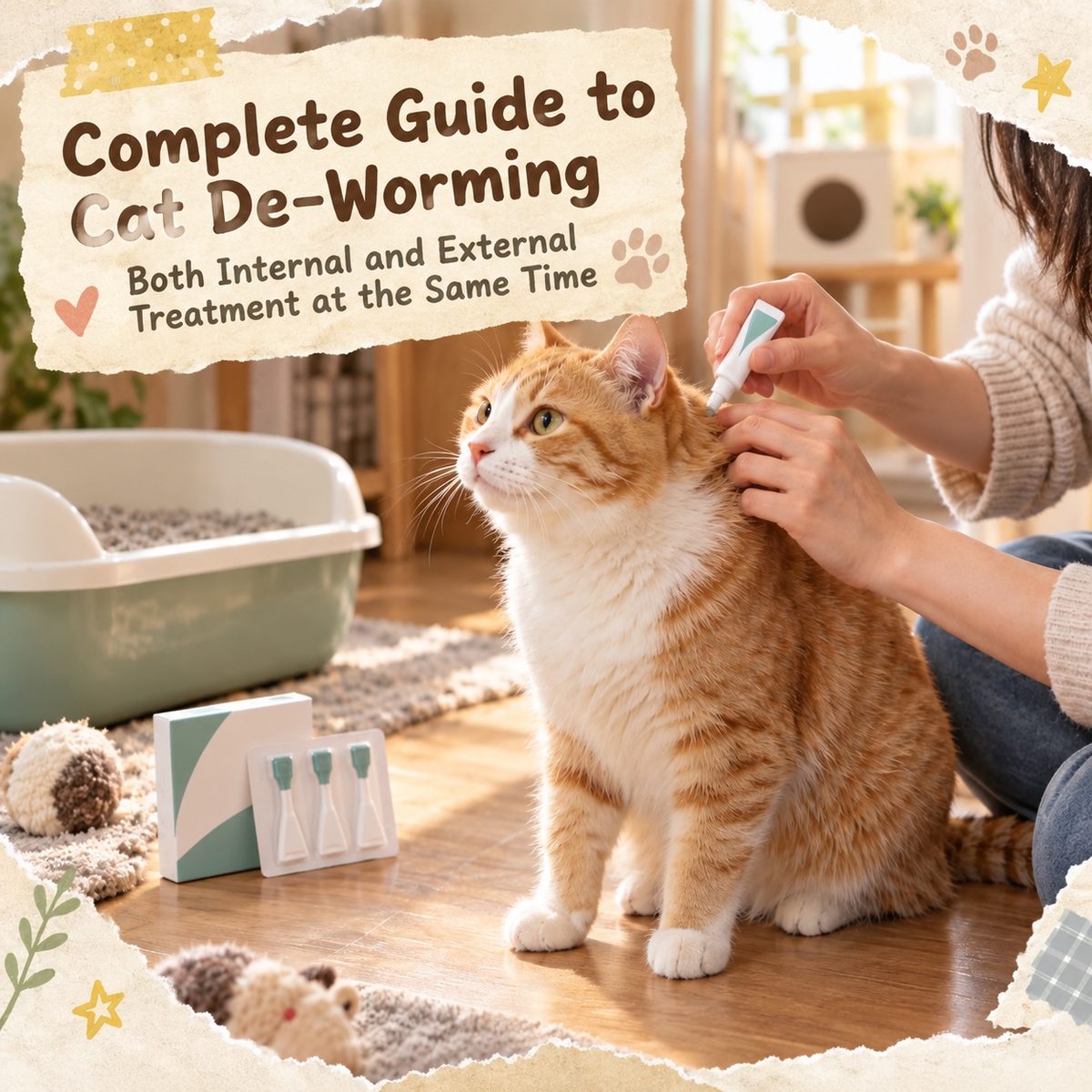
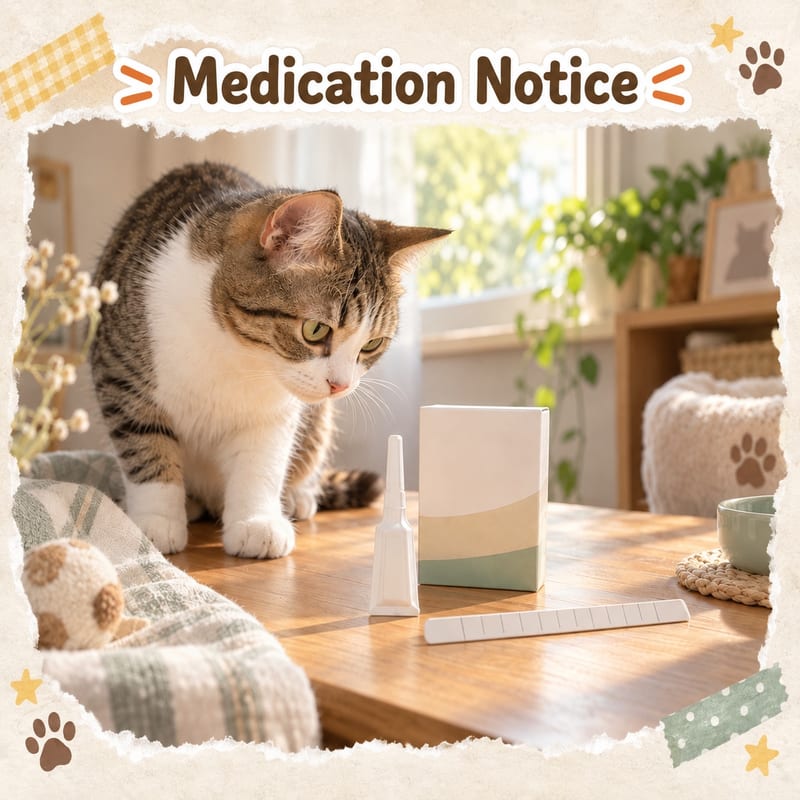
FRONTLINE is one of the most popular topical deworming products. Simply apply it to the skin at the back of the cat's neck—very convenient.
Advantages
- Easy to use, no need to give pills
- Effective for 1 month
- Protects against both fleas and ticks
How to Use
-
Part the fur at the back of the neck
-
Apply the spot-on directly onto the skin (not the fur)
-
Do not bathe your cat within 24-48 hours after application
-
Prevent licking (use an Elizabethan collar for a few hours)
Oral Tablets
Advantages
- Acts directly inside the body, effective against internal parasites
- Some products treat both internal and external parasites
Precautions
- Important: If you give a tablet, the cat must drink at least 6 ml of water at the same time
- Tablets can easily get stuck in the throat; sometimes the cat appears to have swallowed it, but the tablet is still in the throat
- The tablet will slowly dissolve and cause oesophagitis
- After giving the tablet, observe for 10-15 minutes to confirm it has been swallowed
Combination Dewormers (New Trend)
In recent years, combination dewormers that target not only fleas and lice but also heartworms are becoming mainstream.
Recommended Products
- All-in-one dewormer: Protects against both internal and external parasites
- Heartworm preventive: Once a month to prevent deadly heartworms
Deworming Schedule
Kittens
| Age | Deworming Item |
|---|---|
| 6 weeks | First internal deworming |
| 8 weeks | First external deworming |
| 10 weeks | Second internal deworming |
| 12 weeks | Second external deworming |
| Thereafter | Monthly external deworming |
Adult Cats
- External deworming: Prevention of fleas and lice should continue from late March to October. Prevention is better than helps manage—do it at least once a month
- Internal deworming: Every 3 months (indoor cats can be every 6 months)
- Heartworm prevention: Monthly during mosquito season
Precautions for Using Deworming Products
-
Dose by weight: Always choose the correct dose based on your cat's weight
-
Never mix cat and dog products: Cat and dog dewormers have different ingredients; mixing can be fatal
-
Avoid during vaccination: It is recommended to leave 1-2 weeks between deworming and vaccination
-
Watch for side effects: A few cats may experience vomiting, diarrhoea or skin rash
-
Rotate brands regularly: Long-term use of the same dewormer may lead to resistance
PetChill's Reminder
Deworming is a basic part of cat health management—don't wait until you see parasites to start. Set a fixed deworming schedule: external deworming once a month, internal deworming every 3-6 months, to keep your cat safe from parasites.
For more cat health knowledge, keep following PetChill's latest articles!
Practical Guide for Small Hong Kong Flats: Deworming Routine and When to See a Vet
Space is tight in Hong Kong, and cats have limited room to move, which actually makes it easier for flea eggs to accumulate. Here is a practical checklist designed for Hong Kong residents—follow it and you won't get confused.
1. Three Steps Before and After Application
- Before application: Find a "hairless strip" along the boundary at the back of the neck, gently part the fur with a comb to avoid applying to the fur instead of the skin.
- During application: Squeeze the entire FRONTLINE tube—don't waste a drop; immediately press the skin gently with your fingertip to help absorption.
- After application: Put on an Elizabethan collar for two hours immediately to prevent the cat from turning and licking; during this time, don't hold the cat on the sofa to avoid rubbing off the medication.
2. Clean the Small Flat at the Same Time
Flea eggs fall onto the floor and bedsheets. Handle them on the day of application:
- Vacuum under the bed, sofa seams and cat bed cushions; discard the bag immediately after vacuuming.
- Wash bedsheets and cat mats in hot water at 60°C—high temperature is most effective at killing eggs.
- If you have carpets, you can spray a pet-safe environmental spray, but remember to ventilate for at least 30 minutes before letting the cat back in.
3. When to Rush to the Vet
If the following occur, don't delay—book a clinic immediately:
- Persistent vomiting, diarrhoea or unsteady walking within 48 hours after application.
- Large red patches, hair loss or even ulcers on the skin.
- The cat constantly scratches its ears and shakes its head—ear mites may already be causing inflammation and prescription ear drops are needed.
- An adult cat has no appetite for two consecutive days plus a bloated belly—there may be a heavy internal parasite burden, and the vet needs to prescribe an oral deworming combination.
Remember, most clinics in Hong Kong require appointments. Find the nearest 24-hour emergency clinic information in advance—better safe than sorry.
Further Reading
🩺 2026 Update: Parasite Overview and Hong Kong Practical Calendar
The book Cat Family Medicine Encyclopedia divides common cat parasites into two main categories. A table makes it clear:
| Type | Common Parasites | Route of Infection | Notes |
|---|---|---|---|
| Internal parasites | Roundworms | Ingesting eggs orally; mother cat transmits to kittens through milk | Kittens vomit, have diarrhoea, bloated abdomen; sometimes white thread-like worms visible in faeces or vomit |
| Internal parasites | Tapeworms | Ingesting fleas carrying larvae while grooming; contact with contaminated faeces | White rice-grain-like segments visible around anus or in faeces; dry to sesame-sized granules |
| Internal parasites | Giardia | Contaminated environment, other animals | A zoonotic disease; cysts can persist in the environment for a long time, prone to repeated infection |
| Internal parasites | Coccidia, heartworms | Environment / mosquito-borne | More common in newly arrived kittens |
| External parasites | Fleas, sarcoptic mange mites | Contact with other animals or environment | Treat with topical spot-on once a month |
Standard practice after diagnosis (per the book): oral deworming medication, repeat after two weeks—the second dose is to kill adult worms that have hatched from eggs. For routine prevention, use oral medication or topical spot-on once a month.
4 Steps for Topical Spot-On Application
- Part the fur at the back of the neck to expose the skin (a spot the cat cannot lick itself)
- Apply onto the skin, not onto the fur; usually divide one tube into 1-2 spots
- Separate cats in multi-cat households for several hours to prevent licking each other
- Do not bathe within 48 hours, and do not let the cat lick the application site
New Cat Introduction Process
The book emphasises that parasite infections are common diseases in newly arrived kittens, especially in stray cats. Therefore:
- Isolate the new cat for one month; do not let it contact existing cats immediately
- During isolation, complete routine deworming; if necessary, perform weekly faecal parasite checks
- Handle isolation room items and litter box separately
- After the period ends and checks are clear, gradually introduce the new cat to existing cats
Zoonotic Points to Note
The book clearly states that parasites are zoonotic infectious diseases—not only can cats be infected, but they can also transmit to humans:
- Tapeworms: Fleas can jump into a person's mouth and cause infection; children may experience abdominal pain and diarrhoea
- Fleas: People are mainly bitten below the knee, causing red rashes, itching and even blisters
- Giardia: Children are more likely to show symptoms
Home cooperation: Regularly clean and disinfect floors, cat beds and the area around the litter box to reduce flea and egg residue; wash hands after handling faeces.
How This Fits with Other Topics
- Deworm before vaccination → Cat vaccination schedule
- Heartworms and mosquito vectors → Dog heartworm prevention
- What to check in annual physical exams → Pet annual checkup
- Symptoms of feline panleukopenia (viral enteritis) → Kitten care guide
- Digestive care during food transition → Cat food transition guide
Related Products (Available in Hong Kong, checked 2026-10-13)
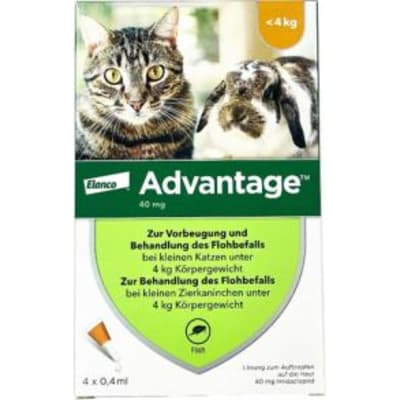
- Elanco (Bayer) Advantage Flea Spot-On for Cats under 4kg, 4 tubes per box — reference price HK$180 (topical spot-on)
- Dirty Dog Cat Natural Deworming Spot-On 2ml*2 — reference price HK$110 (topical spot-on)
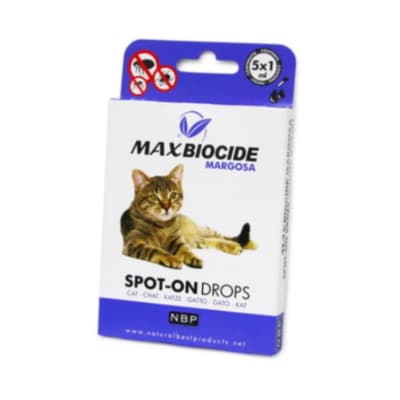
- Max Biocide Cat Neem Oil Flea Spot-On 5pcs — reference price HK$92 (topical spot-on)
References
- Agriculture, Fisheries and Conservation Department (AFCD) — Hong Kong pet health information
- Veterinary Surgeons Board of Hong Kong (VSBHK) — registered veterinarian register
- Book references: 74 Cat Family Medicine Encyclopedia, 67 The Science of Your Cat, 66 Cat Disease Illustrated Guide
The above content is for reference only and cannot replace veterinary diagnosis and treatment. Please consult your registered veterinarian for parasite management plans and medication choices.
📌 Key Summary
- ✅ Indoor cats also need deworming; parasites can enter the home via clothing, mosquitoes and raw food
- ✅ FRONTLINE spot-on at the back of the neck is the most convenient, effective for a full month
- ✅ After oral medication, give at least 6 ml of water and observe for 10–15 minutes to confirm swallowing
- ❌ Never give dog deworming products to cats—different ingredients can be fatal
- ❌ Deworming and vaccination should ideally be 1–2 weeks apart to avoid interference
🆕 2026 Update: Internal and External Parasite Schedule, Hong Kong Mosquito Season, Spot-On vs Oral Comparison
Direct answer: Cat deworming is divided into "internal parasites" (roundworms, hookworms, tapeworms) and "external parasites" (fleas, ticks, mites). The principle is: kittens and high-risk cats need more intensive preventive courses; adult indoor cats adjust according to risk; actual frequency should always be decided by a veterinarian based on regional risk, lifestyle (outdoor access/hunting/raw food feeding/other pets in the home). Mosquitoes are present year-round in Hong Kong, and the higher-risk season for fleas and ticks is April–October.
Do You Need Deworming? Risk Triage Table
| Living Situation | Risk | Suggested Direction | Triage |
|---|---|---|---|
| Kittens (from adoption) | High (can be transmitted from mother) | Intensive course arranged by vet + faecal check | 🟢 Essential |
| Goes outdoors/free-roaming | High | Regular internal + external prevention | 🟢 Essential |
| Hunts (mice, birds) | High | Regular internal + external prevention | 🟢 Essential |
| Fed raw/undercooked food | High | Regular internal deworming + food hygiene management | 🟡 Needed |
| Other pets in home have fleas | Medium-high | Treat all pets simultaneously + environmental cleaning | 🟡 Needed |
| Purely indoor, no other risks | Medium-low | Annual check + basic prevention as advised by vet | 🟡 Needed |
| Pregnant/lactating queens | Special protocol needed | Only products specified by vet | 🔴 Vet instruction |
| Already showing symptoms (diarrhoea, bloating, weight loss, anal itching, visible worms) | High | Immediate examination (faecal test) + treatment | 🔴 Seek vet immediately |
External Parasite Schedule (Hong Kong Reality)
| Season | Main Risk | Action |
|---|---|---|
| March–May (warming up) | Fleas become active | Check fur and collar area, start prevention |
| June–September (hot and humid) | Peak fleas and ticks | Continue prevention as advised by vet; increase checks for outdoor cats |
| October–November | Risk still high | Do not stop prevention too early |
| December–February (winter) | Lower risk but not zero | Flea risk remains in heated indoor environments; follow vet advice |
Spot-On vs Oral Comparison Table
| Comparison | Topical Spot-On | Oral Medication | Environmental Management |
|---|---|---|---|
| Application | Apply to skin at back of neck (spot cat cannot lick) | Give directly by mouth | Clean sleeping areas, steam-wash fabrics |
| Common considerations | Cannot bathe/swim immediately | Some cats resist pill administration | Environmental cleaning reduces reinfection |
| Suitable for | Most cats | Convenient, fast-acting | All pet-owning households |
| Precautions | Multi-cat households should separate for several hours to avoid licking | Dosage must be determined by vet based on weight | Vacuuming + high-temperature washing kills eggs |
| Examples available in Hong Kong | Revolution Cat (5.1–15 lbs, 3-dose pack) $888 (prescription only) | Prescription only | ANIBIO Environmental Deworming Spray 500ml $180 |
| Triage | 🔴 All medication via vet | 🔴 All medication via vet | 🟡 Home support |
Important reminder: Some "natural deworming" products on the market are not equivalent to effective treatment. Most cat deworming products in Hong Kong are prescription medications, dosed by weight; incorrect use can cause poisoning (especially ingredients containing pyrethroids, which are toxic to cats). All medication should be via a veterinarian.
What Owners Can Do (Specific Actions)
- At least 1 physical examination per year (veterinary guidelines generally recommend preventive checks every 6–12 months), and review deworming records.
- Isolate new cats for 7 days before bringing them home, and bring a faecal sample for testing; complete basic deworming and vaccination before contact with other pets.
- Check the fur once a month: Part the fur at the back of the neck, armpits and groin with your hands, looking for black "flea dirt" (which turns red when wiped with a damp tissue).
- Clean the litter box daily, watching for white worms, diarrhoea or mucus—abnormal samples can be kept for veterinary testing.
- Home environment cleaning: Wash cat beds and blankets in hot water every 1–2 weeks; vacuum carpets and sofa seams.
- Do not buy human medication or products without veterinary instruction (especially those containing pyrethroids).
🟢🟡🔴 Triage Assessment
| Situation | Triage | Advice |
|---|---|---|
| Regular prevention, no symptoms | 🟢 | Maintain current plan, review annually |
| Newly adopted cat not yet dewormed | 🟡 | Arrange vet check + faecal test as soon as possible |
| Itching around anus, scooting bottom | 🟡 | Possible tapeworms or anal gland issues; arrange check |
| Visible worms passed, diarrhoea, weight loss | 🔴 | Seek vet same day |
| Heavy flea infestation, cat anaemic/lethargic | 🔴 | Seek vet same day (can be fatal in kittens) |
| Drooling, tremors, convulsions after home product use | 🔴 | Rinse and seek emergency care immediately (possible poisoning) |
Sources (Supplement)
- International Cat Care: Worming your cat
- Companion Animal Parasite Council: General Guidelines
- Companion Animal Parasite Council: Ascarid
 K9 Natural full guide →
 Feline Natural full guide →