Quick answer: Cats on food labelled "complete and balanced" generally do not need extra vitamins; only picky eaters, senior cats, cats on homemade fresh food or sick cats truly need supplementation, and you must first identify the gap before treating it—random supplementation is harmful.
Bottom line first: cats on qualified, fully labelled complete food mostly do not need vitamin supplements; the real gaps worth noting are picky eating, senior age, homemade fresh food and specific diseases. Supplements are meant to "patch a hole", not "buy insurance"—patching the wrong spot is useless, and over-supplementing is harmful. This article breaks it down item by item.
Do cats actually need supplements?
First, understand a fact: qualified complete food (meeting international standards such as AAFCO) is itself a "finished nutritional formula"—protein, fat, vitamins, minerals and taurine are all calculated to meet a cat's needs. So:
- Cats on quality dry food or complete wet food with normal development: usually no supplementation needed
- Extra heavy supplementation = wasted money, and excessive amounts of some nutrients carry risks
Understand one thing first: qualified complete food (dry or complete wet) is itself a finished nutritional formula, with vitamin, mineral and taurine ratios calculated to standards such as AAFCO before leaving the factory. So the criterion for "supplement or not" is not processed vs natural, but "does it have a complete and balanced label".
Which situations warrant considering supplements?
| Situation | Possible gap | Advice |
|---|---|---|
| Severe picky eating | Overall intake insufficient | Address the cause of picky eating first |
| Senior cats | Reduced absorption, chronic disease | Evaluate with vet at follow-up before deciding |
| Homemade fresh food | Taurine, calcium | Must use a professional recipe |
| Chronic disease | Depends on the disease | Follow vet instructions, never supplement on your own |
⚠️ The most important line: supplements are supportive, they cannot replace staple food, nor can they replace seeing a doctor. If there is any change in your cat's energy, appetite or weight, the first step is diagnosis, not buying powder at the pet shop. No matter how expensive the supplement, it cannot make up for the loss from delayed diagnosis.
The three most commonly asked-about nutrients
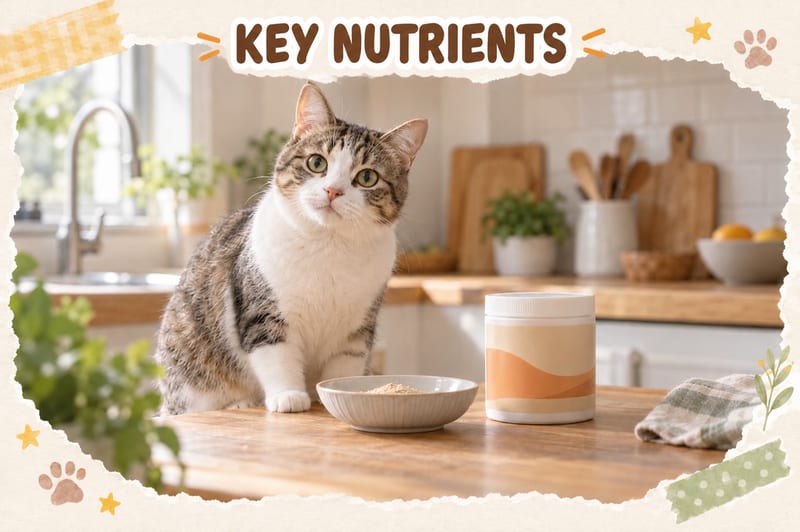
1. Taurine (most critical) Cats cannot synthesize enough taurine themselves and must get it from diet. It is linked to retinal function, heart muscle health and reproduction; deficiency consequences are serious and emerge gradually over months, not from one or two days of bad food—which is exactly why it is easily overlooked. Qualified cat staple food must legally include it—so the question is never "is it eaten" but "does what they eat count as staple food". Cats fed complementary fish cans, dog food or unformulated fresh food long-term are the real risk group.
2. B vitamins Involved in energy metabolism, water-soluble and excreted in urine, so daily intake is needed. Normal staple food is sufficient; only cats with long-term poor appetite or poor digestion/absorption may be advised by a vet to supplement. Market "B-complex appetite stimulant" products vary in effect; do not expect quick results.
3. Omega-3 (fish oil) Strictly speaking a fatty acid, not a vitamin. Supports skin and coat condition and joint comfort as adjunctive care; for selection and feeding methods, see the separate fish oil article.
Risks of excess: wrong supplementation is worse than none
Many people think "more vitamins can't hurt", but for cats it is the opposite:
- Vitamin A excess: fat-soluble, accumulates; long-term excess can affect bones and liver—fish liver oil products need special caution
- Vitamin D excess: affects blood calcium levels, among the highest toxicity risk
- Calcium-phosphorus imbalance: homemade fresh food with only meat and no calcium can, over time, hinder bone development
- Calorie overload: many "nutritional pastes" are essentially sugar and fat; the cat may get fat without filling the gap, and obesity is a more common urban cat problem than vitamin deficiency
Tip: For the same product, small and large cats have different doses, and cats and dogs certainly cannot share. Feed strictly according to body weight and label dose; do not feed like candy. Add only one new supplement at a time, observe for two weeks, then add the second.
How to choose cat supplements: five principles
- Cat-specific formula: dosage calculated for cats; do not halve dog or human versions
- Clear ingredient list: each nutrient content stated, not a "mystery nutrient blend"
- Reputable brand: proper distributor, batch labelling, factory or third-party testing information
- Target the gap: only consider taurine or calcium powder for fresh-food cats; no gap, no purchase
- Ask your vet: especially for senior, sick or medicated cats; list everything they are taking before combining
In terms of form, powders mix easily into food, liquids are easy to dose, and pastes suit picky cats best but are highest in calories; taste acceptance varies greatly—the same product may be devoured by one cat and sniffed and rejected by another, so buy a small size to try first. For storage, most powders and pastes need refrigeration after opening; ensure the spoon is dry each time, as moisture in the bottle easily causes clumping and spoilage.

Common myths
"Need a seasonal boost when the weather changes?"—Cats do not need seasonal tonics; nutritional needs are stable year-round. What matters most is the quality and consistency of daily staple food; the seasonal focus should instead be on whether water intake has changed.
"Poor coat = vitamin deficiency?"—It could be parasites, skin disease, thyroid problems, etc. See a vet first; do not self-treat for coat.
"Nutritional paste as a treat is harmless?"—It has calories; if given, deduct from treats and staple food portions. Not recommended regularly, especially for obese cats.
"Fresh food is always better than dry food?"—Recognised fresh food is fine, but homemade fresh food must make up for missing micronutrients; unformulated fresh food is nutritionally incomplete, most commonly low calcium and high phosphorus.
"Supplements can prevent illness?"—Supplements only support daily nutritional balance; they do not promise therapeutic effects and do not replace vaccines and regular check-ups.
When to see a vet?
- Any significant change in appetite, weight, water intake or urine output lasting more than a week
- Suspected accidental
overdose of vitamin products (especially human high-dose fish liver oil, vitamin D)
- Long-term soft stool or vomiting, with no improvement from supplements
- Senior cat suddenly weak in hind legs, wobbly walking—do not blame "lack of nutrition"; get checked promptly
What you can do starting today
- Check whether the staple food packaging says "Complete & Balanced"; if so, basically no supplementation needed
- Make a list of all supplements at home (name, ingredients, dose, opening date), discard expired ones, and show it at vet visits
- Fresh-food households: bring the recipe to the next vet visit and ask the vet to check for gaps
- Add only one new supplement at a time, observe for two weeks before judging usefulness, and record stool and coat together
- Arrange annual blood tests for cats aged seven and above; use data to decide whether to adjust diet
- Not sure if the canned food you're feeding counts as complete? Turn the can around and read the label—this step solves 80% of problems
- Remember "diagnose first, supplement second": if any supplement shows no improvement after two weeks, book a vet
Still unsure what your cat's gap is? PetChill's pet food review section breaks down the ingredient lists of common Hong Kong supplements one by one; screen them against the five principles in this article and avoid wasting money on lessons.
Further reading:
- 2026 Hong Kong Cat Food Recommendation Complete Guide →
- Fish oil/taurine supplementation →
- Pet probiotics →
- Pet nutrition supplement course →
This article is for reference only; supplements cannot replace proper diagnosis and treatment; consult a registered veterinarian if in doubt.
🩺 2026 update: who really needs supplements (book principles)
The principles in the book 'The Complete Guide to Raising a Dog for the First Time' are clear and apply to cats:
Generally speaking, as long as you feed enough complete and balanced staple food daily, the nutrition obtained is comprehensive and balanced, meeting nutritional needs, and no extra food supplementation is needed.
Situations where supplementation may be considered:
| Group | Book description |
|---|---|
| Picky eaters, sick, fatigued | Timely supplementation of vitamins, minerals and additives is necessary |
| Young animals | The book says appropriate supplementation for puppies can build a strong body and enhance immunity for the future |
| Senior animals | The book says senior dogs suffer severe calcium loss and organ function decline, and need nutritional products to support digestion and supplement calcium |
The core principle in four words: supplement what is lacking. It is not "as long as they eat" nor "more is safer".
Common ingredients and roles (ingredients only, no therapeutic claims)
| Ingredient | Role described in the book | Notes |
|---|---|---|
| Taurine | Cats cannot synthesize enough; must get from diet | Listed as an essential nutrient for cats in 'The Science of Your Cat'; higher in meat, fish and dairy |
| Vitamin A | Cats need to obtain from animal-based foods | The book warns animal liver should be limited to about 150 grams per week (split into two meals); excess is toxic, and do not use pork liver |
| B vitamins | Also must come from animal-based foods | Cats cannot synthesize enough themselves |
| Arachidonic acid, linoleic acid | Essential fatty acid nutrients | The book lists them as nutrients cats need from food |
| Omega-3 (EPA, DHA) | Fatty acid supplement | Listed in the core supplement list in 'Forever Dog'; especially when dogs do not eat fatty fish 2-3 times a week |
| Probiotics | Daily gut flora supplement | See Pet Probiotics Guide |
Important: all of the above are the book's descriptions of ingredients and nutritional roles, not treatment or prevention claims for any disease, nor product efficacy promises. If a pet has a medical condition, management is the veterinarian's responsibility; supplements cannot replace it.
How to choose and store (book checklist)
- Choose under the guidance of a veterinarian or pet nutritionist; do not rely solely on online reviews
- Read the packaging carefully: manufacturer, product name, batch number, production date, expiry date
- Individual differences are large: body size, dietary habits and metabolism vary greatly; do not copy another cat's dose
- Store at constant temperature: the book instructs nutritional products should be stored at constant temperature
- Discard immediately if abnormal: swollen bags, bulging cans, abnormal colour, musty smell when opened
- Feed gently: 'Forever Dog' explicitly says never force-feed powder—it damages trust and risks choking; mix into food or hide in small meatballs
How this fits with other topics
- Is staple food complete enough → Complete vs complementary pet food
- How many kcal per day → Cat calorie calculator
- How to use probiotics → Pet Probiotics Guide
- What annual check-ups test → Pet Annual Health Check
- How to read dog food labels → Dog Food Nutrition Label Guide
Related products (available in Hong Kong, checked 2026-10-13)
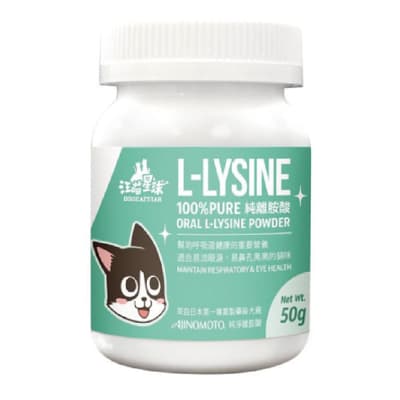
- DogCatStar 100% PURE Lysine 50g — reference price HK$98 (ingredient is lysine, a daily nutritional supplement, not medicine)
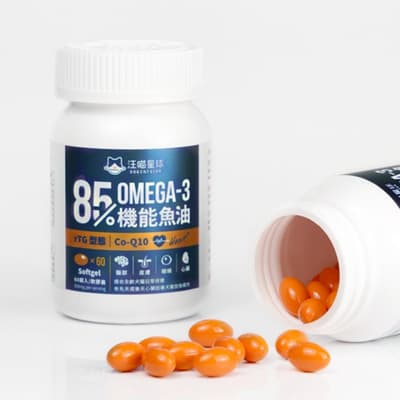
- DogCatStar Fish Oil 85% OMEGA-3 Functional Fish Oil 60 capsules — reference price HK$248 (ingredient is fish oil, a daily nutritional supplement, not medicine)
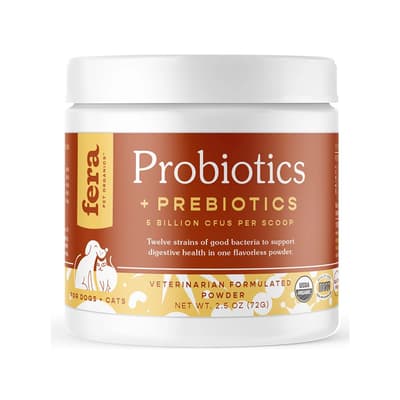
- Fera Pets Supplement Organic Probiotic & Prebiotic Nutrition Powder 72g — reference price HK$326 (ingredients are probiotics and prebiotics, a daily nutritional supplement, not medicine)
References
- Agriculture, Fisheries and Conservation Department (AFCD) — Hong Kong pet health information
- Veterinary Surgeons Board of Hong Kong (VSBHK) — register of registered veterinarians
- Book references: 68 'The Complete Guide to Raising a Dog for the First Time', 67 'The Science of Your Cat', 56 'Forever Dog', 54 'Nutrient Requirements of Dogs and Cats'
The above is for reference only and cannot replace veterinary diagnosis and treatment. For supplement ingredients, dosages and suitability, consult your registered veterinarian or pet nutritionist.
📌 Key summary
- ✅ Qualified complete food already contains enough vitamins; no need to buy extra insurance
- ✅ Real gaps: picky eating, senior age, homemade fresh food, specific diseases
- ❌ Over-supplementing vitamins A and D can cause poisoning, worse than not supplementing
- ❌ Nutritional pastes are high in calories; feeding as treats easily leads to obesity
- ✅ Before adding any supplement, ask your vet and observe for two weeks
 DogCatStar full guide →