Quick answer: Heartworm is spread by mosquitoes only. Hong Kong's mosquito active period is long, and vets generally recommend year-round monthly prevention (oral medication or spot-on treatment). Blood test first for dogs aged 6 months and above, and only start or continue prevention after confirming no infection. Mosquito control plus timely medication are two lines of defence that must run in parallel — neither can be skipped.
What is heartworm? How is it spread
The books and describe it consistently: mosquito bites are the only route of heartworm infection. After a mosquito bites an animal carrying larvae, the larvae develop inside the mosquito and enter a new host through the next bite, eventually developing into adult worms in the pulmonary arteries and heart. The book, in its "Summer Disease Prevention" chapter, specifically lists heartworm disease: mosquitoes are the main transmission vector, and recommends controlling mosquitoes day and night in summer and setting up kennels in well-ventilated areas. A few facts to remember:
- It is not passed directly from dog to dog — it must go through mosquitoes.
- After infection, adult worms can live for several years, gradually damaging the heart and lungs.
- Early symptoms are not obvious, so regular blood testing is more practical than waiting for symptoms.
- The average age of infection generally falls between 3-6 years (book data).
Differences between dogs and cats (key points from the books)
| Item | Dog | Cat |
|---|---|---|
| Transmission vector | Mosquito | Mosquito |
| Treatment | The book states that reasonably safe medication is available for dogs | The book explicitly states that dog treatment medication is not suitable for cats and will cause severe toxicity |
| Main approach | Medication treatment + prevention | Mostly symptomatic treatment and supportive care; prevention is especially important |
| Why active prevention is needed | Adult worms live long and cause major heart and lung damage | Adult worms cannot be killed directly; can only wait for them to age and die naturally |

Hong Kong mosquito season calendar (extractable)
Hong Kong is subtropical with a long warm and humid season, and mosquito activity varies with rainfall and temperature. Below is a general risk grading to help plan your prevention rhythm:
| Month | Mosquito activity | Main risk sources for dogs | Recommendation |
|---|---|---|---|
| Jan-Feb | Low to medium | Indoor standing water, heated rooms | Continue monthly medication |
| Mar-May | Medium rising to high | Spring humidity, standing water begins | Clear standing water + check medication schedule |
| Jun-Aug | High | Outdoor walks, grass, estate gardens | Annual peak; strengthen mosquito control |
| Sep-Nov | High to medium | Standing water after rain, outings | Continue monthly medication |
| Dec | Medium to low | Indoor | Continue monthly medication |
Comparison of prevention methods
| Method | Frequency | Description |
|---|---|---|
| Oral preventive medication | Once a month | Listed in the book as one option for cats; similar products exist for dogs; note whether the dog is willing to eat it and watch for gastrointestinal reactions |
| Spot-on treatment on neck and back | Once a month | Described in the book as "applied to the skin on the neck and back"; the spot must be somewhere the dog cannot lick |
| Household mosquito control | Year-round | Window screens, mosquito nets, clearing standing water, avoiding prolonged outdoor time at dusk |
| Regular blood testing | Annually (or test new members first in multi-pet households) | Confirm whether infection is present, then decide on prevention method |
- Do it on the same day each month (e.g. the 1st), easiest to remember.
- Record it on a calendar or phone; if you miss a day, ask your vet whether a catch-up dose is needed.
- In multi-pet households, keep a separate record for each pet.
- Do not add or stop medication on your own; ask your vet before any change.

When to test and what to test
The books' principle is test before preventing, for a very practical reason: if infection is already present, the wrong approach carries risks and must be assessed by a vet.
- First start: blood screening for dogs aged 6 months and above (the book describes a rapid test kit where "only a few drops of whole blood are needed, with results in about ten-plus minutes").
- After that: test alongside the annual check-up, or as advised by your vet.
- Newly added pets: the book repeatedly emphasises that new pets should be isolated and screened, especially in multi-pet households.
- Advanced testing: the book mentions that cardiac ultrasound can detect adult worms; this is a more specialised test, usually arranged by the vet as appropriate.
Practical household mosquito control (for Hong Kong flats)
- Clear standing water: plant pot saucers, air-conditioner drip trays and balcony drain outlets are the three big black spots — clear them once a week.
- Install window screens and mosquito nets properly: evening window-opening hours are when mosquitoes are most active.
- Adjust walk times: avoid grassy areas at dusk and dawn, or switch to routes with fewer mosquitoes.
- Outdoor products: mosquito repellent products can be used alongside; remember to use them on dogs according to the product label, and do not use human mosquito repellent.
- Estate environment: if your estate has large green areas or ponds, report standing water issues to management — this is more effective than adding medication yourself.
Common mistakes
| Mistake | Problem | Correct approach |
|---|---|---|
| Preventing only in summer | Hong Kong's mosquito season is long; other months still carry risk | Year-round, once a month |
| Starting medication without a blood test | The approach differs if infection is already present | Test first, then follow vet instructions |
| Thinking "not going out means no risk" | Mosquitoes can enter homes, and common building areas have them too | Indoor dogs also need prevention |
| Doubling the dose after missing one | Dosage arrangements must be decided by the vet | Record the missed dose and ask your vet how to catch up |
| Mosquito control only, no medication | Mosquito control cannot block 100% | Run both lines of defence in parallel |
How this fits with other prevention items
- Full calendar for heartworm and other parasites → Cat and dog deworming guide
- Beyond mosquitoes, the flea and deworming part → Pet deworming schedule
- Full cat and dog heartworm comparison → Heartworm full guide
- Annual check-up scheduling → Pet annual health check
- Dog vaccination schedule → Dog vaccination schedule
- Summer heat injury and outdoor safety → Summer walk safety
References
- Agriculture, Fisheries and Conservation Department (AFCD) — Hong Kong pet health and public hygiene information
- Veterinary Surgeons Board of Hong Kong (VSBHK) — Register of registered veterinary surgeons
- Book references: 74, 76, 68, 73
Related products (available in Hong Kong, checked 2026-10-13)
- beaphar VETO pure natural mosquito + tick + flea 3-in-1 collar for dogs — reference price HK$70
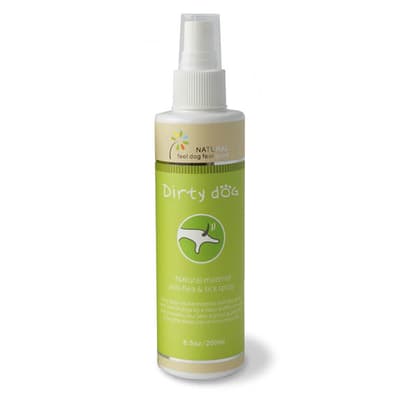
- Dirty Dog pure natural flea and insect repellent spray 120ml — reference price HK$99
- BIO-GROOM Dog Flea & Tick Shampoo 12oz — reference price HK$83
The above content is for reference only and cannot replace veterinary diagnosis and treatment. Please consult your registered vet regarding the types, dosages and testing arrangements of heartworm prevention medication.
Walking route risk assessment (Hong Kong real-world)
| Environment | Mosquito risk | Recommended practice |
|---|---|---|
| Estate podium, covered walkways | Low | Normal use, watch out for standing water |
| Park lawns, tree shade | High | Avoid dusk and early morning; check fur before going home |
| Country parks, reservoir edges | Very high | Complete prevention procedures before going; check after the trip |
| Waterfront promenade (evening) | High | Shorten stay time, wipe down immediately upon returning home |
| Building back staircases, near refuse rooms | Medium-high | Don't let dogs stop to sniff standing water |
When to seek medical attention the same day
The acute symptoms listed in the book include: difficulty breathing, intermittent wheezing, open-mouth breathing, fainting, sudden weakness, tachycardia, convulsions. These situations cannot be observed—you must go to the clinic the same day (outside clinic hours, go to a 24-hour emergency service). Chronic symptoms (cough, decreased appetite, weight loss, lethargy) are easily mistaken for "getting old" or "hot weather", so regular blood tests are more practical than waiting for symptoms.
How to plan the calendar (reference for Hong Kong dog owners)
- January: Annual check-up + heartworm blood test (do it together with other checks)
- February-December: Prevention on the same day each month (oral or spot-on)
- April: Start strengthening home mosquito prevention (clear standing water, check window screens)
- July: Peak mosquito season, check medication expiry and replenish
- October: Peak standing water after rain, further strengthen environmental cleanup
- Every annual check-up: Confirm with the vet whether next year's prevention combination needs adjustment
📌 Key summary
- Heartworm is spread only by mosquitoes, not directly from dog to dog
- Hong Kong's mosquito season is long; year-round monthly prevention is recommended
- Blood test first at 6 months of age or older; start prevention only after confirming no infection
- Oral medication and spot-on are both monthly; ask the vet which to choose
- Treatment options for cats are limited; prevention is more important than treatment
- Mosquito prevention (clear standing water, window screens) + timely medication, two lines of defence in parallel