Pomeranian
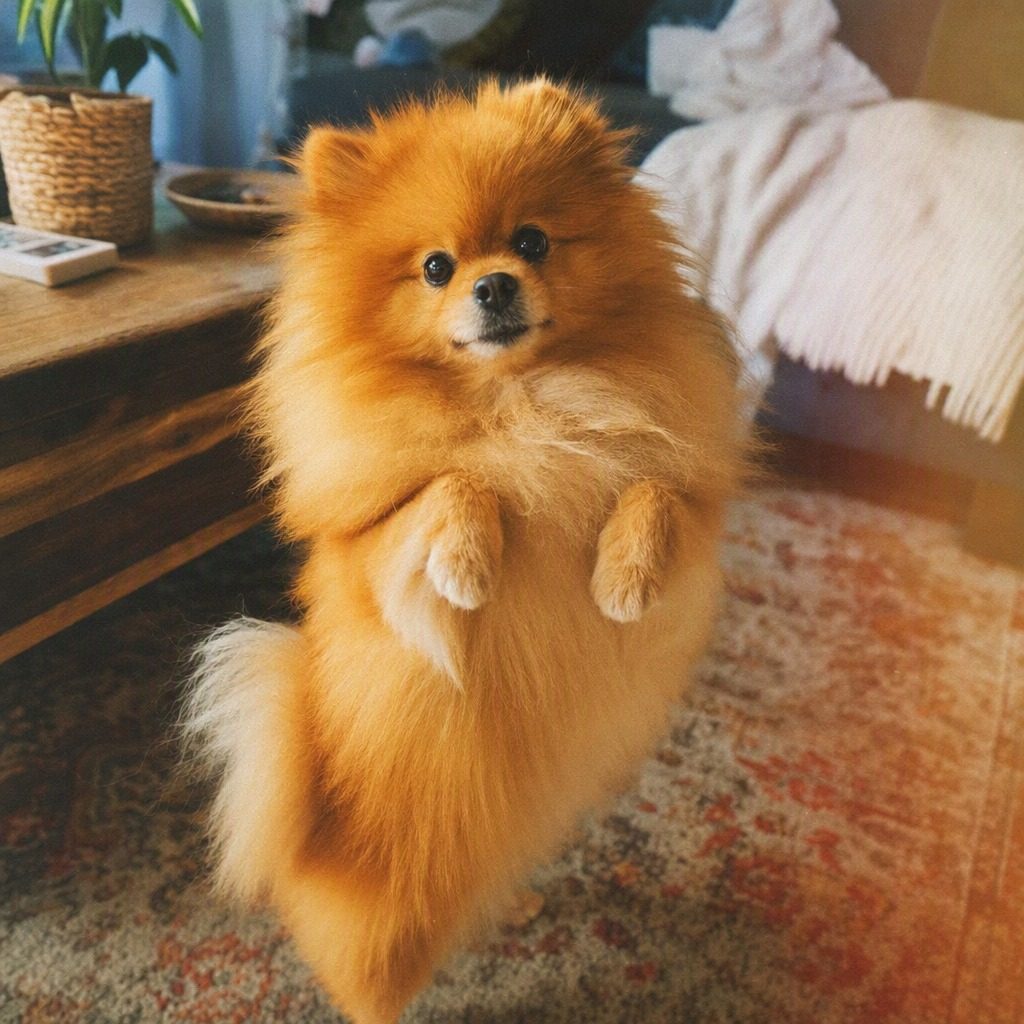
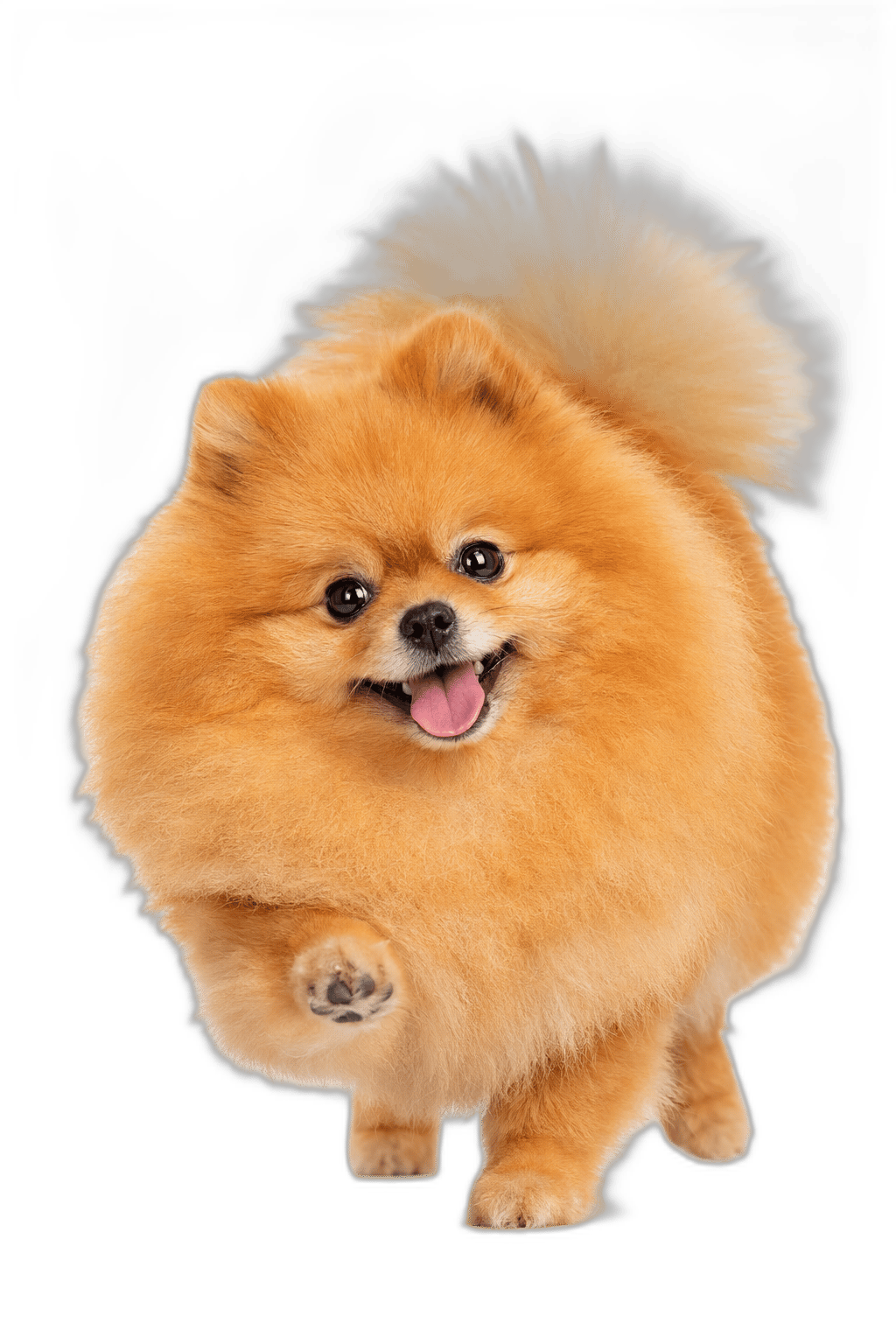
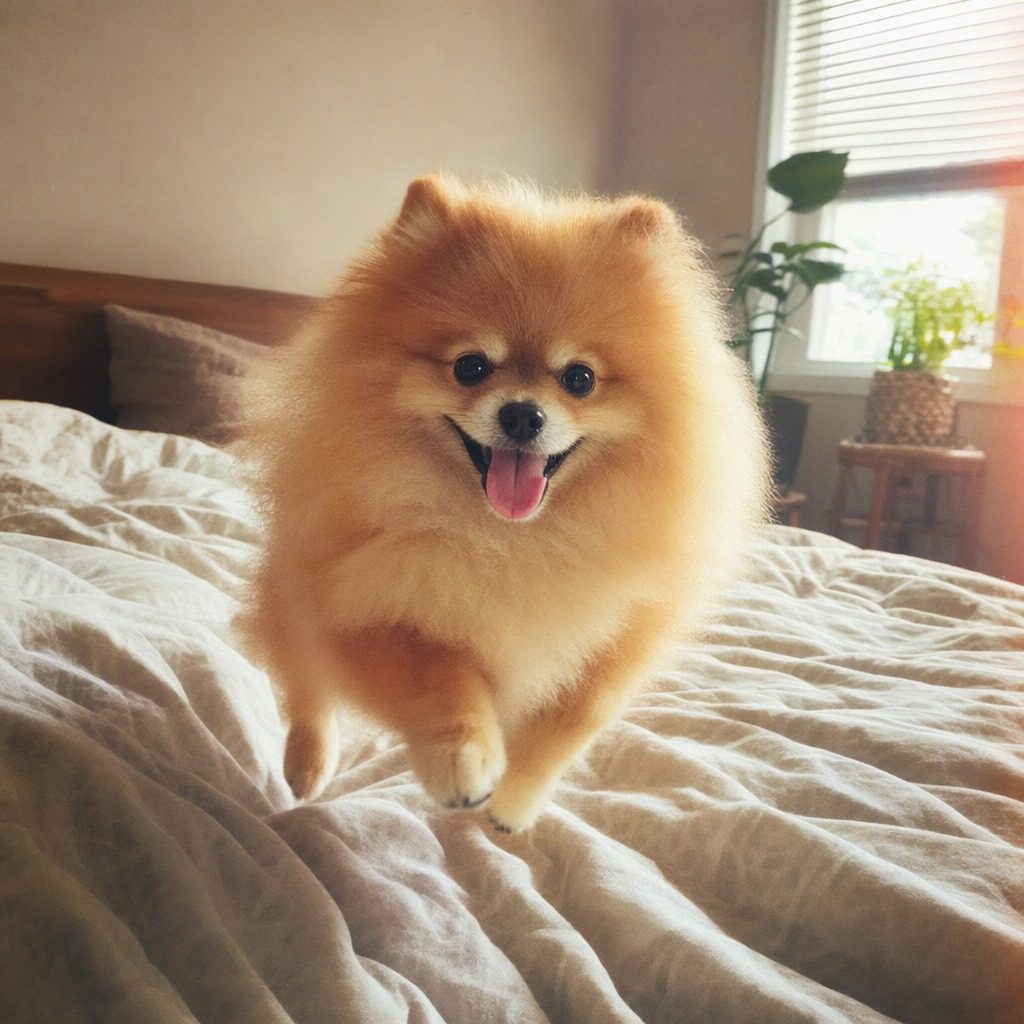
The squirrel dog (Pomeranian) is a very small breed from Pomerania in Germany, named for its squirrel-like face and enormous coat; what Hong Kong people call the 'squirrel dog', the 'Pom' or the Pomeranian are all the same breed. It stands 18 to 30 cm at the shoulder, weighs 1.5 to 3.5 kg, and lives an average of 12 to 16 years, making it a long-lived small breed. The coat is double: the outer layer long and straight, the undercoat soft and dense. The temperament is lively, intelligent and alert, with a typically bossy streak: it does not know it is small and will take on bigger dogs. Three basics you must know: the double coat must not be shaved, since shaving can damage the follicles so the coat no longer grows back properly; the trachea is fragile, so use a harness (an H-style harness) instead of a collar; and being small does not mean it needs no exercise. The tendency to bark is high, so flat-dwellers need to take note; the common health problems centre on tracheal collapse, luxating kneecaps and teeth. In Hong Kong the price is around HK$8,000-20,000, or about HK$0-2,000 when adopted through an organisation.
📺 32-second video · Cantonese narration
The Pomeranian story, in one take
From its origins to Hong Kong homes — how did the Pomeranian become one of Hong Kong's most popular pet breeds?
- ✓Origin story: starting in its homeland
- ✓Personality: Gentle and affectionate
PetChill Pet Encyclopedia
Care essentials
Grooming
The price of that fluffy ball of fur: shedding all year, exploding in spring and autumn, with undercoat so light it drifts through the air. Brushing is not optional, it is the entry fee for this breed: 3 to 4 times a week with a pin brush plus a comb to check for mats, and a 5-minute session daily in shedding season; after a bath, use a dryer to blow the undercoat loose as well. Do not shave it: shaving is not only not cooler, it can damage the follicles and cause uneven regrowth, and 'post-shave problems' are a common complaint in vet clinics. Generally a professional groom every 4-8 weeks, with daily brushing in between, more often in shedding season. For households sensitive to dust mites, it is worth spending a weekend with a friend's squirrel dog before deciding; surface trimming can be learned at home, but working out mats in the undercoat, and the hair around the anus and on the paws, are best left to a professional.
Exercise
The squirrel dog's exercise needs are at the moderate end for a small breed: 2 to 3 short walks a day (about 30-45 minutes in total) plus indoor sniffing games is enough. Breed guides put it more bluntly: at least 30 minutes of walking a day, and too little exercise leads to barking and destructive behaviour. The Hong Kong environment throws up a few specific situations: meeting an off-lead large dog in a park frightens a small dog easily, and knowing how to keep your distance matters more than forcing them to socialise; in lifts, pick the small dog up or keep it close on a short lead in that enclosed space, out of consideration for people who are afraid of dogs; and alone-time training should start in puppyhood to cut down 'doorbell alarm' barking. On days off, choose promenades and country parks that allow dogs, pick gentle routes for hiking, and test the ground temperature with the back of your hand for 5 seconds before setting out, avoiding asphalt at midday. Limit jumping as well: add a ramp or steps at the sofa and beside the bed to reduce the risk of luxating kneecaps.
Training
The squirrel dog ranks around 23rd in canine working-obedience intelligence, the 'learns fast but does not necessarily obey' intelligent-independent type: a new cue takes an average of 5-25 repetitions to master, and obedience to cues already learned is around 50 per cent or better. Three practical points: it knows the cue but decides whether to comply, so the reward has to be worth it and you should not repeat the command; it uses barking, pawing and body language to make requests, so reward calm behaviour and ignore the demanding noise; and it is clever and persistent, so manage the environment first and put food away. 10 to 15 minutes of mental work a day (sniffing games, trick training) is the best value for reducing barking and destruction, and alone-time practice starts with a 5-minute timer and builds up gradually. The last point is the easiest to overlook: the whole household has to agree on cues, boundaries and what is allowed. A clever dog is an expert at exploiting loopholes, and if one person gives in, everyone's discipline goes back to zero.
Diet
The squirrel dog's generally accepted ideal weight is about 1.8-3.2 kg (the AKC toy group standard), and the way to judge is not a single number but two tracks running together: a monthly weighing curve and a body condition check. The body condition check takes three steps at home: part the coat gently, and you should feel the ribs through a thin layer of fat; look from above, and there should be a clear waist narrowing behind the ribs; from the side, the belly should tuck up behind the ribs. Weighing is easiest on the same scale: weigh yourself, then weigh yourself holding the dog, and subtract; record at a fixed time in the morning before food. Start feeding at the lower end of the packet's recommendation, use a kitchen scale rather than a measuring cup, and keep treats within a tenth of the day's total; change foods over 7-10 days, stretching to 2 weeks for individuals with sensitive digestion. Also, between 4 and 8 months the dog goes through the coat blow, and can look round overnight; do not mistake that for fattening up and cut the food.
Living environment
Most dog-owning households in Hong Kong live in a few hundred square feet, in a flat or a walk-up, and there are four things to set up for a squirrel dog: non-slip mats or a rug on the floor, because a small dog sliding around long term damages the joints and changes the gait; fixed feeding and water positions; a bed with sides that can be washed, in a fixed corner, because even a small flat needs a 'territory of its own' to keep the dog emotionally steady; and barriers around sockets, cables and the bin, since Poms love to chew small objects. Stairs should be handled by carrying the dog or fitting a ramp, and for sound, use curtains and rugs to absorb echo, with the pee-pad area in the bathroom or on a covered balcony. On heat: small dogs heat up fast, so in summer go out before 6 am or after sunset, test the ground with the back of your hand for 5 seconds before setting out, and if it feels hot it is too hot; never leave the dog in a car. Keep the indoor temperature at about 24-26 degrees in summer; in the humid spring months use a dehumidifier and dry the coat thoroughly, especially the belly and armpits.
Pomeranian everyday food & supplies
Chosen by species (dog) from products PetChill stocks — not a breed-specific formula. Actual suitability depends on age, weight and health.
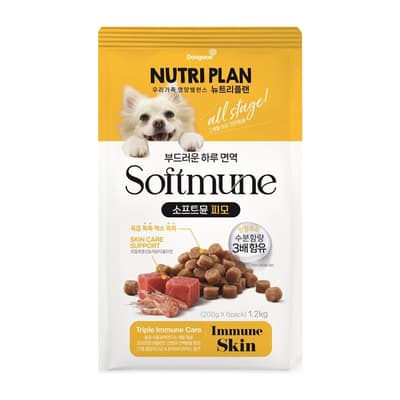
Nutriplan Soft Dog Food Immunity and Skin Care Support 1.2kg (64337)
HK$98About HK$81.67 per kg
Price checked 2026-10-21; the store page shows the live price, stock and offers.

Bella & Molly's Dutch Berry Royal Selected Dog Food AAFCO Grain-Free Single Protein Salmon Formula 50g (Limited Time Experience)
HK$10About HK$200 per kg
Price checked 2026-10-21; the store page shows the live price, stock and offers.
 Special offerHK$175HK$235
About HK$77.16 per kg
Price checked 2026-10-21; the store page shows the live price, stock and offers.
History & origin
The Pomeranian is a small dog from the Pomerania region on the border between Germany and Poland, and a member of the Spitz family. Their ancestors were larger sled-dog types, and after many generations of downsizing they became today's toy Pomeranian.
The breed's popularity is down to Queen Victoria of Britain. In 1888 the Queen saw a tiny Pomeranian called Marco in Italy, was taken with it and brought it back to Britain to breed, which pushed the Pomeranian's size down further and made it fashionable among the European aristocracy. It is said that before she died the Queen asked for her Pomeranian Turi to be brought to her bedside for company.
Today the Pomeranian is one of the most popular toy breeds in the world. They are small (generally 1.5-3 kg), with a dense double coat, a foxy face and a curled tail, so they look like a ball of fur. In temperament they are lively, intelligent, loyal and bold; small in body but confident in character, which is where the saying that they have 'the soul of a big dog' comes from. They are extremely loyal to their owner, but wary of strangers and quick to bark, so early socialisation training is needed. The Pomeranian suits a small urban flat and is a popular choice for single people and older owners.

Who it suits
Is the Pomeranian right for you?
Whether a squirrel dog suits you depends on the type of owner: for a first dog it works, because it is intelligent and easy to train, small and eats little; for someone retired or at home for long hours it is very suitable, because it is clingy and needs company; for a small flat or public housing it needs assessment, since it takes up little space but the barking may disturb neighbours, so a 'quiet' cue has to be taught; for families with children it needs assessment, because the size is so small the dog is easily hurt by accident and children must be taught to be gentle; and if you want zero grooming costs it is not suitable, since the double coat needs regular trimming plus daily brushing. Work out the costs before buying too: basic monthly costs are around HK$900-1,800, and a dental scaling is about HK$1,500-3,000. Three honest self-checks: you can accept 5-10 minutes of brushing a day and taking the dog for grooming every 6-8 weeks; your building has ordinary sound insulation and you are willing to spend time training the dog not to bark at everything; and you are willing to switch to a harness, stop using a collar, and stop the dog jumping up and down.
Health & care
Common health issues and care advice for the Pomeranian
The two problems that most affect a squirrel dog's quality of life in later years are both 'silent' ones. The typical sign of tracheal collapse is an intermittent dry honking cough, worse when the dog is excited or drinking too fast; diagnosis relies on imaging and endoscopy, and mild cases can be managed for years with medication and environmental management (switching to a harness, avoiding collar pulling, losing weight, reducing smoke and irritant exposure), with stents or surgery only considered in severe cases. Mitral valve disease is the most common heart disease in older small dogs; in the early stage it is only a murmur heard through a stethoscope, and by the time coughing, panting and reduced exercise tolerance appear it is usually already under way. The symptom-free period is divided into stages A to D: stages A and B1 only need monitoring, and it is from B2 that medication has value, which is why one stethoscope check a year is an extremely high-return examination. From about 7 to 8 years old the dog enters its mature years, and it is worth moving from one check a year to one every six months, adding blood and urine tests. Day to day, watch three things: a honking cough or panting much harder than usual after exercise, a skip followed by holding up a hind leg, and noticeable bad breath, which usually means tartar is already present.
Want to see more dog breeds?
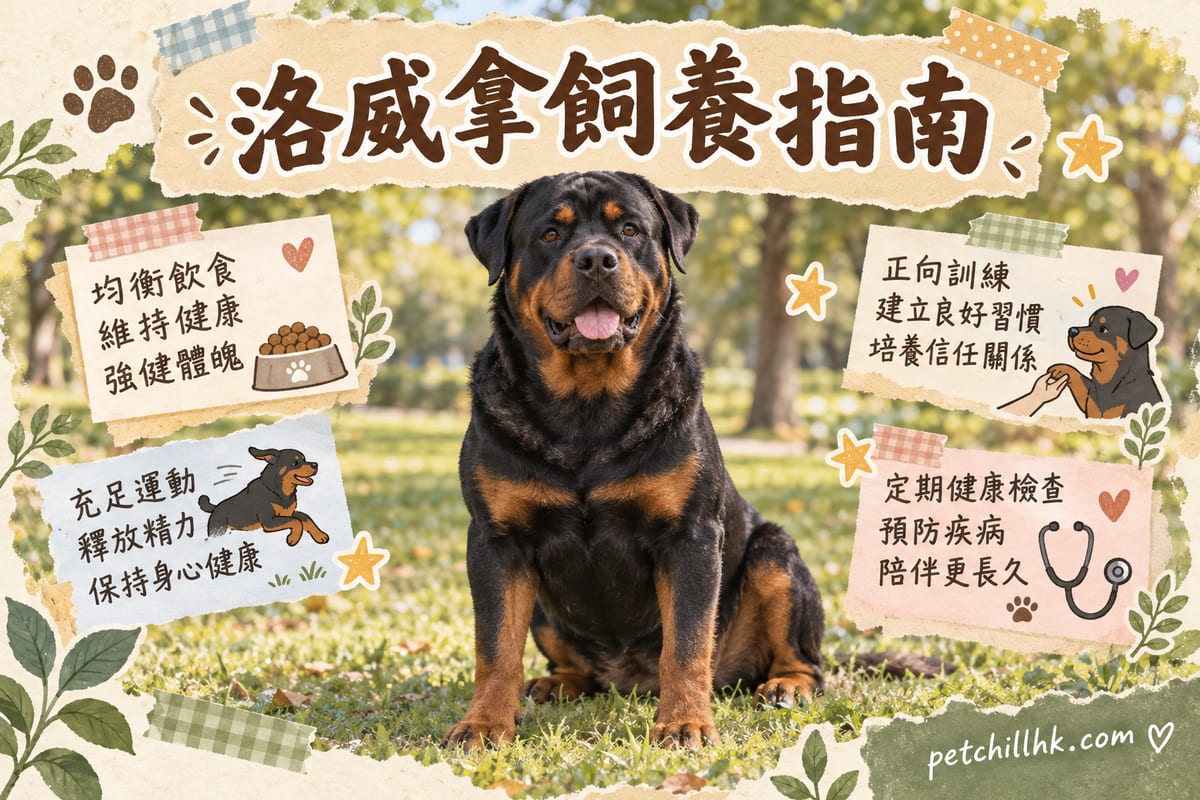
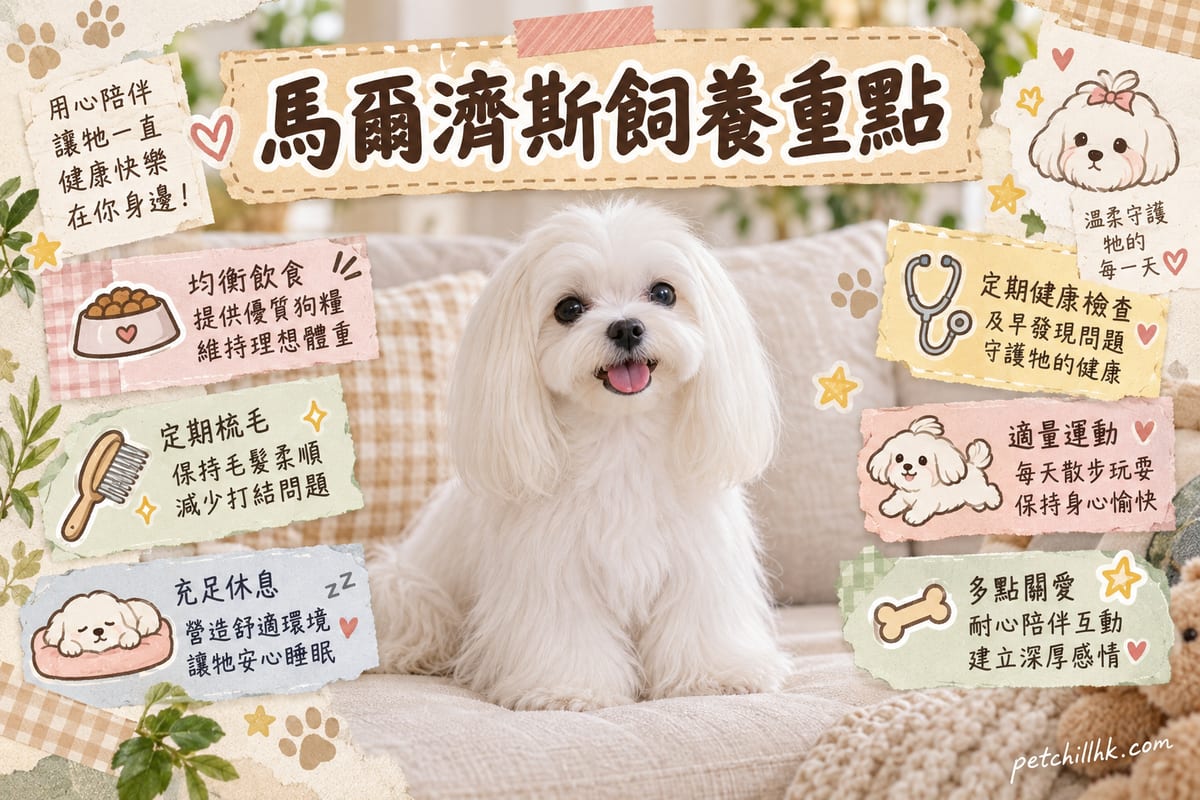
Besides the Pomeranian, you can also compare Beagle, Rottweiler and Maltese — breed guides that compare personality, size and care difficulty.
Frequently asked questions
The questions people ask most about the Pomeranian
The Pomeranian takes its name from the Pomerania region on the border between Germany and Poland. Its ancestors were larger sled-dog types, miniaturised over many generations of breeding into today's toy dog.
In 1888 Queen Victoria of Britain kept a Pomeranian called Marco, which made the breed fashionable among the European aristocracy and turned it into one of the most popular toy breeds in the world.
The Pomeranian is a toy breed, generally only 1.5-3 kg, one of the smallest dog breeds, and suits a compact flat.
It barks easily. Pomeranians are bold and alert and wary of strangers, so they bark readily and need early socialisation training and 'quiet' cue training.
Yes, heavily. The Pomeranian has a dense double coat and sheds all year, far more heavily in shedding season, so it needs daily brushing; be prepared for dog hair all over the flat.
Pomeranian articles
7 articles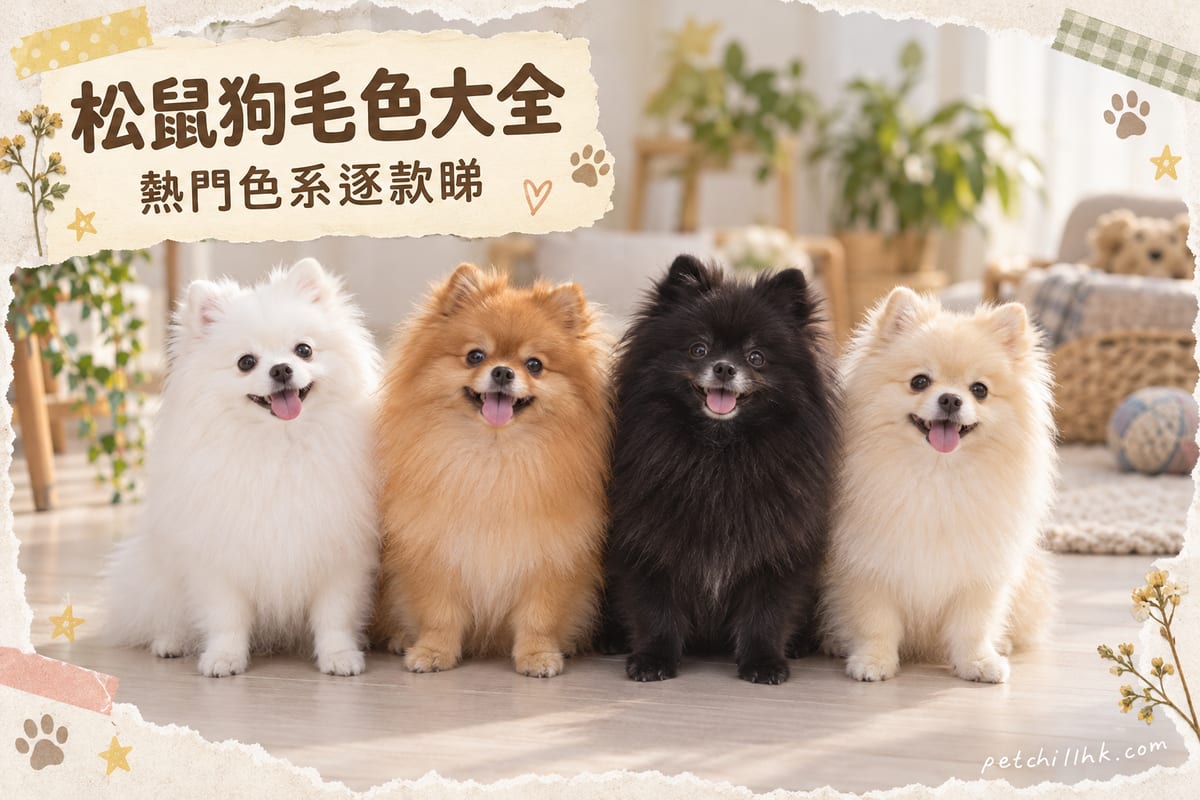
Pomeranian Coat Colours: A Complete Guide for Hong Kong Owners — White, Black and Orange, and What They Cost
How many coat colours do Pomeranians come in? This guide organises the orange, red, cream-white, pure white, black, parti and sable types recognised by the American Kennel Club, covering their features, how common they are in Hong Kong and how their care differs. It explains why white Pomeranians command a premium and when a coat colour is settled, with Hong Kong prices and a care comparison.
Read the full article →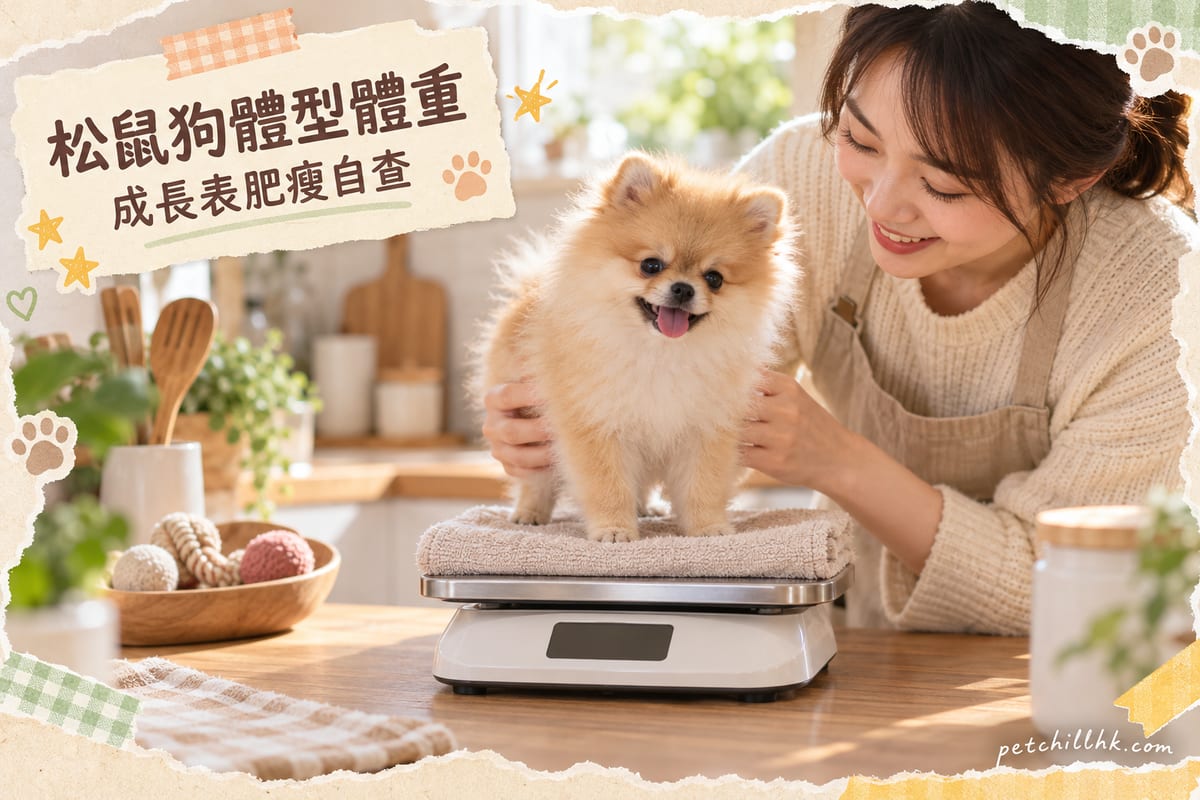
Pomeranian Weight Chart | Hong Kong Pomeranian Growth Standards from Puppy to Senior
How many kilograms should a Pomeranian weigh? This article provides a month-by-month weight growth reference chart from 2 months to over 8 years old, the AKC-recognised size range, the difference between the 'teacup' myth and real bone structure, at-home measuring methods and a three-step body condition score (BCS) self-check, plus feeding amount transitions during puppyhood, treat selection and risk warnings for overweight and underweight — helping you manage your small dog's growth curve for life with one chart and one habit.
Read the full article →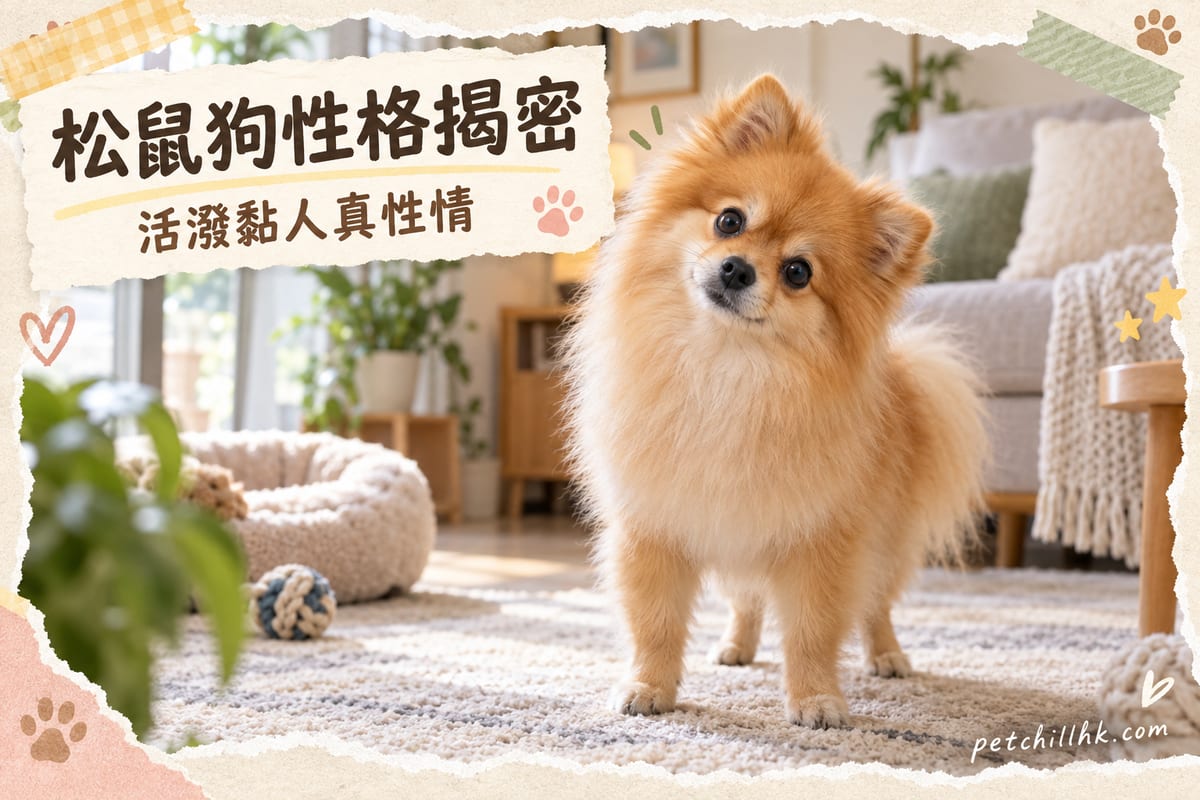
Pomeranian Personality and Intelligence | A Must-Read for Hong Kong Owners: How to Train a Smart but Stubborn Small Dog
The Pomeranian ranks high in canine intelligence but has a stubborn streak—so what is their personality really like? This article breaks down the five key personality traits of the Pomeranian, the difference between obedience and problem-solving intelligence, how they really get along with children and other pets, male vs female personality differences, and common misconceptions. It also offers practical interaction and training advice tailored to these traits, helping families planning to get a dog assess whether this small breed suits their lifestyle.
Read the full article →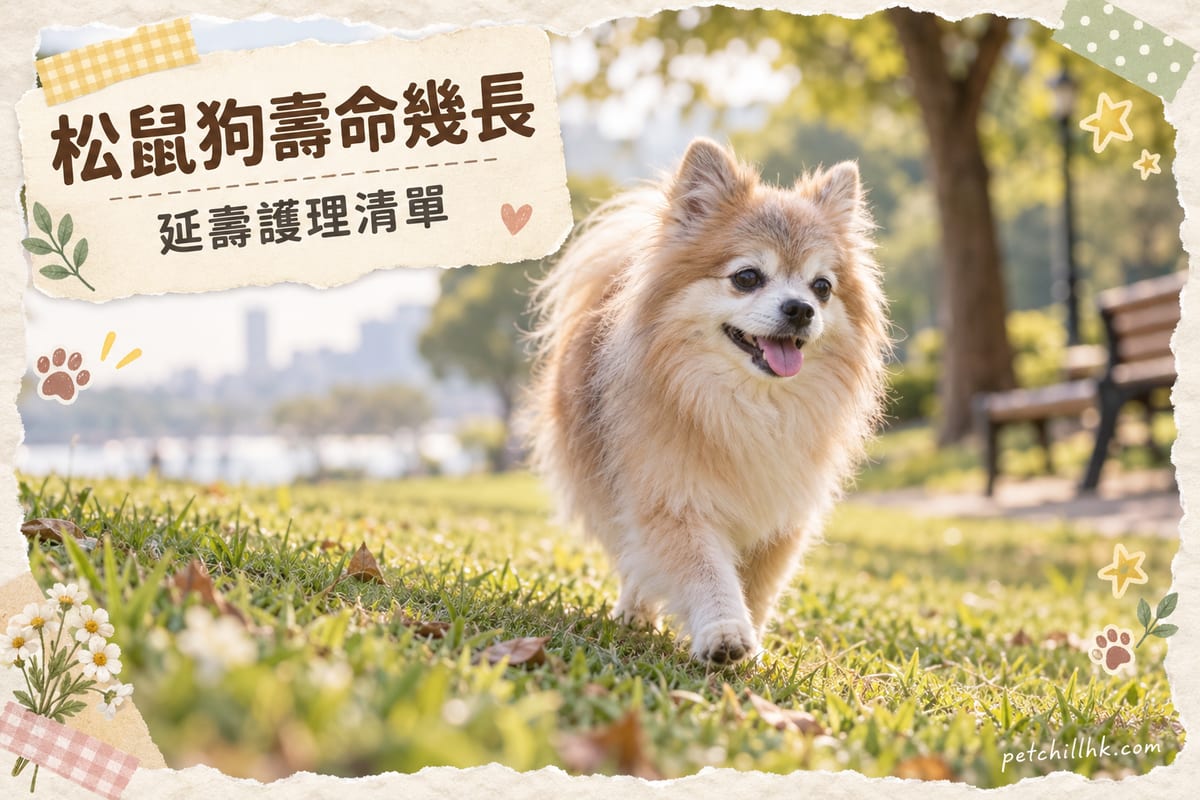
How Long Do Pomeranians Live? A 15-Year Longevity Guide for Hong Kong Owners
Pomeranians typically live around 12 to 16 years, making them one of the longer-lived dog breeds. This article covers the six key factors that affect Pomeranian lifespan—weight management, dental health, patella and trachea, heart screening, diet and quality of life—with a health check timeline from puppy to senior and a longevity checklist. It also explains which symptoms need immediate veterinary attention, helping you protect both the years and the quality of your time together.
Read the full article →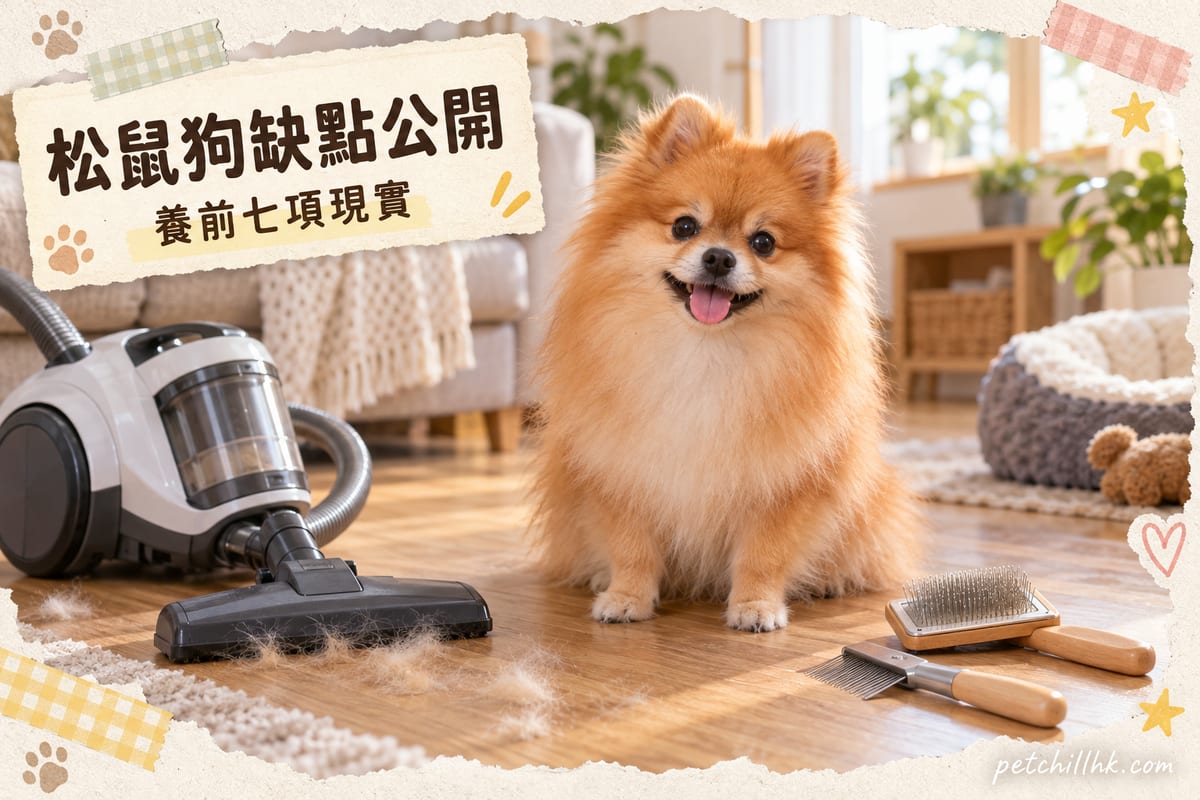
Pomeranian Downsides Fully Disclosed | 8 Honest Assessments and Solutions for Hong Kong Owners
Are Pomeranians easy to keep? This article honestly lists the eight widely recognised downsides: barking, heavy double-coat shedding, fragile bones and patellar luxation, separation anxiety, stubborn temperament, heat sensitivity and heatstroke risk, cumulative dental and medical costs, and the teacup dog market chaos. For each, we provide concrete solutions and cost directions—an assessment checklist that neither discourages nor sugar-coats, helping you make a fully informed, regret-free decision before bringing a Pomeranian home.
Read the full article →
Pomeranian Hong Kong Care Guide: Home, Climate and Legislation
What should you watch out for when keeping a Pomeranian in Hong Kong? This article clearly explains the housing requirements of small dogs, how to check dog-keeping policies in public housing and building deeds of mutual covenant, key points for heatstroke prevention, moisture control and skin care for Pomeranians under Hong Kong's hot and humid weather, walking safety on Tong Lau streets, the Agriculture, Fisheries and Conservation Department's dog licensing procedure, and a four-season management checklist, helping you planning to keep a Pomeranian in Hong Kong Island, Kowloon or the New Territories see all localised topics at once.
Read the full article →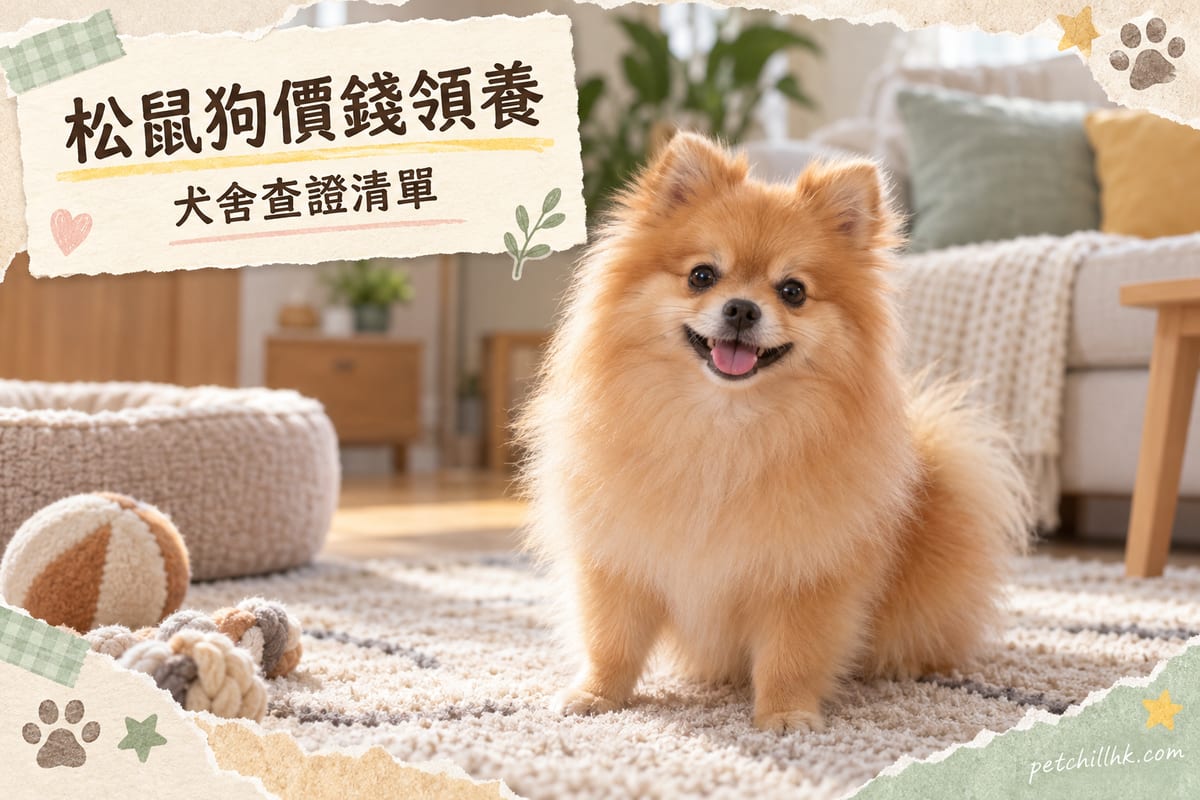
Pomeranian Price and Adoption Guide (Hong Kong) 2026
How much does a Pomeranian cost in Hong Kong? This guide covers 2026 market price references for pet-grade and pedigree-grade Pomeranians, the truth behind teacup and colour premiums, real adoption routes via SPCA and the Civil Association, the risks of 'free puppy adoption' and 'no home visit' offers, plus a monthly cost estimate for small dogs and a buyer's checklist so you can choose wisely whether buying or adopting.
Read the full article →You may also like
Other dog breeds like the Pomeranian