
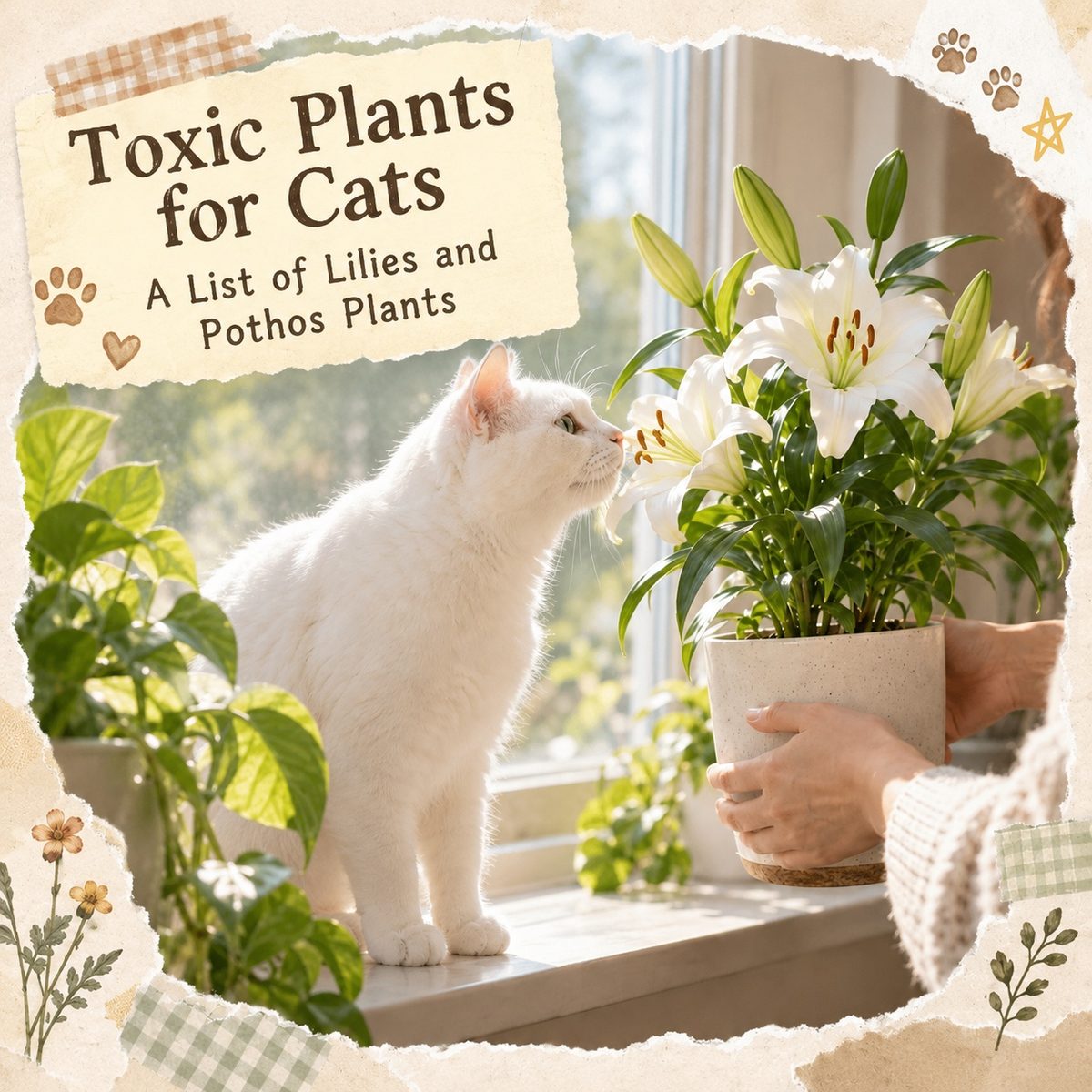
Quick answer: Lilies, daffodils, pothos and other common plants pose a fatal risk to cats. If ingested, take the cat to the vet immediately and contact the SPCA hotline at 2711 1000. Never induce vomiting or delay.
Lilies are fatal to cats: pollen, petals, and even vase water can cause acute kidney failure within 24 to 72 hours. The golden rule for ingestion: take the cat to the vet immediately, do not induce vomiting. This article lists toxic plants and helplines.
To clarify: this article focuses on "plants"; for food and drug poisonings such as chocolate, grapes, and xylitol, please see the companion article "Top Ten Household Poisons." Together, the two articles form a complete home poisoning prevention knowledge base.
Plants That Cat-Owning Households Should Absolutely Avoid
The following list is ordered by danger level; the first level is "life-threatening on contact":
Many varieties commonly seen in Hong Kong flower shops, Lunar New Year markets, and office greenery are on the list. Level 1 (fatal):
- All lilies (Lilium and Hemerocallis daylilies) — renal tubular necrosis, even a small bite of petal or contact with pollen can be fatal, no safe dose exists
- Daffodil — all parts toxic, bulb most toxic, vomiting, diarrhea, abnormal heart rate, seizures
- Tulip — bulb most toxic, severe oral and gastrointestinal irritation
Level 2 (irritation and pain):
- Pothos (golden pothos) — calcium oxalate raphides, oral swelling and pain, drooling, vomiting
- Dieffenbachia — same raphide mechanism as pothos, hoarseness, difficulty swallowing; one of the plants commonly used for worship
- Philodendron, calla lily — oral and throat swelling and pain, severe cases can affect breathing
- Aloe vera — vomiting, diarrhea, poor appetite
Level 3 (caution required):
- Chrysanthemum — dermatitis, drooling, unsteady gait
- Azalea — drooling, vomiting, decreased blood pressure
- Oleander — cardiotoxic, dangerous even in small amounts; common in park landscaping, watch that cats don't bite it during walks
A note: "toxic to cats" and "fatal after one bite" are two different things. Most level 2 and 3 plants cause oral irritation or gastrointestinal upset, and with early treatment the prognosis is good; the real dividing line is varieties like lilies and daffodils that can be fatal in small amounts—these are the ones to "eliminate completely from the home."
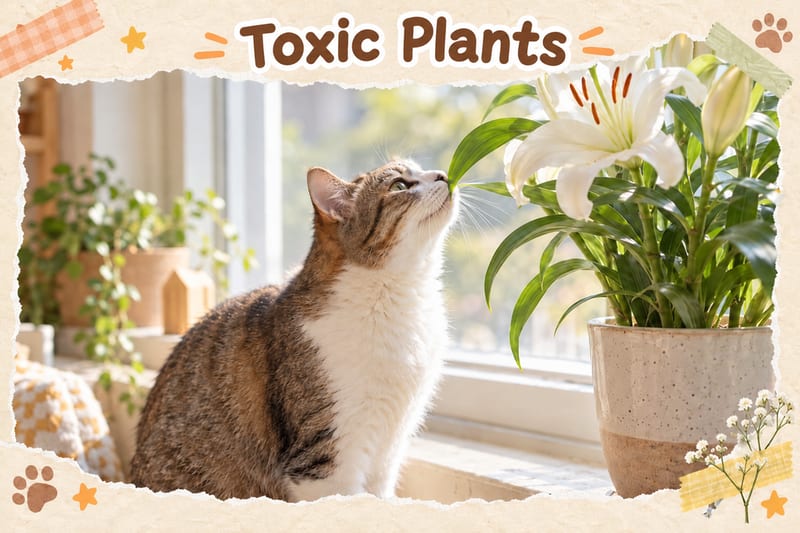
Symptoms and Timeline of Accidental Poisoning
Onset times vary by toxin, but early symptoms are highly similar, and owners easily mistake them for "just an upset stomach" and ignore them:
| Stage | Common Symptoms | Note |
|---|---|---|
| Early (0-6 hours) | Vomiting, drooling, poor appetite | Most easily overlooked |
| Middle (6-24 hours) | Diarrhea, lethargy, unsteady gait | Should have seen a vet by now |
| Late (24-72 hours) | No urine, dehydration, seizures, coma | Kidney failure stage of lily poisoning |
The most insidious thing about lily poisoning: after a day or two of initial vomiting, the cat may seem to "get better," but the renal tubules are actually necrotizing. After 24 to 72 hours, the cat enters the anuric phase, and by then it's too late to rescue. So if you suspect lily ingestion, even if the cat seems fine, go to the emergency vet the same day.
The veterinarian's approach is also clear: early on, induce vomiting (under professional judgment), administer activated charcoal, then support the kidneys with continuous intravenous fluids for several days to allow toxins to be excreted. This explains why "early presentation" matters—fluid therapy started within hours of ingestion is far more effective than waiting for kidney failure symptoms to appear.
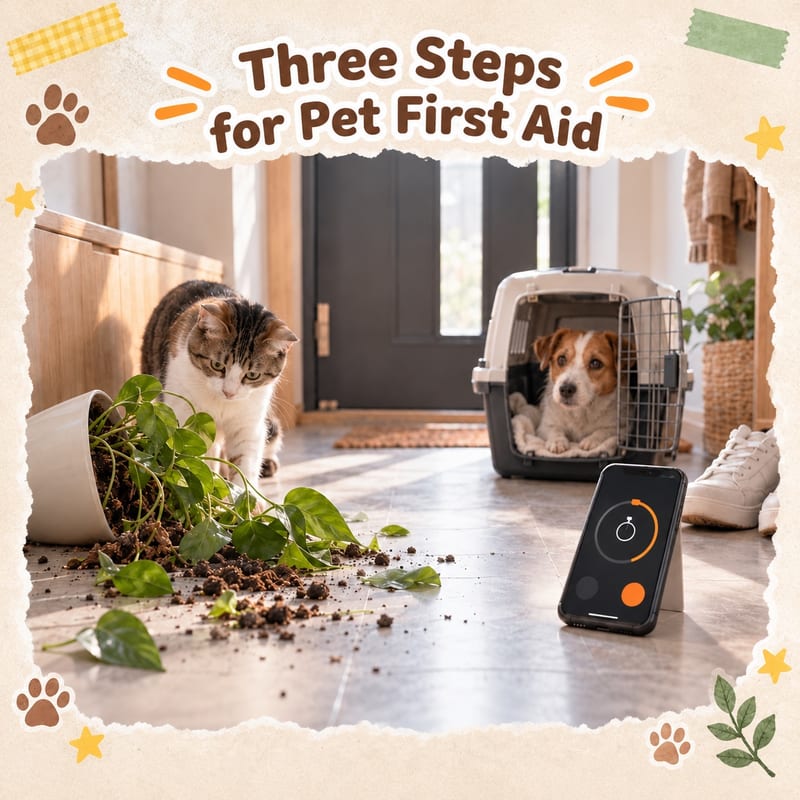
Three Emergency Steps After Ingestion
- Confirm what was eaten: photograph the whole plant, keep a sample of vomit or the pot label to help the vet identify the toxin
- Call for medical help immediately: contact a 24-hour animal hospital; if unsure of the next step, call the SPCA animal rescue/emergency hotline 2711 1000 for advice (general enquiries 2802 0501); the SPCA headquarters in Wan Chai has a 24-hour animal hospital
- On the way: keep the cat warm, do not feed or give water, absolutely do not induce vomiting yourself—calcium oxalate raphide plants can cause secondary burns to the esophagus, and inducing vomiting with some toxins actually accelerates harm; also do not give home remedies like milk or salt water—they do not neutralize the poison and may bring other risks
⚠️ Golden rule: For poison ingestion, "fast" is more important than "perfect." Waiting for symptoms to appear before taking the cat to the vet greatly reduces the survival rate. Save the hotline 2711 1000 in your phone now.
Grass-Eating Is Instinctive—How to Let Your Cat Eat Safely
Many cat owners think cats "know what they're doing" when eating plants and ignore it, but grass-eating is instinctive—it aids digestion, promotes motility, and helps expel hairballs. The problem is not the behavior but eating the wrong thing. Safe practices:
- Grow your own cat grass (wheatgrass or oat grass in pots) and place it where the cat often passes by, giving it a "legal plant" it can bite with impunity
- Wheatgrass seeds sprout quickly, one windowsill is enough for a season, and the cost is minimal
- Even with cat grass, toxic plants must still be removed—a cat won't avoid lilies just because it has options
- Watch for sudden changes in plant-eating behavior; if accompanied by weight loss and frequent vomiting, see a vet to check the gastrointestinal tract
- If the cat only likes to chew plastic bags or threads rather than plants, this is a warning sign of pica and worth following up with the vet
Another reminder: in multi-cat households, poisoning risk is harder to manage because "you don't know which cat ate it," so the safest approach is still to eliminate level 1 plants completely from the home, rather than hoping to observe which cat is affected.
How to Check If Household Plants Are Safe
Before buying a new plant, use these three self-checks:
- Photo search for toxicity: use a plant identification app to confirm the actual species name (don't trust the flower shop's verbal name—many different species share the same common name), then check that species' toxicity to cats
- Ask about the source of floral gifts: Lunar New Year flowers (daffodils, tulips), worship flowers (lilies), Valentine's Day bouquets—all are high-risk sources for Hong Kong cat-owning households. Before receiving flowers, tell friends and family "I have cats, no lilies," or simply ask for a cat grass pot instead—practical and safe
- Fake plant trap: plastic plants may have chemical residues and small parts that can harm cats; real cat grass is better
When to See a Vet Immediately
If any of the following occur, do not hesitate—go to the emergency vet immediately: any vomiting or poor appetite after contact with lilies; persistent drooling, oral redness; bloody diarrhea; unsteady gait, seizures; complete absence of urine for over 12 hours. This article is for reference only; for specific diagnosis and treatment, consult a registered veterinarian.
Common Misconceptions Debunked
- "Just a little bit should be fine": Lilies have no safe dose; even licking pollen counts as exposure
- "Plants are natural, so they can't be toxic": Natural toxins (calcium oxalate, alkaloids) are precisely the plant's self-defense weapons
- "The neighbor's cat ate it and is fine": Individual differences are not a safety standard; kidney failure gives no second chance
- "Out of reach is safe": Cats can jump high, and pollen drifting to the floor can still cause poisoning
What You Can Do Starting Today
- Check every plant in your home and office that the cat frequents, and eliminate dangerous species according to this list
- Save SPCA 2711 1000 in your phone, and make sure family members know which 24-hour vet is nearest
- Buy cat grass seeds and place a pot of "legal plant" along the cat's route
- Set rules with family and friends: no lilies or daffodils as gifts
To learn about food-related poisoning
(chocolate, grapes, xylitol, etc.), please see the companion article "Top Ten Household Poisons." The two articles complement each other for complete poisoning prevention knowledge; for plants and supplies, check reviews on petfood.com.hk.
Further Reading
PetChill Pet Safety Team — Hong Kong's most authoritative pet knowledge platform
 K9 Natural full guide →
 Feline Natural full guide →