
Quick answer: A good follow-up visit is half done before you leave home. Bring 4 pieces of information (two-week changes, appetite and water intake, vomiting and stool records, home record sheet) and the vet can decide faster whether medication needs adjusting. Cats with chronic conditions that are stable should have a follow-up every 3 to 6 months; if there is refusal to eat, rapid breathing, or sudden hind leg weakness, don't wait for the appointment—seek help immediately.
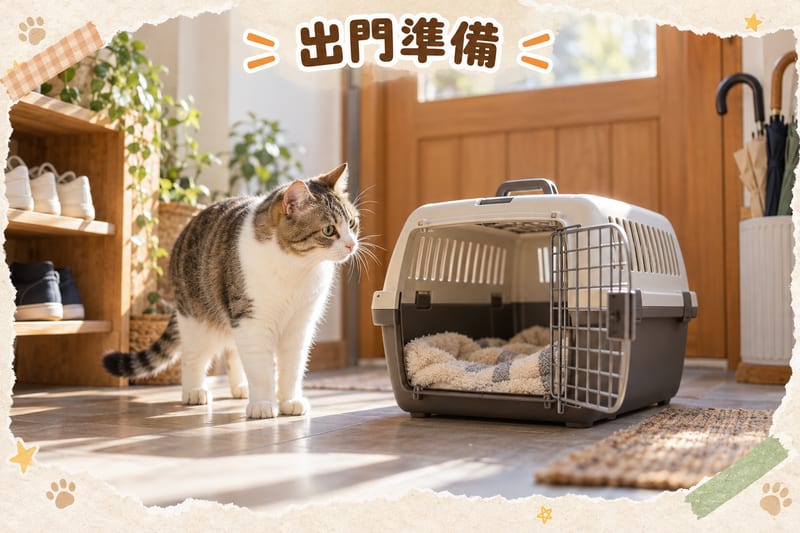
7 things to bring before you leave home
| # | What to bring | Purpose |
|---|---|---|
| 1 | Carrier + familiar blanket | Reduces stress, stabilises body temperature |
| 2 | Home record sheet | Weight, water intake, urine clump trends |
| 3 | Current medication list / pill box | Avoid duplicate medication or dose confusion |
| 4 | Photos of food and can packaging | Shows formula and nutritional ratios directly |
| 5 | Fresh urine and stool samples | Needed for some tests; ask the clinic first |
| 6 | Water and food intake records | Two-week changes are more useful than a single day's numbers |
| 7 | Clinic contact number | Confirm fasting requirements and timing before leaving |
Five minutes before leaving, double-check: carrier fastened, blanket in place, cat not wearing a loose collar.
Hong Kong vet fees: how to ask clearly
Fees vary widely between Hong Kong clinics; the same test can cost more than double at different places. Here is a general breakdown (reference prices only; actual quotes from each clinic apply):
- General consultation: from a few hundred HKD per visit.
- Blood tests: basic panels from a few hundred HKD; adding thyroid T4, SDMA, etc. costs more.
- Urine tests: generally within a few hundred HKD.
- Imaging (X-ray / ultrasound): mostly from over a thousand HKD; cardiac ultrasound usually more.
- Emergency / night consultation: extra charges apply; some clinics only offer at specified times.
When you call, ask three questions directly: 'Which tests are you recommending this time?' 'What is the approximate total?' 'When should we come back next?' This avoids making decisions on the spot at the clinic.
4 things to tell the vet
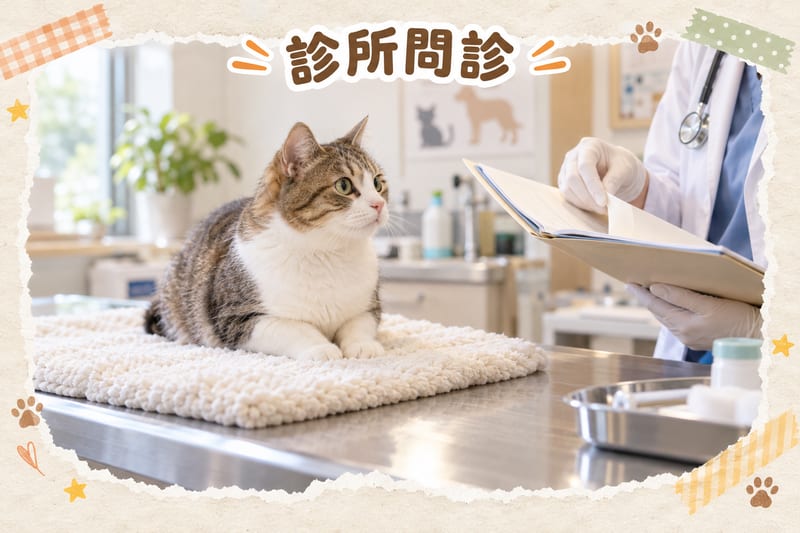
- Timeline: when symptoms started, what changed in the last two weeks.
- Numbers: weight, water intake, number of urine clumps, appetite (a record sheet is best).
- Abnormal events: number of vomits, stool consistency, any eaten wrong things or missed medication.
- Home observations: energy, willingness to jump, breathing rate.
If you're not sure how to describe something, show the vet a phone video—it's more accurate than words.
How to read blood test results (for basic understanding)
| Item | Reflects | Notes |
|---|---|---|
| Creatinine (CRSC) | Actual kidney function | Affected by dehydration; usually interpreted with urine specific gravity |
| BUN | Indicator of kidney dysfunction | Reference book records normal cat range around 15 to 29 |
| SDMA | Earlier kidney function indicator | Helps detect changes earlier |
| Blood glucose | Diabetes risk | Reference book records that above 250 may indicate diabetes risk |
| T4 | Thyroid function | Hyperthyroidism common in older cats |
| Phosphorus | Kidney disease control indicator | Usually adjusted with diet |
| Pancreatic markers (LIPASE / fPLI) | Possible pancreatic damage | Elevation must be interpreted with clinical signs |
Important: Don't draw conclusions from numbers you find online. The same value can change with dehydration, stress, or timing of food intake; the vet must interpret it together with the examination.
24-hour observation after returning home
- Energy: after anaesthesia or sedation there may be a groggy period, usually improving within a few hours.
- Appetite: you can start with a small amount of easy-to-eat wet food or soup can. Examples available in Hong Kong: Capylicious Hydrating Soup Can Tuna 140g (reference price HK$14), AIXIA Kidney Care Complete Wet Pouch 40g (reference price HK$8.5).
- Urination and defecation: record when the first one happens; if none within 24 hours, notify the clinic.
- Wound or injection site: watch for swelling, bleeding, or constant licking.
- Breathing: count breaths while asleep; if noticeably increased, ask your vet.
When to seek an earlier follow-up, don't wait
- Complete refusal to eat for more than 24 hours
- Persistent vomiting or diarrhoea
- Extremely low energy, not moving
- No urine for 24 hours
- Rapid breathing or open-mouth breathing
- Sudden hind leg weakness, dragging legs
3-day preparation timetable before follow-up
A follow-up shouldn't be about 'looking for information on the day'. This timetable makes the whole process much smoother:
| Time | What to do |
|---|---|
| 3 days before | Organise home record sheet, calculate two-week weight and water intake trends |
| 2 days before | Photocopy or photograph medication list, food and can packaging; if needed, collect urine and stool sample containers |
| 1 day before | Call to confirm fasting requirements, whether to bring samples, fee range |
| Morning of appointment | Follow clinic instructions on medication timing; set up carrier with blanket and let cat rest inside beforehand |
| Before leaving | Bring all 7 items, phone fully charged (may need to show videos, photograph reports) |
If your cat also has diabetes or needs insulin injections on time, you must ask the clinic in advance about medication arrangements before leaving home; don't stop anything on your own.
After the follow-up: turn information into action
Many owners leave the clinic only remembering 'need to come back'. Here are three things to do the same day:
- Note the follow-up date and tests: put it in your phone calendar with a reminder one week ahead.
- Update the home record sheet: write the new target weight, medication dose, and fluid therapy frequency at the top, then check daily.
- Check medication dose and remaining supply: calculate whether you have enough until the next follow-up; if not, ask the clinic for a refill early.
If the vet recommends a diet change or supplements, record 'start date and amount' on the same day, then observe for two to four weeks before assessing the effect.
Common misconceptions
| Misconception | Reality |
|---|---|
| 'Follow-up is just repeat blood tests' | The focus is trend comparison, medication adjustment, and quality of life assessment |
| 'If the cat is scared, don't take them' | Regular follow-up is core to chronic disease management; carrier training can reduce stress |
| 'If the report has no red flags, no follow-up needed' | Trends matter more than single numbers; the vet looks at rate of increase |
| 'I can stop medication myself' | Chronic disease medication must not be stopped or adjusted without veterinary advice |
How to get the most accurate blood test results
The same cat can have very different numbers under different conditions. To make the report reflect reality, note the following:
- Reduce stress: cats get stressed at the clinic, which can temporarily raise blood glucose, white blood cells, etc. Use a familiar blanket, spray pheromones, or shorten waiting time (book during non-busy hours).
- Fast as instructed: most require 6 to 8 hours fasting, but diabetic cats and those on timed medication must be discussed in advance.
- Maintain normal water intake: don't restrict water for 'fasting'; dehydration directly affects kidney values.
- Bring medication list: some drugs affect readings (e.g. diuretics, steroids).
- Book at the same time of day: try to schedule the same time and same clinic each time for easier trend comparison (reference ranges may differ between laboratories).
If the vet says 'values are slightly elevated, recheck next time', it doesn't mean you can relax completely—watch the trend. Remember to ask 'when is the next test, and should we also test urine then?'
Key summary
- ✅ Bring all 7 items before leaving home; follow-up efficiency is much higher
- ✅ Explain 4 things: timeline, numbers, abnormal events, home observations
- ✅ Ask the clinic about fasting requirements before blood tests; cats with chronic conditions must not fast arbitrarily
- ✅ Observe energy, appetite, urination/defecation, and breathing for 24 hours after returning home
- ✅ Refusing food, rapid breathing, hind leg weakness = seek help immediately
- ❌ Don't interpret report numbers yourself and draw conclusions
- ❌ Don't wait until the scheduled follow-up to deal with sudden symptoms
The above is general information and does not replace veterinary diagnosis; if your cat has persistent symptoms, please take them to a vet clinic as soon as possible.
Further reading: Early warning signs of chronic disease in cats, Guide to caring for cats with chronic kidney disease, Diet management for cats with chronic conditions, Guide to heart disease in cats, Cat health overview

 AIXIA full guide →