
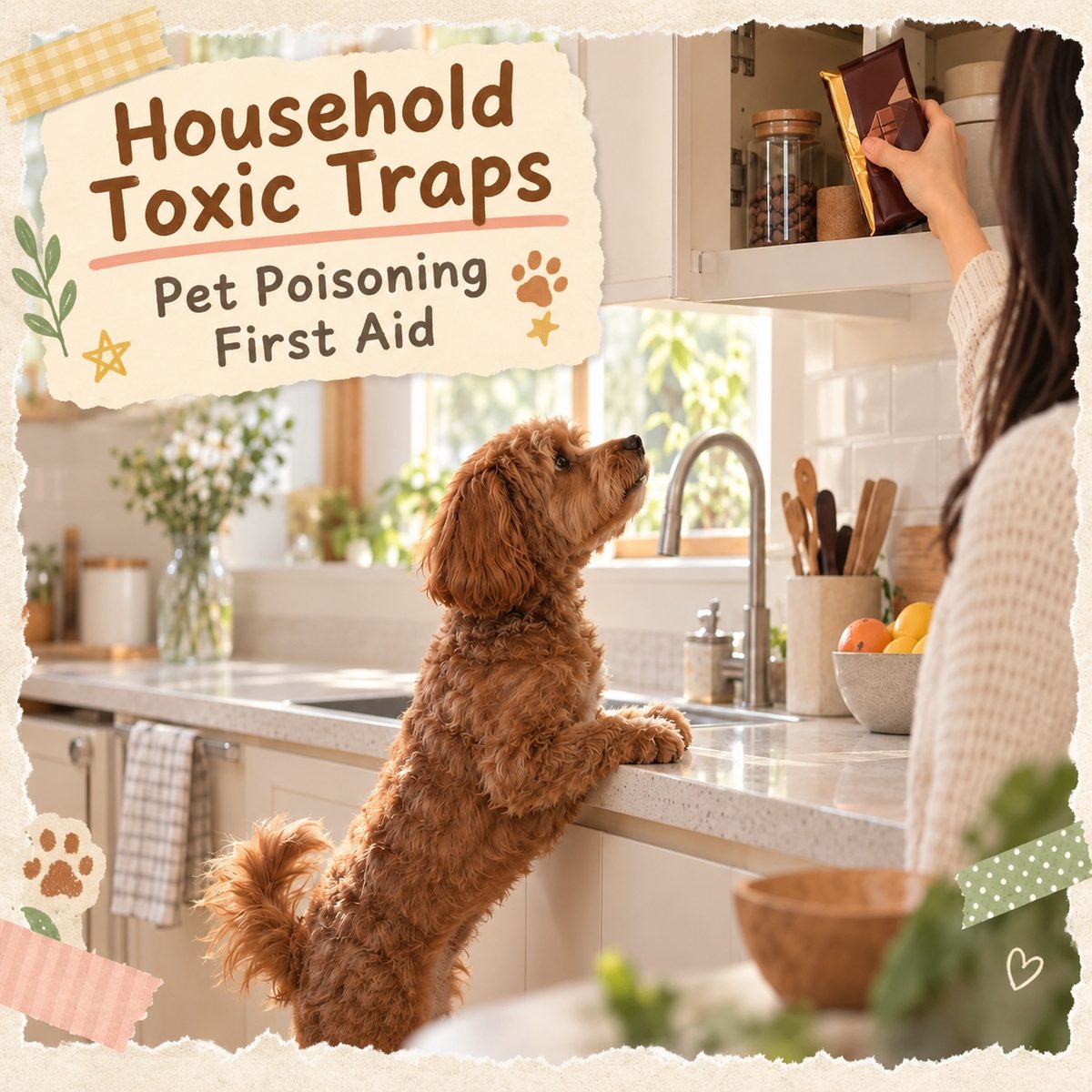
Quick answer: If your cat or dog eats chocolate, grapes, xylitol, onions or painkillers, remember the 'three no's': do not induce vomiting, do not force home remedies, do not wait and see. Call the SPCA 24-hour hotline at 2711 1000 immediately, bring the packaging and a sample of vomit to the vet — the faster you act, the higher the survival rate.
Chocolate, grapes, xylitol, onions and painkillers are the five most deadly poisons for cats and dogs, and cleaning agents and alcohol are also dangerous. The rule for ingestion: call the vet immediately, do not induce vomiting, bring the packaging to the vet. See below for helplines.
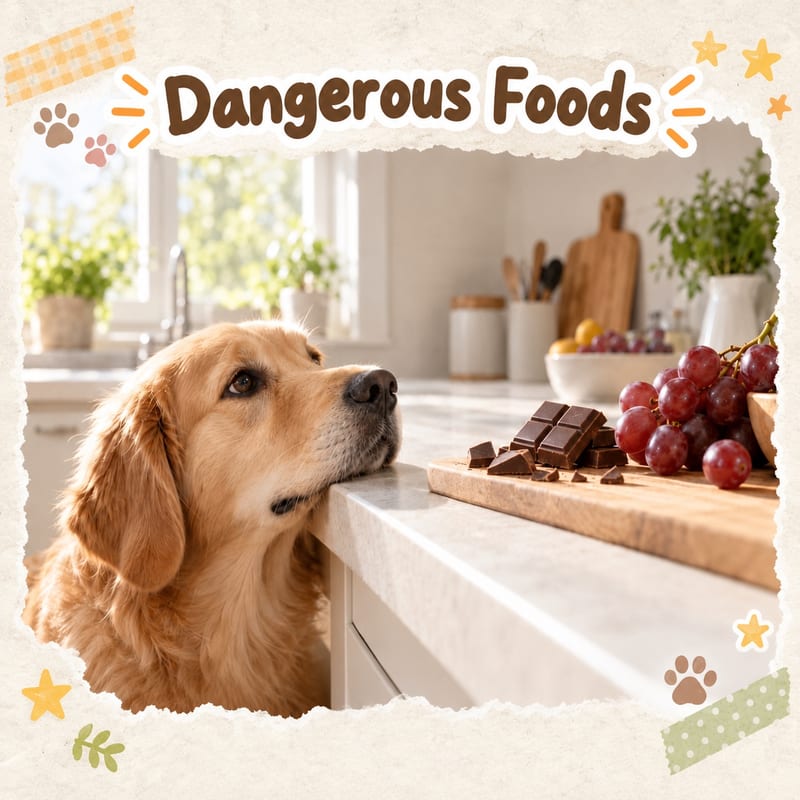
Food Poison Ranking: Which Is Most Dangerous
| Poison | Mechanism of toxicity | Danger level |
|---|---|---|
| Xylitol (sugar-free gum) | Insulin surge, blood sugar crash, liver damage | Dangerous even in small amounts |
| Grapes / raisins | Acute kidney failure, mechanism unknown but no safe amount | Dangerous even in small amounts |
| Chocolate (dark, cooking) | Theobromine: vomiting, heart palpitations, seizures | Dose by body weight |
| Onions / garlic / chives | Destroy red blood cells → hemolytic anemia | Cumulative |
| Alcohol, coffee, tea | Neurological and cardiac toxicity | Dangerous even in small amounts |
| Raw eggs, bone fragments | Salmonella / intestinal perforation | Depends on situation |
Not listed in the table but also to watch out for: raw yeast dough (ferments in the stomach producing gas and alcohol), high-salt preserved foods (cured meats, pickles — sodium poisoning), butter and dairy products (adult cats are lactose intolerant, leading to diarrhea and dehydration). These three are mostly 'not fatal but cause great suffering' — still do not feed them.
Three easily underestimated points: First, garlic toxicity is cumulative — adding a little soup base to meals every day can lead to anemia weeks later, making the source hard to trace. Second, xylitol hides in many places — sugar-free candies, mints, some peanut butters, even pet toothpaste; always read labels. Third, raisins look like 'fruit' but are in the most dangerous category — watch out for baked goods and breads too.
Medications and Cleaning Agents: The Second and Third Major Poison Sources
Medications are frequent visitors to the emergency room because they are kept on tables and bedside cabinets — exactly where cats and dogs love to rummage:
- Paracetamol (fever and pain relief): Highly toxic to cats — one tablet can be fatal; cats lack the enzyme to metabolize it, red blood cells are directly damaged, and purple-brown gums are a danger sign.
- Anti-inflammatory painkillers (ibuprofen type): Cause stomach bleeding and kidney damage in dogs.
- Cold medicines, Chinese patent medicines: Often contain caffeine and pseudoephedrine — double risk.
- Iron pills, vitamins: Overdose of iron and vitamin D can be toxic. 'Supplements' and 'tonics' are not automatically safe — what is fine for humans is not necessarily fine for cats and dogs.
- Blood pressure medications, psychiatric drugs: Cases of dogs vomiting, blood pressure fluctuations and lethargy after scavenging are not uncommon.
Hong Kong living spaces are small, so medications and pets are almost always within reach. Keeping medicines locked in cabinets is not an exaggeration for pet-owning households — it is basic.
Cleaning agents have two routes of poisoning: direct ingestion (bleach, stain removers, drain cleaners) and licking paws while the floor is still wet — the latter is most common; cats have little taste warning and will walk on wet floors and then lick their paws. Safe practice: keep cats out of the room while cleaning, then mop again with clean water and let the floor dry completely before letting them out.
⚠️ Never assume 'diluted is safe': disinfectants and essential oils (tea tree, pine oil) are beyond cats' liver metabolism capacity — even skin contact can cause poisoning.
Four Steps for Ingestion First Aid + Helplines
- Get the facts: What was eaten, roughly how much, when — these three pieces of information determine the vet's treatment plan; photographing the packaging label is most practical.
- Call for advice immediately: Call the nearest 24-hour animal hospital; if you don't know which is fastest or are unsure of severity, first call the SPCA animal rescue/emergency hotline 2711 1000 (general enquiries 2802 0501). The SPCA headquarters in Wan Chai has a 24-hour animal hospital.
- Do not induce vomiting yourself, do not force home remedies: Inducing vomiting after bleach or oil-based products can cause second-degree burns to the esophagus; milk and salt water do not neutralize poison, and salt water can cause sodium poisoning. Induce vomiting only under a vet's telephone instructions.
- On the way to the vet: Bring the packaging and a sample of vomit, keep the pet warm, and do not feed or give water.
Time is survival rate: Most poisons are best treated within 1 to 2 hours of ingestion. Save the above hotlines in your phone now and stick them on the fridge door — in a real emergency people panic and no one remembers numbers.
One more bottom line for emergency handling: If cleaning agents get on the skin, rinse with plenty of water for at least 15 minutes before going to the vet; wear gloves to avoid contact with the chemical yourself. If splashed in the eyes, rinse continuously with water from the inner corner outward. For these external exposures, as with ingestion, bring the product label so the vet can see the ingredients.
Home Poison Prevention Checklist
Spend ten minutes doing a full home inspection, focusing on five areas:
- Tabletops / bedside cabinets: Pills, alcoholic drinks, chocolate tins — all locked in cabinets or placed high up.
- Garbage area: Takeaway bones, used medicine packets, tissues with cleaning agents — a lidded bin is the most cost-effective safety investment, worth ten thousand times the emergency vet fee.
- Handbags: After coming home, check handbags for fallen candies, mints, chewing gum.
- Bathroom storage: Insecticides, mothballs, essential oils — all stored behind closed doors; cases of dogs chewing and swallowing mothballs occur every year, so take extra care.
- Food preparation area: Do not leave onions and garlic on the counter; after baking raisin cakes, immediately bag and store them in a cabinet.
- Communicate with housemates: If you have a domestic helper or elderly person living with you, explain the danger list in this article once — do not assume they know 'dogs can't eat chocolate'.
For multi-cat/multi-dog households, add one more: poisoning symptoms are hard to trace to the culprit, so design prevention standards for 'the greediest one'.
When to See a Vet Immediately: Poisoning Warning Signs
If any of the following appear, do not observe — go straight to emergency: repeated vomiting or vomiting blood, excessive drooling, weakness or circling, chemical smell on the breath, pale or purple-brown gums, seizures, sudden increase in drinking and urination. Even if the cat or dog 'still seems lively', if you confirm ingestion of high-risk items like xylitol, grapes, lilies or paracetamol, seek veterinary care the same day — these poisons have a false recovery window, and by the time symptoms appear it is often too late.
High-Risk Scenario Reminder
Holidays are peak ingestion times: Chinese New Year candy jars left on tables, Mid-Autumn Festival egg yolk lotus seed paste (high sugar and salt), Halloween sugar-free candies with xylitol — every holiday brings emergency cases. During festivals, simply keep pets in a food-free room — the simplest flood prevention measure.
What You Can Do Starting Today
- Do a full home inspection once: lock away pills, chocolate, onions and cleaning agents in high cabinets.
- Save the rescue hotline 2711 1000 in your phone, and tell your family which 24-hour vet is nearest and how to get there.
- Replace all bins with lidded versions; take leftover takeaway bone boxes and medicine packets out immediately — do not leave them overnight.
- Print the danger list from this article and stick it in a prominent place in the dining room, so everyone (including domestic helpers and elderly) has the same understanding.
Plant poisoning (lilies, pothos, daffodils) and food poisoning are two separate lists: for plants, see the sister article 'Toxic Plants for Cats'; for which food ingredients are safe and which canned foods contain questionable additives, check reviews item by item at petfood.com.hk. Together, these two articles form a complete Hong Kong-style home poison prevention knowledge base.
Further Reading
- Toxic Plants for Cats →
- Pet Safety and First Aid →
- Summer Heatstroke →
- Cat Vaccines →
- Pet Safety Course →
PetChill Pet Safety Team — Hong Kong's most authoritative pet knowledge platform
 Fuji One full guide →

