The pet behaviour questions that come up most often in Hong Kong homes fall into three groups again and again: dangerous plants and scents, fruit and vegetable feeding portions, and anxiety-related breathing changes. Below we go through each one clearly and set out when you must see a vet immediately.
Quick answers
- Aroid foliage plants (Dieffenbachia, calla lily, pothos, dumb cane, Monstera) contain insoluble calcium oxalate; if a cat or dog bites them, it causes oral burning, drooling and vomiting. True Lilium plants are nephrotoxic to cats and are even more dangerous.
- Jasmine itself has low toxicity, but you must distinguish plants that share the same name but are different species; strong fragrance and essential oils can irritate cats that already have airway sensitivity.
- Essential oils should not be used to relax cats, nor as repellents. Cats have a limited ability to metabolise essential oil components, and both diffusion and skin contact carry risks.
- Citrus (orange, lemon, grapefruit) peel, leaves and essential oils contain limonene and linalool, which are irritants and a metabolic burden for cats; the flesh is also not recommended as a treat.
- Fruit and vegetables should always be peeled, pitted, deseeded, cut small, plain with no sugar or salt, given only as treats, with portions adjusted by body weight; grapes and raisins should never be fed.
- Anxious rapid breathing has a trigger and can settle; rapid breathing with no trigger that persists even at rest should be treated as an emergency.
Key points
- Plant risk comes in three tiers: calcium oxalate irritant type (Dieffenbachia, calla lily), nephrotoxic type (true lilies), and same-name-different-species confusion type (jasmine, gardenia). The principle is to identify the botanical name first, not just trust the common name used by the flower shop.
- Scent does not equal safe: essential oils such as citrus, mint, tea tree and eucalyptus are a burden on cats' metabolic system; diffusers, sprays, cloth residue and "natural pest repellent" products are all common routes of exposure.
- Preventing chewing relies on environmental design: barriers, zoning, providing alternatives and rewarding good behaviour — all four together are effective; punishment and scent repellents only increase stress.
- Feeding requires attention to portion and preparation: the same fruit prepared differently is two different risks — for example, apple can be given in small amounts once cored, but not with seeds; grapes and raisins should never be fed, no matter the amount.
- Rule out illness first with picky eating: dental pain, oral inflammation, gastrointestinal problems and internal medical conditions can all cause a cat to refuse food; see a vet before behaviour training.
- Body weight is linked to respiratory reserve: obesity reduces chest and abdominal room to move and exercise tolerance; managing weight early is easier than remedying it later.
Most Hong Kong flats are small in area with open-plan layouts, where the kitchen, windowsill and living room are almost continuous, making it very easy to place plants and essential oil products within pets' reach. At the same time, cats and dogs lick their fur, lick their paws and explore the floor every day, so the distance between "contact" and "swallowing" is shorter than you would think. Below we start with plants and scents, then cover fruit and vegetable portions, picky eating and switching food, feeding height and exercise, and finally focus on distinguishing breathing changes and when to seek medical help.
This article only covers risks, behavioural principles and when to seek medical help; it does not provide any medication, dosage or self-treatment methods. Anything involving medication, inducing vomiting or any treatment decision must be judged by a vet.
Which foliage plants must cats absolutely avoid? What effects do Dieffenbachia, calla lily and jasmine have on the respiratory system?
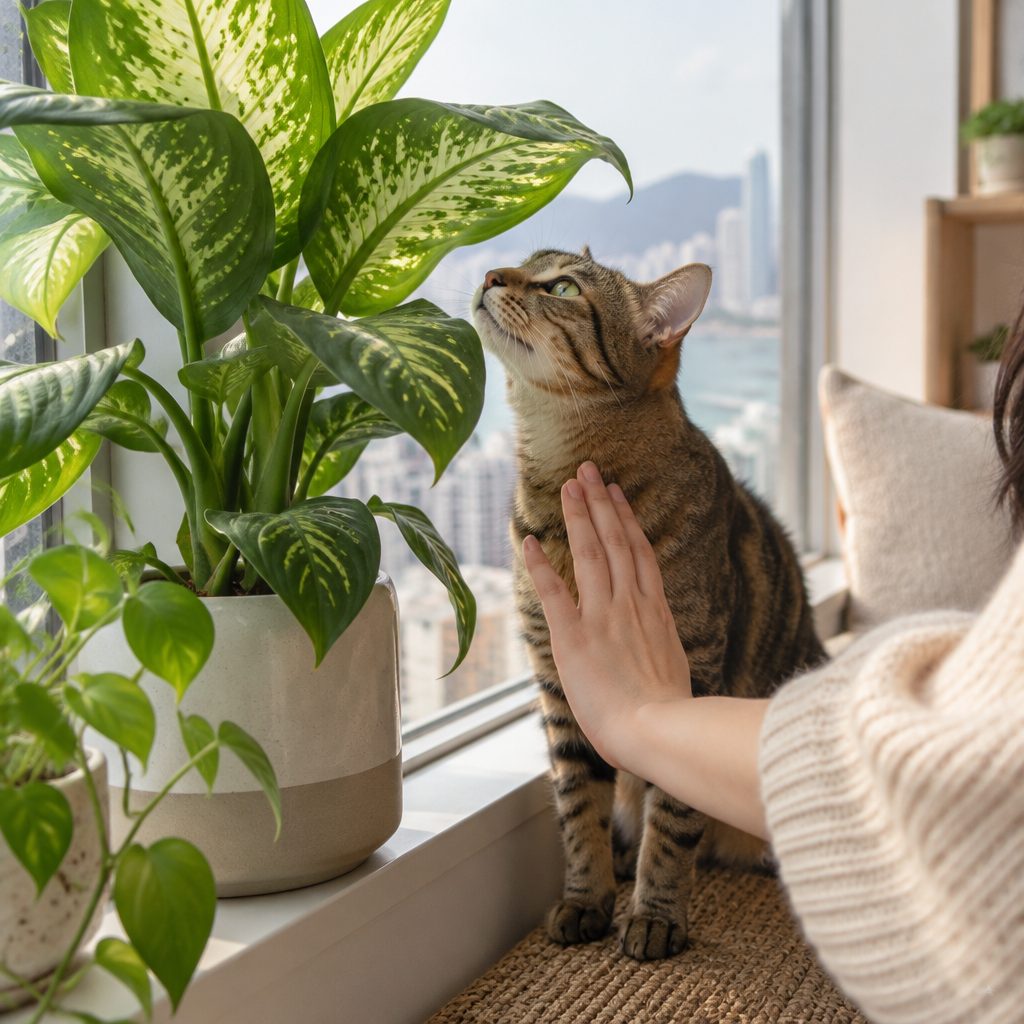
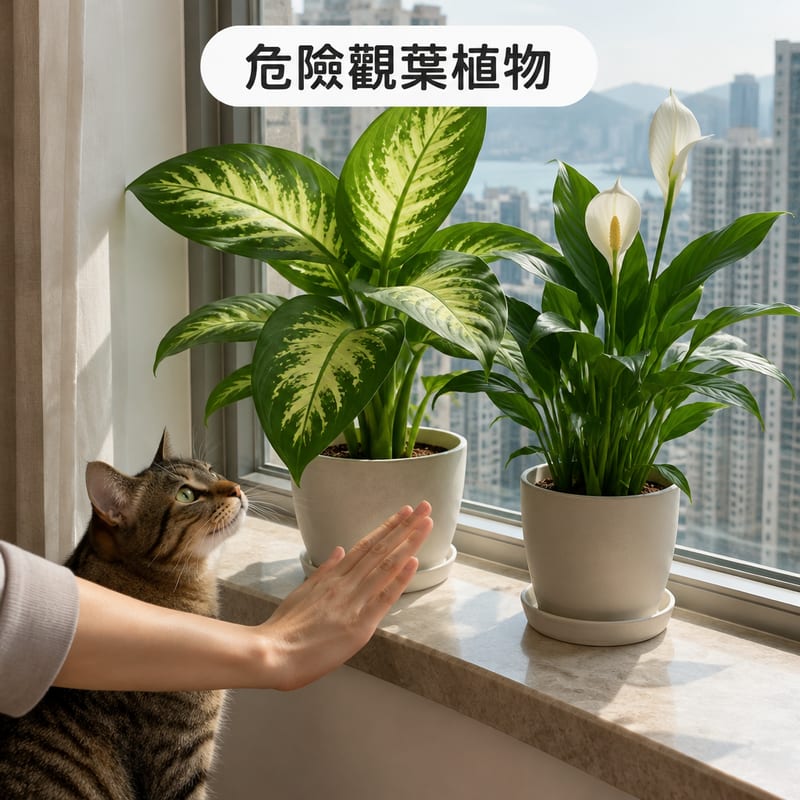
Most of the indoor foliage plants commonly found in Hong Kong flower shops and online platforms belong to the Araceae family, including Dieffenbachia (dumb cane types), calla lily (i.e. peace lily, Dutch calla), pothos, Monstera, Aglaonema and Syngonium. The stems, petioles and leaves of these plants contain insoluble calcium oxalate crystals, which produce a needle-like sensation when bitten. The American Society for the Prevention of Cruelty to Animals (ASPCA) lists Dieffenbachia and calla lily as toxic to cats and dogs, with the toxic component being insoluble calcium oxalate; typical symptoms include severe burning of the mouth and tongue, drooling, vomiting and difficulty swallowing. Most cases are not fatal, but if swelling of the tongue and back of the throat is severe, it can affect breathing and swallowing and requires veterinary intervention.
Another, more dangerous category is true Lilium plants, i.e. the scented lilies and trumpet lilies commonly seen in flower shops. These plants are nephrotoxic to cats; even just contact with pollen or drinking vase water can cause acute kidney injury, and this is a situation requiring immediate veterinary attention. Note that although the common name of "calla lily" includes "lily", it belongs to the Araceae family, and its risk mechanism is completely different from true lilies — the two must not be conflated.
As for jasmine, the answer depends on the species. True jasmine (Jasminum genus, e.g. Jasminum sambac used for jasmine tea) is listed by the ASPCA as non-toxic to cats and dogs; the main risk is not toxicity but three points: first, the fragrance is extremely concentrated and can irritate cats that already have feline asthma, airway sensitivity or chronic nasal disease, causing coughing and harsher breathing sounds; second, essential oil products and aromatherapy; third, pesticide, fertiliser and insecticide residue on the plant surface. What you do need to watch out for are plants with the same name but a different species: Carolina jessamine (Gelsemium sempervirens) contains alkaloids and is highly toxic, and night-blooming jessamine (Cestrum nocturnum) and gardenia (Gardenia jasminoides) are also toxic. There is only one way to judge: look at the botanical name, not just the common name.
| Plant | Risk mechanism | Common symptoms | What to do |
|---|---|---|---|
| Dieffenbachia, calla lily, pothos, Monstera, Aglaonema (Araceae) | Insoluble calcium oxalate crystals, physically irritating the mouth and digestive tract | Drooling, oral burning, pawing at mouth, vomiting, difficulty swallowing | Remove the plant, rinse the mouth with clean water (do not force water), contact a vet immediately |
| Scented lily, trumpet lily (true Lilium) | Nephrotoxic to cats; pollen and vase water carry the same risk | Lethargy, vomiting, drooling, changes in drinking and urine output | This is an emergency; go to the vet clinic immediately, do not wait for symptoms |
| Jasmine (Jasminum genus) | Low toxicity itself; fragrance concentration, essential oils and pesticide residue are the main issues | Cats with existing airway sensitivity may cough and have harsher breathing sounds | Place in a ventilated spot or move away from the bedroom; do not use essential oil products |
| Carolina jessamine, night-blooming jessamine, gardenia | Contain toxic components such as alkaloids; same-name confusion traps | Vomiting, dullness, tremors, convulsions | Never place within pets' activity area; ingestion is an emergency |
| Aloe, dumb cane, golden pothos-type garden varieties | Some contain anthraquinones or calcium oxalate, irritating the gastrointestinal tract | Vomiting, diarrhoea, lethargy | Put away or hang high; ask a vet immediately if ingested |
How can cats safely and correctly come into contact with the scent of calming plant essential oils?
The direct answer is: it is not recommended to expose cats to essential oils for the purpose of "calming". The cat liver lacks some of the enzyme pathways needed to metabolise aromatic compounds, so the same essential oil that is fine for humans may cause a noticeable reaction in cats. Lavender, tea tree, eucalyptus, mint, citrus, clove and thyme are all on the common high-risk list. There are more routes of exposure than many people imagine:
- Diffusers, ultrasonic diffusers, scented candles: atomised oil droplets settle on fur, sofas and floors, and are ingested when cats groom and lick their paws.
- Direct application: no "natural" essential oil product should be applied to a cat's body, including formulas marketed as pest repellents.
- Cleaning product residue: floor cleaners and disinfectant sprays containing essential oils — a cat walks over them and then licks its paws, which is one route.
- Sachets, aroma stones, diffuser wood: cats will bite or paw at them, resulting in higher exposure concentrations.
If the owner really wants to use essential oils (e.g. for their own relaxation), the safe approach is: use them in a room or at a time when the cat is completely absent, keep windows open and ventilated throughout, wipe clean all surfaces and textiles afterwards, and only let the cat return once the scent has completely dissipated. During and after use, watch for symptoms such as drooling, unsteady walking, tremors, vomiting, lethargy and rapid breathing; if any appear, seek veterinary help immediately and bring the essential oil bottle so the vet can see the ingredients. Both the International Society of Feline Medicine (ISFM) environmental needs guidelines and International Cat Care's poisoning information emphasise that rather than using scent products, environmental enrichment should be used to reduce cats' stress.
Alternatives to essential oils: pheromone diffusers (products designed specifically for cats and dogs, not essential oils), scheduled interactive play, vertical space, food puzzle toys, a stable routine and a quiet resting spot. These methods carry no inhalation or ingestion risk and are more effective for long-term stress.
How can you effectively stop cats from approaching or chewing dangerous plants?
The core of stopping chewing is not "making the cat afraid" but making the plants inaccessible and giving the cat better choices. All four tactics must be used together:
- Physical barriers: hanging baskets, high shelving, glass cabinets or netting on windowsills; in small flats, plants can be concentrated in a room or balcony the "cat cannot enter".
- Zoning management: bouquets and festive plants (narcissus, lucky bamboo, lilies) should be dealt with immediately on entering the home, not casually placed on the coffee table or floor; vase water should be poured away the same day, because the vase water of true lilies carries the same risk.
- Provide alternatives: cat grass (wheatgrass, barley grass) is a safe chewing alternative; scratching posts and puzzle toys can redirect destructive behaviour. You can also refer to the cat toxic plant list and first aid key points to check the plants already in your home item by item.
- Reward good behaviour: reward the cat immediately when it leaves the plant, goes to the scratcher or plays with toys; this is more consistent than scolding. Punishment increases anxiety and may instead trigger over-grooming, inappropriate urination and aggressive behaviour.
Scent repellents are not recommended. Many "natural cat repellent sprays" on the market use citrus or essential oils as the main ingredients; they may be effective in the short term, but cats ingest them when grooming, and long-term exposure to a scent-hostile environment increases stress. (Further reading: Cat biting behaviour correction guide)
If a cat keeps chewing on plants, besides environmental factors, you should also consider oral discomfort, nutritional imbalance, or simply boredom. You can arrange a veterinary check-up, and at the same time use the Cat Behaviour Decoding Guide to compare behaviour patterns. Below are products that can provide a legitimate outlet for chewing and scratching:
- Corrugated Cardboard Cat Scratching Board Cat Climbing Frame Kindergarten Bus 1 unit — HK$118. Price and stock are subject to the live price shown on the online shop.
- Cat Solid Wood Cat Scratching Board Sisal Ball Small Toy Boredom Relief No Shedding 1 piece — HK$98. Price and stock are subject to the live price shown on the online shop.
Why do pets dislike the smell of lemon? What health problems can long-term contact with orange and lemon juice or peel cause?
Pets avoid lemons, and the first layer of reason is smell. The number and sensitivity of olfactory receptors in cats and dogs are higher than in humans. The volatile components of citrus peel (mainly limonene and linalool) are very strong odour signals to them, so most pets will actively walk away, wrinkle their noses, or even drool. This aversion is actually a protective mechanism: the essential oil concentration is highest in the peel, leaves, stems, and seeds, which are precisely the highest-risk parts. The ASPCA lists oranges as toxic to cats; the toxic components include essential oils and psoralens. Studies have also recorded the effects of limonene on the liver in cats, and the mechanism is related to cats' metabolic limitations.
Look at the risks of long-term exposure separately by route:
- Skin contact with juice or peel: Citrus juice is highly acidic and can irritate the skin, causing redness, itching, and contact dermatitis; cats lick it off and then absorb it through the digestive tract.
- Licking peel, leaves, or essential oil products: Drooling, vomiting, diarrhoea, lethargy, unsteady walking, and even tremors.
- Inhaling diffuser or cleaning agent mist: Eye and nose irritation, coughing, harsher breathing sounds, more obvious in cats that already have airway sensitivity.
- Cleaning agents, insect repellent sprays, floor cloth residue: This is the most easily overlooked long-term low-dose exposure.
Therefore, "long-term feeding of small amounts of orange and lemon" is not an acceptable practice, and "using citrus-scented products for deterrence" carries even higher risk. Although the flesh itself has a lower essential oil concentration, its acidity and sugar content can easily cause gastrointestinal discomfort. In addition, cats are carnivores, and citrus fruits have no nutritional value for them.
| Exposure route | Common scenarios | Symptoms to watch for | Handling |
|---|---|---|---|
| Peel, leaves, seeds | Orange peel left on the table, cat biting the rubbish bin | Drooling, vomiting, diarrhoea, lethargy | Remove and ask a vet immediately |
| Essential oils, diffusers, deterrent sprays | Aroma diffusers, natural cat repellent sprays, aroma stones | Unsteady walking, tremors, rapid breathing | Stop use immediately, ventilate, seek medical help |
| Skin contact | Wiping fur with citrus products, natural flea formulas | Red, itchy skin, hair loss, non-stop licking | Rinse the contact area with clean water, ask a vet |
| Cleaning agent residue | Lemon-scented floor cleaner, disinfectant spray | Chronic gastrointestinal discomfort, decreased appetite | Switch to fragrance-free formulas, wipe again with clean water |
(Further reading: Cat Fruit Safety Master List)
Which fruits and vegetables can cats eat? Portions and contraindications for apple, blueberry, papaya, cherry, cantaloupe, celery, pumpkin, grapes, and ginger
First, four general principles, then compare item by item: 1. Peel, core, remove seeds, and cut into small pieces; 2. Plain, no sugar, no salt, no seasoning; 3. Treats only—veterinary nutrition guidelines generally recommend that treats make up less than ten percent of daily total calories; 4. Adjust portion according to body weight and gastrointestinal response; for the first trial feeding, give only a small piece and observe for twenty-four hours.
Apple: The flesh can be given in small amounts, but the core and seeds must be removed because the seeds contain cyanogenic glycosides. The peel is generally acceptable after washing, but watch for wax and pesticide residue; dogs eating green apples likewise need them cut small, cored, and the portion counted within the treat limit, without affecting main meals. Blueberry: Fresh or frozen are both fine; frozen ones should be thawed first, washed, and any syrup or sweetened products removed; cutting each berry open can reduce choking risk. A few times a week, a few berries each time, is enough for dogs—there is no need to pursue "the more antioxidants the better." Papaya: Peel and remove seeds, feed only ripe flesh, and do not feed the seeds; long-term consumption is unnecessary, and an occasional one or two small pieces is fine. Cherry: The stem and pit must be removed; the pit and leaves contain cyanogenic glycosides, and the flesh is limited to one or two small pieces. Cantaloupe: Peel and remove seeds; the seeds and rind can easily cause choking or digestive tract obstruction, and the flesh is high in both water and sugar, so only small amounts. Celery: Can be given in small amounts, cut into extremely fine pieces; large pieces of coarse fibre are difficult to digest.
Pumpkin: Steamed or baked and mashed, with no sugar or spices; dietary fibre helps with bowel movements. As for "which components of pumpkin cause allergies," pumpkin itself is in fact rarely allergenic; adverse reactions in pets are mostly related to processed products, such as added spices, preservatives, sugar, dairy products, or eating other new foods at the same time, so new foods should be tried one at a time. Grapes and raisins: Including raisins, grape juice, and raisin bread, do not feed at all. Cats and dogs have a risk of kidney toxicity after eating them; the mechanism is still not fully understood, and there is no recognised safe amount. Ginger: A small amount used for seasoning is generally not acutely toxic, but gingerol irritates the gastrointestinal tract. Long-term or large-amount feeding of foods containing ginger may cause vomiting, soft stool, stomach discomfort, and decreased appetite. Processed ginger products usually contain sugar and salt, so they are not recommended as everyday ingredients.
A few other common items: Kiwi should be peeled and cut small; its acidity and protease may irritate the mouth; avocado contains persin, with higher risk in the pit, peel, and leaves. Dogs likewise should not eat the pit. The claim that it "aids digestion" should not be a reason to directly feed the flesh; choosing formulated food is more reliable. Flaxseed and chia seeds should be ground or soaked and added in small amounts; whole seeds are difficult to digest, and a vet should be consulted before feeding. As for "which fruits have lower sodium content than bananas," most fresh fruits (apple, blueberry, papaya, watermelon) have extremely low sodium content, but what really needs to be controlled for pets is sugar and total calories, not sodium.
| Ingredient | Acceptable preparation | Portion principle | Absolutely not |
|---|---|---|---|
| Apple | Peeled, cored, seeds removed, cut small, plain | Treats only; one or two small pieces for small pets | With seeds, apple pie, sweetened applesauce |
| Blueberry | Washed, cut open, fresh or thawed | A few berries each time, a few times a week | Dried blueberries, blueberry jam, products containing artificial sweeteners |
| Papaya | Peeled, seeds removed, ripe flesh | Occasional one or two small pieces | Papaya seeds, papaya milk, sweetened juice |
| Cherry | Stem and pit removed, cut small | Only one or two small pieces | With pit, candied cherries, canned in syrup |
| Cantaloupe | Peeled, seeds removed, cut small | Small amount | Seeds, rind, canned in syrup |
| Celery | Cut into extremely fine pieces | Small amount | Large raw celery pieces, salted or seasoned |
| Pumpkin | Steamed and mashed, no sugar, no spices | Small amount mixed into food | Pumpkin pie filling, soup with onion and garlic |
| Grapes, raisins | No safe preparation | Do not feed at all | Fresh, raisins, grape juice, raisin bread |
| Ginger | Occasional extremely small amount for seasoning | Not as an everyday ingredient | Long-term feeding, ginger candy, ginger tea |
(Further reading: Cat Weight Management and Scientific Feeding)
The cat is picky and only willing to eat treats, leading to malnutrition—how to guide it to accept a variety of foods and pay attention to feeding height?
Picky eating should be handled in two steps. The first step is to rule out disease: toothache, periodontal disease, oral ulcers, gastrointestinal problems, chronic kidney disease, thyroid problems, and parasites can all cause cats to refuse food, so persistent picky eating or weight loss must first be checked by a vet. Only the second step is behaviour and feeding management:
- Put away free feeding: Feed at set times and in set amounts; after each meal, remove the food after fifteen to thirty minutes so that hunger returns.
- Control treats: Keep total treats within ten percent of daily calories, avoiding "waiting for treats and not eating main meals." Complementary cans and treats cannot replace staple cans or dry food.
- Gradual food transition: Mix a small amount of new food into the old food, increasing the proportion slightly every two to three days; the whole process takes one to two weeks, during which observe for soft stool, vomiting, and appetite. (See Cat Food Transition Guide for details.)
- Increase attractiveness: Warm wet food slightly (not hot to the touch), add a little warm water to release the aroma, or dip a finger in a little food and let the cat taste it.
- Improve the feeding environment: Place the food bowl in a quiet position where the cat can retreat and defend itself; in multi-cat households, feed in separate locations to avoid competition; the bowl opening should be wide and shallow enough to avoid pressure on the whiskers.
- Do not starve the cat for long periods: If a cat eats nothing at all for more than a day in a row, seek medical help immediately, because prolonged fasting carries metabolic risks for cats.
Feeding height: the ideal height is where the cat or dog can stand naturally and reach the food with only a slight lowering of the head, roughly level with the area between the chest and shoulders. A bowl that is too low forces excessive head lowering, which over time increases strain on the cervical spine and shoulders, and also makes it easier for them to eat too quickly and vomit. However, raising the bowl is not a case of the higher the better; too high is actually uncomfortable, and for large dogs raised bowls have also been discussed in relation to the risk of gastric dilatation-volvulus, so adjustments should be made according to veterinary advice and the pet's actual situation. Practical approach: secure the bowl with a non-slip mat, raise it by a few centimetres and try for a week, then observe food intake and the number of vomiting episodes before fine-tuning.
Below are staple foods and food-transition supplies you may consider:
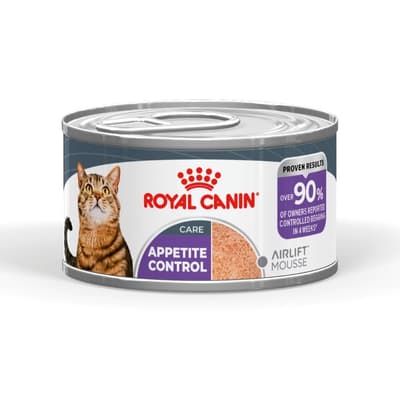
- Royal Canin AIRLIFT Cat Wet Food Adult Gravy 85g — HK$24. Prices and stock are subject to the live price shown on the online store.
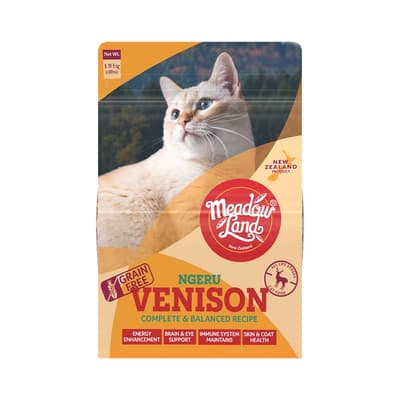
- Meadowland Cat Food Complete Balanced Series Venison 1.8kg — HK$278. Prices and stock are subject to the live price shown on the online store.
- K9 Natural Dog Food Lamb & Salmon Feast 3.6kg — HK$1,550. Prices and stock are subject to the live price shown on the online store.
- LILY'S KITCHEN Dog Wet Food Organic Grain-Free Series Chicken & Salmon 150g — HK$19. Prices and stock are subject to the live price shown on the online store.
How do you tell apart rapid breathing when a dog is anxious? How long should a cat exercise each day, and what is the link between early obesity and breathing problems?
The key to distinguishing anxiety-related rapid breathing is the "trigger" and "whether it can be calmed". Rapid breathing caused by anxiety usually: has a clear trigger (doorbell, thunder, fireworks, being alone, car rides, veterinary clinic), appears in sync with the trigger, gradually calms after a change of environment or when the owner follows a fixed soothing routine, the dog is still willing to drink and eat and responds to being called, and gum colour is normal. In contrast, rapid breathing caused by heatstroke, pain, heart disease, or tracheal or lung problems is mostly without an obvious trigger and persists even at rest, and may be accompanied by pale or bluish gums, open-mouth breathing, coughing, pronounced abdominal effort, lethargy, and refusal to eat. If you cannot tell the difference, treat it as the latter and seek veterinary care immediately. Improving anxiety should start with the environment and training, for example establishing a safe spot, gradual alone-time practice, and desensitisation training. (Further reading: Steps for handling dog separation anxiety)
There is no single standard for exercise duration; it depends on age, weight, joint and cardiopulmonary condition. A workable approach is to split interactive play into two to three short sessions per day, each lasting from a few minutes to about ten minutes, using hunting-style play (a wand toy simulating prey, chasing, pouncing, and a reward at the end) to satisfy the cat's natural instincts; at the same time provide vertical space and food puzzle toys so that daily activity levels increase naturally. Using only a laser pointer without a physical finish may cause frustration, so it is recommended to combine it with toys or treats. For behaviour training you can also refer to Dog training basics.
The link between early obesity and breathing problems: excess fat takes up space in the chest and abdominal cavities, restricting diaphragm movement and reducing breathing reserve, so obese pets pant sooner during exercise, have lower tolerance, and also face higher anaesthetic and surgical risks. Obesity also increases joint strain, which further reduces activity levels, creating a vicious cycle. Note that obesity does not directly cause diseases such as feline asthma, but it makes existing breathing problems harder to control. Workable management directions are: regular weighing and body condition scoring (done by a vet), calculating food according to package recommendations and actual weight, replacing extra treats with interactive play, and rechecking every three to six months. Weight management should begin after veterinary assessment.
| Observation item | Anxiety-related rapid breathing | Rapid breathing that should be treated as an emergency |
|---|---|---|
| Trigger | Clear trigger (doorbell, thunder, being alone, car rides) | No obvious trigger, persists even at rest |
| Calming | Gradually calms after environment change or soothing | Cannot be calmed, may even become increasingly rapid |
| Other signs | Trembling, hiding, panting but spirit still fair | Gum discolouration, coughing, open-mouth breathing, lethargy |
| Appetite and water | Usually normal | Mostly reduced or complete refusal to eat |
| Handling | Desensitisation training, environmental adjustment; consult a vet if it persists | Go to the veterinary clinic immediately, do not wait |

When to see a vet immediately
In the following situations you should not observe at home; go to a veterinary clinic or 24-hour emergency service immediately:
- Suspected ingestion of toxic plants, grapes/raisins, essential oil products or cleaning agents, even if the pet looks fine at the time.
- Excessive drooling, burning mouth, pawing at the mouth, difficulty swallowing or facial swelling, which may be calcium oxalate irritation or an allergic reaction.
- Persistent rapid breathing, open-mouth breathing, gums turning white or purple, worsening cough.
- Repeated vomiting, vomiting blood, bloody diarrhoea, a hard distended abdomen, or not letting you touch it.
- Unsteady walking, tremors, convulsions, confusion or abnormal pupils, which are neurological signs.
- A cat completely refusing food for more than a day, marked changes in water intake or urine output, lethargy and ignoring people.
Before going to the clinic, prepare: samples of the food or plant (with a botanical name label if possible), product packaging, vomit, the time of occurrence, the pet's weight and medical history. Do not induce vomiting yourself, do not give medication yourself, and do not feed any "detoxifying" food; whether to induce vomiting must always be decided by a vet. (Hong Kong AFCD also provides information on pet food safety and imports: https://www.afcd.gov.hk/tc_chi/quarantine/qua_petfood/qua_petfood.html; WSAVA Global Nutrition Guidelines: https://wsava.org/global-guidelines/global-nutrition-guidelines/; ISFM/AAFP Environmental Needs Guidelines: https://catvets.com/wp-content/uploads/2024/01/EnvironmentalNeedsGLS.pdf; ASPCA Toxic and Non-Toxic Plants database: https://www.aspca.org/pet-care/aspca-poison-control/toxic-and-non-toxic-plants/dieffenbachia)
This article has been reviewed by the PetChill Veterinary Editorial Team. The content is for reference only and cannot replace veterinary diagnosis, prescription or treatment.
Further Reading
- Complete Guide to Daily Cat and Dog Care|Brushing, Bathing and Nail Trimming Schedule
- List of Toxic Plants for Cats and Key First Aid Points
- Cat Safe Fruit Master Chart
- Cat Food Transition Guide|Gradual Food Switching and Soft Stool Management
- What to Do About Cat Anxiety? Environmental Modification and Stress Reduction Methods
- Complete Guide to Cat Weight Management
- Dog Separation Anxiety Training Steps
In case of emergency, contact a veterinarian immediately; this article is for reference only and cannot replace veterinary diagnosis. Information verified as of 2026-10-14Source: Compiled by the PetChill Editorial Team
 Royal Canin full guide →
 K9 Natural full guide →
 Feline Natural full guide →