

Quick answer: How much do vet fees cost in Hong Kong? Private consultation fees are about $200–500, a minor illness costs a few hundred to over a thousand, surgery can easily exceed ten thousand, and hospitalisation starts from $500–2,000 per night; public clinics are cheaper but places are limited and you have to wait. The smart approach is to save money on routine vaccines and dog licences by using public or non-profit clinics, and go private for emergencies or specialities, and set up a medical reserve and insurance early so you won't be caught off guard.
Vet fees in Hong Kong are not cheap: private consultation fees are generally $200–500, a minor illness costs a few hundred to over a thousand, and surgery can easily run into thousands to tens of thousands. When choosing a clinic, look at reputation, location, whether it offers 24-hour service and pricing transparency; inevitable expenses like vaccines, neutering and hospitalisation should be included in your long-term budget, and you should build a medical reserve early so you won't be passive in an emergency.
How do public, non-profit and private clinics differ?
Veterinary services in Hong Kong roughly fall into three categories, and using the right one for the occasion can make a big difference:
| Category | Examples | Suitable for | Pricing positioning |
|---|---|---|---|
| Public | AFCD animal clinics | Vaccines, dog licences, basic consultations | Cheapest, limited places |
| Non-profit | SPCA etc. | Consultations plus adoption support | Mid-range |
| Private | Veterinary hospitals across districts | Emergencies, specialities, imaging | Most expensive, most choices |
Public clinics are affordable but require waiting, suitable for routine needs like vaccines and licensing; emergencies, night-time and advanced tests basically require private clinics. The smart approach is to use public clinics for routine matters and private clinics for emergencies, and register files with both in advance so you won't be in a rush when needed.
Making good use of public resources is the most practical money-saving strategy: put predictable services like routine vaccines, dog licence renewals and basic faecal tests with public or non-profit organisations, and leave private clinics for emergencies, imaging and specialist referrals. Take photos of medical records from both sides and keep them on file; when you see a private vet, explain the history clearly in one go to avoid duplicate tests.
Overview of private clinic fee ranges
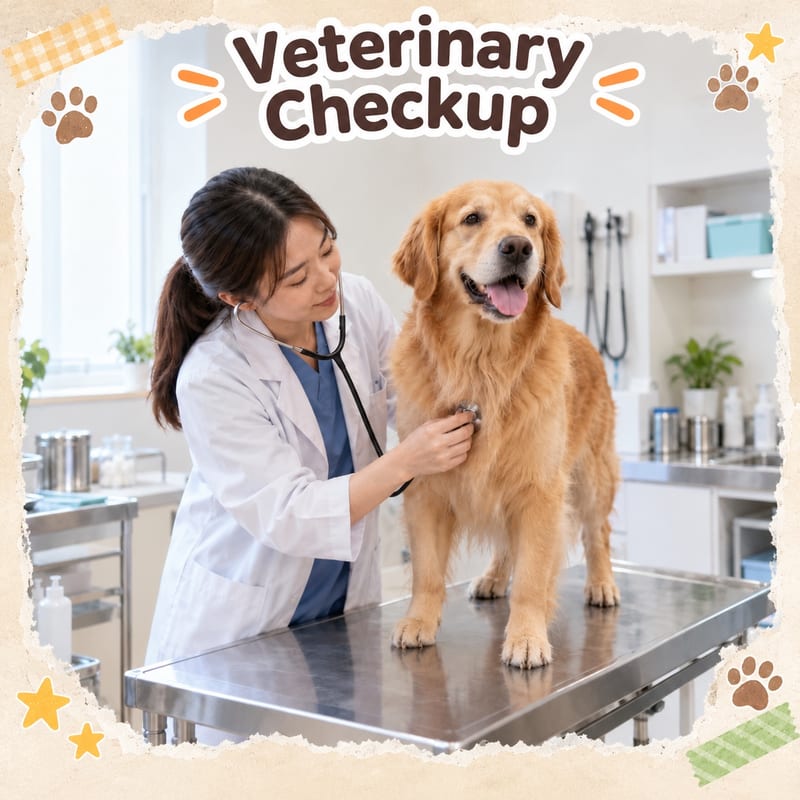
General fees (reference):
- Consultation fee: $200–500
- Common minor illness: $500–1,500
- Surgery: from $3,000–15,000
- Hospitalisation: from $500–2,000 per night
- Dental cleaning: $2,000–6,000
Emergency and 24-hour clinics charge even more, and there may be surcharges at night and on holidays. For the same treatment, quotes from different clinics can vary several times over, so always ask for a detailed breakdown before treatment and confirm your budget before starting; don't be embarrassed to ask—clear quotes are your right.
Vaccines, neutering, microchip: how much for routine expenses?
These are inevitable expenses, not accidents, so include them in your annual budget:
- Vaccines: about $900–1,500 for the first year's 3 shots, then regular boosters as advised by the vet
- Neutering surgery: about $1,500–3,000, recommended around 6 months of age
- Microchip implantation: $300–500, a legal requirement for dog licensing
- Rabies vaccine: legally required for dogs, booster every 3 years
- Annual health check: consultation fee plus basic tests, remember to budget for it
For a cat, for example, the first year including vaccines, neutering and basic supplies can easily exceed ten thousand; for dogs, add licensing and microchip and the figure is even higher. It looks fragmented, but once you add it up for the year you'll understand why you need to budget early.
How to choose a regular family vet? 5 key points
- Reputation—friend recommendations, online reviews, most importantly whether the vet is willing to explain clearly
- Location—close to home, every minute counts in an emergency
- Services—whether there is 24-hour service or night duty arrangements
- Transparent pricing—clear quotes before treatment, no surprise charges afterwards
- Continuity—stick with one vet who knows your pet's history, diagnoses faster and more accurately, and avoids repeat tests
A family vet is like a family doctor; ideally you build a file from when your pet is young. If you only look for someone when they get sick as an adult, you often have to start tests from scratch, which naturally costs more.
When to see a vet immediately?
The following are red-flag signs; if any appear, don't wait and don't guess:
- Vomiting or diarrhoea for more than a day, or complete refusal to eat
- Rapid breathing, open-mouth breathing, purple gums
- Seizures, coma, unsteady walking
- Ingestion of chocolate, onions, xylitol, pills, thread or other foreign objects
- No urine for over 24 hours, difficulty urinating, difficult birth
- Car accident, fall from height, bleeding wounds, burns
Note down the phone number and route to the nearest 24-hour emergency clinic in advance, and keep it somewhere visible like on the fridge or in your phone—when you're panicking you won't remember to search online.
Besides surgery fees, there are three types of "invisible" costs to include: first, laboratory test fees—for the same vomiting, a simple consultation plus medication versus blood tests, X-rays and ultrasound can cost several times more; before treatment, ask "will this test change the treatment decision?" Second, night and holiday surcharges; emergency clinics are generally more expensive than daytime. Third, follow-up fees—surgery is a one-off, but painkillers, anti-inflammatories and stitch removal follow-ups are charged separately. Ask "roughly how much from start to recovery" to estimate your medical reserve accurately.

Medical reserve and insurance: don't be caught off guard
- Save $200–500 per month into a dedicated pet medical fund, separate from your own expenses
- Aim to save up a surgery fund first, about $5,000–10,000
- Consider pet insurance to share large expenses like surgery and hospitalisation; before buying, check the coverage, waiting period and annual claim limit
- Have a health check once a year; early detection and treatment costs much less than emergency hospitalisation
- Keep all laboratory and imaging reports so you don't have to pay again when switching clinics
- Budget an extra 30%: night and holiday surcharges, follow-up medication costs are common hidden expenses
Pre-appointment checklist
- Pet carrier for cats, leash for dogs, safe and reduces struggling
- Bring vaccination records, past laboratory and medication records
- Take photos of symptoms with your phone (vomit, skin lesions, walking posture) to help the vet judge
- Ask about costs before treatment and confirm your budget before starting
- Don't give human medication on your own; wrong dosage can make things worse
- Book an appointment in advance to reduce waiting time at the clinic; monitor your pet while waiting and notify the nurse immediately if there's any change
What you can do starting today
- Establish a regular family vet you trust and register your pet's file
- Note down the phone number and route to the nearest 24-hour emergency clinic and stick it on the fridge
- Open a medical reserve for your pet and deposit $200–500 monthly
- Check if vaccination records are expired and book an annual check-up
- If you want to share large expenses, research pet insurance coverage
To compare protection plans, you can first look at PetChill's pet insurance guide and courses to choose the right protection for you and your pet.
This article is for reference only and cannot replace professional diagnosis; consult a registered veterinarian for any doubts.
Further reading
📌 Key takeaways
- ✅ Public clinics are the cheapest, suitable for vaccines and dog licences, but you need to queue early
- ✅ Private consultation fees start from $200–500, surgery can easily cost thousands to tens of thousands
- ✅ Annual vaccines + neutering + microchip are inevitable expenses, budget for them
- ❌ Starting treatment without asking for a detailed breakdown can lead to surprise surcharges
- ❌ Without a regular family vet, repeated tests cost more each time