
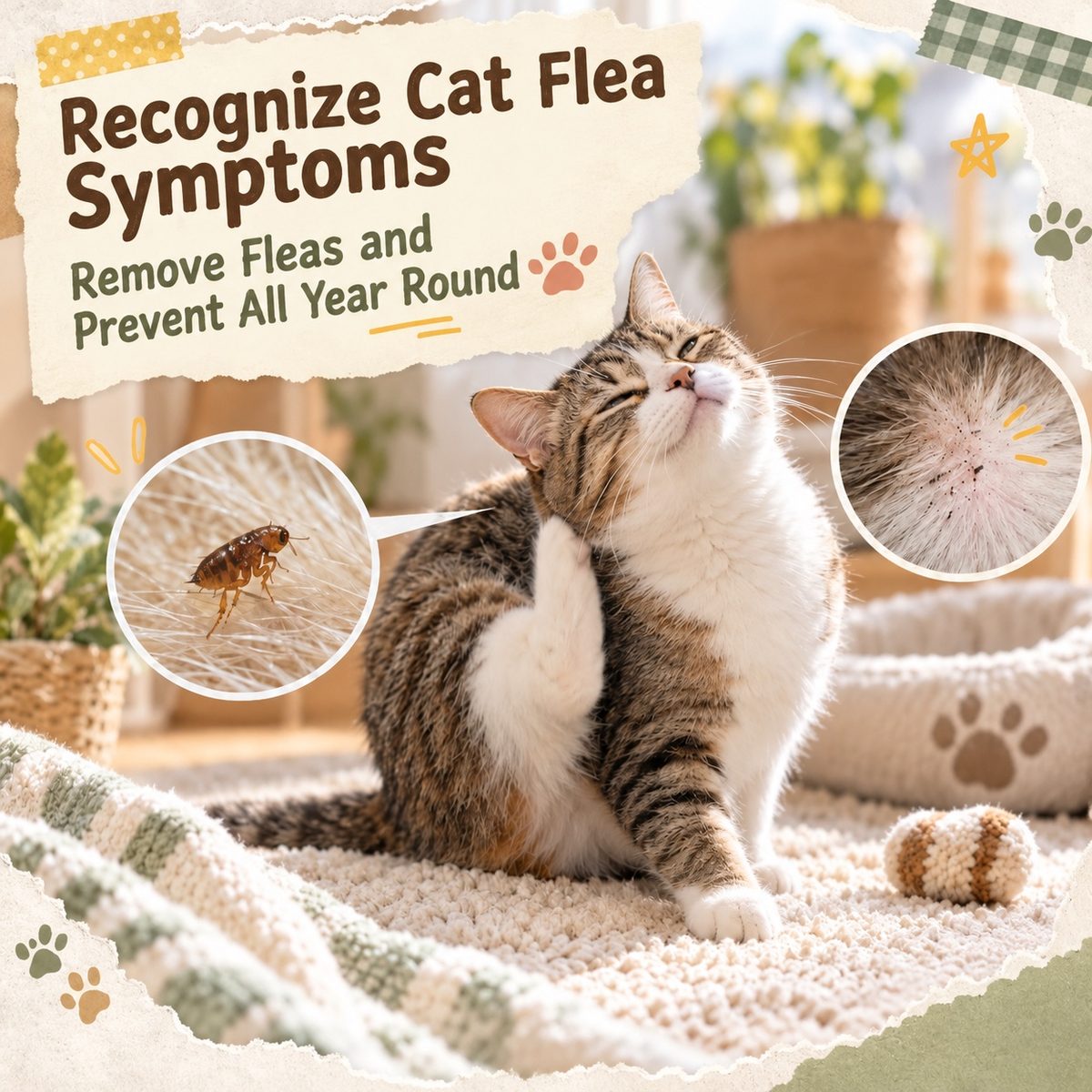
Quick answer: Hong Kong is humid all year round, and fleas breed extremely fast. The most obvious signs are frantic scratching and black specks falling out when you comb your cat. To break the cycle, you must treat both the pet and the environment at the same time: veterinarian-prescribed flea treatment plus vacuuming and hot-washing cat beds, with monthly regular treatment—don't stop just because things look better.
The answer first: Fleas are the most common external parasite in Hong Kong cats, and they breed extremely fast in the humid climate. The most typical signs are frantic scratching + black specks (flea dirt) falling out when you comb. The way to break the cycle is to treat both the pet and the environment together: veterinarian-prescribed flea treatment, combined with vacuuming and hot-water washing of cat beds; in Hong Kong, year-round monthly regular flea treatment is recommended.
Why are Hong Kong cats so prone to fleas?
Fleas love warm, humid conditions, and Hong Kong's climate is perfect for them: adult fleas suck cat blood and lay eggs, which fall into carpets, cat beds, and sofa seams, hatch into larvae, and hide in dark places waiting for a host. The whole cycle can be as short as two to three weeks, so once it starts, the whole house can be infested within days.
Let's clear up a myth: indoor-only cats can still get fleas. Fleas can enter the home via shoe soles, windowsills, or other pets; going outside, contact with stray cats, or bringing in old furniture are all common sources. In multi-cat households, if one cat has fleas, the others are very likely to have them too—you just haven't seen the insects yet.
Cat flea symptoms: how to confirm it's fleas
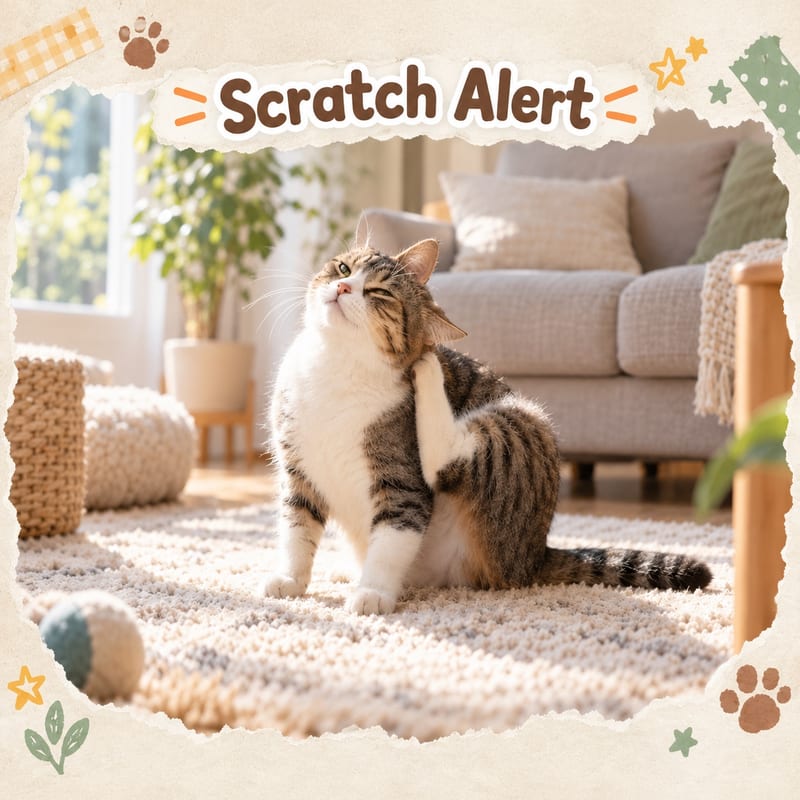
- Frantic scratching and licking—especially the neck, back, tail base, and inner thighs, licking until fur falls out
- Black specks—flea dirt that looks like black pepper grains, falling out after combing or sleeping
- Red spots and bite marks on the skin—red rashes, sometimes with scabs in severe cases
- Thinning fur and rough skin—signs of long-term scratching and licking
- Flea allergy dermatitis—for cats allergic to flea saliva, a single flea is enough to trigger intense itching and eczema-like damage
- Seeing the insects—tiny, brown, jumping insects in the fur
A test to tell real from fake: Wipe the black specks with a damp cotton ball or wet wipe; if they dissolve and leave a reddish-brown stain, that's flea feces from digested blood—basically confirming fleas.
Fleas are also intermediate hosts for tapeworms—when cats groom themselves, they may swallow fleas carrying tapeworm larvae and get infected. So after proper flea treatment, follow your veterinarian's advice on intestinal deworming as well. If your cat has long-term itching, anemia, or weight loss (especially kittens), don't delay. If you see jumping insects when combing or the wet-cotton test turns red, it's confirmed—don't wait until the skin is broken before acting.
Flea life cycle: why it's so hard to break
Fleas aren't as simple as "how many you see is how many there are." Adults are only a small part of the total population; most of the time they exist as eggs, larvae, and pupae hidden in the home:
| Stage | Where they hide | Why it's hard to deal with |
|---|---|---|
| Egg | Falls from the cat onto carpets and cat beds | Laid daily, invisible to the naked eye |
| Larva | In cracks and dark places, eating organic debris | Avoids light and hides in cracks; vacuuming is needed to remove them |
| Pupa | Sleeps inside a cocoon | Killed by insecticides; waits for vibration to hatch |
| Adult | Sucks blood on the cat | Starts laying eggs again within days |
The pupal stage is the worst: it sleeps without moving, not in contact with the cat, and flea treatment can't reach it; they wait for vibration (people walking, cat lying down) to hatch overnight, so many owners think "why are there fleas again after treatment?"—it's actually a new batch of pupae hatching, not the product failing. The right mindset is continuous vacuuming + following the next treatment schedule to break the cycle, not stopping when things look better.
Flea treatment: pet and environment together
Step 1: Treat the cat (prescription medication is most effective)
| Product form | How to use | Features |
|---|---|---|
| Spot-on | Apply to skin at the back of the neck | Commonly used, effective for 1-4 weeks |
| Oral medication | Give by mouth | Fast-acting, follow veterinarian's instructions |
| Flea collar | Worn long-term | Mainly for prevention, watch for safety |
Always use veterinarian-prescribed medication: the dose is matched to weight and age; cheap products may not be effective, and dog flea products may contain ingredients toxic to cats—never use them indiscriminately.
Step 2: Treat the environment (makes a huge difference)
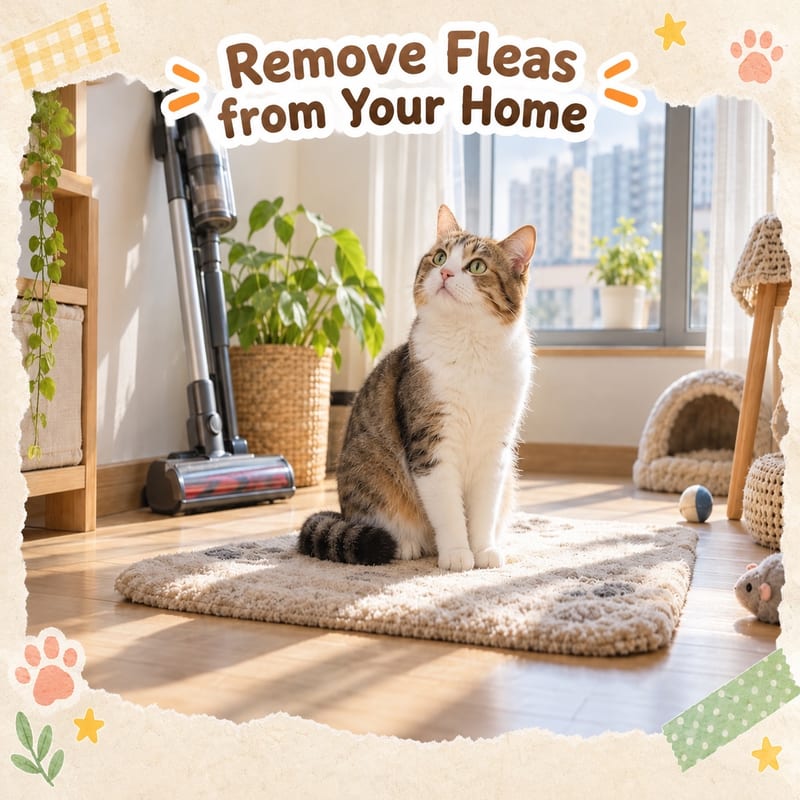
- Vacuum—focus on sofas, carpets, under beds, and cat bed areas to remove eggs and larvae; dispose of the vacuum bag immediately after vacuuming
- Hot wash—wash cat beds, blankets, and cloths in water above about 60°C and tumble dry
- Environmental insecticide—in severe cases, treat household cracks as advised by your veterinarian
- Ongoing follow-up—flea pupae can sleep in the environment for a long time; vacuum again after a week or two and follow the next treatment schedule
Do fleas bite humans? Should household members worry?
They do bite, but there's no need to panic. Fleas can jump onto people's ankles and lower legs and leave clusters of red marks that itch for a long time; but humans are not the ideal host for cat fleas—they won't establish and breed on people. During treatment, household members should note:
- Don't scratch red marks; rinse with water and apply a cold compress; see a doctor if they worsen
- Wash hands and clothes after vacuuming; clean especially where children play on floor mats
- Sensitive individuals should leave during environmental treatment and keep the area ventilated afterwards
The real battlefield is always the cat and the home environment; keeping people clean is enough. Also note: don't apply random medications to your cat just because people have red marks—many human anti-itch products are toxic to cats (e.g., those containing pyrethroids); only cat-specific, veterinarian-prescribed products are safe.
When to see a veterinarian
- The cat scratches until the skin is broken and bleeding, or the skin is red, swollen, and oozing—possible infection requiring treatment
- Suspected flea allergy dermatitis, or fleas still not controlled after treatment
- Infection in kittens, senior cats, or sick cats—heavy flea infestation can cause anemia, which is an emergency
- Signs of anemia: pale gums, lethargy, decreased appetite, rapid breathing
- Multiple cats and dogs in the home itching at the same time, or you want to plan a year-round deworming schedule
- Abnormal signs after flea treatment such as drooling, vomiting, or tremors—stop using immediately and contact your veterinarian
Prevention: once a month, all year round
- Monthly regular flea treatment—spot-on or oral, year-round as advised by your veterinarian (no need to wait for summer in Hong Kong)
- Clean the home—vacuum regularly, hot-wash cat beds; reduce flea-hiding places like carpets
- Watch for outdoor contact—after going outside or contact with stray cats, comb and check your cat
- Deworm new cats first—complete flea and tick treatment before bringing a new member or adopted cat home
- Treat the whole household—in multi-cat and multi-dog homes, treat all pets at the same time to prevent cross-infection and cycling
- Don't interrupt—the biggest mistake with monthly treatment is stopping when you see no fleas; the next flea season often starts from the residual population that was never eliminated
What you can do starting today
- Comb your cat once now and tap the comb on white paper: are there black specks?
- If yes, do the wet-cotton test immediately; once confirmed, book a veterinarian for prescription flea treatment
- Wash all your cat's bedding: hot water wash + tumble dry, and vacuum the whole house once
- Ask your veterinarian to set up a year-round schedule for monthly flea treatment + regular intestinal deworming
- Note the treatment date, set a phone reminder, and don't break the chain
Want to choose suitable flea products, cat beds, or grooming tools for your cat? Visit PetChill to browse pet product guides and make more confident choices with your veterinarian's advice.
This article is for reference only; consult a registered veterinarian for any concerns.
Further reading
Hong Kong small-home practical checklist: a flea treatment process that works even in small units
Hong Kong small-home practical checklist: a flea treatment process that works even in small units
Hong Kong homes are small, with few carpets and furniture against walls, which actually makes it easier to pinpoint flea hiding places. Follow these steps to complete the first round of eradication within two days:
Day 1: Locate the source + treat the cat
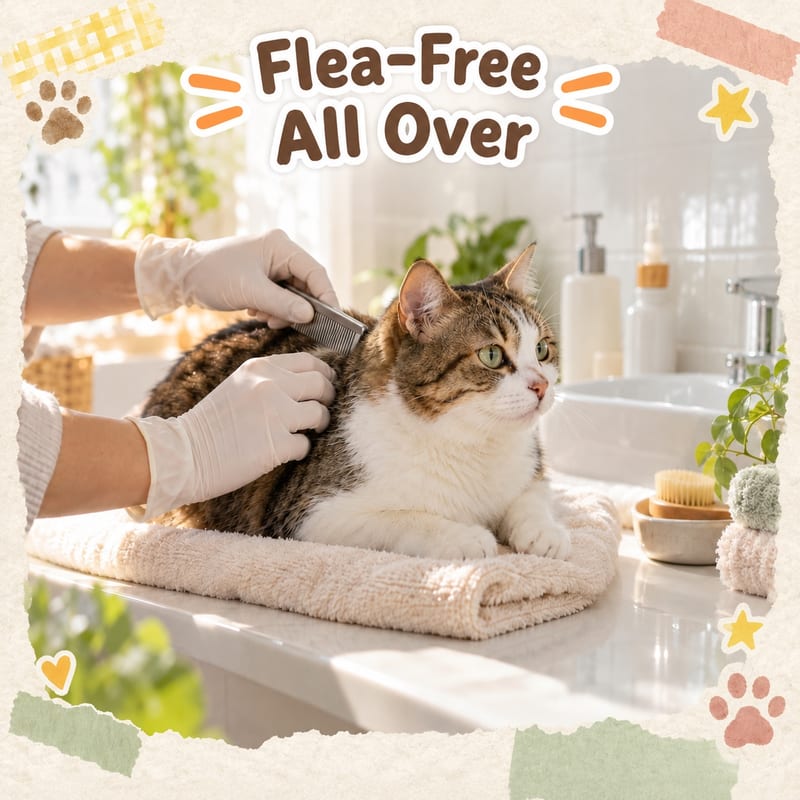
- Comb to confirm: Place white kitchen paper underneath, comb with a metal comb from the neck and back down to the tail base, and do the wet-cotton test immediately if you see black specks. Once confirmed, book a veterinarian the same day for prescription spot-on or oral medication, and remember to bring your cat for weighing.
- Apply treatment that evening: Apply to the back of the neck or give orally as instructed by the veterinarian, and don't bathe for 24 hours to ensure absorption.
Days 1–2: Deep clean the environment
-
Vacuum key areas:
- Floor within 1 metre around the cat bed
- Sofa seams, under the bed, under the shoe cabinet
- Bottom of curtains, slats of blinds After vacuuming, put the vacuum bag in a plastic bag, tie it tightly, and dispose of it in the rubbish room—don't leave it at home overnight.
-
Hot-wash bedding:
- Remove cat bed covers, blankets, and cushion covers; machine wash at 60°C + high-temperature tumble dry; if no dryer, take them to a self-service laundry for 30 minutes of drying.
- For memory foam beds, spray a small amount of veterinarian-recommended environmental spray on the surface and put them on the balcony in the sun; UV light can help dehydrate larvae.
-
Treat cracks:
- Wrap a wet wipe around a credit card and scrape along floor skirting board gaps and under cabinets to wipe away larvae and eggs.
- Plastic floor mats can be taken to the bathroom, rinsed with hot water, and dried.
Days 3–7: Ongoing follow-up
- Vacuum once daily, focusing on where the cat sleeps; dispose of the bag immediately.
- Hot-wash the cat bed again on day 7, as pupae can delay hatching.
- Set a phone alarm to apply treatment again on day 28—don't delay.
When to see a veterinarian (Hong Kong scenarios)
- If the cat scratches the skin until pus or blood appears, go to a 24-hour emergency veterinarian the same day (available in Yau Ma Tei, Prince Edward, and Yuen Long).
- If a kitten has pale gums and is lethargic, take a taxi to the emergency clinic—fleas may have caused anemia.
- Multi-cat households: treat all at the same time; if one cat is still scratching frantically after treatment, bring the second cat for a follow-up visit to avoid cross-infection.
Tips
- Hong Kong flats are high up but humidity is still high; use a dehumidifier to keep humidity at 50–60% to slow flea larval growth.
- If using a flea collar, leave room for two fingers to avoid choking; check immediately after returning from work to see if it has come off.
- Write the treatment date on a calendar on the fridge door so the whole family can see it and won't forget when busy.
Follow these steps, and even small units can be completely cleared.
📌 Key summary
- ✅ Frantic scratching + black specks are flea warning signs
- ✅ Spot-on/oral medication must be veterinarian-prescribed; don't buy randomly
- ✅ Vacuuming + hot-washing bedding are key to environmental flea control
- ❌ Indoor-only cats can still get fleas
- ❌ Stopping treatment when you see no fleas can lead to a rebound
- ❌ Human anti-itch products can be toxic to cats