
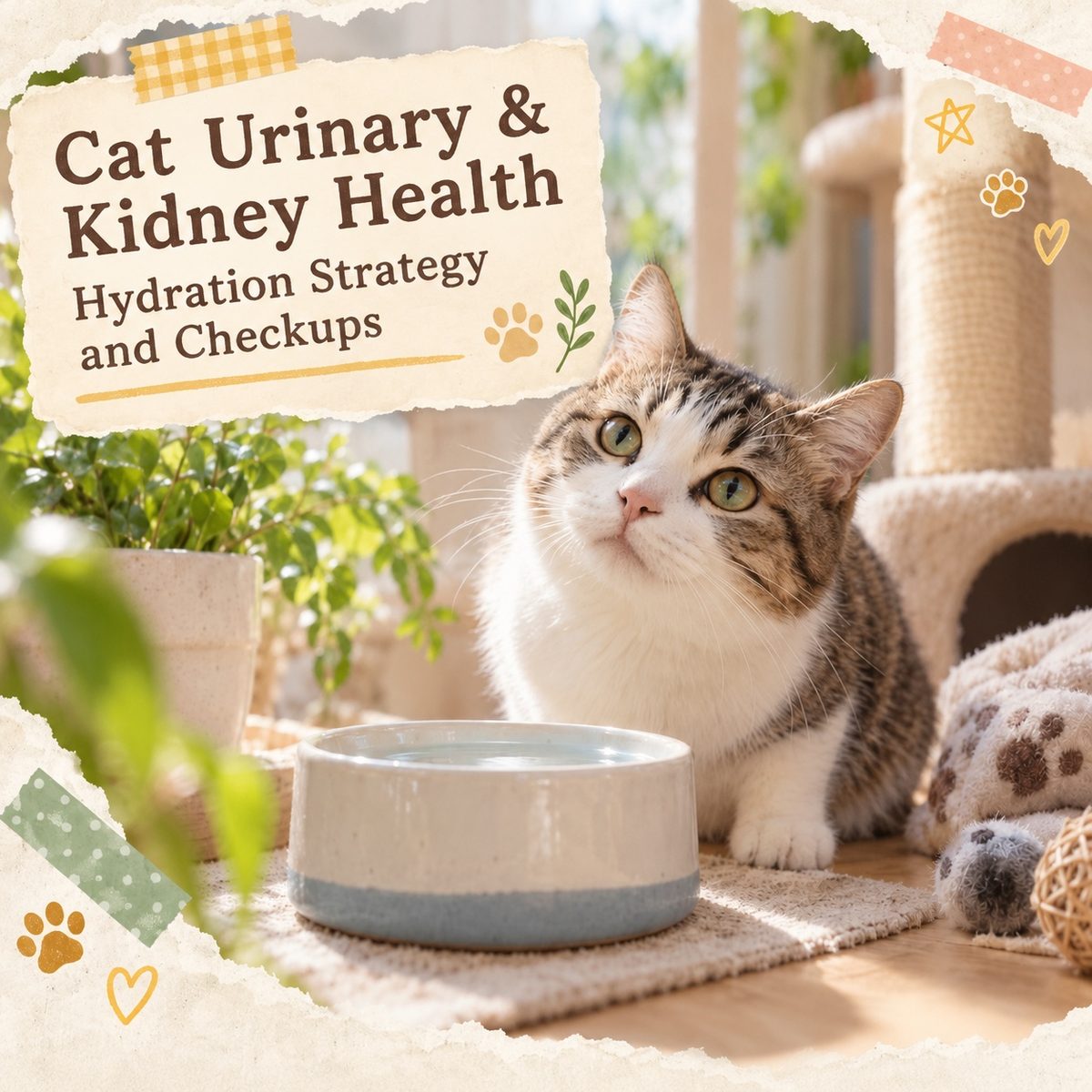
Quick answer: Prevent urinary and kidney problems in Hong Kong cats and dogs with four steps: drink more water, feed good-quality food, control weight and have annual check-ups. If an older cat or dog shows 'drinking more + urinating more + weight loss', get blood tests immediately. A male cat that cannot urinate can die within 24 hours.
Urinary and kidney problems are among the most common health issues for cats and dogs (especially older cats): For cats, cystitis, urethral stones and the fatal emergency of urethral blockage in male cats are the highest risks; for older dogs and cats, chronic kidney disease has subtle early signs, and can only be detected through slight warning signs like increased drinking and urination plus regular blood tests. The core of prevention is four things: encourage drinking, feed good-quality food, control weight and arrange regular check-ups.
Feline Urinary Problems: Cystitis, Stones and Urethral Blockage
Lower urinary tract problems are particularly common in cats and fall into three main types:
1. Cystitis Inflammation of the bladder causes painful urination, frequent urination and blood in urine. Stress (moving house, new family members, too few or dirty litter boxes) and crystal irritation are common triggers, and indoor cats are especially susceptible.
2. Urethral stones Crystals in urine gradually build up into stones, rubbing against the bladder and urethra, causing frequent urination, painful urination, blood in urine and licking the lower abdomen.
3. Urethral blockage (fatal emergency) The male cat's urethra is long and narrow, making it most easily blocked by stones or crystals — once completely unable to urinate, potassium and toxins cannot be expelled, and it can be fatal within 24 hours.
⚠️ Important: If you see a cat repeatedly going into the litter box but producing no urine, crying in pain, licking the lower abdomen, vomiting or lethargic, take it to an emergency vet immediately — do not wait until morning.
Kidney Disease in Cats and Dogs: Early Symptoms Are Easy to Miss
Kidney disease is a common problem in older cats and dogs — kidney function gradually declines, the ability to filter toxins and regulate body fluids drops, and waste accumulates in the blood.
Seven early warning signs of kidney disease:
- Increased drinking — the water bowl seems to empty unusually fast
- Increased urination — larger urine clumps in the litter box, frequent urination
- Poor appetite — eating less and less, picky eating
- Weight loss — weight drops without you noticing
- Vomiting — occasional vomiting, then eating again
- Bad breath — breath smells of urine
- Poor coat — scruffy, dull fur and lots of dandruff
Tip: The kidneys have strong compensatory ability, so obvious symptoms usually only appear after damage has reached a certain level — that's why the early signal cluster of 'drinking more + urinating more + weight loss' is so valuable. For cats and dogs aged 7 and above, annual blood tests (kidney values and urinalysis) are recommended; early detection allows early intervention.
Why Is Urethral Blockage in Male Cats So Dangerous?
| Item | Description |
|---|---|
| Who is high risk | Male cats, especially neutered, overweight, low water intake, long-term indoor |
| How it happens | Stones/crystals plus inflammatory secretions block the urethra |
| Critical point | After complete inability to urinate, toxins and potassium build up, which can cause cardiac arrest |
| Time window | Can be fatal within about 24 hours; it is an emergency |
| Home observation | Whether urine is produced each time in the litter box, size of urine clumps, crying |
Once a blockage has occurred, the risk of recurrence is high, and water intake, diet and weight must be managed long-term.
How to Prevent Urinary and Kidney Problems: Four Basics
1. Encourage drinking (most important)
- Use a water fountain — running water makes cats and dogs more willing to drink
- Feed wet food — directly adds moisture, especially important for cats
- Multiple water bowls placed in different locations, away from food bowls (many cats dislike water near food)
- Keep water bowls clean and change water daily
2. Feed good-quality food
- Use prescription urinary food if there is a history of urinary problems or as needed (follow veterinary advice)
- Avoid high-magnesium foods and foods of unknown quality
- Do not add salt or seasoning on your own
3. Control weight
- Being overweight increases metabolic stress and is also a risk factor for urinary problems
- Feed at set times and amounts, weigh monthly to track progress
4. Regular check-ups
- Older cats and dogs (7+ years) should have annual blood and urine tests
- Those with a history of chronic disease should follow the vet's recommended recheck frequency
When to See a Vet? Don't Wait for These Warning Signs
Seek veterinary care as soon as possible if any of the following occur:
- A male cat repeatedly goes to the litter box but produces no urine or only a few drops — treat as an emergency immediately
- Blood in urine, crying in pain when urinating, frequent urination lasting more than a day
- Complete refusal to eat for more than 24 hours, persistent vomiting
- Sudden large increase in drinking and urination, obvious weight loss
- Bad breath smelling of urine, unusual tiredness and hiding, staggering when walking
Remember one line: For urinary problems, look at 'is urine being produced'; for kidney disease, look at 'drinking more, urinating more, weight loss and no appetite'. For both, the earlier you detect, the more options you have.
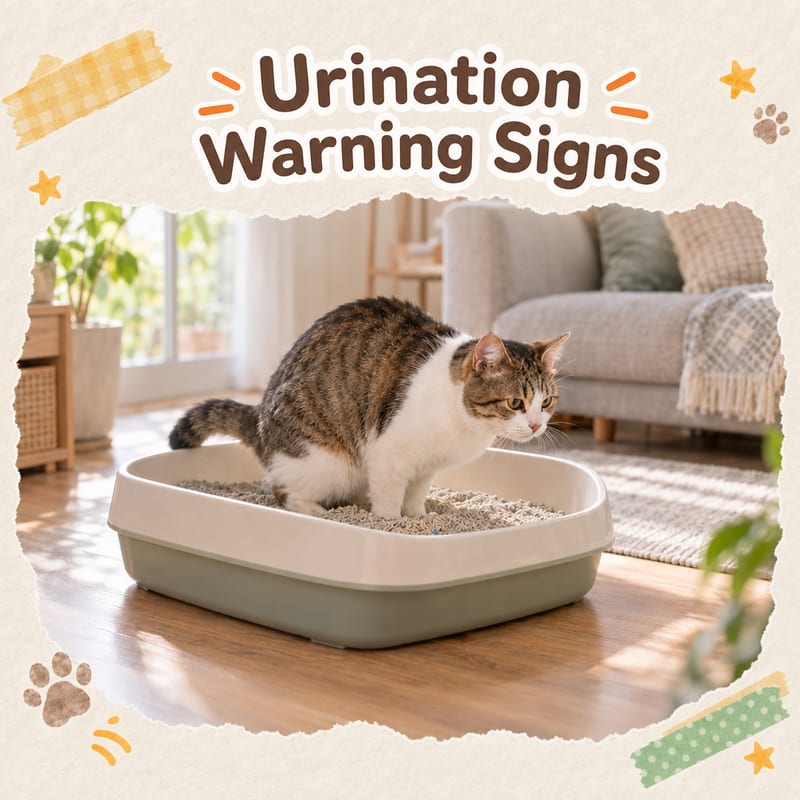
Daily Observation: How to Spot Urinary Problems from the Litter Box
The litter box is a free health report — spend one minute a day observing three things:
- Frequency — cats usually urinate 2–4 times a day; a marked increase in trips to the litter box with nothing produced each time is a typical sign of urethral problems
- Urine clump size — if clumps suddenly become larger and more numerous, watch for kidney disease or diabetes; if they become smaller and smaller or there are no new clumps at all, check immediately for blockage
- Location and behaviour — urinating outside the litter box on beds or sofas is not 'revenge'; it is often because painful urination makes the cat associate the litter box with pain; crying and licking the lower abdomen are also signs of pain
It is advisable to take photos of abnormal urine clumps and behaviour on your phone to show the vet at the next visit — often owners say 'going to the toilet all the time' without evidence, but one photo says it all.
How Are Urinary Problems Different in Dogs and Cats?
| Item | Cat | Dog |
|---|---|---|
| Highest risk | Urethral blockage (emergency in male cats) | Cystitis and stones are less fatal but recurrent |
| Kidney disease tendency | Chronic kidney disease is extremely common, the number one killer of older cats | Kidney disease occurs but at a lower rate than in cats |
| Observation points | Litter box urine clumps, toileting behaviour | Frequent urination on walks, urine colour, incontinence |
| Drinking strategy | Running water fountains and wet food are noticeably effective | Ensure fresh water is available when out walking |
Urinary warning signs in dogs are mostly revealed on walks: sudden frequent urination, marking a few drops at every spot, or pinkish urine — note the date and report to the vet.
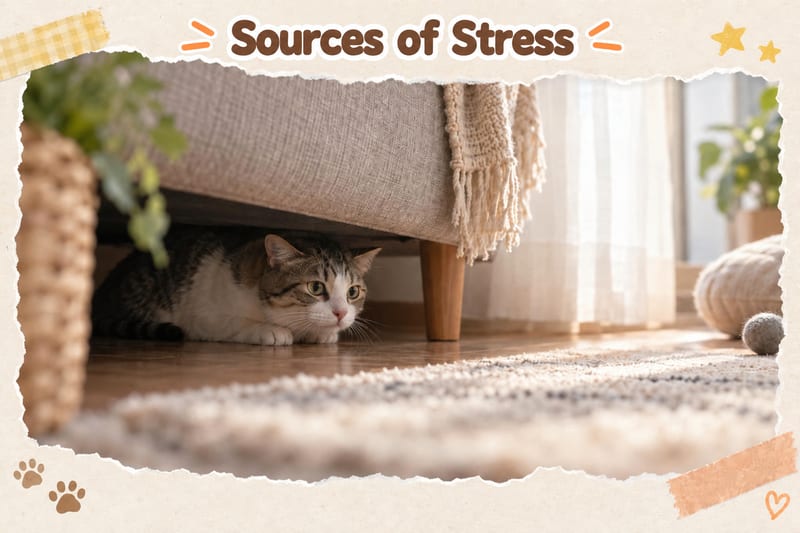
How Stress Affects Feline Urinary Health
Cats are special — stress itself can trigger cystitis (feline idiopathic cystitis), with inflammation occurring even without stones. Common stress sources in Hong Kong:
- Small flats with many people and noise, renovation noise
- New members (new cat, new dog, baby) moving in without gradual introduction
- Litter box too dirty, not enough boxes (ideally number of cats + 1)
- Major changes in owner's routine, long periods alone
One of the cheapest ways to reduce recurrence is to place litter boxes in quiet, easily accessible locations, scoop the litter twice a day, and give the cat a choice of where to toilet.
What to Ask the Vet at Follow-up Visits?
Before taking your cat or dog for urinary and kidney tests, write down your questions in advance so you don't think of them only after leaving the clinic:
- What is the baseline kidney value from this blood test? Has it changed compared with previous years?
- Is the phosphorus content of the current food suitable?
- How much water intake is considered enough?
- When should the next test be done?
- Which home signals mean I should come back immediately?
Record the answers in a phone memo and bring them out at the next visit to check against the vet's advice — the quality of care will immediately improve.
What You Can Do Starting Today: Urinary and Kidney Care Checklist
- Add another water fountain or change water twice a day, and observe whether drinking increases
- Gradually introduce wet food, especially for cats used to dry food only
- Prepare an extra litter box, keep it clean, and reduce stress-related cystitis
- Book an annual blood test for cats and dogs aged 7 and above to get baseline values for follow-up
- Weigh once a week and record trends
Kidney and urinary management is a lifelong task, and the food bowl and water bowl are the first line of defence. PetChill's cat and dog food reviews and water fountain guides help make your choices easier.
This article is for reference only; consult a registered veterinarian for any concerns.
Further Reading
PetChill Pet Health Team — Hong Kong's most authoritative pet knowledge platform
 Feline Natural full guide →
 Fuji One full guide →

