
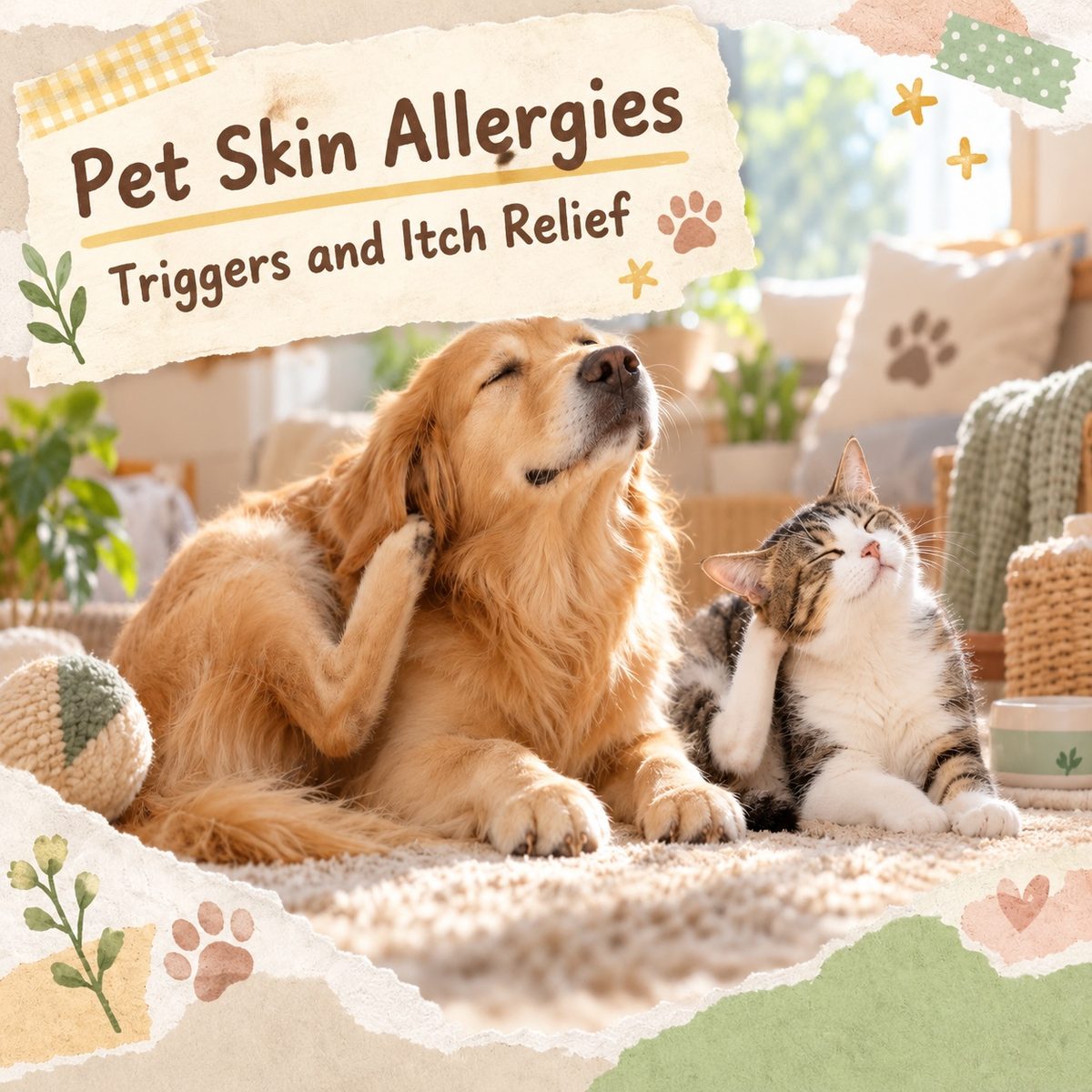
Quick answer: In Hong Kong, 90% of cat and dog skin allergies stem from fleas, food or environmental allergens. The key to stopping the itch is to first pinpoint the root cause and then treat it accordingly: flea control, food elimination, humidity and dust mite control, combined with vet medication and gentle bathing. Never rely on ointments alone to treat the symptoms.
The most typical signal of skin allergies in cats and dogs is persistent itching: constant scratching, licking and biting at themselves. The sources of allergens mainly fall into three categories: fleas, food and environment. The key to stopping the itch is to first find the root cause and then soothe the symptoms accordingly; applying ointment alone makes recurrence very likely. Once the skin is broken and oozing pus, see a veterinarian.
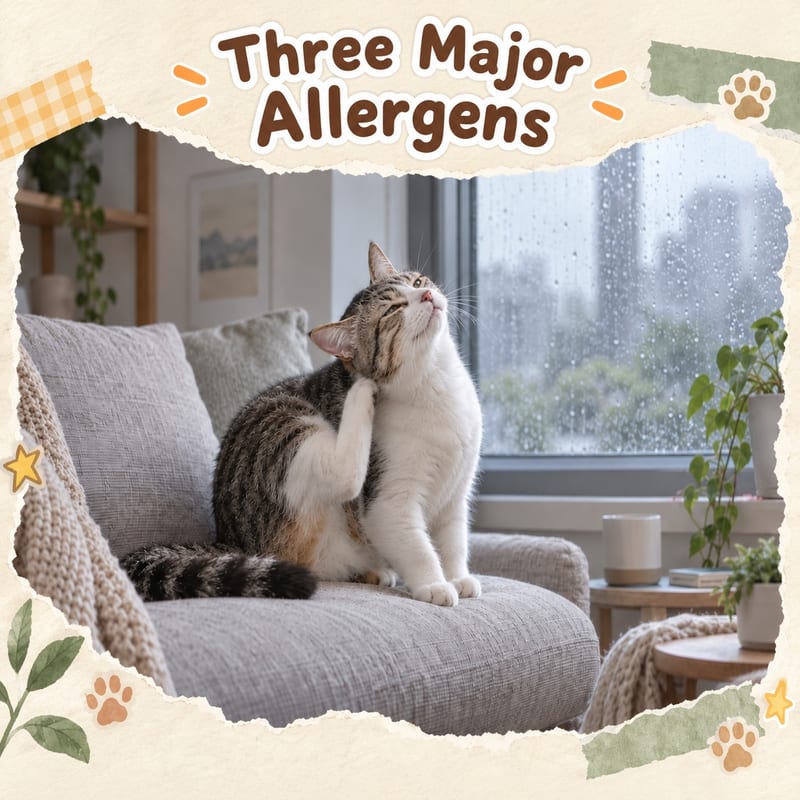
Why do cats and dogs get skin allergies? The three major allergens
Skin allergy is an overreaction of the immune system to substances that are normally harmless, causing itching, redness, swelling and inflammation. Hong Kong's humid weather makes mould and dust mites especially prone to multiplying, so pet skin problems are particularly common. The sources of allergens can be broadly divided into three categories.
1. Fleas—the most common Flea saliva is one of the strongest allergens; a single flea is enough to make an allergic cat or dog intensely itchy. Flea bite itching is mostly concentrated on the tail base, back legs and inner thighs, and these are also the spots where flea dirt (small black specks) is most easily seen.
2. Food Chicken, beef, grains and dairy are the most common food allergens. Food allergy usually presents as year-round recurring itching, mostly on the head and neck, around the ears and on the paws; some pets also have gastrointestinal issues such as soft stool and bloating. Confirming a food allergy requires an "elimination" test (described in detail below).
3. Environment Dust mites, pollen, mould, dust and human dander are all environmental allergens. Hong Kong is humid for long periods, and dust mites and mould are the main local environmental allergy sources; environmental allergies often worsen noticeably in specific seasons or locations.
Tip: Remember the three sources: fleas (bite allergy), food (chicken/beef/grains), environment (dust mites, pollen, mould). If you can't find the root cause, stopping the itch only treats the symptoms and it will soon recur.
What are the symptoms of skin allergies? 6 common signs
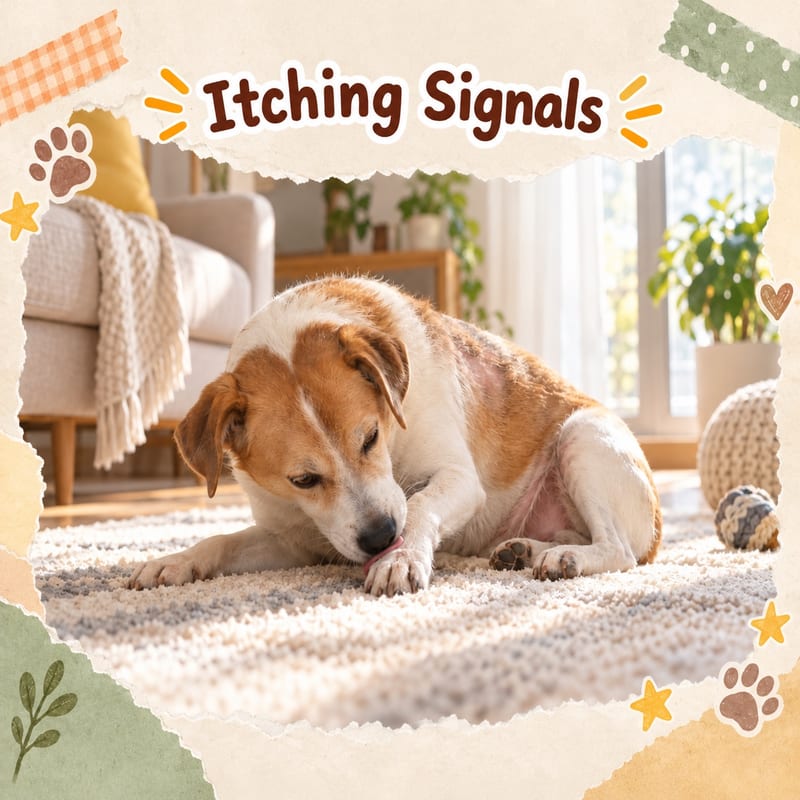
Skin allergies in cats and dogs usually start with "itching" and gradually develop into visible skin damage. Here are the most common signs:
- Scratching, licking, biting—constantly scratching the body, licking fur, biting at one particular spot; this is the most direct sign of itching
- Hair loss—repeated licking and biting makes the fur sparse locally, sometimes licked bare
- Redness and swelling—skin turns red and swollen; scratching a lot breaks the skin
- Rashes and scabs—allergic dermatitis produces small red rashes that scab over after being scratched open
- Recurring ear infections—red, swollen ear canals, discomfort and head shaking, odour around the ears; allergies often come with ear infections
- Paw licking and biting—itchy paws; the pet stops to lick its paws while walking
- Increased dandruff—dry, flaky skin and dull coat
Tip: The core symptom of skin allergy is always itching. If your pet scratches and bites noticeably more often than before, it's worth paying attention; combined with hair loss, redness, swelling and ear infections, allergy becomes more likely. Skin allergies themselves are not contagious to people or other pets, but they make the pet scratch itself worse and worse.
Flea, food or environmental allergy? How to tell them apart initially
The three types of allergy are treated differently, so the first step is to play detective. The table below shows clues you can observe at home:
| Observation clue | Flea allergy | Food allergy | Environmental allergy |
|---|---|---|---|
| Common itchy locations | Tail base, thighs, lower back | Head and neck, around ears, paws | Paws, underbelly, armpits |
| Time pattern | All year round, worse in warm humid seasons | Recurring year-round, linked to what is eaten | Seasonal or obvious on humid days |
| Common accompanying problems | Black specks, scabs | Soft stool, bloating, ear infections | Sneezing, red eyes, head shaking |
| Initial confirmation method | Wet cotton paper test for flea dirt | Food elimination test | Observe changes after improving the environment |
The wet cotton paper test is simple: pick up a few of the black specks from grooming and press them onto wet cotton paper. If they dissolve into a reddish-brown colour, it's flea faeces from digested blood—meaning there are fleas in the home.
Five steps to stop the itch: cut off the root cause first, then soothe the itching
1. Deworm first If fleas are suspected, deworming itself is itch relief. Use vet-prescribed spot-on or oral flea medication, and treat all cats and dogs in the household at the same time—don't treat only the one with visible bugs.
2. Food elimination test If food allergy is suspected, follow your vet's instructions and feed only a single novel protein (or hydrolysed prescription diet) for a period, adding no treats, canned food or human food during that time, then reintroduce old ingredients one by one to see which one brings the itching back. Sneaking food mid-test will make the results unreliable.
3. Environmental control Reduce dust mites and mould: wash and dry pet bedding frequently; vacuum carpets and sofa crevices; run a dehumidifier on humid days to keep the home dry; avoid grassy areas on high-pollen days.
4. Vet itch treatment After assessment, a vet may use anti-allergy medication, ointment or spray to soothe the itching; if the skin has a secondary bacterial infection, antibiotics may be needed. Do not buy human ointment for your pet—some ingredients are toxic to cats.
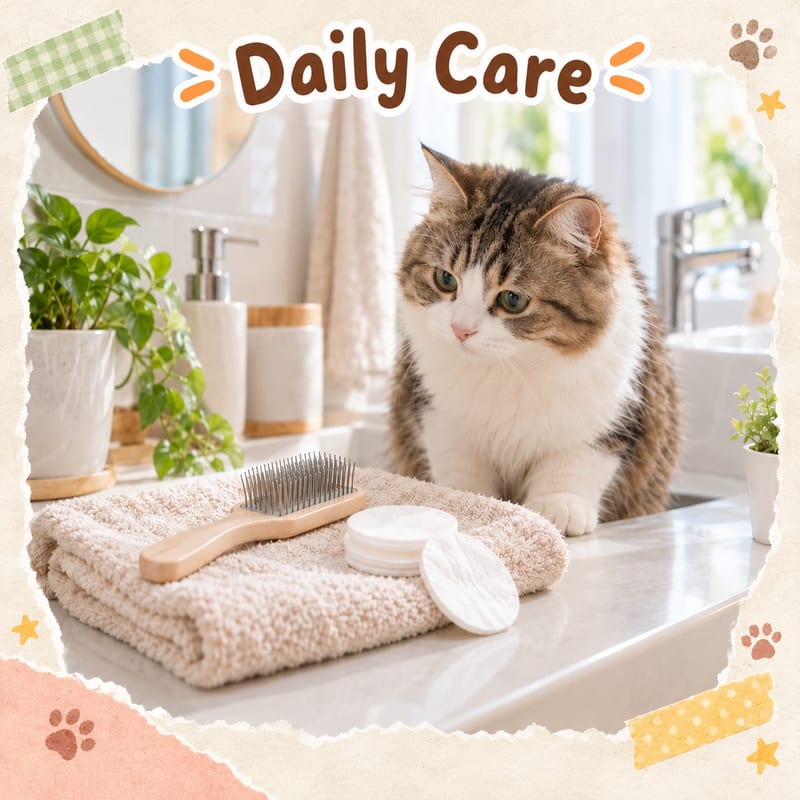
5. Gentle bathing care Use a mild pet-specific shampoo to help wash away allergens and dander on the skin surface and soothe itching. The water should not be too hot, and the coat must be thoroughly dried afterwards; otherwise residual moisture makes skin problems more likely to return.
6. Break the "scratch more, itch more" vicious cycle Itching and scratching reinforce each other; the more they scratch, the thicker and itchier the skin becomes. A vet may suggest an Elizabethan collar or protective clothing to temporarily block licking and biting and let the skin rest and recover; meanwhile keep nails short to reduce the chance of breaking the skin.
Tip: Order matters—deworming (fleas) → food test → environmental control, combined with vet medication for relief. Severe or recurring allergies must be seen by a vet, because secondary infections from broken skin are often the real trouble.
When should you see a vet immediately?
If any of the following occur, stop self-treating and take your pet to the vet as soon as possible:
- The skin is already broken, bleeding or oozing pus, with a noticeable odour
- The itching is so severe that the pet won't eat, can't sleep, or shakes its head non-stop at night
- Hair loss and redness/swelling spread rapidly in a short time
- Ear canals are red and swollen, with dark discharge, and the pet shakes its head constantly
- Swelling of the eyes and lips, rapid breathing, sudden whole-body itching—possible acute allergic reaction, which is an emergency
- Self-care for one or two weeks shows no improvement, or the problem keeps recurring
A vet may perform skin scrapings, a Wood's lamp examination, a flea control trial or a food elimination plan before prescribing the right treatment.
Hong Kong humid weather allergy prevention checklist
- Year-round deworming: Hong Kong is warm and humid, and fleas don't follow seasons; monthly flea control is the most effective prevention
- Control humidity: keep the dehumidifier running to keep the home dry and suppress mould and dust mites
- Wash and dry bedding frequently: wash cat blankets and bed pads weekly and dry them thoroughly
- Vacuum thoroughly: carpets, sofas and mattress crevices are dust mite hotspots
- Clean after outings: wipe paws and coat after walks to reduce pollen and dust brought indoors
- Groom regularly: catch black specks, rashes and hair loss early
- Don't leave pets in damp corners: next to bathrooms, under balconies and mouldy spots are dust mite and mould hotspots
- Deworm indoor cats too: flea eggs can be brought in on shoe soles and carpets; "no going out means no risk" is a myth
- Feeding discipline: don't add random treats or human food, to avoid confusing allergy assessment
What you can do starting today
- Deworm all cats and dogs in the home once, and note the date to set up a monthly routine
- Use the wet cotton paper test on black specks from grooming to see if they turn red
- Start running the dehumidifier today, and wash and dry your pet's bedding
- Note the times, locations and severity of itching on your phone for reference at follow-up visits
- To learn about shampoo and food combinations suitable for sensitive skin, see the PetChill pet supplies guide and the petfood review section
Further reading
This article is for reference only; consult a registered veterinarian for any concerns. PetChill Pet Health Team — Hong Kong's most authoritative pet knowledge platform
📌 Key summary
- ✅ Flea saliva is the worst; one flea is enough to make an allergic cat or dog intensely itchy
- ✅ Food allergy is confirmed by the "elimination method": reintroduce old ingredients one by one and observe reactions
- ✅ Humid Hong Kong has lots of dust mites and mould; a dehumidifier plus frequent bedding washing is a must
- ❌ Don't apply human ointment to your pet; some ingredients are toxic to cats
- ❌ Stopping the itch is not a helps manage; if the skin is scratched open and oozing pus, you must see a vet