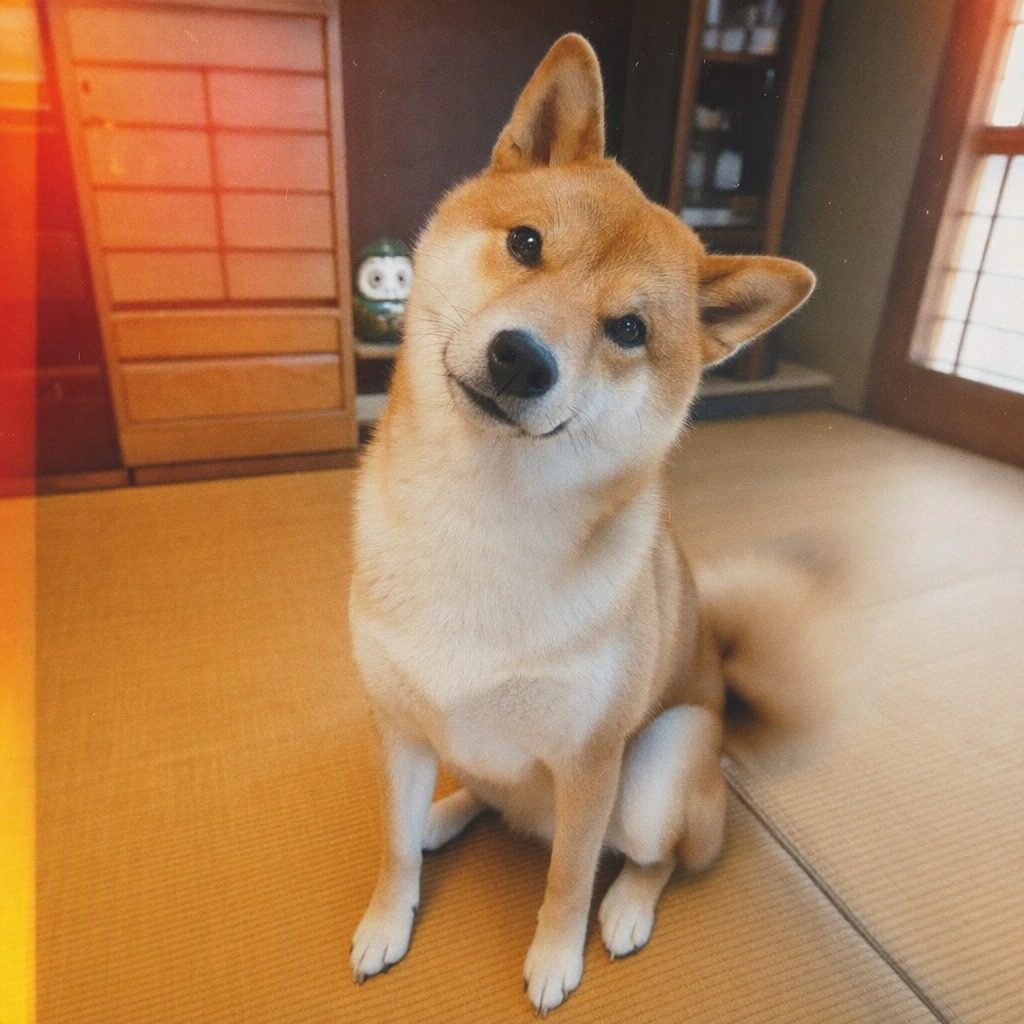
Shiba Inu
Size
Medium
Lifespan
12-15 years
Weight
8-11 kg
Price
HK$15,000-25,000
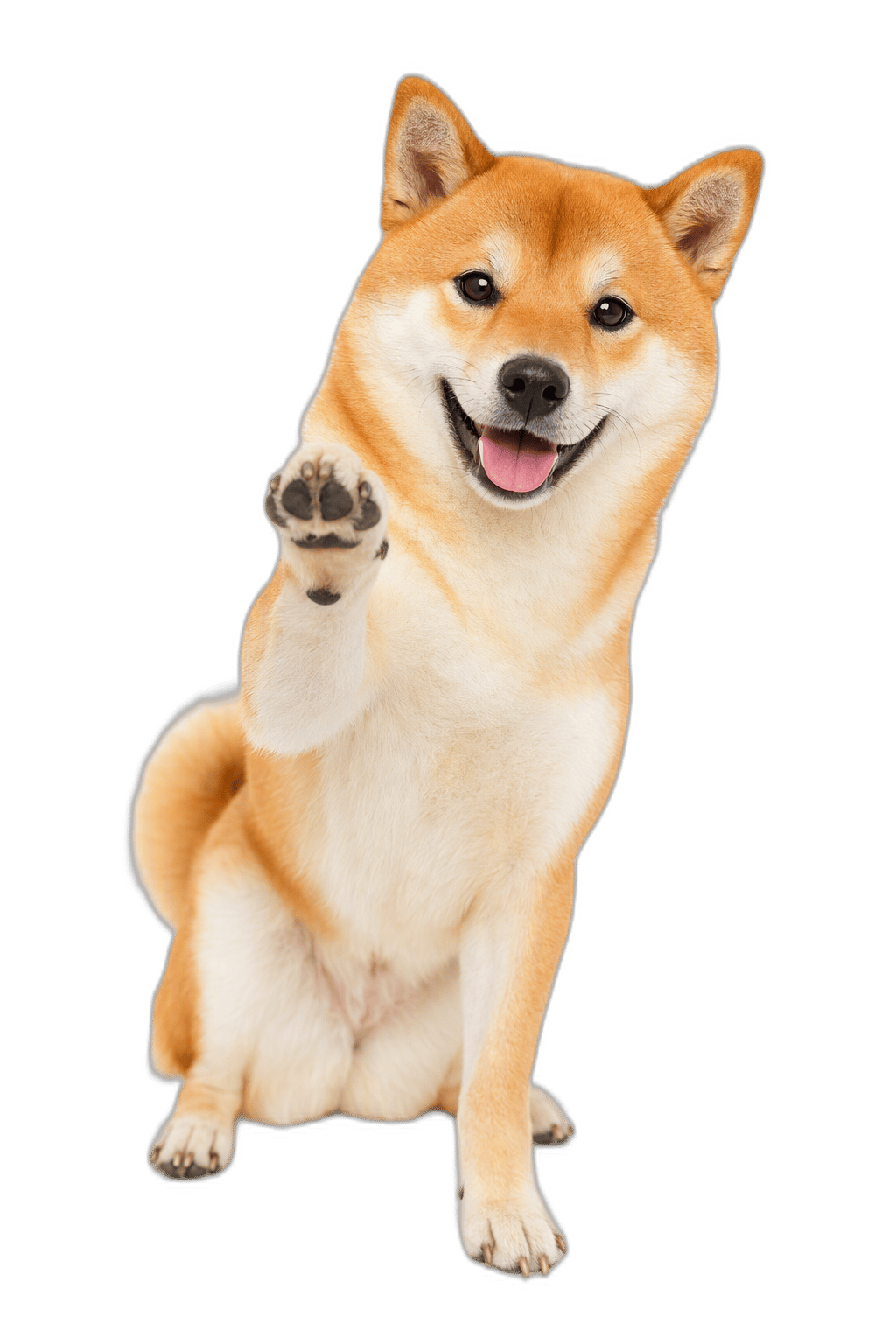
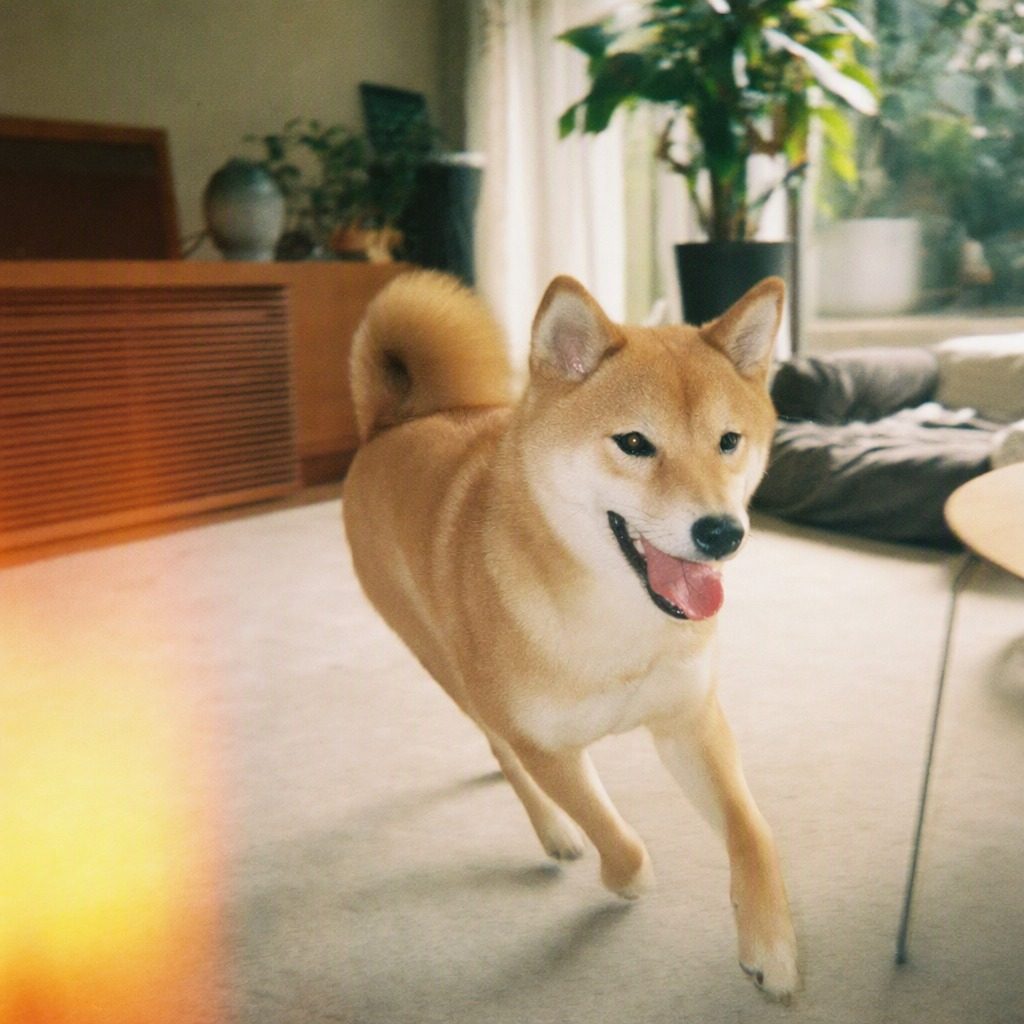
📺 32-second video · Cantonese narration
The Shiba Inu story, in one take
From Japan to Hong Kong homes — how did the Shiba Inu become one of Hong Kong's most popular pet breeds?
- ✓Origin story: starting in Japan
- ✓Personality: Independent, Loyal
- ✓Lifespan 12-15 years · Size Medium
PetChill Pet Encyclopedia
Key facts
Origin
Japan
Lifespan
12-15 years
Size
Medium
Weight
8-11 kg
Coat
Short coat, red-brown
Price range
HK$15,000-25,000
Personality
Care essentials
Grooming
Brush 2-3 times a week
Exercise
High, needs plenty of exercise
Training difficulty
Needs patient training
Shiba Inu everyday food & supplies
Chosen by species (dog) from products PetChill stocks — not a breed-specific formula. Actual suitability depends on age, weight and health.
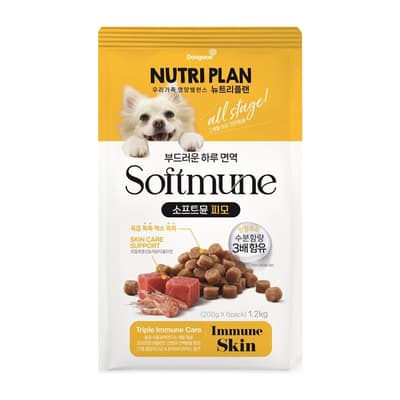
Nutriplan Soft Dog Food Immunity and Skin Care Support 1.2kg (64337)
HK$98About HK$81.67 per kg
Price checked 2026-10-21; the store page shows the live price, stock and offers.
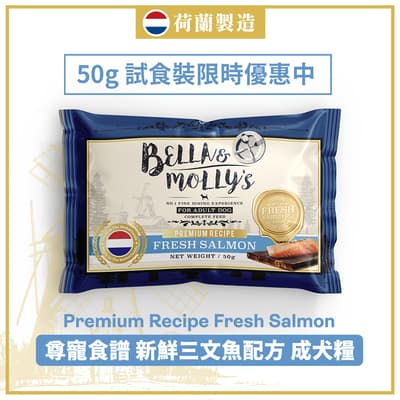
Bella & Molly's Dutch Berry Royal Selected Dog Food AAFCO Grain-Free Single Protein Salmon Formula 50g (Limited Time Experience)
HK$10About HK$200 per kg
Price checked 2026-10-21; the store page shows the live price, stock and offers.
 Special offerHK$175HK$235
About HK$77.16 per kg
Price checked 2026-10-21; the store page shows the live price, stock and offers.
History & origin
The Shiba Inu is one of Japan's oldest dog breeds, with a history going back to the Yayoi period around 300 BC. 'Shiba' means 'brushwood' in Japanese, because they originally hunted birds and small animals among the brushwood in mountain areas.
The Shiba is the smallest of Japan's six native breeds (Shiba, Akita, Kishu, Shikoku, Hokkaido and Kai Ken) and also the most popular. During the Second World War the Shiba nearly died out through air raids and distemper, and after the war breeders rebuilt it from the surviving lines, which is how this valuable breed was preserved.
The Shiba is best known for its 'Shiba smile', the corners of the mouth turning up as if smiling, and with the curled tail, pricked ears and red coat it has become one of the most popular breeds in the world. In character the Shiba is independent, clever and loyal, but also famously stubborn: it has its own ideas and will not necessarily obey. It is extremely loyal to its family but wary of strangers. In Hong Kong the Shiba is popular for being medium-sized, clean and not too noisy, but note that it needs plenty of exercise and socialisation training.
Health & care
Common health issues and care advice for the Shiba Inu
Hip dysplasia
Book regular veterinary check-ups so problems are caught and treated early. Keeping a healthy weight, a balanced diet and plenty of fresh water is the basis for preventing most health problems.
Allergies
Book regular veterinary check-ups so problems are caught and treated early. Keeping a healthy weight, a balanced diet and plenty of fresh water is the basis for preventing most health problems.
Thyroid problems
Book regular veterinary check-ups so problems are caught and treated early. Keeping a healthy weight, a balanced diet and plenty of fresh water is the basis for preventing most health problems.
In short, an annual check-up and attentive day-to-day observation are the best way to protect your Shiba Inu's health. See a vet as soon as something looks wrong — do not wait.
Want to see more dog breeds?
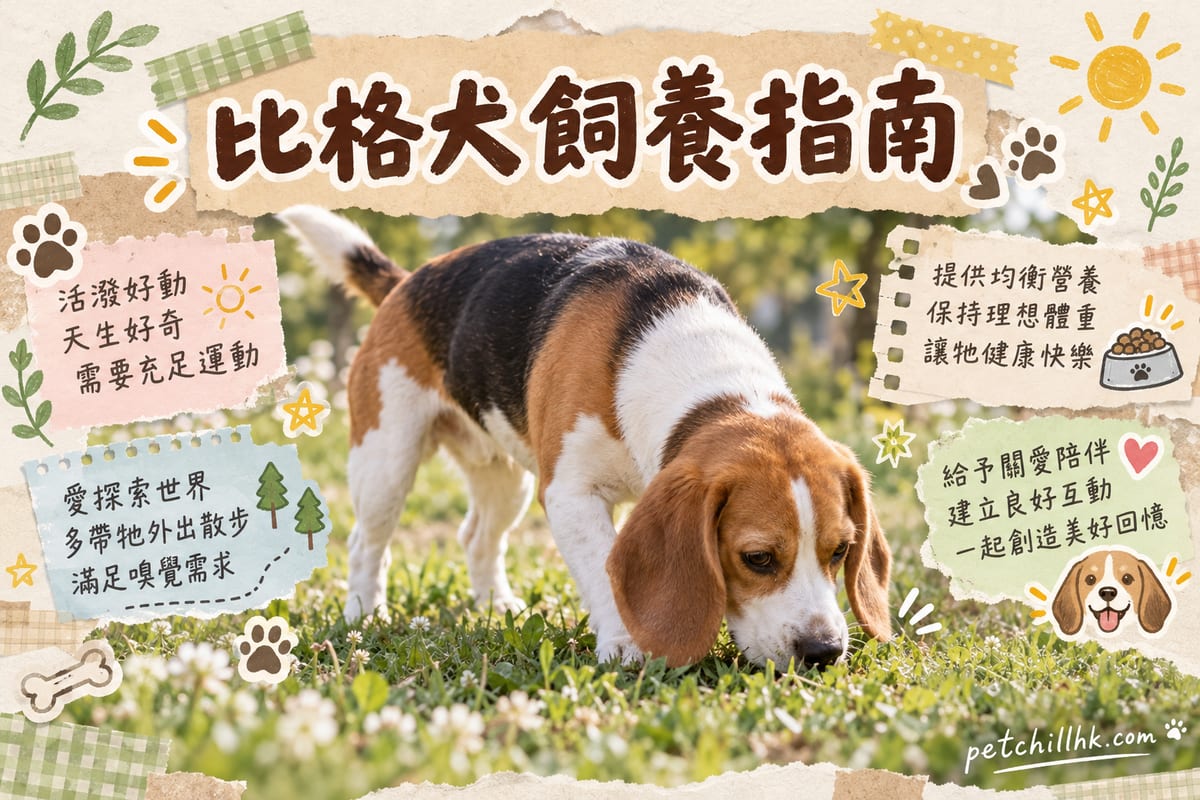
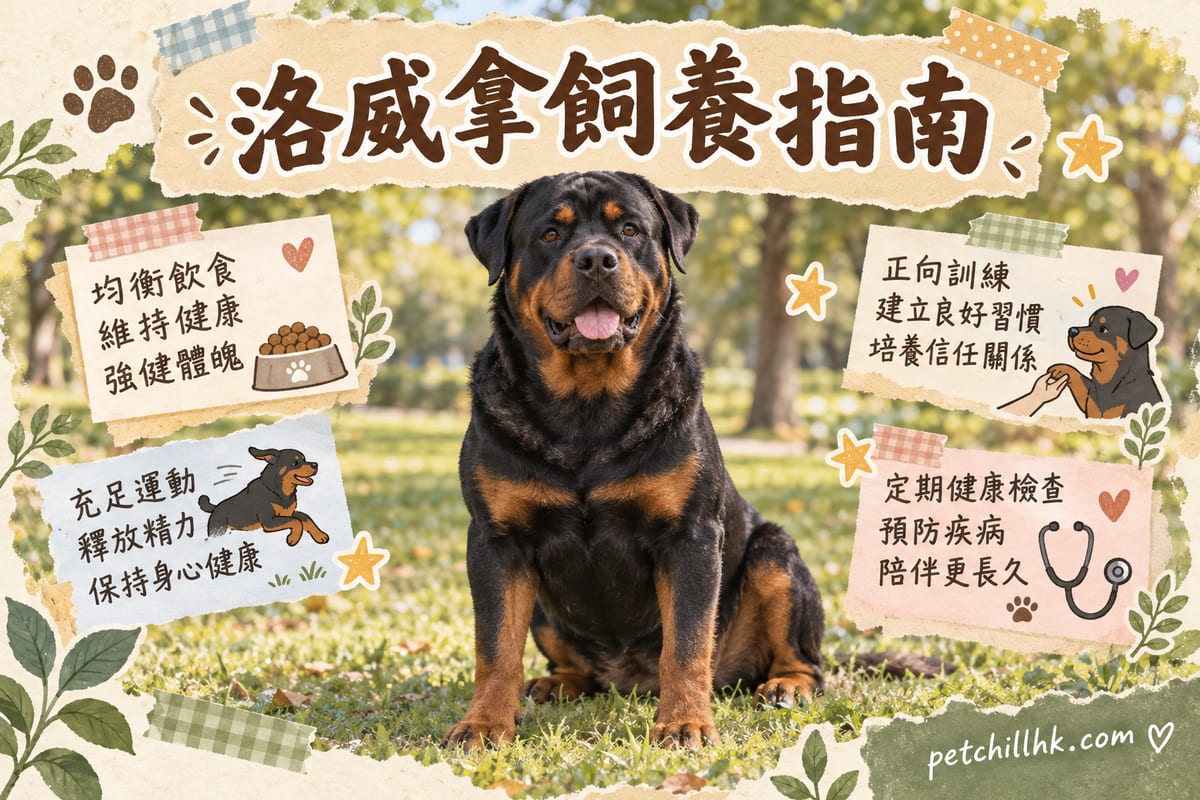
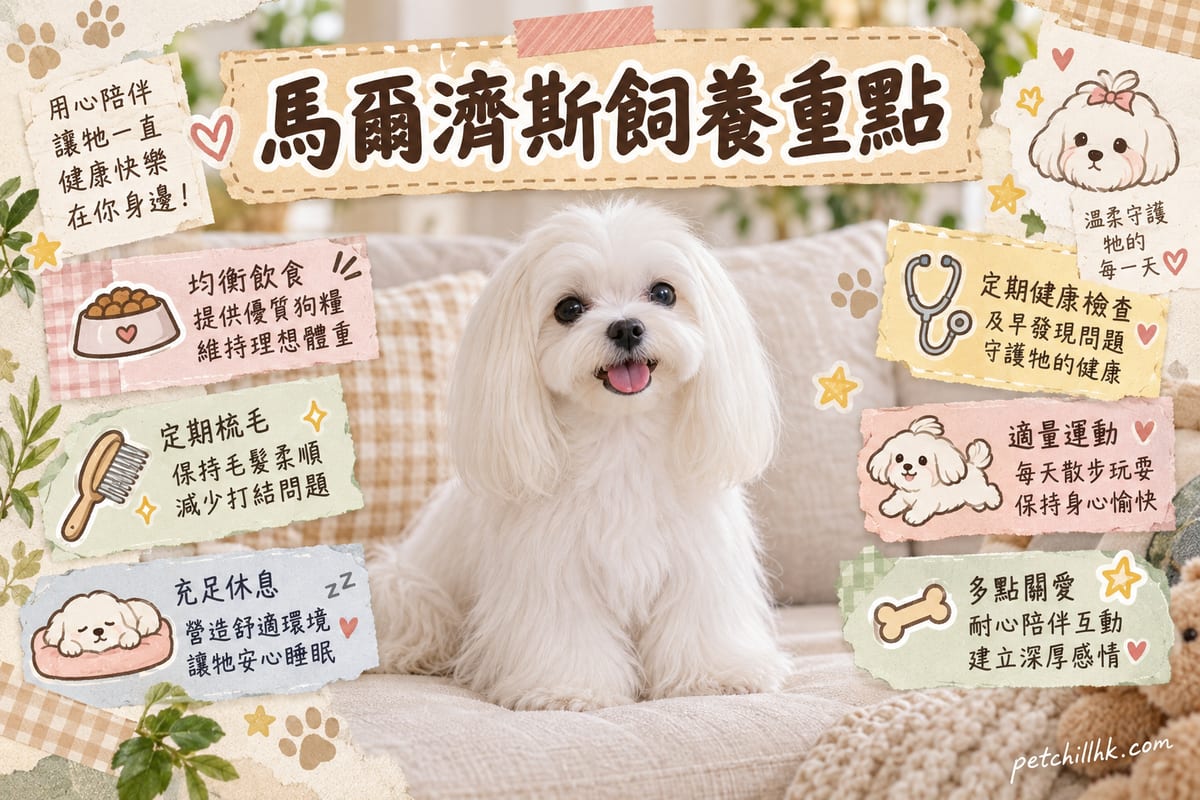
Besides the Shiba Inu, you can also compare Beagle, Rottweiler and Maltese — breed guides that compare personality, size and care difficulty.
Frequently asked questions
The questions people ask most about the Shiba Inu
The Shiba Inu is one of Japan's oldest breeds, with a history going back to the Yayoi period around 300 BC, and it is the smallest of Japan's six native breeds.
'Shiba' means 'brushwood' in Japanese, because the Shiba originally hunted birds and small animals among the brushwood in mountain areas.
Famously stubborn! Shibas are independent, clever and have their own ideas, and they will not necessarily obey; they need patient and consistent training, and beginners should be prepared for that.
Relatively quiet. Shibas do not much like barking, but they have a distinctive 'Shiba scream', a high-pitched cry when they are unhappy or frightened.
Yes, but it needs enough exercise. Shibas are medium-sized and clean and can live in a small flat, but they need daily walks and play to burn off energy.
Shiba Inu articles
8 articles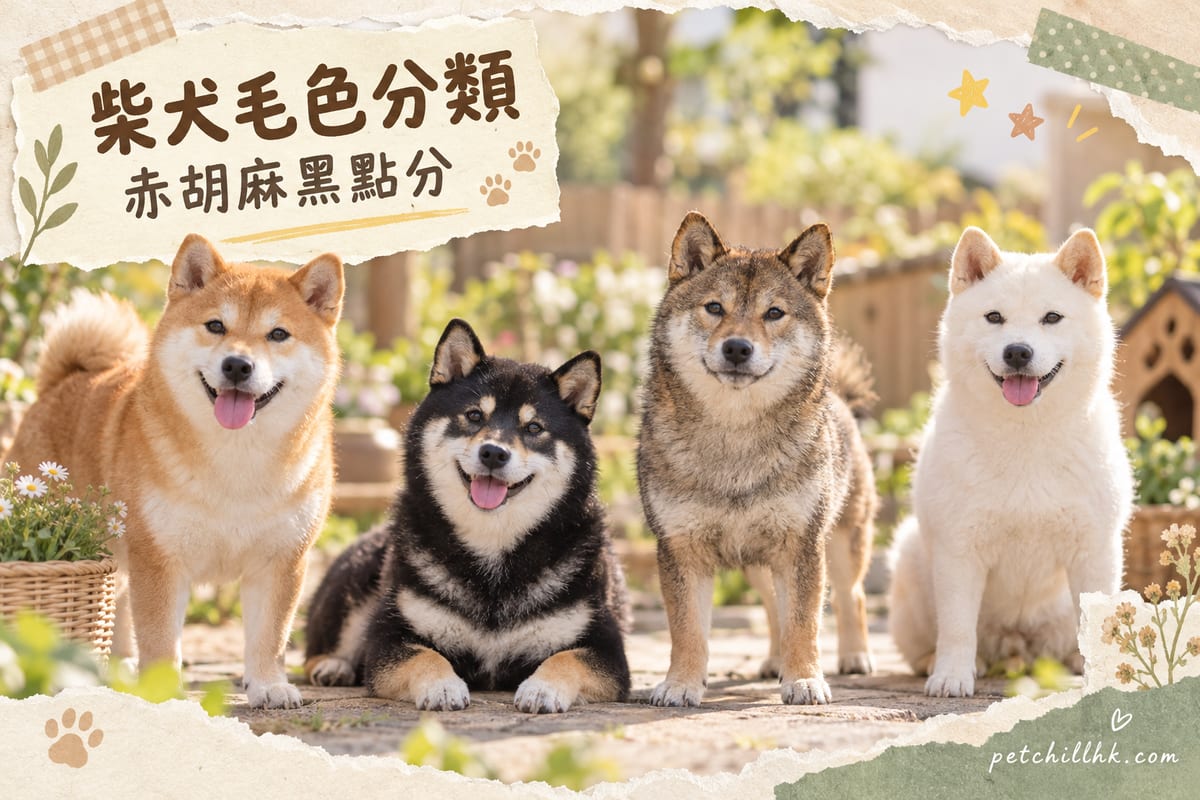
Shiba Inu Colours: Black Shiba, Red, Sesame and White — Differences and Prices
Shiba Inus come in four main colour families: red, black-and-tan (black Shiba), sesame and white. Red is the most common; the Nihon Ken Hozonkai and AKC show standards recognise red, black and sesame, while white is not in the mainstream recognised list but is no different health-wise. This article explains the features, commonness and Hong Kong price differences of the four colours (pet-grade black Shiba about HK$10,000–18,000, pedigree-grade about HK$20,000–35,000) and what 'urajiro' means.
Read the full article →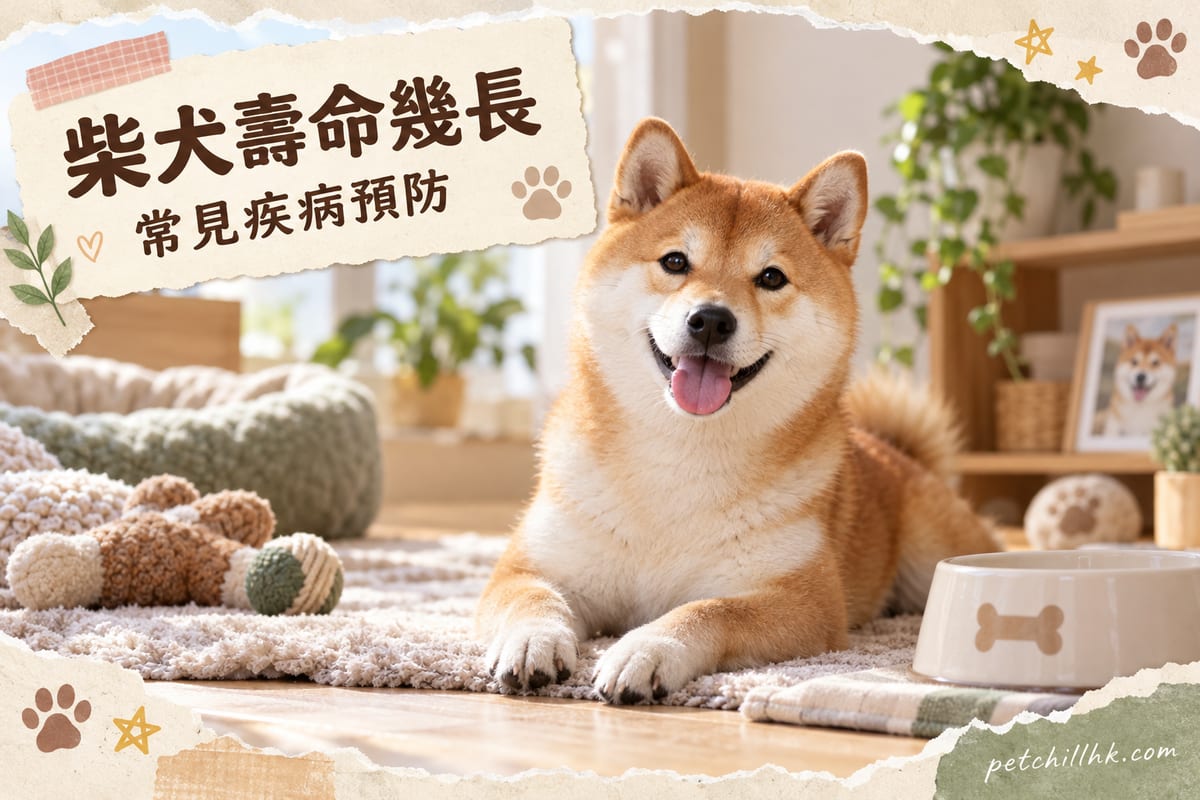
Shiba Inu Lifespan: How Long Do They Live in Hong Kong?
A Shiba Inu's lifespan is generally about 12–15 years (AKC breed information commonly cites 13–16 years), making it a long-lived representative among small-to-medium dogs. The top three controllable factors affecting length of life are weight management, regular health checks and dental care; don't use 'multiply by seven' for dog-age conversion — the first year alone equals about fifteen human years.
Read the full article →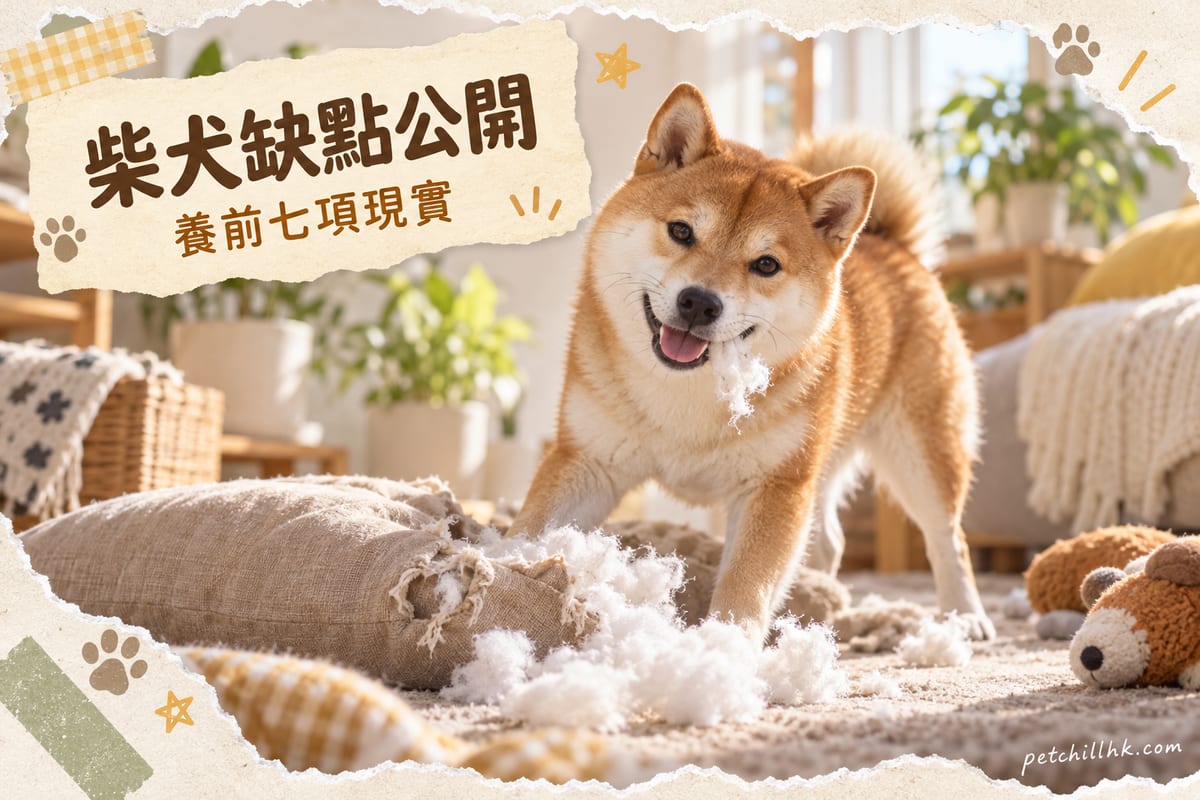
Shiba Inu Regret List: 8 Downsides Hong Kong Owners Must Know and How to Cope
People online often say they regret getting a Shiba Inu—are the downsides really that bad? This article honestly lists eight Shiba Inu downsides: heavy shedding during coat-blowing season, stubbornness and poor recall, the Shiba scream disturbing neighbours, hunting instinct, skin sensitivities, genetic risk of patellar luxation, destructive behaviour when bored, and slow-to-warm sociability. Each comes with coping methods and cost direction—not to discourage you, only to give solutions, so you're fully prepared before getting one and don't become part of the regretful group.
Read the full article →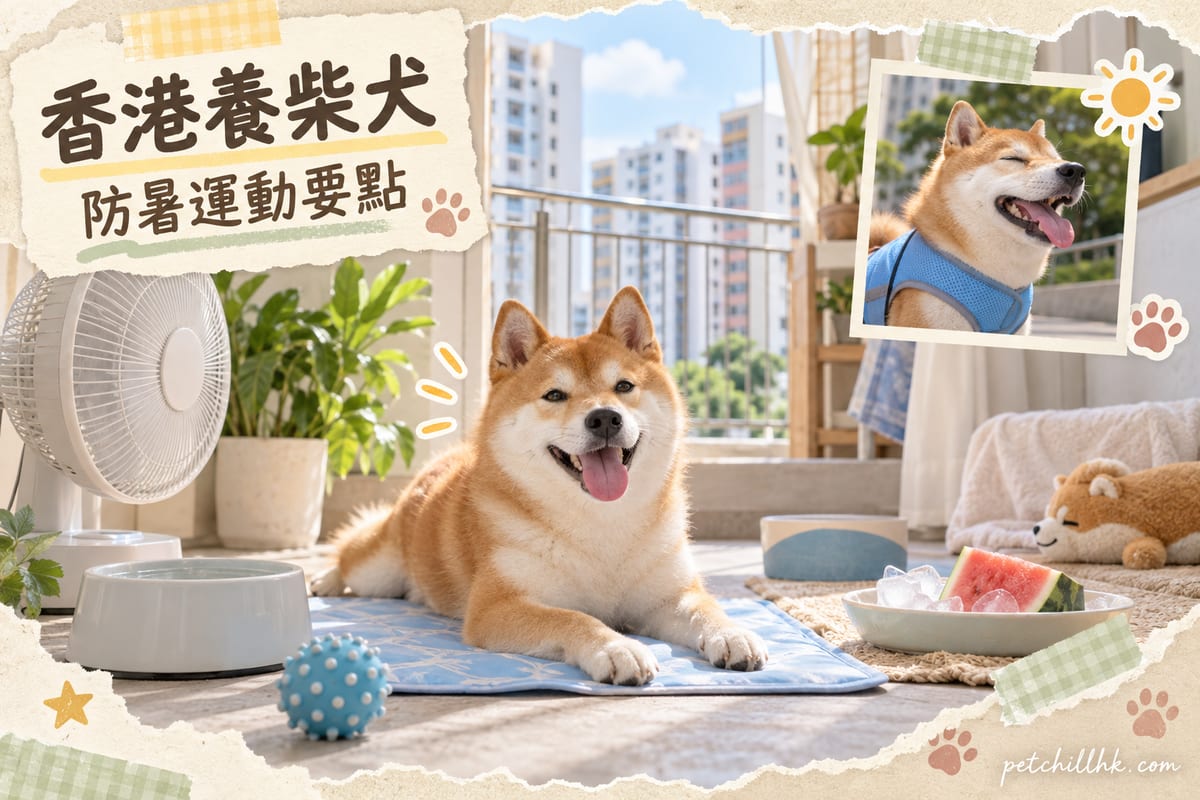
Shiba Inu in Hong Kong: A Complete Guide to Public Housing, Summer Heat and the Law
Is a Shiba Inu right for Hong Kong? This guide breaks down what locals care about most: dog licensing and legal requirements, public housing policy and building deed of mutual covenant restrictions, feeding and setup in a small flat, peak-summer heat precautions, humidity and coat care during the plum rain and return-of-south-wind season, plus a year-round risk calendar, comparison tables and hiking leash reminders — so you can do your homework before bringing a Shiba into a Hong Kong home, even a small walk-up tenement flat.
Read the full article →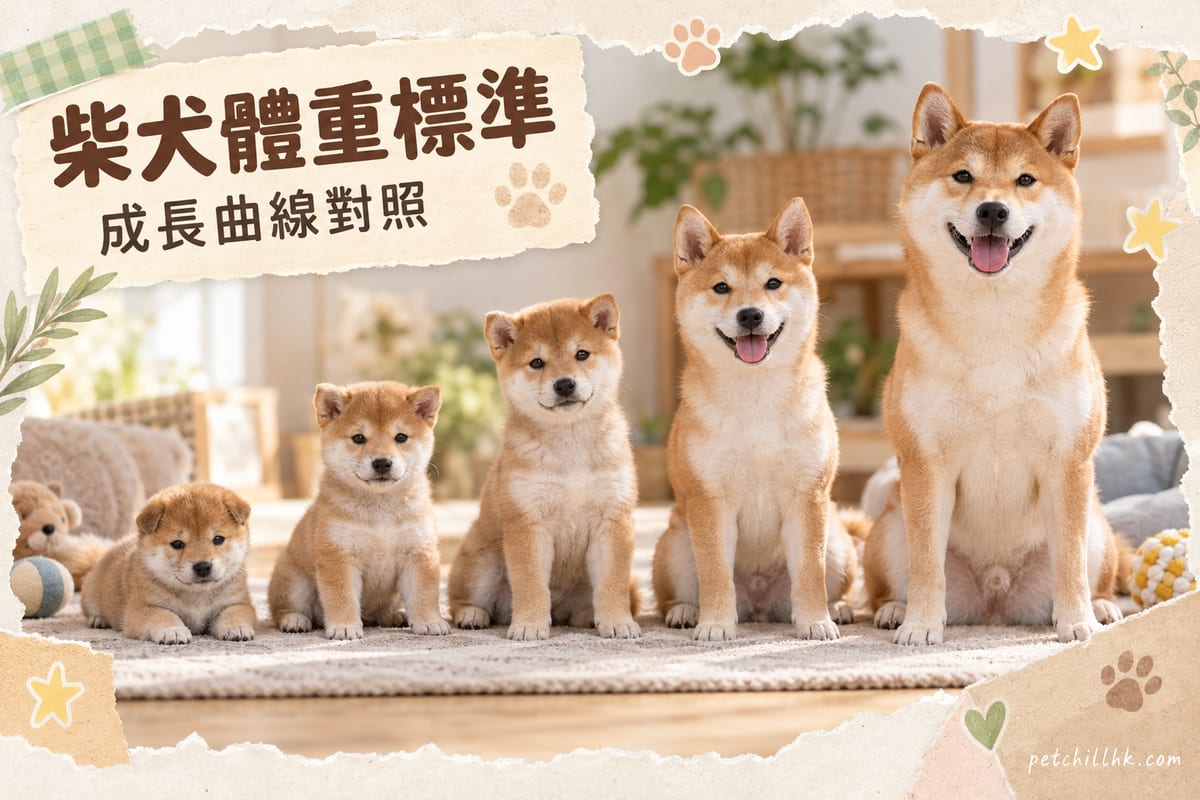
Shiba Inu Weight Growth Curve: What's the Hong Kong Standard in kg? Complete Guide from Puppy to Adult
What is the standard adult weight for a Shiba Inu in kg? This article compiles the weight growth chart for Shiba Inus from puppy to adult, differences in body size and shoulder height between males and females, whether Mame Shiba is a separate breed, a three-step body condition score to judge fat or thin at home, and the risks of excess weight on joints. A must-read for prospective Shiba owners in Hong Kong before getting a dog.
Read the full article →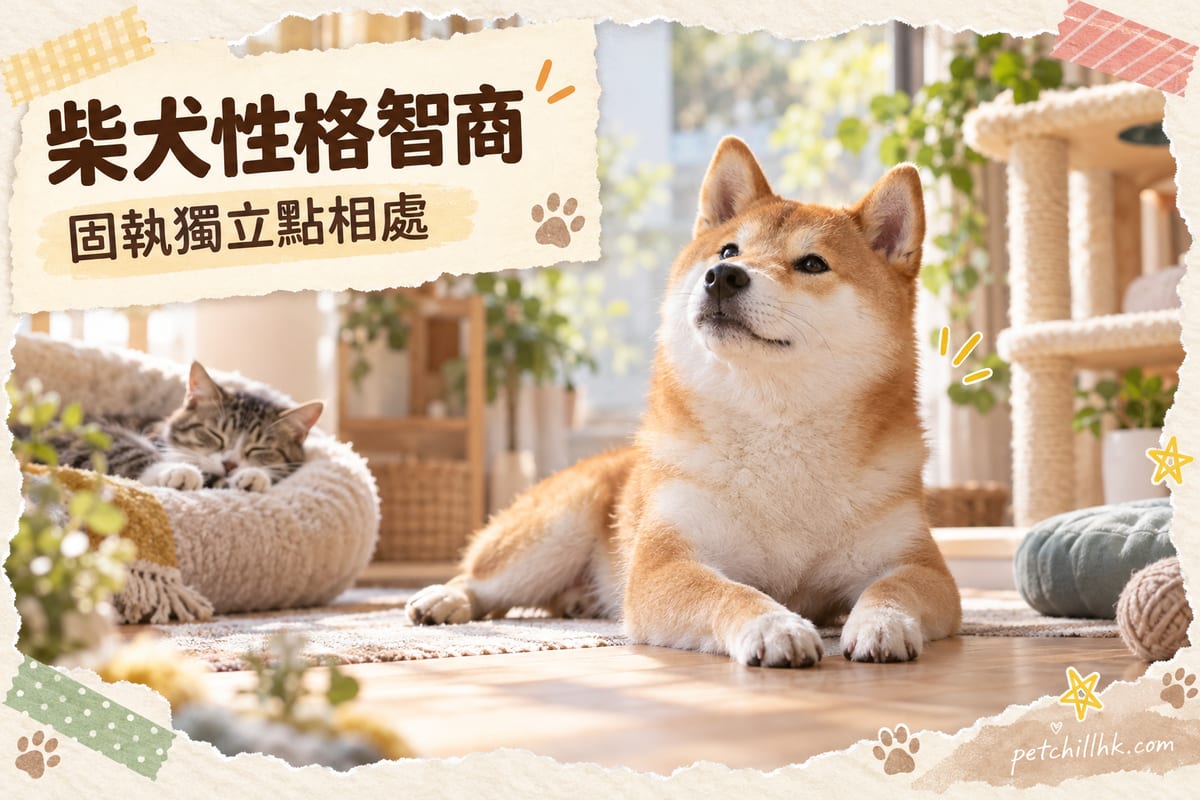
Shiba Inu Personality | A Must-Read for Hong Kong Owners: The Independent, Stubborn, Highly Intelligent Cat-Like Dog
What is a Shiba Inu's personality really like? Independent, stubborn, clean, smart but not necessarily obedient — it's the recognised 'cat-like dog'. This article breaks down the Shiba's personality traits, the truth behind its intelligence ranking, differences between males and females, myths about coat colour and personality, and what it's really like living with children and other pets, plus 5 principles for interactive training.
Read the full article →
Shiba Inu Hong Kong Price & Adoption Guide: 2026 Buy or Adopt
How much does a Shiba Inu cost in Hong Kong? This guide compiles 2026 price references, including pet-grade and pedigree-grade ranges, the truth about colour premiums for black, sesame and white Shibas, adoption routes via SPCA, the New Territories animal centre and Japanese breed rescue networks, how to spot fake free puppy adoptions, an 8-point pre-purchase checklist, and a monthly cost estimate table — so you know what you're getting into whether you buy or adopt, without wasting money or missing a good adoption match.
Read the full article →
Shiba Inu Hong Kong Care Guide: Temperament, Shedding, Training and Hereditary Conditions
Shiba Inus are a hugely popular breed in Hong Kong, but this 'cat-like dog' is independent and stubborn, and sheds an astonishing amount during coat-blowing season. This guide covers Shiba temperament, shedding and grooming, training methods, hereditary conditions and when to see a vet, plus Hong Kong licensing, leash laws and adoption information — essential reading for prospective owners.
Read the full article →You may also like
Other dog breeds like the Shiba Inu