
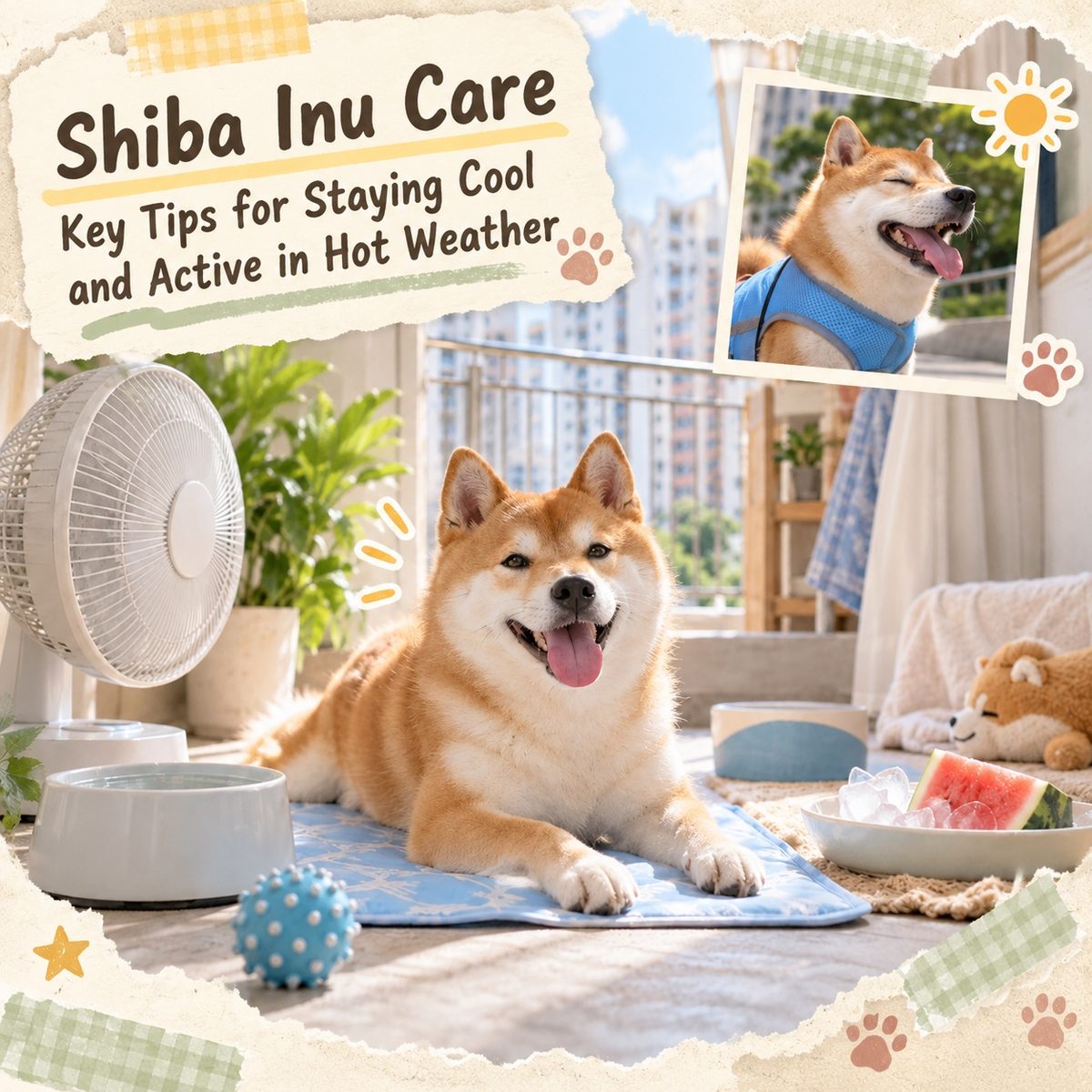
Quick answer: Shiba Inus are small, clean and don't need much space, so they are a suitable breed for Hong Kong; but you must handle four things well: getting a dog licence at five months old, checking public housing and building deed restrictions, preventing heatstroke in high summer, and protecting the coat from humidity during the plum rain season. Do your homework and you can keep a Shiba well even in a walk-up tenement flat.
Want to know the breed inside out? Start with the Shiba Inu breed profile and the complete Shiba Inu guide.
1. Legal basics: licence, microchip, rabies vaccine
Hong Kong law requires dogs over five months old to hold a dog licence. Before licensing, the dog must be vaccinated against rabies and microchipped; keeping an unlicensed dog can lead to a fine. Licences are renewed annually, and the exact fees and procedures are subject to the latest announcements from the Agriculture, Fisheries and Conservation Department (AFCD). In addition, keeping too many dogs on a premises or causing noise nuisance can lead to reports and prosecution. Shiba Inus are sensitive to sounds outside the door and will "shiba-scream" when something happens. If you keep one in a village house or tenement, train "don't rush the door when the doorbell rings" from day one — this is not just good manners but also a compliance issue.
2. Public and private housing: check the policy first, then talk about how cute they are
| Housing type | Feasibility of keeping a dog | Must-do homework |
|---|---|---|
| Public housing | Policy generally prohibits dogs (except existing exemptions) | Check with the Housing Department; don't rely on luck |
| Home Ownership Scheme / Green Form Subsidised Home Ownership Scheme | More relaxed than public housing, but still check management terms | Confirm the maximum number with the owners' corporation or management office |
| Private building | Depends on the building's deed of mutual covenant | Confirm beforehand whether there is a "no dogs" clause |
| Village house / tenement | Generally feasible | Pay attention to noise, hygiene in common areas and neighbour relations |
| Rented flat | Depends on landlord's consent | State in writing whether dogs are allowed to avoid disputes at move-out |
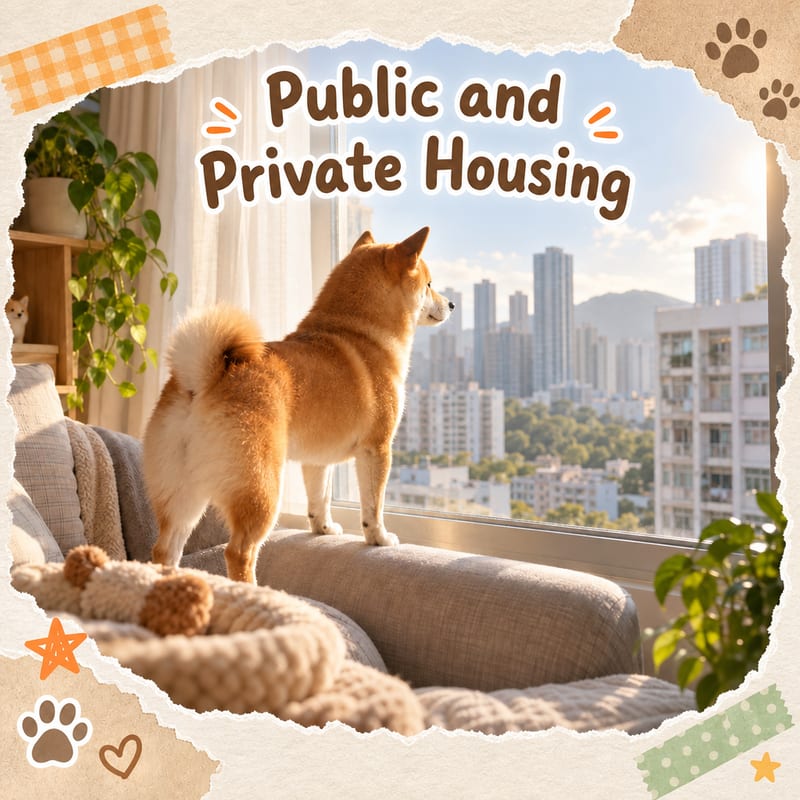
Many searches for "Shiba Inu adoption Hong Kong" and "small dog adoption Hong Kong" are actually about housing restrictions. This breed weighs 7–10 kg, fits in a lift and doesn't need a garden, so physically it suits Hong Kong perfectly; what limits them is never space but rules. So spending a week, half an hour a day, checking deeds and policies before getting a dog is the most important investment you can make in your relationship with a Shiba.
3. Hong Kong summer: heat safety is a survival issue
Shiba Inus are descended from Japanese mountain dogs and tolerate cold but not heat. From June to September, Hong Kong is often 30°C with high humidity, and the double coat makes cooling even harder:
- Walk in the early morning or after sunset; test the ground with the back of your hand for five seconds — if it's hot to the touch, it's too hot to walk.
- Air-conditioning is fine; keep it at 24–27°C with ventilation, but don't seal the room 24 hours a day.
- Place plenty of water around the home; use an insulated water bottle. Don't believe "shaving keeps them cool" — shaving off the double coat actually impairs insulation and mosquito protection, and exposes the skin to direct sunburn.
- Never leave the dog in a car or on an enclosed rooftop under any circumstances; a car interior in a Hong Kong summer can be fatal within ten minutes.
4. Plum rain season moisture control: a special Hong Kong challenge for double coats
Every March and April, during the return-of-south-wind season, walls drip with condensation, and a Shiba's undercoat is even harder to dry. Moisture trapped in the undercoat is a breeding ground for eczema and fungal infections:
- After a bath, always dry the coat completely, especially the armpits, groin and base of the tail; don't settle for "seven-tenths dry".
- Keep the home ventilated and use a dehumidifier on damp days; dry the dog bed regularly and rotate beds.
- Brush two to three times a week to remove dead hair and moisture together.
- If the skin is persistently itchy, the dog licks or bites a fixed spot, or there is patchy hair loss, see a veterinarian as soon as possible; do not use human medications on your own.
5. Year-round risk calendar
| Period | Risk | Advice |
|---|---|---|
| February–April, return-of-south-wind season | Skin eczema, active fungi | Dehumidify, dry the undercoat, brush more often |
| May–October, high summer | Heatstroke, burnt paws, parasites | Walk early morning and at night, parasite prevention, carry cold water |
| July–September, typhoon season | Lost during thunder, anxiety during power cuts | Close windows and draw curtains, check microchip details, keep backup food and water |
| November–January | Fireworks, festive food | Avoid the Victoria Harbour area on fireworks nights; never share chocolate, onions or alcohol |
| Lunar New Year holiday | Hard to find boarding, many guests | Book boarding a month ahead; set aside a quiet room for the Shiba to escape guests |
6. Daily routine for a Shiba in a small flat
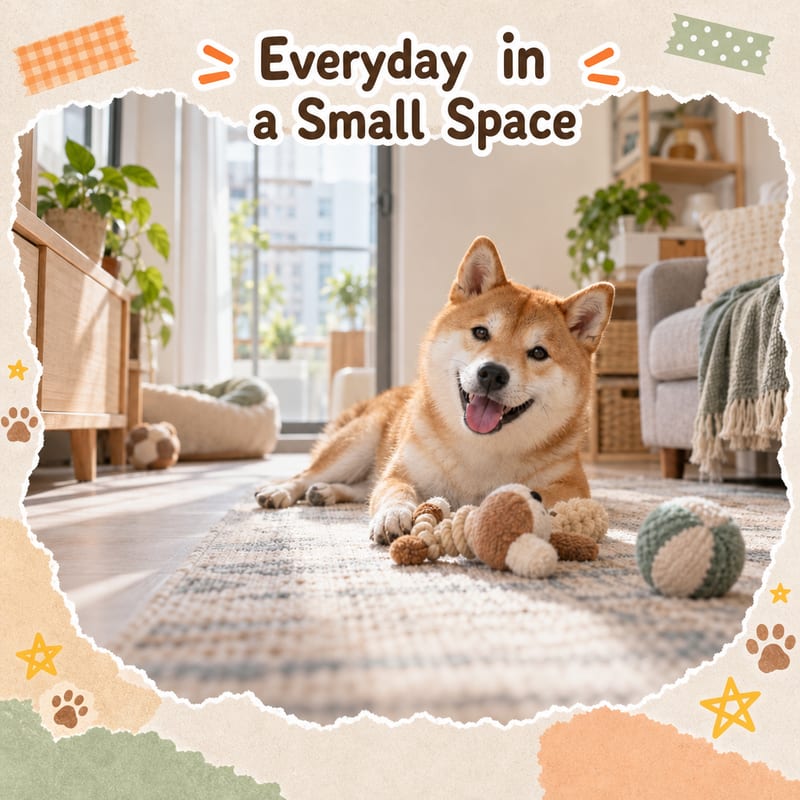
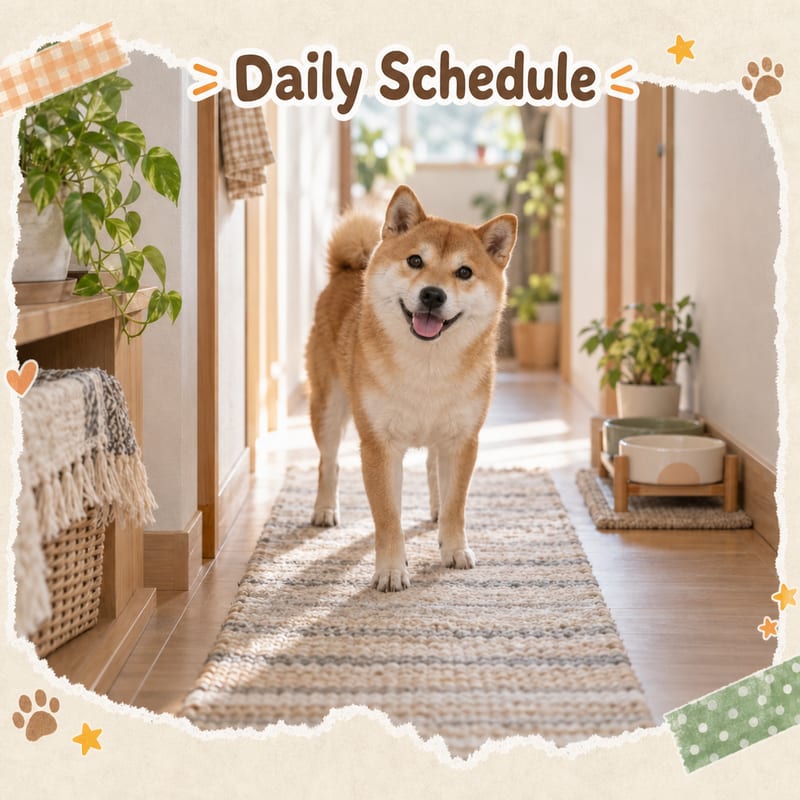
Shiba Inus are not demanding about space, but they are demanding about routine: two walks at fixed times each day, 30–45 minutes per walk is enough to burn off most adult dogs' energy; lay non-slip mats at home to protect joints (Shiba Inus are prone to patellar luxation, and bare floors are a hidden killer); place food and water bowls separately, and rest for half an hour after meals before going out. A clean Shiba will thank you for wiping its paws with a wet hand each time and washing the dog bed regularly — these small details are exactly what makes "keeping a Shiba in Hong Kong" different from elsewhere. Finally, a reminder about an easily overlooked group: senior Shibas. After eight years old, a Shiba's joints and cooling ability decline; midday in high summer, damp cold floors during the return-of-south-wind season, and seven flights of stairs in a walk-up tenement without a lift are routine for an adult dog but a burden for an old Shiba — halve the exercise, use a carry or a stroller for stairs, and that is the best reward for fourteen years of companionship. Keeping a Shiba in Hong Kong is not a question of difficulty but of care; tick off each item on this list and both you and your Shiba can live comfortably and long in this city.
By the way, about hiking culture: Hong Kong Shiba owners love taking their dogs to the countryside, but with the Shiba's hunting instinct and low recall rate, always keep the dog on a leash on unenclosed country trails; the AFCD's rules on dogs in country parks and leash requirements are not negotiable — if you let the dog off and it chases a bird and falls down a slope while hiking, you bear the consequences. Love it, leash it.
Frequently asked questions
Q: Is a Shiba Inu suitable for Hong Kong? A: Yes. Small, with a small appetite, low odour, clean habits and no need for much space, it is one of the breeds best suited to Hong Kong's small flats; the trade-off is shedding during coat-blowing season and the patience training requires.
Q: Do I need a licence to keep a Shiba Inu in Hong Kong? A: Yes. Dogs over five months old must be licensed; before licensing, the dog must be vaccinated against rabies and microchipped. Keeping an unlicensed dog can lead to a fine; details are subject to AFCD announcements.
Q: Can I keep a Shiba Inu in public housing? A: Public housing policy generally does not allow dogs, except under established exemptions. Always check with the Housing Department before moving in and don't rely on luck.
Q: Can a Shiba Inu cope with a Hong Kong summer? A: It needs your help. The double coat protects against cold, not heat: walk in the early morning or evening, use air-conditioning in moderation, provide plenty of water, and never leave the dog in a car or on an enclosed rooftop.
Q: Does humidity affect a Shiba Inu's skin? A: Yes. During the return-of-south-wind season the undercoat is hard to dry and can easily trap moisture, leading to eczema and fungi; drying the coat completely after a bath and keeping the home ventilated and dehumidified are essential tasks.
Q: What if the building's deed of mutual covenant bans dogs? A: Check the deed before getting a dog. If the clause explicitly prohibits dogs, don't bet that neighbours won't complain; confirming with management before getting a dog is far more dignified than having to rehome it later.
Key takeaways
- ✅ Shiba Inus weigh 7–10 kg, are clean and don't need much space, so physically they fit Hong Kong homes perfectly.
- ✅ Three legal musts: licence at five months, rabies vaccine, microchip; noise and deed clauses must also be observed.
- ✅ Public housing generally bans dogs; private buildings depend on the deed — a week checking the rules is better than a year of regret.
- ✅ High-summer heat safety: change walk times, don't shave, never leave in a car; return-of-south-wind moisture control: dry the undercoat and dehumidify.
- ✅ Prepare early for stressful periods such as typhoons and fireworks; losing a dog during thunder is a common local accident.
- ✅ Small flats rely on "routine" rather than "area": fixed walks, non-slip mats, rest after meals — you can keep a Shiba well even in a tenement.
Related reading
- Shiba Inu price and adoption guide
- Shiba Inu disadvantages and how to cope
- Shiba Inu lifespan and how to extend it
- For insulated water bottles, dehumidifying products, non-slip mats and bathing and drying tools, visit PetChill pet supplies and stock up season by season in Hong Kong.
Policy and legal descriptions in this article are subject to the latest announcements from the Agriculture, Fisheries and Conservation Department, the Housing Department and relevant owners' corporations; for skin or health problems, please consult a registered veterinarian.



