
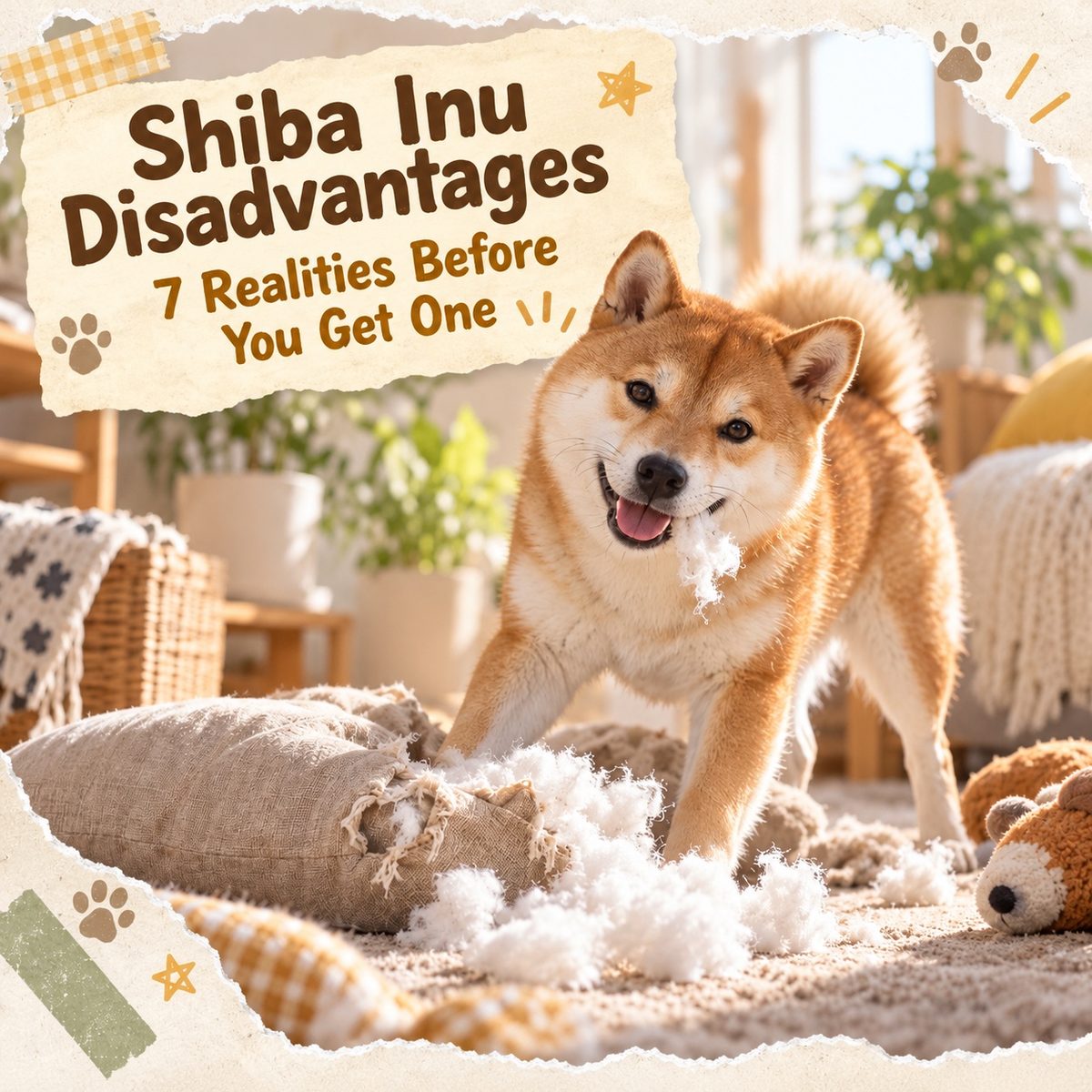
Quick answer: Nine out of ten complaints about 'regretting getting a Shiba Inu' centre on six things: shedding like an avalanche, stubbornness and poor recall, the Shiba scream disturbing neighbours, skin sensitivities, genetic risk of patellar luxation, and destructive boredom. None of these six is incurable, but each must be accepted before you get the dog—owners who know the challenges and take them on have the lowest regret rate of any breed.
Want to know the breed inside out? Start with the Shiba Inu breed profile and the Complete Shiba Inu Guide.
Three self-check questions before getting one
Before reading the list, ask yourself three questions: Can you accept that there will always be fur on the sofa, and that you'll be collecting fur balls while complaining? Do you have a fixed hour every day for training and walks, and even on rainy days you'll find indoor ways to burn energy? Have you set aside a medical reserve for skin and joint issues? If you answer 'yes' to all three, the downsides below are just a management checklist; if you're unsure about any, face it honestly—the Shiba won't change, only your expectations can.
Downside 1: Shedding during coat-blowing season beyond a beginner's imagination
Shiba Inus have a double coat: a straight, harsh outer coat and a dense, soft undercoat. They have two to three major coat blows per year, and the undercoat comes off in sheets—one brushing session can yield enough fur to mould a life-sized fur Shiba. Coping: brush two to three times a week, and switch to a undercoat rake daily during coat-blowing season; upgrade vacuuming from 'weekly' to 'a quick pass daily'; dark furniture and black clothes are visual enemies during shedding season. This can't be cured, only managed—those who hope for the best usually end up regretting it.
Downside 2: Smart, but obedience comes with a filter
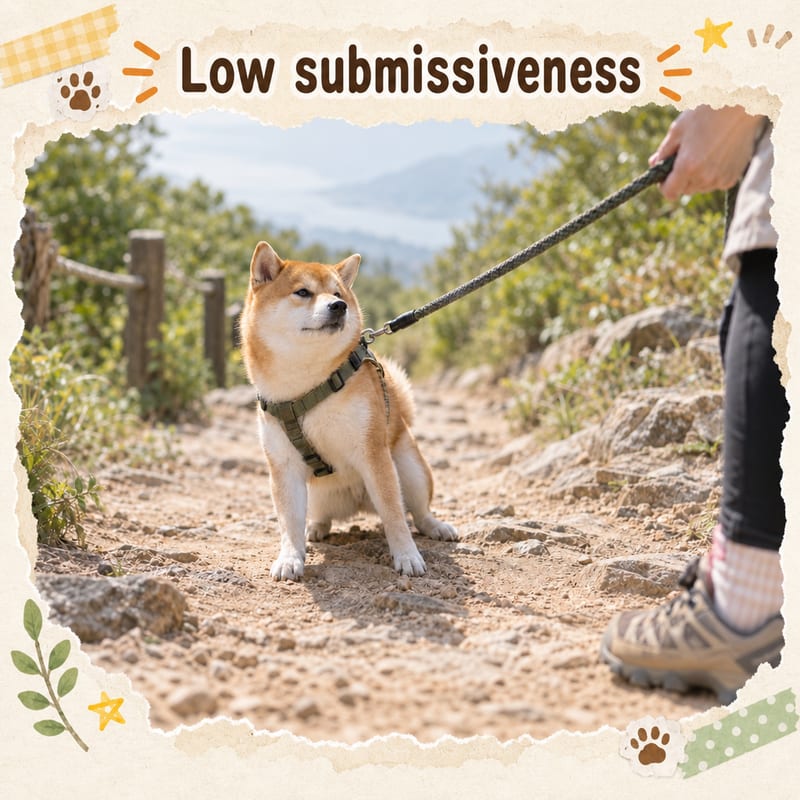
The idea that 'Shiba Inus rank low in intelligence' is a misunderstanding; the real issue is whether they choose to do what they've learned. Calling their name three times with no response, or releasing themselves from a sit after three minutes—these are everyday Shiba things. Coping: use high-value treats as salary, keep training sessions short and frequent, and practise 'recall' as a life-saving skill from a young age; accept the setting that 'they understand, but whether they comply is up to them' and your blood pressure will be much calmer. Both are 'smart': a Golden Retriever uses it to cooperate with you, a Shiba uses it to evaluate you—the Shiba journey begins with admitting 'they have veto power'.
Downside 3: The Shiba scream—both affection and protest are decibel-level
When emotions run high, Shiba Inus emit a high-pitched 'shiba scream', which is extremely penetrating behind the thin walls of a tenement building. Coping: desensitise them to doorbell and lift sounds from a young age; when they scream in protest, ignore it and reward only quiet behaviour; if they scream persistently for no reason, rule out pain and separation anxiety, and see a veterinarian if necessary.
Downside 4: Hunting instinct—off-leash is a gamble
Originally a mountain hunting dog, birds, squirrels and hamsters automatically get a 'chase' label in a Shiba's eyes. Low recall plus hunting instinct equals a high-risk combination for getting lost outdoors. Coping: always keep on leash outside enclosed areas; keep microchip details up to date; households with small pets should separate activity areas.
Downside 5: Skin sensitivities are a hot veterinary topic for Shiba Inus
Shiba Inus are generally considered a breed more prone to skin sensitivities; eczema, fungal infections and allergic dermatitis are more active in humid Hong Kong. Persistent itching, licking and chewing, or hair loss all need early intervention. Coping: dry thoroughly after baths, use a dehumidifier on humid days, switch diets gradually, and see a veterinarian if symptoms persist—don't use human medication on your own.
Downside 6: Know the genetic and orthopaedic checklist
Shiba Inus need attention for breed health concerns such as patellar luxation, hereditary eye diseases (e.g. progressive retinal atrophy) and autoimmune skin diseases; both The Kennel Club (UK) and the American Kennel Club (AKC) breed health information recommend checking parents' screening records before buying a puppy. Coping: buy from a source with screening certificates; annual health checks including eye exams; keeping weight in check is the cheapest joint insurance.
Downsides 7 & 8: The 'high-intelligence aftereffect' of destructive boredom and slow-to-warm sociability
If a Shiba doesn't get enough daily exercise or mental games, it will find its own entertainment—bins, slippers and tissues are all props. They are reserved with strangers, and without early socialisation they can easily become overly alert or even resource-guard. Coping: walks plus scent games, rotate food puzzle toys daily; don't skimp on the 3–16 week golden socialisation window, or you'll be playing catch-up later.
Downsides × coping × cost summary table
| Downside | Coping method | Cost direction |
|---|---|---|
| Extreme shedding | Brush weekly, daily during coat blow, upgrade vacuuming | Undercoat rake, vacuum consumables |
| Stubborn, poor recall | Positive training, short frequent sessions, enclosed exercise | Training classes, treats |
| Shiba scream disturbing neighbours | Sound desensitisation, ignoring, rule out pain | Basically free |
| Hunting instinct | Always on leash, microchip, separate small pets | Leash, collar |
| Skin sensitivities | Dry undercoat, dehumidify, gradual diet change | Medical reserve spread monthly |
| Patellar/eye risk | Check parents' screening, annual check-up, weight control | Annual check-up fee |
| Destructive boredom | Exercise plus mental games | Food puzzle toys one-off |
| Slow-to-warm sociability | Intensive socialisation training as a puppy | Training course |
So is a Shiba Inu worth it?
Frankly: the Shiba Inu is a breed with high upfront costs and stable long-term returns. In the first year you'll deal with shedding, training and the Shiba scream; once you get through that, their clean habits, low odour, and loyal but not clingy nature will make it clear why they're called 'cat-like dogs'. People who regret it usually didn't get the wrong Shiba—they thought they were getting a Golden Retriever. If you want a companion with personality, boundaries, and who will 'negotiate' with you, a Shiba is great; if you want a subordinate who executes commands instantly, look elsewhere. Another mindset: treat your Shiba as a new colleague rather than a new subordinate—schedule the homework (socialisation, training, grooming) in advance instead of waiting for problems to fix, and every item on the regret list can be written off with the words 'known in advance'.
Key takeaways
- ✅ Eight Shiba Inu downsides: shedding, stubbornness, Shiba scream, hunting instinct, skin sensitivities, genetic screening, destructive boredom, slow-to-warm sociability.
- ✅ Shedding is a management issue, not a treatment issue: tools, frequency and mindset—all three are essential.
- ✅ The core of training is 'cooperation', not 'obedience': positive rewards are the only way to win against a Shiba's independent mind.
- ✅ Off-leash walks are high-risk for Shiba Inus; enclosed areas are the right way.
- ✅ For skin and joint issues, moisture control, weight control and annual check-ups are the cheapest prevention.
- ✅ Accept all eight before getting one, and the regret rate drops immediately to the lowest of any breed.
Related reading
- Shiba Inu personality and intelligence analysis
- Shiba Inu lifespan and health guide
- Shiba Inu Hong Kong ownership guide
- For undercoat rakes, vacuuming essentials, food puzzle toys and skin-friendly bathing products, visit PetChill pet supplies and tick off each item against this article's downside list.
This article is generally based on breed consensus; individual dogs vary greatly. For skin, behaviour or health issues, please consult a registered veterinarian.



