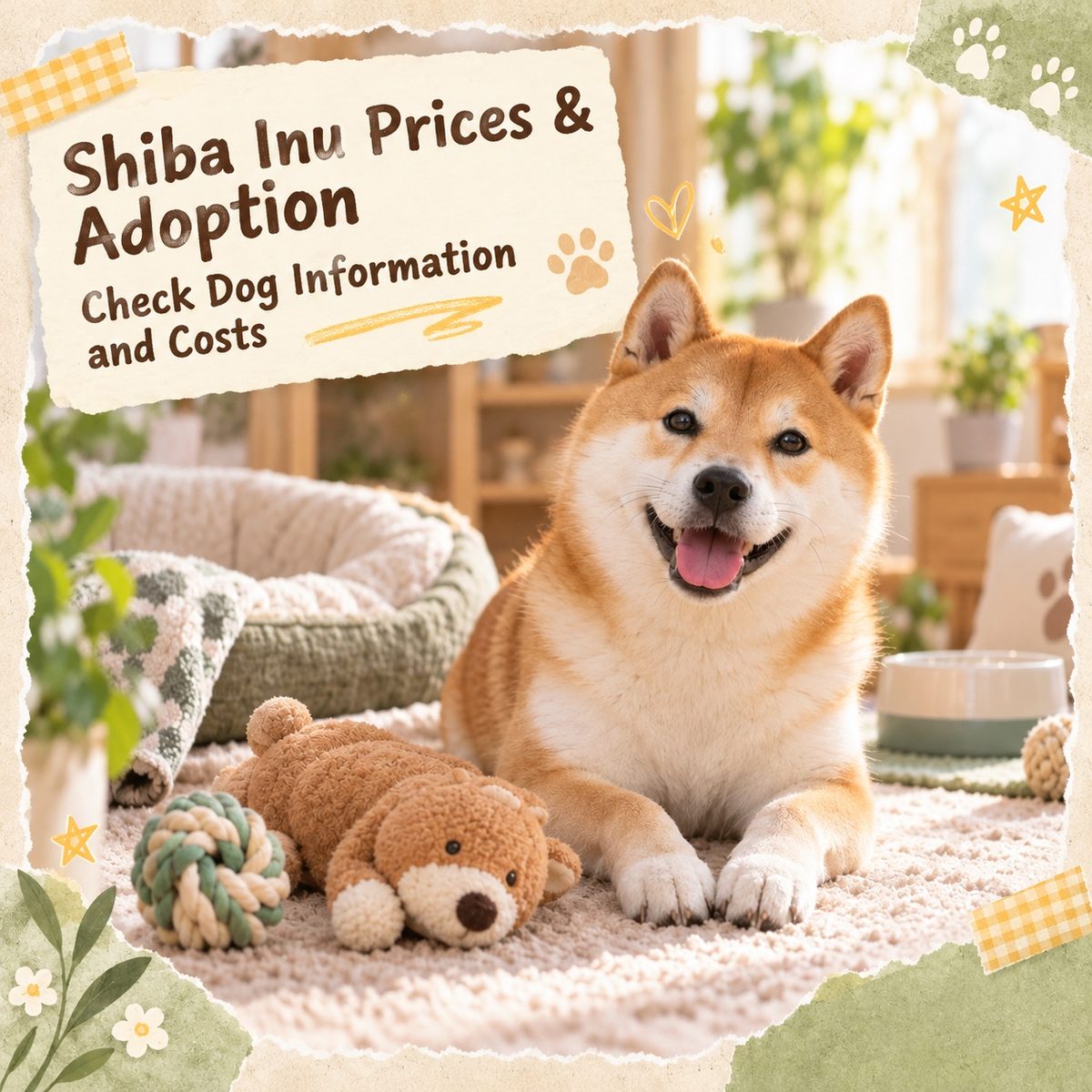
Quick answer: Shiba Inu prices in Hong Kong in 2026 are generally pet-grade around HK$18,000–38,000, pedigree-grade around HK$38,000–68,000; adoption routes do exist but require waiting, and "completely free, take it home now" is a high-risk signal. Monthly costs are budgeted at around $1,200–2,400; whether buying or adopting, verification comes first — a high price does not equal health.
Want to know all about Shiba Inus? Start with the Shiba Inu breed profile and the complete Shiba Inu guide.
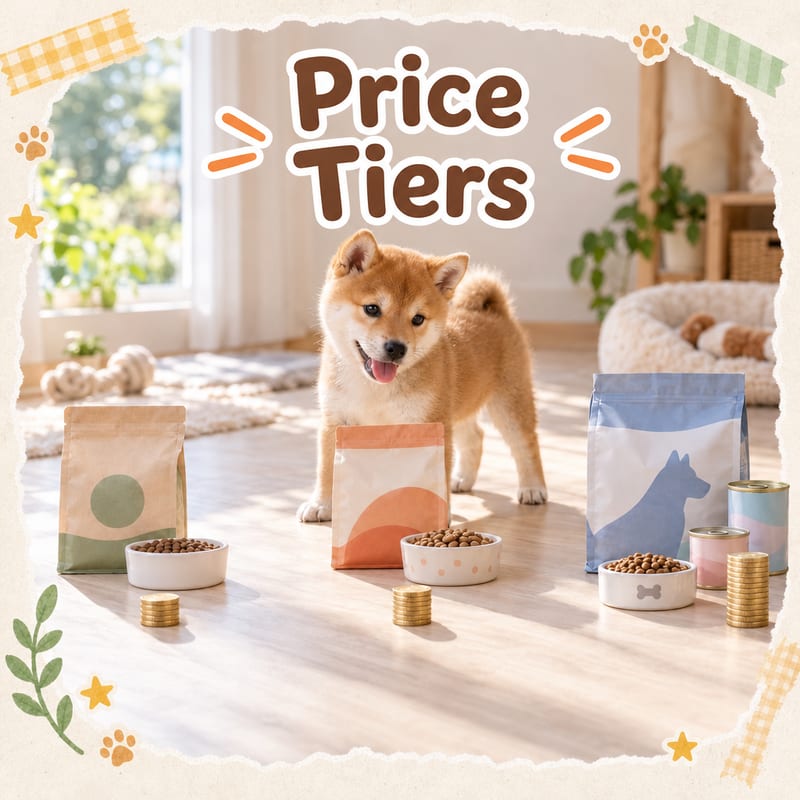
1. Shiba Inu prices in Hong Kong: how much difference between pet-grade and pedigree-grade
The Shiba Inu is a long-standing popular small-to-medium breed in Hong Kong, and prices are much firmer than for ordinary mongrels. Below are reference ranges for the general market in 2026; they reflect only broad market conditions, actual prices depend on supply and demand at the time, and do not constitute a recommendation of any particular seller:
| Grade | Reference price (HK$) | Characteristics | Suitable for |
|---|---|---|---|
| Pet-grade | $18,000–38,000 | Purebred but without show-grade pedigree documents, or with minor faults | Those who just want a Shiba Inu as a companion |
| Pedigree-grade | $38,000–68,000 | With pedigree registration, parents with show records or imported bloodlines | Those planning to show or particularly particular about pedigree |
| Adult/rehoming adoption | Based on organisation's adoption fee | Adoption or retired breeding dogs, much lower cost | Those with patience who accept "adults deserve a chance too" |
Note: a high price does not equal health. What is truly valuable is whether the breeder is willing to let you see the environment on site, show you the parents' health records, and whether the puppy has complete vaccination and microchip documents. If a shop only quotes a price and refuses verification, that price, high or low, includes unknown risks.
2. Shiba Inu adoption: where to look in Hong Kong
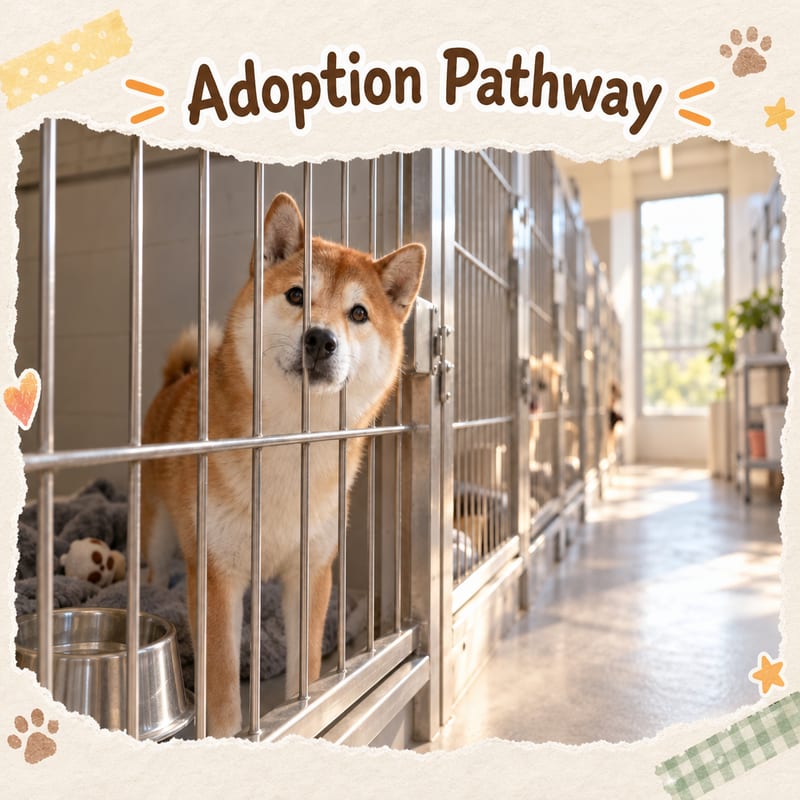
Many people keep Shiba Inus, and there are also many abandonments and rehomings, so adoption is definitely a viable route:
- Hong Kong Society for the Prevention of Cruelty to Animals (SPCA): search their current adoption list using "Shiba Inu" as a keyword; Shiba mixes appear more often than purebreds.
- New Territories animal centre: the dogs taken in are mostly local mongrels, but occasionally Japanese breed mixes appear.
- International Rescue Committee (IRC) and local Japanese breed rescue volunteer networks: focused on rescue and transfer cases of Japanese breeds (Shiba Inu, Akita, etc.), occasionally with Shiba Inus seeking homes.
Adoption fees usually already include vaccination, microchip and even neutering, cheaper than buying a dog, and organisations conduct behavioural assessments. This article does not recommend any specific seller or individual source — skip anyone who asks for a deposit without an in-person meeting or refuses to show you the environment and parents. For those searching "dog adoption" or "Shiba Inu adoption", please include waiting time in your budget: the Shiba Inu adult you like may only appear three months later, so this route suits families who can wait.
3. Do black, sesame and white Shibas cost differently?
Those searching "Shiba Inu colour price" or "black Shiba Inu price" are not mistaken: coat colour does create a price difference in Hong Kong. Generally, red is the most mainstream with the largest supply; black Shibas, due to lower production and market demand, are generally more expensive; sesame is rarer and prices fluctuate widely; white is polarised — some ask a high price for "rarity", while others consider it cheaper because it is not a mainstream show colour.
All of these are supply-and-demand premiums, not health premiums. The American Kennel Club (AKC) breed information does not list any colour as "healthier"; rather than paying tens of thousands extra for colour, put the money into vaccination, neutering and a medical reserve. To understand coat colour genetics in depth, see the related reading links at the end of this article.
4. Eight-point verification checklist before buying a Shiba Inu
- Confirm the premises is an Agriculture, Fisheries and Conservation Department (AFCD) licensed animal trader; licensed premises information can be verified with the AFCD.
- Require an on-site visit to see the dog's condition and environment; refuse transactions with "only online photos, no actual dog to see".
- Check parental health records: eye screening and patella evaluation are breed concerns for Shiba Inus; only parents that have been screened count as careful breeding.
- Verify that the pedigree certificate, microchip number and the dog itself match.
- Vaccination and deworming records fully stamped, with a written health guarantee.
- Require written transfer documents and after-sales terms (e.g. return arrangements); verbal promises are invalid.
- Observe the puppy's energy, eyes and nose, faeces and gait on the spot; if anything seems suspicious, request a veterinarian examination.
- Compare prices across the city; ask for the reason behind both unusually cheap and unusually expensive prices.
5. Estimated monthly cost of keeping a Shiba Inu
Buying a dog is a one-off cost; keeping a dog is monthly. Based on a healthy adult Shiba Inu in a single-dog Hong Kong household:
| Item | Monthly reference cost (HK$) | Notes |
|---|---|---|
| Main food and treats | $400–800 | Small-to-medium breed portion, choose by quality relative to price |
| Grooming and bathing supplies | $100–300 | Double coat; invest separately in tools for shedding season |
| Preventive healthcare, deworming amortised | $200–400 | Vaccination cycle, heartworm and parasite prevention |
| Medical reserve | $300–600 | Amortised for skin allergies, patella, eye disease screening differences |
| Boarding and training buffer | $200–500 | As needed; Shiba Inu training classes recommended from a young age |
| Total | About $1,200–2,600 | Excluding one-off supplies and emergency surgery |
Also remember the licence fee: the AFCD requires dogs over five months old to have a dog licence; rabies vaccination and microchip implantation are required before licensing, and the licence fee is in the hundreds of dollars (subject to the latest AFCD announcement).

6. Adoption vs purchase: which route to choose
In one sentence: what you are choosing is not "buy or adopt", but "is there a source willing to be verified by you". When buying, you buy the breeder's screening effort and after-sales responsibility; when adopting, you get an adult dog's temperament assessed by an organisation and save a premium. Shiba Inu puppies are indeed lethally cute at that stage, but remember you will be living with their stubbornness and shedding for twelve to fifteen years, not just the first three months of cuteness. Without homework, either route is a gamble; with homework done, both routes can bring a Shiba Inu home to a stable home.
Key takeaways
- ✅ Shiba Inu 2026 Hong Kong reference prices: pet-grade around $18,000–38,000, pedigree-grade around $38,000–68,000, depending on supply and demand.
- ✅ Adoption routes are real: SPCA, the New Territories animal centre, IRC and Japanese breed rescue occasionally have Shiba Inus, mostly adults, so be willing to wait.
- ✅ "Completely free, take it home now" is a high-risk signal; fees at legitimate sources usually already cover vaccination and microchip.
- ✅ The price differences for black, sesame and white Shibas are supply-and-demand premiums, not health premiums; do not pay extra blindly for colour.
- ✅ Eight pre-purchase checks: licence, on-site viewing, parental screening, microchip verification, vaccination records, written terms.
- ✅ Monthly costs budget from $1,200–2,400, plus licence fee and one-off supplies, to be truly prepared.
Related reading
- Shiba Inu personality and intelligence analysis
- Shiba Inu disadvantages and how to cope
- Shiba Inu colours explained
- For Shiba Inu food, grooming tools and training supplies, visit PetChill pet supplies for one-stop shopping and keep monthly costs within budget.
Prices in this article are general market references for 2026; actual prices depend on supply and demand at the time. For adoption and purchase details, please refer to the relevant organisations and AFCD announcements.