Quick answers
- When a black dog's coat turns brown, first split it into two directions: if only the tips are discoloured and the roots are still black, it is mostly UV bleaching or saliva staining; if the roots are also discoloured, skin and endocrine tests are needed.
- UV breaks down melanin in the hair. Black dogs that spend a lot of time outdoors often show reddish-brown tips on the back and top of the head after just 1 summer.
- Saliva and tears contain iron-bearing pigments (porphyrin). Licking the same spot for 2 to 4 weeks turns black hair rusty red, most commonly on the paws, knees and tail base, and usually reflects itching, pain or a skin infection.
- Improvement must match the cause: sun exposure → change walk times; saliva → treat the root cause of itching; shampoo products → wash every 2 to 4 weeks and dry thoroughly.
- Nutritionally, melanin synthesis needs tyrosine and copper. Vets usually confirm with 1 blood test first; self-supplementing copper can cause poisoning.
- If any of the 5 red flags appear (rapid expansion, redness, swelling or pus, odour, licking until the skin breaks, or a clear decline in energy and appetite), see a vet within 24 hours.
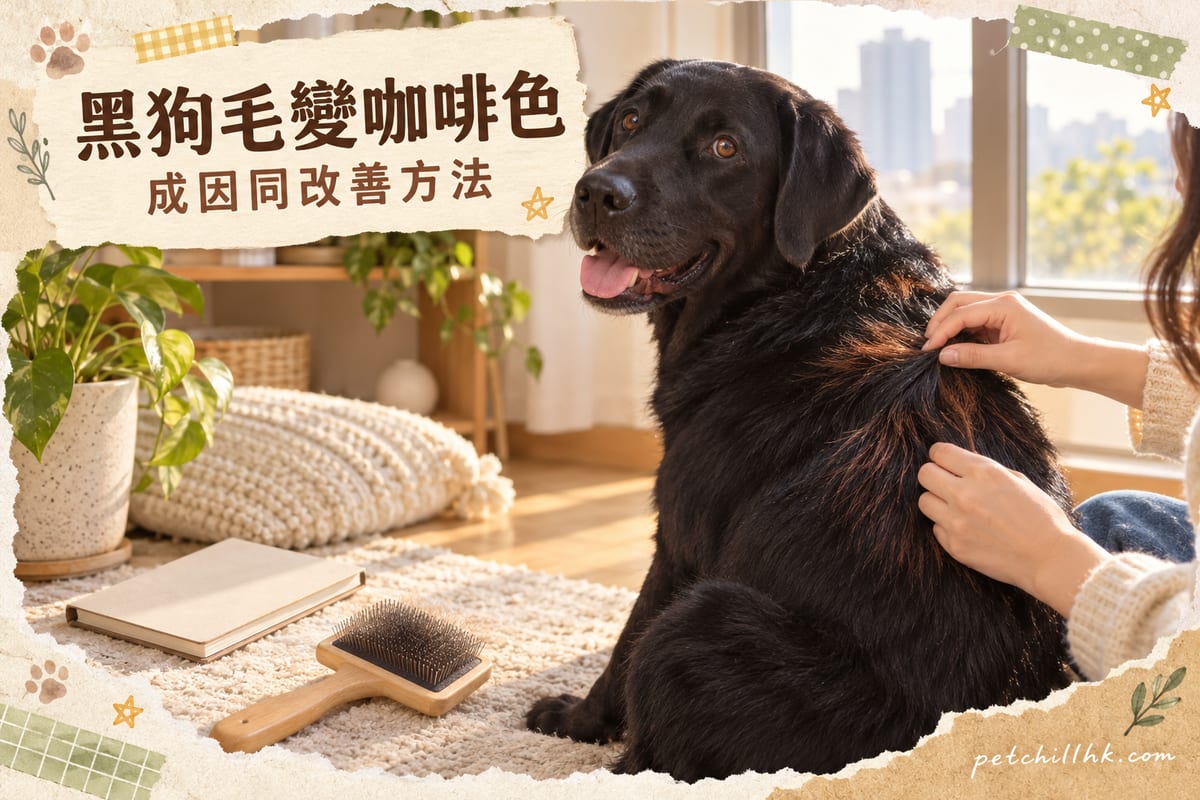
A black dog's coat turning brown is most commonly caused by UV bleaching and saliva staining. Neither necessarily means the dog is ill, but a coat colour change is often the first visible clue, and behind it there may be itching, a skin infection or a follicle metabolism problem. The way to judge is really one question: is the discolouration only at the tips, or does it go down to the roots? This article first explains the physiology of coat colour, then breaks down 6 common causes, teaches you to use 'roots and tips' to separate external from internal factors, and then provides a 5-step improvement plan, a grooming frequency table, product references and 5 vet red flags, with further reading at the end.
Why does black hair turn brown? Start with the physiology of coat colour
Black hair colour comes from melanin (eumelanin), produced by melanocytes at the base of the hair follicle and then transferred into the hair shaft. The whole process needs three conditions: enough raw material (tyrosine), normal enzymes (with copper as a cofactor), and a healthy hair follicle cycle. Once melanin decreases, is broken down, or simply fails to be transferred into the hair shaft, the coat turns from black to brown, to red, or even grey and faded.
This mechanism explains one key point: coat colour change is a result, not the disease itself. The same 'turning brown' can be caused by external factors such as sunlight or saliva, or by nutrition, hormones or the follicles themselves. The direction is different, and the approach is completely opposite, so the first step is not to buy shampoo but to observe.
The 6 most common causes are listed below, from the most common external factors to internal factors that need veterinary involvement:
- UV bleaching: UV in sunlight breaks down melanin in the hair. Black hair absorbs the most light, so discolouration is most obvious.
- Saliva and tear staining: Saliva and tears contain iron-bearing pigments (porphyrin). Long-term wetting of the same tuft of hair stains it rusty red or brown.
- Shampoo products and pool water: Over-washing, overly alkaline cleaning products, pool chlorine and sea salt all open the hair cuticle and make the coat dull and reddish.
- Nutrition and trace element metabolism: Long-term protein deficiency, or abnormal copper or zinc metabolism, can affect melanin synthesis and follicle keratinisation.
- Endocrine problems: Conditions such as hypothyroidism make the coat dry, brittle and faded, usually with symmetrical hair loss.
- Follicle disorders: Including black hair follicular dysplasia (BHFD) as documented in veterinary literature, and follicular dysplasia in Nordic breeds; black-haired areas lose their shine and take on a reddish-brown tone.
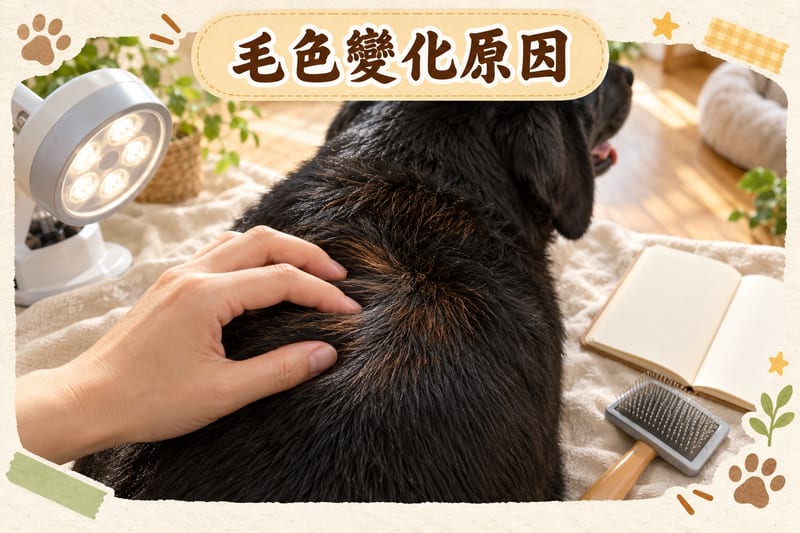
The key test: are the roots still black, or is the colour all the way down?
This is the most practical action in the whole article: part the dog's coat and look carefully at the colour distribution of each tuft from root to tip. Only the tips discoloured usually means the problem happened after the hair grew out, i.e. an external factor; discolouration all the way to the roots, or a coat that is brittle or thin, means the problem lies in the follicles and inside the body, and a vet examination is needed.
| Observation | Only tips discoloured (roots still black) | Colour all the way to the roots |
|---|---|---|
| Most likely cause | UV bleaching, saliva staining, shampoo products, pool water | Nutritional metabolism, endocrine, follicle disorders |
| Extent of discolouration | Light-exposed areas (back, top of head) or lickable areas (paws, knees, tail base) | Symmetrical on both sides or spreading along the spine, unrelated to sunlight |
| Coat texture | Roughly normal, possibly slightly dry and dull | Dry, brittle, easily broken, or as fine as down |
| Skin condition | Usually normal; severely licked areas may be red and thickened | Dandruff, hyperpigmentation and hair loss are common |
| Accompanying signs | No obvious discomfort, or itching (mostly related to allergies or parasites) | Weight change, cold intolerance, low energy, symmetrical hair loss |
| Priority | Remove external factors, observe for 2 to 4 weeks | See a vet as soon as possible for blood tests and skin examination |
There are three details to note when examining. First, look in natural light; indoor yellow light will distort your judgement. Second, record with phone photos, from the same angle and in the same light, once a week. Third, also record how often and where the dog licks or bites; saliva staining usually reflects itching, pain or joint discomfort.
If after two weeks the colour has not worsened, the dog is not licking or biting, and the skin is normal, it is mostly an external factor and you can continue grooming. Conversely, if the colour goes down to the roots or any of the red flags below appear, you should not wait any longer.
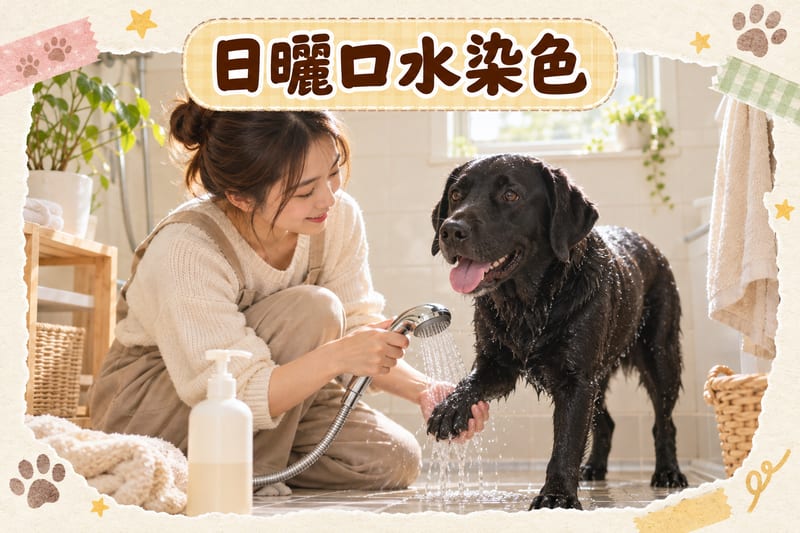
External factors: how sun, saliva and shampoo products turn black hair brown
UV bleaching is the most common one. Black hair absorbs most light, and UV breaks down melanin in the hair shaft, so black dogs that spend long periods outdoors most easily turn reddish-brown or brown on the back, top of the head and tail tip. The change is gradual: most obvious in seasons with more outdoor activity, slowly recovering in winter, but recovery slows with age.
The response is direct: change walk times (avoid the high-UV period from 11am to 3pm), walk routes with shade, and for long-haired breeds consider pet-specific sun-protective clothing or a sun hat. If the colour has already changed, you can only wait for new hair to grow or trim the affected tips.
Saliva and tear staining cannot be treated as merely cosmetic. Saliva and tears contain iron-bearing pigments; long-term wetting of the same tuft turns black hair rusty red or brown, and the longer it goes on, the darker it gets. Common sites are between the toes and on the paws, front knees, tail base and outer thighs—places the dog can lick. Veterinary dermatology textbooks also note that brown hair around a lesion is itself a typical indicator of 'chronic licking and biting' in dogs.
Note: saliva staining is only the surface result; what really needs addressing is why the dog licks. Common sources include itching from fleas or mites, environmental or food allergies, interdigital cysts, grass seeds or foreign bodies, joint pain (especially common in older dogs), and even anxiety and boredom. At this point you can refer to Dog Atopic Dermatitis: A Complete Guide to understand how to investigate itching; if the dog licks a fixed spot and the skin gets thicker, do not just apply ointment—have a vet examine it.
Shampoo products, chlorine and sea water also have an effect. Washing too often, or using overly alkaline or bleach-containing cleaning products, strips sebum and roughens the hair cuticle, so the coat naturally becomes dull and reddish. After swimming (especially in pool chlorine or sea water), if you do not rinse with clean water immediately, salt and chlorine leave deposits on the hair and also deepen the discolouration. Recommended practice: wash every 2 to 4 weeks, use a mild dog shampoo, keep water temperature close to body temperature, dry immediately after washing, and on swimming days rinse off salt and chlorine with clean water.
Internal factors: nutritional metabolism, endocrine and follicle disorders
If the roots are also discoloured, or there is no improvement after two weeks of grooming, consider internal causes. These cannot be solved by shampoo and changing food; a vet examination is essential.
| Internal factor | Typical coat colour change | Common accompanying signs | Approach |
|---|---|---|---|
| Protein or trace element metabolism abnormality | Black coat fades, turns brown, dry and dull | Rough coat, follicle keratinisation, slow wound healing | Vet assesses diet and blood tests, then decides whether supplementation is needed |
| Copper-related metabolism problem | Black hair fades (melanin synthesis blocked) | Activity, weight or neurological signs may appear at the same time | Do not supplement copper yourself; must follow vet instructions after blood tests |
| Hypothyroidism | Coat fades, turns grey, loses shine | Symmetrical hair loss on both sides, weight gain, cold intolerance, low energy | Blood test; vet decides whether medication is needed |
| Black hair follicular dysplasia (BHFD) | Black-haired areas lose shine, turn reddish-brown, then break | Sparse coat, dandruff; white or fawn areas unaffected | Vet diagnoses with skin examination and hair microscopy |
| Nordic breed follicular dysplasia / hair cycle arrest | Undercoat turns red, outer guard hairs fall out | Neck, tail and hindquarters affected first; skin may darken | A condition requiring long-term management, assessed by a vet |
Two points need to be clear. First, these diagnoses cannot be concluded by eye: the same symmetrical hair loss could be thyroid or another hormonal problem. Second, do not buy supplements yourself. The requirement and toxic levels of zinc, copper and vitamins are not far apart, and copper excess especially accumulates in the liver. The correct order is always: vet examination → blood test or skin examination → follow instructions → regular follow-up.
Also, coat colour change may be related to ageing: as dogs get older, melanocyte function naturally declines, and grey-white around the face and muzzle first is normal; but large-area colour change in a short time, or accompanied by changes in weight, energy or appetite, needs examination.
Five-step improvement plan: from recording to seeing a vet
Don't want to try things blindly? Follow these five steps, and you will know the direction in two to four weeks. It works for dark brown coats and black-and-white dogs too.
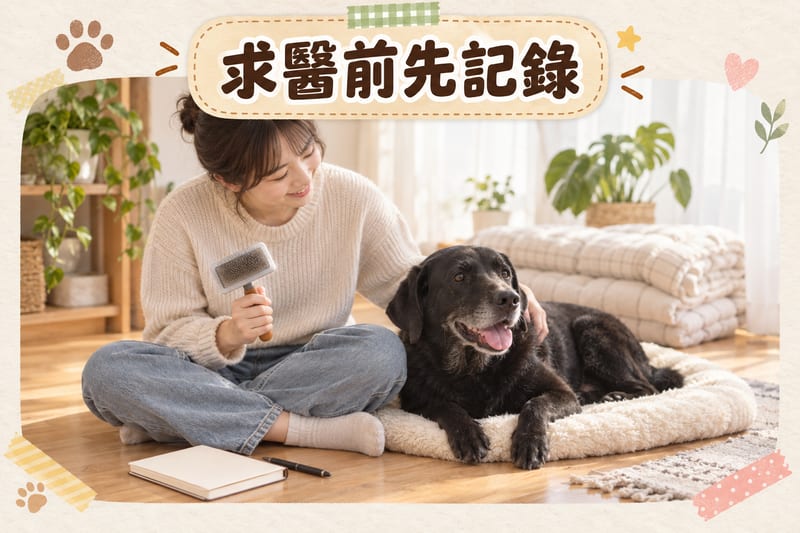
Step 1: Record for two weeks. Take photos (natural light, same angle), mark the discoloured areas, record the root colour, daily licking/biting frequency and skin condition. This record is more valuable to a vet than any online remedy.
Step 2: Remove external factors. Change walk times, choose shaded routes, rinse after swimming on the same day, check whether shampoo products are mild, dry thoroughly after washing, and wash bedding and towels regularly.
Step 3: Address itching and skin problems. Check for fleas, mites, fungi and bacterial infections; allergies require exclusion testing by a vet. Once itching is controlled, saliva staining will gradually fade as new hair grows.
Step 4: Build a good foundation with diet. Use a complete food that meets standards, ensuring enough protein, essential fatty acids and trace elements. Before adding supplements (e.g. fish oil), ask your vet and bring the current food bag or ingredient list.
Step 5: Groom and wait for new hair. Hair that has already changed colour will not turn black again; you can only trim the tips or wait for a shed. In the meantime, brush, wash appropriately and protect from the sun so new hair grows healthily.
| Grooming task | Recommended frequency | Main purpose |
|---|---|---|
| Brushing | 2 to 3 times a week for short coats, daily for long coats | Remove dead hair, check skin and root colour |
| Washing | Every 2 to 4 weeks (as advised by vet) | Remove dirt and allergens; avoid over-stripping sebum |
| Rinsing | Same day after swimming or rain | Wash off chlorine, salt and sand |
| Check ears, paws, tail base | Once a week | Early detection of itching, odour and infection |
| Environmental cleaning | Wash bedding weekly, clean floors daily | Reduce dust mites, fungi and allergens |
For grooming products, you can refer to these options available in our shop:
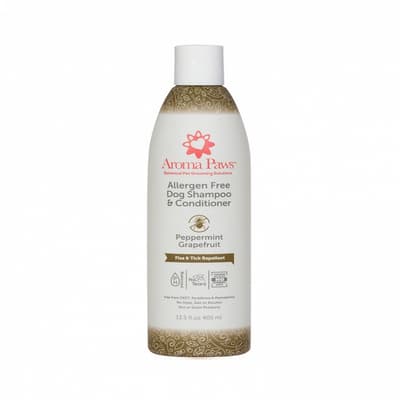
- Aroma Paws Flea & Tick Repellent Sensitive Shampoo 13.5oz (Dog) (AP304) — HK$138 (available for pre-order)
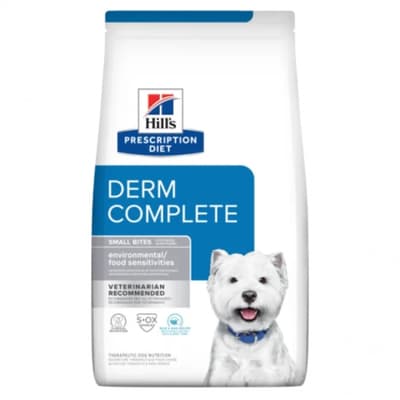
- Hills Prescription Diet Dog Food Derm Complete Skin & Food Sensitivities Formula Original Kibble 14.3lbs (605723) — HK$994 (available for pre-order)
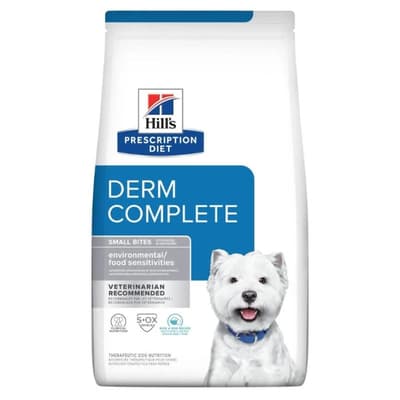
- Hills Prescription Diet Dog Food Derm Complete Skin & Food Sensitivities Formula Small Kibble 6.5lbs (605804) — HK$564 (available for pre-order)
Prices and stock are subject to the online shop's current listed price. Special reminder: prescription diets are veterinary prescription items and should not be fed long-term on your own; consult your vet before use and complete the course and follow-ups as instructed.
When to see a vet immediately: 5 red flags
Coat colour change itself is not urgent, but if any of the following appears, you should stop observing:
- The discoloured area expands rapidly within 24 hours, or the skin turns red and swollen within a day or two.
- The skin has pus, oozes or ulcerates, feels hot, and surrounding hair falls out in tufts.
- There is a strong odour that returns within a few hours of a bath.
- The dog constantly licks or bites the same spot until the skin breaks, or its gait changes or it will not let you touch it.
- Energy and appetite clearly decline, or there is weight gain, cold intolerance, symmetrical hair loss on both sides or other endocrine signs at the same time.
Also, if the coat colour change persists for more than 1 month without improvement, or grooming is correct but the condition worsens, book a vet for a full skin examination. The earlier a skin problem is pinpointed, the shorter the course is usually, and permanent follicle damage can be avoided.
Frequently asked questions
How can I improve my black dog's brown coat? First decide whether the cause is external or internal: if only the tips are discoloured and the roots are still black, it is mostly UV bleaching or saliva staining, which you can improve by changing walk times, treating the root cause of itching and using a mild dog shampoo; if the roots are also discoloured, the coat is brittle, or there is hair loss and dandruff, a veterinarian should examine the skin, follicles and endocrine system. Do not use bleach or products marketed as 'black-enhancing' on your own.
My black dog's coat tips are brown but the roots are still black—do I still need to see a vet? Not necessarily straight away, but observe for 2 to 4 weeks. If the dog keeps licking or scratching the same spot, the skin smells, or dandruff or localised hair loss appears, see a vet even if the roots are still black, because saliva staining usually reflects itching, pain or a skin infection, and shampoo alone will not remove the source.
Could a lack of nutrients, such as copper or zinc, be turning my black dog's coat brown? It is possible but uncommon. Melanin synthesis needs tyrosine, and copper is a cofactor for the relevant enzymes; long-term severe deficiency can affect coat colour and skin. However, most dogs on complete food already get enough, and self-supplementing copper can cause poisoning, so a vet must confirm with a blood test before deciding whether and how much to supplement.
Would washing my black dog more, or using whitening or black-enhancing shampoo, help? The effect is limited and may even backfire. Hair that has already changed colour is dead keratin tissue; the colour cannot be washed out, and you can only wait for new hair to grow or trim the tips. Over-washing strips sebum and weakens the skin barrier, making itching and infection more likely. Aim to wash every 2 to 4 weeks with a mild dog shampoo, then dry thoroughly.
When should I take my black dog to the vet immediately? Do not wait if you see 5 red flags: the discoloured area expands rapidly within 24 hours, the skin is red, swollen or has pus, there is a strong odour, the dog licks or bites until the skin breaks, or its energy and appetite clearly decline. Also, if the coat change comes with symmetrical hair loss on both sides, weight gain or cold intolerance, it may be endocrine-related and needs prompt examination.
Further reading
- Cat and Dog Skin Health: The Complete Guide | Itching, Hair Loss, Rashes and Fungal Infections in One Place (2026)
- Dog Atopic Dermatitis: A Complete Guide | The Culprit Behind Itching + Managing Hong Kong's Humid Weather: What to Do When They Scratch All the Time
- Is There a Link Between Cat Coat Colour and Personality? Unpacking Coat Colour Genes and Temperament Legends
- Cat Coat Care | Hong Kong Cat Owners' Must-Read Guide to Shine, Shedding and Hairballs
In an emergency, contact a vet immediately; this article is for reference only and cannot replace veterinary diagnosis.
Information checked as of 2026-10-12 · Source: PetChill editorial team
 Fuji One full guide →