Quick answer: Chronic disease in cats usually doesn't appear suddenly; it first speaks through 'numbers': increased water intake, larger urine clumps, slowly declining weight. The most practical approach for Hong Kong cat owners is to start a 4-week record from today: note the water level and number of urine clumps daily, and weigh weekly on the same day. From age 7, have blood and urine tests annually; from age 8, every 6 months. If any item is abnormal for two consecutive weeks, bring the record to see the veterinarian.
Why 'waiting for symptoms to appear' is the most expensive approach
Chronic diseases in cats (kidney disease, diabetes, hyperthyroidism, stomatitis, arthritis, heart disease) all develop slowly. When a cat starts to visibly lose weight, refuse food, or become lethargic, it has usually been through a period of illness, and treatment options are much fewer.
So the veterinary approach is: use home data + regular blood tests to catch early changes.
The book Cat Home Medical Encyclopedia also mentions that observing water bowl levels and litter urine volume is a practical way to determine if a cat has abnormal excessive drinking and urination; cats are not naturally big drinkers, and a sudden increase in water intake may indicate renal insufficiency, diabetes, or endocrine problems, warranting a vet visit before symptoms become obvious.
7 signals you can see every day
| # | Observation item | Normal reference | Changes to watch for |
|---|---|---|---|
| 1 | Water intake | Relatively stable | Sudden increase, or water bowl empties quickly |
| 2 | Urine clumps | Generally 2 to 3 per day | Clumps become larger or more numerous, or noticeably fewer |
| 3 | Weight | Roughly stable after adulthood | Drop of more than 5% in a month |
| 4 | Appetite | Fixed rhythm | Decreased food intake, or ravenous eating but losing weight |
| 5 | Coat | Glossy, self-grooming | Matted fur on the back, greasy, stops grooming |
| 6 | Breath | No obvious odour | Noticeable bad breath, drooling, flinching when eating |
| 7 | Activity level | Jumps and plays as usual | Doesn't jump high, pants after brief play |
If two or more of these appear together and persist for more than two weeks, it should not be dismissed as 'weather' or 'normal aging'.
4-week home record sheet (just copy to your phone notes)
| Record item | Frequency | Recording method |
|---|---|---|
| Weight | Same day, same time weekly | Weigh cat while holding, subtract your weight, or use a baby scale |
| Water intake | Daily | Check water bowl or fountain markings at a fixed time |
| Number of urine clumps | Daily | Count after cleaning the litter box, also note size and colour |
| Food intake | Daily | Note 'how much left uneaten' |
| Energy/behaviour | Daily | Whether jumping high, grooming, interacting as usual |
| Respiratory rate | Twice weekly | Count for 30 seconds while deeply asleep, multiply by 2 |
After 4 weeks you'll have a baseline, and any future changes won't rely on feeling.
When to start blood tests? What to test?
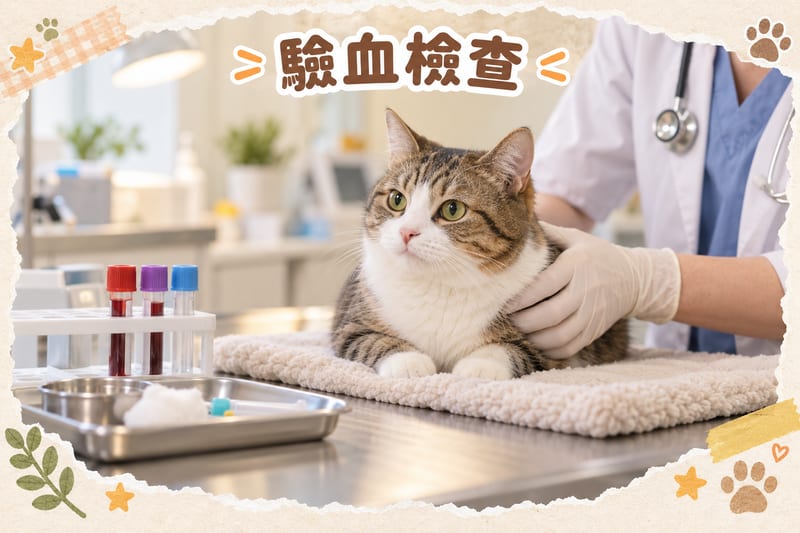
General recommendation: annually from age 7; every 6 months for over 8 or with a history of disease.
Blood tests usually include:
- Kidney function: Creatinine (CRSC), BUN. The book records normal BUN reference values for cats at about 15 to 29; an increase indicates kidney dysfunction; creatinine reflects the actual condition of kidney functional units.
- SDMA: An earlier kidney function indicator, helpful for detecting changes sooner.
- Blood glucose: The book records that blood glucose above 250 may indicate diabetes risk, usually confirmed with fructosamine or urine tests.
- Thyroid T4: Hyperthyroidism is common in senior cats, causing them to eat more but lose weight.
- Pancreas: Elevated LIPASE may indicate pancreatic damage; add fPLI if necessary.
- Electrolytes and red blood cells: Assess overall condition and degree of dehydration.
Blood tests don't necessarily require prolonged fasting, but most clinics require fasting for 6 to 8 hours; confirm before going.

After discovering abnormalities: which article to go to
- Drinking and urinating more, weight loss → Cat Chronic Kidney Disease Care Guide
- Eating more but losing weight, restlessness → Cat Hyperthyroidism Complete Guide
- Ravenous eating and drinking, high blood sugar → Cat Diabetes Complete Guide
- Bad breath, drooling, flinching when eating → Cat Stomatitis Complete Guide
- Not jumping high, hesitant to jump down → Cat Arthritis Guide
- Increased respiratory rate during deep sleep → Cat Heart Disease Guide
Things you can do easily in daily life
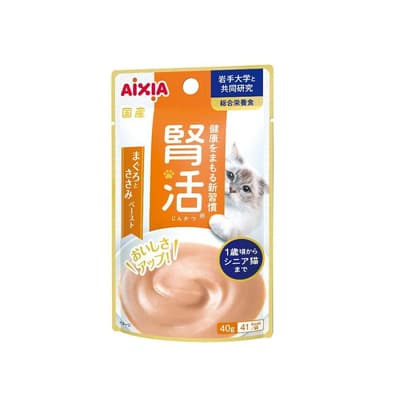
- Hydration: Cats on dry food are most prone to insufficient water intake; add soup cans or wet food. Examples available in Hong Kong: Capylicious Hydration Soup Can Tuna 140g (reference price HK$14), PetLine Medyfas Kidney & Urinary Support Bonito Flying Fish 6g×8 (reference price HK$16), AIXIA Kidney Active Complete Wet Food Pouch 40g (reference price HK$8.5).
- Weight: Don't rely on feel; always weigh.
- Environment: More than one water station, away from litter box and food bowl.
- Record: Take photos of litter clumps and coat condition, show them directly to the vet at follow-up.
Observation focus at different age groups
| Age | Main risks | Key observations |
|---|---|---|
| 1 to 6 years | Urinary, oral, weight | Urination habits, breath, weight stability |
| 7 to 10 years | Kidney disease, thyroid, dental | Water intake, weight, appetite |
| 11 years and above | Multiple chronic diseases, joints, heart | Willingness to jump, deep sleep breathing, muscle mass |
A cat's '7 years' is roughly equivalent to human middle age, when metabolism and organ function begin to change. Starting annual blood tests at this age is most cost-effective: the cost of one blood test is far less than later treatment.
A demonstration of a recording routine
Here is a practical daily routine that takes less than 3 minutes in total:
- Before leaving in the morning: Check the water bowl markings, write in phone notes (e.g., Bowl C 400ml).
- After work: Before cleaning the litter box, count urine clumps, note the number and approximate size.
- Dinner time: Record food intake (how much left uneaten), any vomiting.
- Before bed: Observe whether grooming, whether jumping to usual spots.
- Once a week: Weigh on the same day, same time, record in the sheet.
Do this for 4 consecutive weeks and you'll have a baseline. Then bring it to the follow-up; the vet can directly see the trend, without relying on your 'impression that it seems thinner'.
The 3 most easily missed signals
One: Urine clump size, not number. Many owners only count clumps, but cats with early chronic kidney disease may have larger clumps (increased urine volume) without a change in number. It's advisable to also note size: if clumps go from 'tennis ball' to 'fist', even if the number is the same, pay attention.
Two: Coat texture. Cats that feel unwell will groom less, first reflected on the back and tail base. If touching goes from 'smooth' to 'rough, flaky', it's not necessarily a skin disease; it could be caused by chronic disease or pain.
Three: Normal appetite but weight loss. This combination is typical of hyperthyroidism and diabetes. The cat is willing to eat, even ravenously, but weight continues to drop; it's not 'eating well', but the body not utilising nutrients.
These three items can only be seen through daily records, so 'writing it down' is more important than 'going by feel'.
Common questions
Q: My cat is 10 years old and still energetic; does it need blood tests? A: Yes. Early chronic kidney disease and hyperthyroidism can be completely asymptomatic; good energy doesn't mean normal values. Annual blood tests are the most effective way to catch early changes.
Q: If there are red flags on the blood test report, does it definitely mean illness? A: Not necessarily. Dehydration, stress, and timing of food intake can all affect readings. Veterinarians will combine urine tests, weight trends, and physical examination to judge; you shouldn't draw conclusions from a single number.
Q: Should I bring my home records to the veterinarian? A: Strongly recommended. Trend data (e.g., 3% weight loss within 4 weeks) is more useful than a single day's number and can help the veterinarian decide whether to increase monitoring or adjust treatment.
Key summary
- ✅ Chronic disease speaks through numbers first, not symptoms first
- ✅ Recording water level and urine clumps daily, weighing weekly, are the two most useful things
- ✅ Annual blood and urine tests from age 7; every 6 months from age 8
- ✅ Key blood test items: kidney indices, SDMA, blood glucose, T4, pancreatic indicators
- ✅ Two or more signals persisting for two weeks = book a vet appointment
- ❌ Don't judge health by 'it's still eating'
- ❌ Don't interpret a single report number yourself
The above is general information and does not replace veterinary diagnosis; if your cat has persistent symptoms, please take it to a veterinary clinic as soon as possible.
Further reading: Cat Health Overview, Cat Chronic Kidney Disease Care Guide, Diet Management for Cats with Chronic Disease, Checklist for Bringing Cats to Follow-up, Quick Reference for Cat Symptoms
 AIXIA full guide →
 Fuji One full guide →