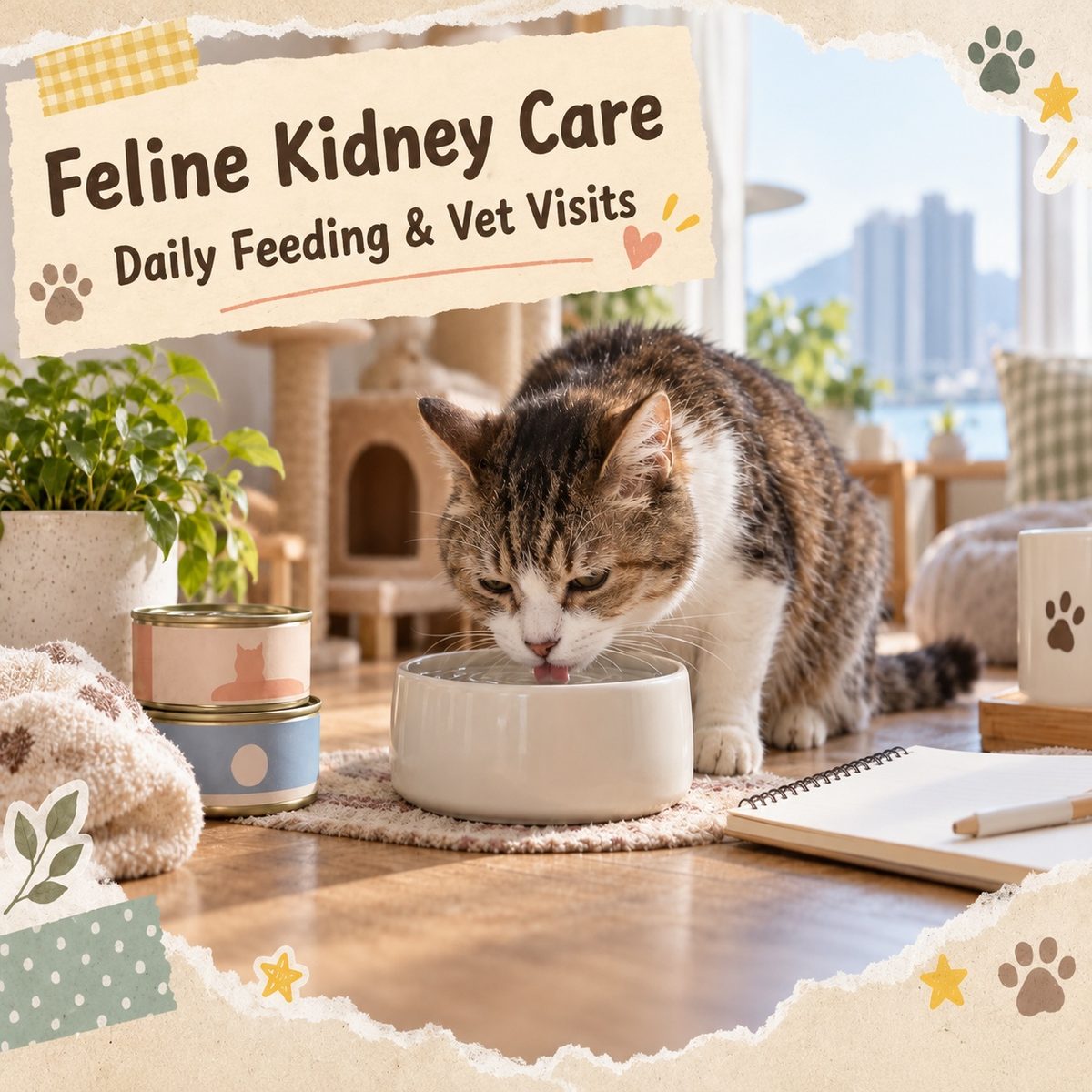
Quick answer: Feline chronic kidney disease (CKD) is irreversible, but good care can help manage progression and maintain appetite and weight. The three most practical things Hong Kong cat owners should do: ① Switch to a low-phosphorus diet and increase water intake; ② Weigh your cat on the same day each week and count urine clumps daily; ③ Once stable, blood and urine tests every 3 to 6 months. If your cat refuses food, vomits, or is extremely lethargic, don't wait for an appointment—see a veterinarian immediately.
What's the difference between chronic kidney disease and acute kidney failure?
Acute kidney failure is a rapid decline in kidney function over a short period, usually with an obvious trigger (eating lilies, grapes, dehydration, post-anesthesia complications, etc.), and there is a chance of recovery. Chronic kidney disease is the gradual fibrosis of kidney tissue over months and years; it is irreversible, but treatment and diet can slow the rate.
The book Cat Family Medicine Encyclopedia mentions that cats are not naturally big water drinkers; if the water bowl level and litter urine volume increase noticeably compared to usual, you should consider kidney insufficiency, diabetes, pyometra, or other endocrine problems—not just "hot weather."
Also watch for polycystic kidney disease (PKD). The book records that cats with PKD may show symptoms of chronic kidney failure before 4 years of age; cysts compress the kidney and cause damage, usually bilaterally. Currently, there is no treatment that eliminates the cysts; early detection relies on ultrasound and genetic blood tests. If you own a Persian or related breed, ask the breeder clearly whether PKD screening was done.
After diagnosis, how to set the follow-up rhythm
Diagnosis is only the beginning; the key is a "fixed rhythm." Here is a practical arrangement for Hong Kong:
| Stage | Blood and urine test frequency | What to check each time |
|---|---|---|
| Early stable | Every 3 to 6 months | Creatinine, BUN, phosphorus, urine specific gravity |
| Mid-stage | Every 2 to 3 months | Above indices + blood pressure, weight trend |
| Significant changes/complications | Monthly or as directed by veterinarian | Electrolytes, potassium, red blood cell indices, appetite |
The book records that normal feline BUN reference values are approximately 15 to 29, and creatinine (CRSC) reflects the actual condition of kidney function units. Indices can be affected by dehydration, so veterinarians usually also test urine specific gravity to determine whether it's true kidney disease or just lack of water.
Clinic fees vary widely; blood and urine tests generally range from several hundred to over a thousand Hong Kong dollars, with ultrasound charged separately. At the first follow-up, ask clearly "what tests are being done this time, and when should I come back," then follow the schedule.
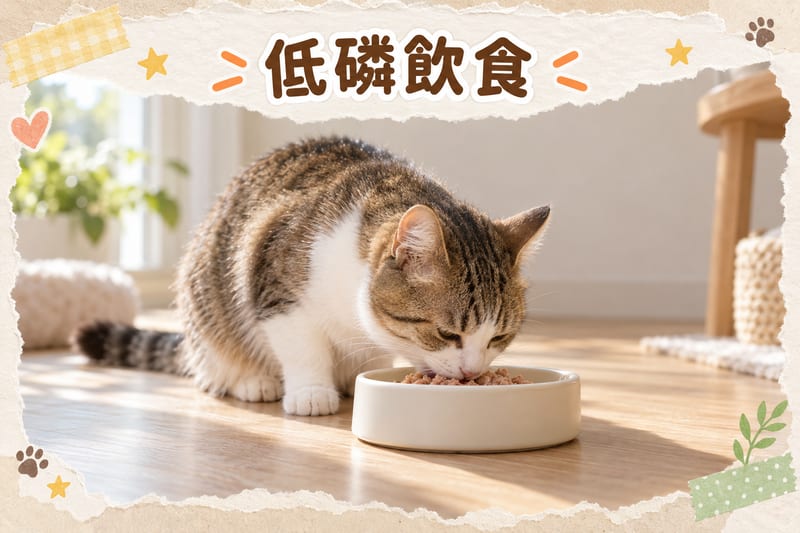
Diet: low phosphorus is the main actor, not just low protein
There are two cores to a kidney cat's diet: control phosphorus and ensure adequate water.
- Low phosphorus: Phosphorus is one of the key drivers of kidney deterioration. Prescription food controls phosphorus content; do not mix in regular canned food on your own.
- Protein: Lower is not always better. Cats are carnivores; too little protein leads to muscle loss. The veterinarian will decide based on stage and blood test results.
- Water: Wet food and soup cans are the handiest hydration tools. Cats fed mainly dry food often don't meet their water needs.
Transition foods slowly, usually over 7 to 10 days: 75% old food → 50% → 25% → all new food, observing stool and appetite at each step. A sudden switch can cause food refusal, which is even more troublesome.
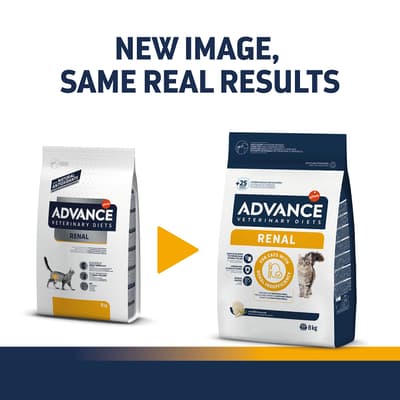
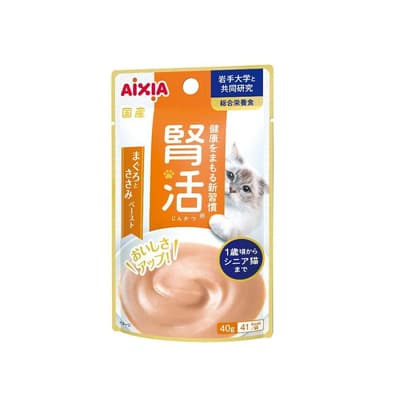
Locally available kidney-related options include ADVANCE Prescription Cat Food Renal 8kg (reference price HK$980, suitable for multi-cat households or long-term use), AIXIA Renal Active Complete Wet Food Tuna + Chicken Pâté 40g (reference price HK$8.5, small portion for trial or mixing with medication), and PetLine Medyfas Renal & Urinary Bonito Flying Fish 6g×8 (reference price HK$16). Prescription food generally requires a veterinarian's note or confirmation before purchase; it's advisable to check the formula with the clinic before ordering.
Drinking tips: doable even in small Hong Kong flats
Cats naturally have low drinking motivation, and kidney cats need proactive hydration. Here are methods ranked by practicality:
- Multiple water stations: Place one in the living room, bedroom, and near the cat tree, away from the litter box and food bowl.
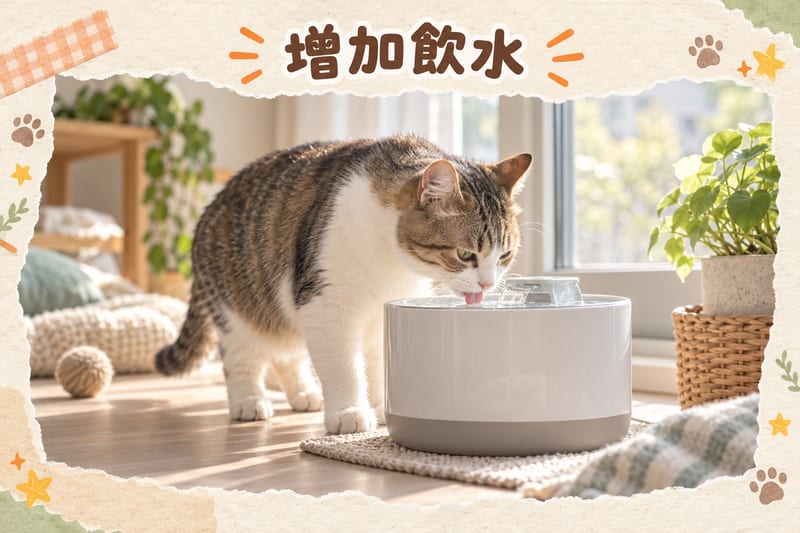
- Use a water fountain: Flowing water appeals to some cats. In small Hong Kong flats, choose a quiet model to avoid dripping sounds at night.
- Add water to soup cans: Add 1 to 2 tablespoons of warm water (not boiling) to complete wet food or soup cans and mix well.
- Syringe feeding water: Only under veterinary instruction; do not force large amounts yourself to avoid choking.
Recording the water bowl level at a fixed time daily is the cheapest and most accurate monitoring method.
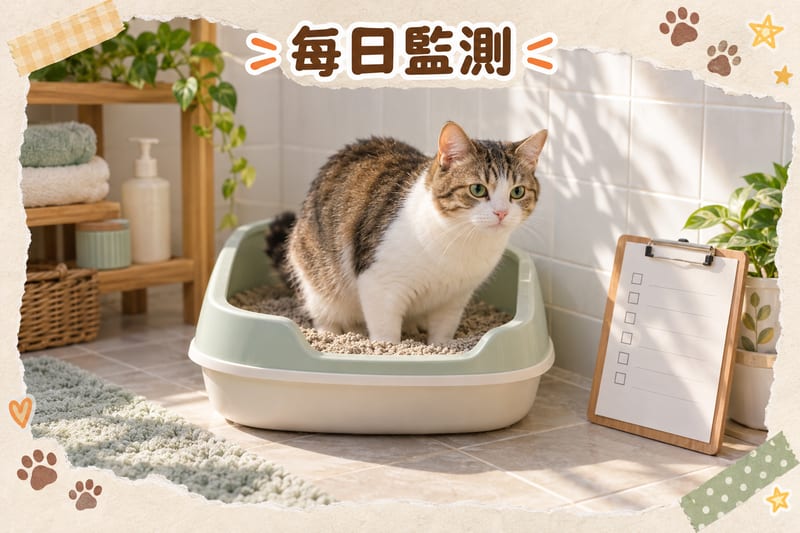
Daily home monitoring: 3 minutes a day
| Item | Frequency | Recording method |
|---|---|---|
| Weight | Same day, same time each week | Use a baby scale or weigh yourself holding the cat, then subtract your weight |
| Number of urine clumps | Daily | Count after cleaning the litter box; normal is 2 to 3 |
| Water intake | Daily | Water bowl level or fountain markings |
| Appetite | Daily | Record how much food is left (in tenths) |
| Energy | Daily | Whether jumping and grooming as usual |
Weight is the most honest indicator. The most typical sign of feline chronic kidney disease is "drinking more, urinating more, and gradual weight loss." If weight drops by more than 1% per week for two consecutive weeks, call the veterinarian.
How to arrange subcutaneous fluids in Hong Kong
When a cat becomes dehydrated or indices worsen, the veterinarian will usually arrange subcutaneous fluids. The book Cat Family Medicine Encyclopedia mentions that diabetic or kidney cats may need home subcutaneous injections; cats tolerate pain better than imagined, and owners need to overcome their own fear of needles. Impatient cats can be placed in a carrier to complete the process. Practical steps:
- The veterinarian prescribes the type, amount, and frequency of fluids (e.g., daily or every other day).
- The first time must be demonstrated at the clinic by a nurse to confirm the needle placement and technique.
- Home preparation: hook or drying rack, clean towel, alcohol swabs, sharps container.
- After completion, observe for swelling or leakage; if present, take a photo and show the veterinarian.
When to see a veterinarian immediately
Do not wait for an appointment in the following situations: complete food refusal for over 24 hours, persistent vomiting, extreme lethargy and not moving, rapid breathing, no urine for 24 hours, sudden hind leg weakness, breath with a strong urine or rotten apple smell.
Real Hong Kong scenarios: three common challenges
Scenario 1: Living in a small flat, want to add more water bowls but don't know where to put them. The biggest no-no for kidney cats is "only one water bowl." In a small flat, you can place bowls: beside the kitchen sink (not on the floor so they won't be kicked over), on the bedside table, on top of the cat tree. The key is to keep them away from the litter box and food bowl, and change the water daily. Choose a quiet water fountain; otherwise, the pump noise at night will make the cat avoid it.
Scenario 2: Multi-cat household, one cat needs prescription food. The biggest headache is cats stealing each other's food. The solution is separate feeding spaces (e.g., one room, one cupboard top) and using timed automatic feeders for fixed portions. If complete separation isn't possible, the veterinarian can provide a compromise: "prescription food as the main diet, other cat food limited in time and amount." Be aware that long-term food stealing can lead to overweight healthy cats and underfed sick cats.
Scenario 3: No one home during the day—how to manage follow-ups and medication? Many people in Hong Kong work long hours away from home. The approach: schedule fluids in the evening, coordinate medication and feeding with automatic feeders. If you travel frequently, explain clearly to the clinic in advance and ask the veterinarian to demonstrate a "one-person" technique to reduce reliance on others.
Common misconceptions
| Misconception | Reality |
|---|---|
| "Normal blood tests mean no kidney disease" | Early kidney disease indices can still be within reference range; judgment relies on SDMA, urine specific gravity, and trends |
| "Drinking more water is always good" | A sudden increase in water intake is itself an abnormal signal, not a good thing |
| "Buy prescription food cheaply online" | Some prescription foods require veterinary confirmation; buying the wrong formula affects the condition |
| "Supplements can replace prescription food" | Supplements are only auxiliary; they do not change phosphorus load or disease progression |
Frequently asked questions
Q: Can cats with chronic kidney disease take supplements? A: There are kidney-related supplements on the market, but cats with kidney disease should not take supplements indiscriminately, especially products containing phosphorus or high protein. Any supplement must be discussed with the veterinarian first and calculated together with the phosphorus content of the prescription food; do not add on your own.
Q: Do I need to fast before blood tests? A: Generally, kidney indices don't necessarily require prolonged fasting, but most veterinarians will ask for a 6 to 8 hour fast to avoid food affecting blood glucose and lipid readings. Call ahead to confirm before each follow-up to avoid a wasted trip.
Q: What if my cat refuses to eat prescription food? A: First rule out issues like oral pain, nausea, and constipation. You can try slightly warming the food (about 37°C), mixing in a little broth, or changing the texture (pâté to chunks). If food intake is less than half of normal for two consecutive days, notify the veterinarian; do not rely on treats for the long term.
Key takeaways
- ✅ Chronic kidney disease is irreversible, but diet and follow-ups can slow progression
- ✅ Weighing on the same day each week and counting urine clumps daily are the most practical home monitoring methods
- ✅ A low-phosphorus diet is core, but protein should not be pushed too low
- ✅ Once stable, blood and urine tests every 3 to 6 months; increase frequency if indices worsen
- ✅ Subcutaneous fluids should only be done at home after a veterinarian demonstrates
- ❌ Do not add supplements or human medications on your own
- ❌ Do not wait until the cat completely stops eating to seek medical help
The above is general information and does not replace veterinary diagnosis; if your cat has persistent symptoms, please take it to a veterinary clinic as soon as possible.
Further reading: Complete Guide to Cat Kidney Disease, Low-Phosphorus Diet Guide for Kidney Cats, Early Warning Signs of Chronic Disease in Cats, Dietary Management for Cats with Chronic Disease, Feline Urinary and Kidney Health
Related reading
 Feline Natural full guide →
 AIXIA full guide →