🤖 AI Summary
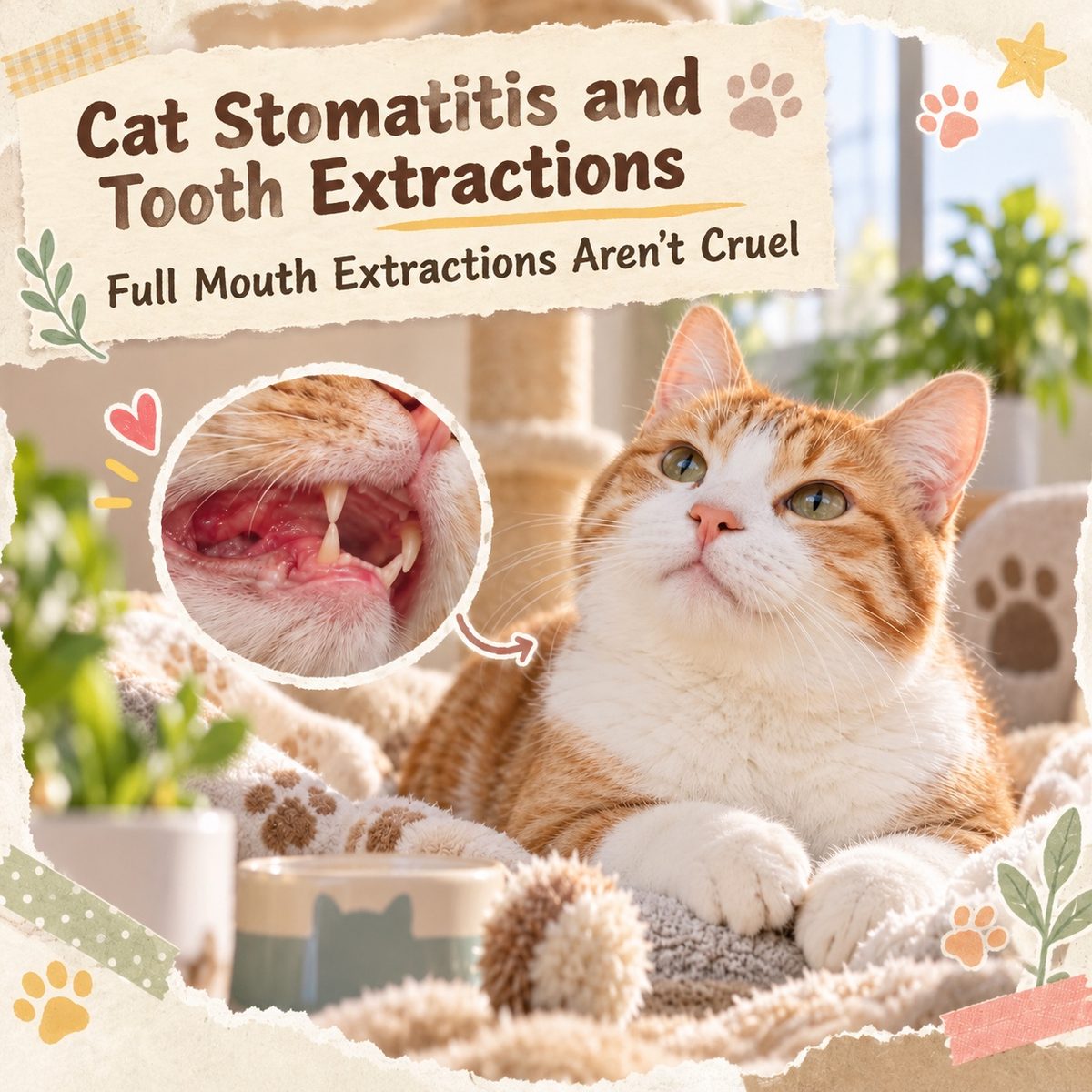
Cat stomatitis (FCGS) is a chronic oral inflammation in which the immune system overreacts to dental plaque: the oral mucosa becomes red, swollen and ulcerated, and the pain is so severe the cat refuses to eat. Unlike ordinary periodontal disease, brushing and medication alone usually cannot control it.
• Full-mouth or posterior molar extraction is the most effective option recognised by the veterinary profession: studies show 6 to 8 in 10 cats are cured or greatly improved
• Toothless cats can still eat dry food — being free of severe pain is what really lets them eat
• Drooling + bad breath + backing away from the food bowl = the three major warning signs of stomatitis
Quick answer: Cat stomatitis (FCGS) is a chronic disease in which a cat mounts an excessive immune response to dental plaque, causing widespread redness, swelling and ulceration of the oral mucosa with severe pain. Treatment ladder: dental scaling plus medication → if ineffective, molar or full-mouth extraction (6-8 in 10 cases cured or greatly improved). After extraction cats still eat happily — missing teeth does not affect eating dry food, but it can completely free them from severe pain.
Contents
-
What is cat stomatitis (FCGS)?
-
Why does stomatitis happen? The truth about immune dysregulation
-
Stomatitis vs periodontal disease: don't confuse the two
-
Symptom self-check + disease timeline
-
Treatment ladder: from scaling to full-mouth extraction
-
The truth about 'full-mouth extraction': cruel or relief?
-
When to see a vet + home care
-
FAQ
What is cat stomatitis (FCGS)?
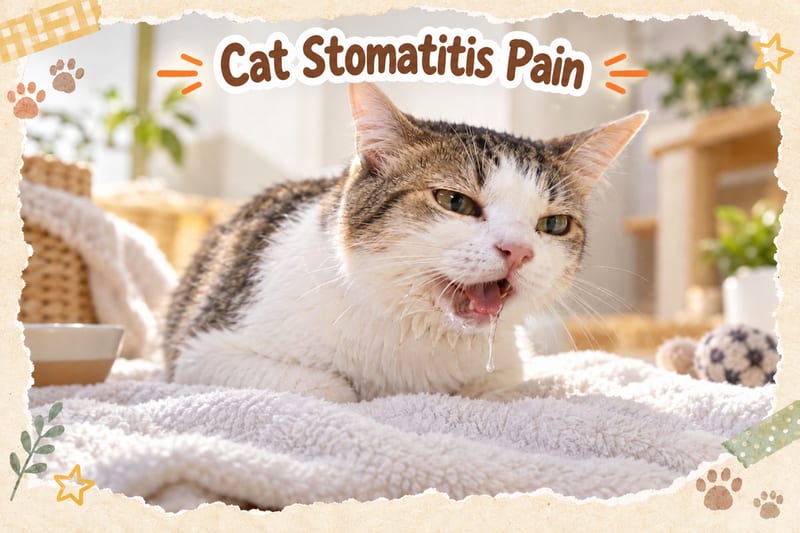
Cat stomatitis, formally feline chronic gingivostomatitis (FCGS), is a chronic, severely painful oral inflammation: the oral mucosa (especially the tissue from the outer side of the back molars toward the throat) remains red, swollen, ulcerated and may even bleed spontaneously.
The estimated prevalence is about 0.7% to 10% of cats — not rare, and one of the most tormenting diseases a cat can have. The pain is 'burning' level: many stomatitis cats are clearly hungry, walk to the food bowl, sniff, open their mouths and shrink back, cry while eating, or simply stop eating — because every chew feels like their mouth is on fire.
Why does stomatitis happen? The truth about immune dysregulation
The core of stomatitis is not 'too much bacteria' but an overreactive immune system:
- A cat's mouth naturally has dental plaque (a bacterial film), and a normal cat's immune system handles it gently
- In a stomatitis cat, the immune system overreacts to plaque — like a guard who opens fire on every visitor and destroys the whole house
- Result: the oral mucosa is in a constant state of inflammation; the more inflamed, the more painful; the more painful, the harder to clean — a vicious cycle
Some research points to chronic viral infections (FIV/FeLV/calicivirus) as possible triggers, but the exact cause is still not fully determined — what is certain is that this is a systemic immune problem, not simply 'not cleaning enough'.
Stomatitis vs periodontal disease: don't confuse the two
| Periodontal disease | Stomatitis FCGS | |
|---|---|---|
| Nature | Bacterial infection of gums/alveolar bone | Overreactive immune system |
| Lesion location | Gum margin, areas of tartar accumulation | Widespread mucosa, outer side of back molars to larynx |
| Effect of brushing/scaling | Clearly effective | Alone, usually cannot control it |
| Medication control | Supportive only | Only temporary suppression, not a helps manage |
| Definitive treatment | Depends on severity | Extraction (especially molars) |
Simply put: periodontal disease is 'dirt that needs cleaning'; stomatitis is 'the immune system attacking itself' — cleaning is the baseline, but not the answer.
Symptom self-check + disease timeline
Three major warning signs:
- 🚩 Bad breath suddenly worse — not ordinary 'cat breath' but a rotting smell
- 🚩 More saliva, thicker — thick and stringy, leaving drool stains on pillows and bedding
- 🚩 Backing away from the food bowl — wants to eat but dares not, cries while eating, chews on one side
Other signs: red swollen gums (linear ulcers especially typical), pawing at the face, poor coat (too painful to groom), irritability, weight loss.
Timeline (typical progression):
| Stage | Signs | What to do |
|---|---|---|
| Early | Bad breath + slightly red gums | Veterinary oral examination, start dental care |
| Moderate | Drooling, reduced appetite, crying in pain while eating | See a vet immediately — don't 'wait and see' |
| Advanced | Food refusal, rapid weight loss, hiding | Emergency: not eating due to pain can trigger fatty liver |
Treatment ladder: from scaling to full-mouth extraction
Step 1: Basic treatment
- Professional dental scaling + oral X-ray assessment (check root condition)
- Medication: pain relief, anti-inflammatory, antibiotics if necessary — can provide temporary relief, but most cannot helps manage
- Dental care habits (for stomatitis cats, only push this after pain is controlled)
Step 2: Extraction surgery — the most effective option recognised by the veterinary profession
- When medication fails, the standard approach is extraction of teeth in the inflamed area: usually all molars/premolars (posterior extraction), full-mouth extraction in severe cases
- Surgery is performed under anaesthesia, with oral X-rays to confirm all roots are removed
- Evidence: studies show 6 to 8 in 10 stomatitis cats are cured or greatly improved after extraction
- Remaining cases: with ongoing medication management, quality of life can still be maintained
Step 3: Refractory cases
A small number of cats continue to have inflammation after extraction; vets will use immunomodulatory drugs for long-term management — the goal is 'living with the disease but without pain'.
The truth about 'full-mouth extraction': cruel or relief?
Many owners' first reaction to 'full-mouth extraction' is resistance — 'How can it eat without teeth? Isn't that awful?'
The truth is the opposite:
- Cats eat by swallowing, not chewing — they can eat dry food with their gums; in practice, toothless cats eating dry food is very common
- A stomatitis cat with those teeth endures torture at every meal; after extraction, the inflamed tissue loses its source of irritation and the pain disappears
- The vast majority of extracted cats show markedly improved appetite, regain weight, and return to their sweet personalities — the most common feedback from owners is 'it's like a different cat'
- Vets do not recommend extraction lightly — when they propose it, the medication route has already been proven not to work
In one sentence: it is not the extraction that causes suffering, but keeping those teeth that causes daily suffering. Of course, before the final decision, please discuss the individual case risks (anaesthetic assessment, post-operative care) in detail with your vet.
When to see a vet + home care
Red/green triage table:
| Situation | Assessment | Action |
|---|---|---|
| Mild bad breath, normal appetite | 🟢 Observe | Book a routine oral examination |
| Strong bad breath + red gums | 🟡 See a vet soon | Book a veterinary oral examination within days |
| Drooling/crying in pain while eating/chewing on one side | 🔴 Don't wait | See a vet within days |
| Food refusal, weight loss, hiding | 🔴 Emergency | See a vet immediately (also risk of fatty liver) |
Home care for stomatitis cats:
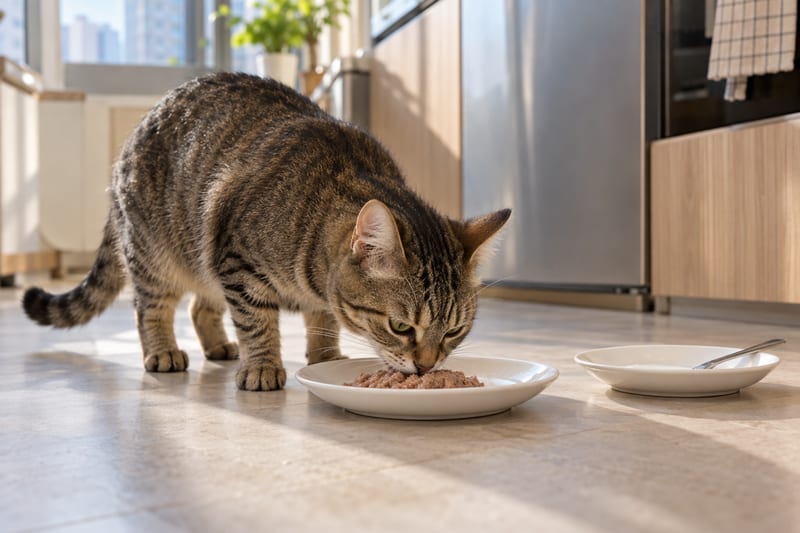
- Mainly wet food / softened dry food to reduce chewing pain
- Switch to a shallow dish to avoid the rim hitting painful areas
- Follow veterinary instructions for medication; do not stop on your own
- Ensure adequate hydration (drooling loses fluids)
This article is for reference only and cannot replace veterinary diagnosis. If you have health concerns, please consult a registered veterinarian.
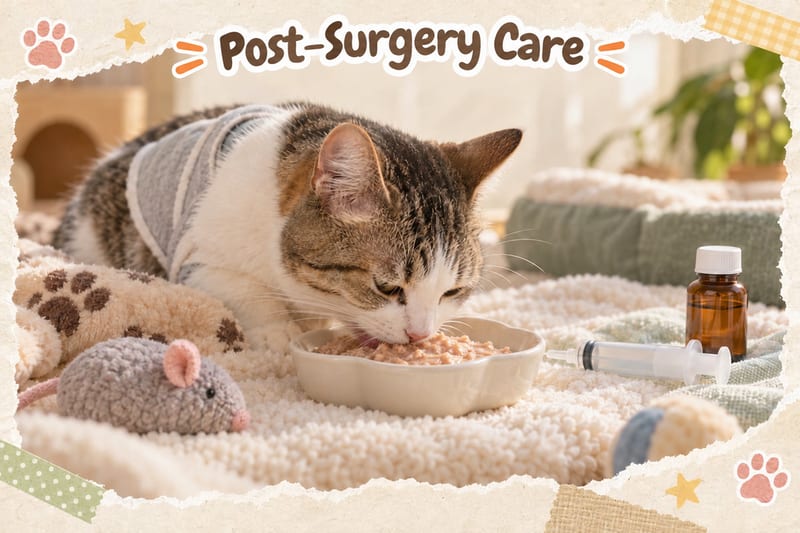
Hong Kong small-flat practicalities: post-operative care checklist for stomatitis cats
Hong Kong homes are small, but caring for a stomatitis cat after extraction is not difficult — just follow these steps and a weekend is enough.
1. First 48 hours: quiet recovery zone
- Use a cardboard box or pet tent to create a 'quiet zone' in a corner of the living room, lined with towels + pee pads, to avoid jumping up and down and pulling the wound.
- Use a small fan or air-conditioning to keep 24–26°C; Hong Kong's humid heat can make wounds swell.
2. Feeding arrangements
- For the first three days, use a shallow dish with wet food / dry food softened with warm water, placed at the entrance of the quiet zone, at a height no higher than the cat's shoulder to reduce lowering the head and pulling.
- If you normally use an automatic feeder, pause it temporarily and switch to 4–5 small meals a day to make appetite monitoring easier.
3. Medication management
- Vets usually prescribe pain relief + antibiotics, which are not available at Hong Kong pharmacies; remember to return to the clinic on time to collect medication.
- Set phone alarms for medication times so you don't only remember after working overtime.
4. Daily checklist
- Morning: sniff the breath; a clear reduction in rotting smell = inflammation under control.
- Evening: record how many grams of food was eaten and whether there is drooling; send a video to your vet via WhatsApp for follow-up.
5. Recovery signals
- From day 3–5, starting to come out of the quiet zone and nudge your hand with its nose — meaning pain is greatly reduced.
- After a week, gradually switch back to the original food, but continue using a shallow dish for long-term habit.
When to return to the clinic immediately?
- Complete food refusal for 24 hours, saliva streaked with blood, rapid breathing — take to a 24-hour emergency vet immediately (available in Prince Edward, Tseung Kwan O and Yuen Long).
Remember: Hong Kong transport is convenient; don't delay follow-up because 'it's a hassle'. The first post-extraction recheck is usually scheduled within 7–10 days — arriving on time is safest.
Sources
- International Cat Care — Dental disease in cats — causes, symptoms and treatment principles of oral and dental disease in cats (including stomatitis and periodontal disease)
- Feline chronic gingivostomatitis: current concepts in clinical management (PMC) — clinical management consensus for feline chronic gingivostomatitis, including the role of extraction
Disclaimer
This article is general pet health information and cannot replace veterinary diagnosis or treatment. Diagnosis of cat stomatitis requires a veterinarian to examine the mouth and rule out other causes (such as calicivirus infection, kidney disease, diabetes); treatment plans (including whether extraction is needed, drug types and dosages) must be decided by a registered veterinarian. Never give human painkillers on your own — cats are highly toxic to many human painkiller ingredients (e.g. paracetamol, ibuprofen). If a cat completely refuses food or has heavy oral bleeding, seek veterinary help immediately.
Hong Kong veterinary fee reference (published on clinic websites)
- Hong Kong Leo Animal Medical Centre (LAMCVET, Yau Ma Tei): basic consultation $350 | night consultation $600 | emergency consultation $600 | referral consultation $600 (official fee schedule)
- Creature Comforts (East District Animal Hospital / Tseung Kwan O Veterinary Clinic): Tseung Kwan O from $420 | East District daytime (8am–9pm) from $370 | evening (9pm–12am) from $550 | late-night emergency (12am–8am) from $1,100 | home visits from $1,050 (official information)
Consultation fees cover only the consultation and basic examination; blood tests, imaging, medication, hospitalisation etc. are extra and will be quoted by the clinic according to the actual situation. Prices are subject to the clinic's latest announcement; this article is for reference only.
Disclaimer
This article is general pet health information and cannot replace veterinary diagnosis or treatment. Every cat's condition, medical history and medication contraindications are different; any symptom assessment and treatment plan (including drug types, dosages and course length) must be decided by a registered veterinarian after an in-person consultation. If your cat shows the red-line symptoms in this article, please go to a veterinary clinic or 24-hour emergency animal hospital immediately. The fee information in this article is excerpted from clinic official websites; prices may change at any time and are subject to the clinic's latest announcement.
Further reading
- All articles index
- PetChill pet supplies
- Comparison of 12 cat breeds and prices →
- Common diseases, preventive care, veterinary information →
- Complete guide to cat ringworm symptoms, treatment and prevention in Hong Kong →
- Coffee-ground earwax, scratching ears, infection prevention (must-read for Hong Kong cat owners) →
- Cat symptom self-check guide (12 major symptoms quick reference + red-line triage table) — compare the severity of 13 common symptoms at once
📌 Key points
- ✅ Stomatitis is an overreactive immune response, not ordinary periodontal disease
- ✅ After extraction, 6-8 in 10 cats are cured or greatly improved
- ✅ Toothless cats still eat dry food; the point is freedom from severe pain
- ❌ Bad breath + drooling + backing away from the food bowl are the warning signs — don't delay
- ❌ Brushing/medication alone usually cannot control stomatitis
Related products and Hong Kong purchase reference
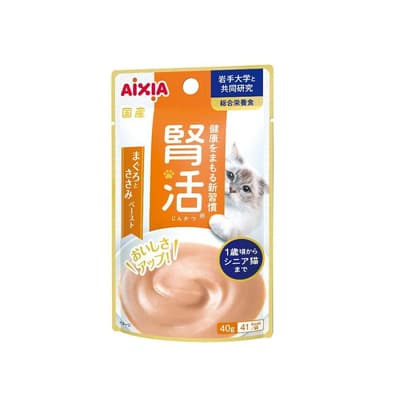
- AIXIA Renal Care complete wet food pouch 40g (reference price HK$8.5)
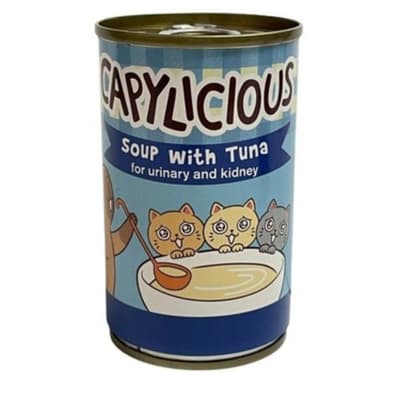
- Capylicious Hydration Soup Can Tuna 140g (reference price HK$14)
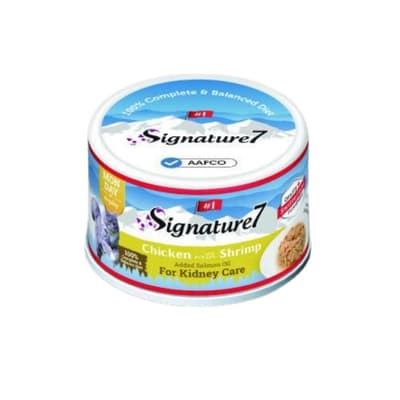
- Signature7 Meat Broth Can Kidney Care Chicken + Shrimp 70g (reference price HK$9)
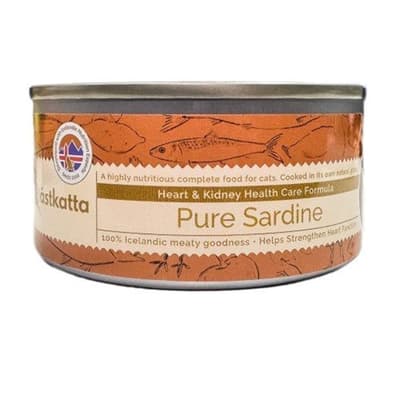
- Astkatta Heart Health complete wet food 80g (reference price HK$15)
Hong Kong practical points
- Oral pain makes cats picky or even refuse food, and weight can drop quickly
- In the early post-operative period, use meat paste or soup cans with added water to reduce chewing burden
- Stomatitis and periodontal disease are different and are managed differently
The above is general information and does not replace veterinary diagnosis; if your cat has persistent symptoms, please take it to a veterinary clinic as soon as possible.
 Almo Nature full guide →
 Feline Natural full guide →
 AIXIA full guide →