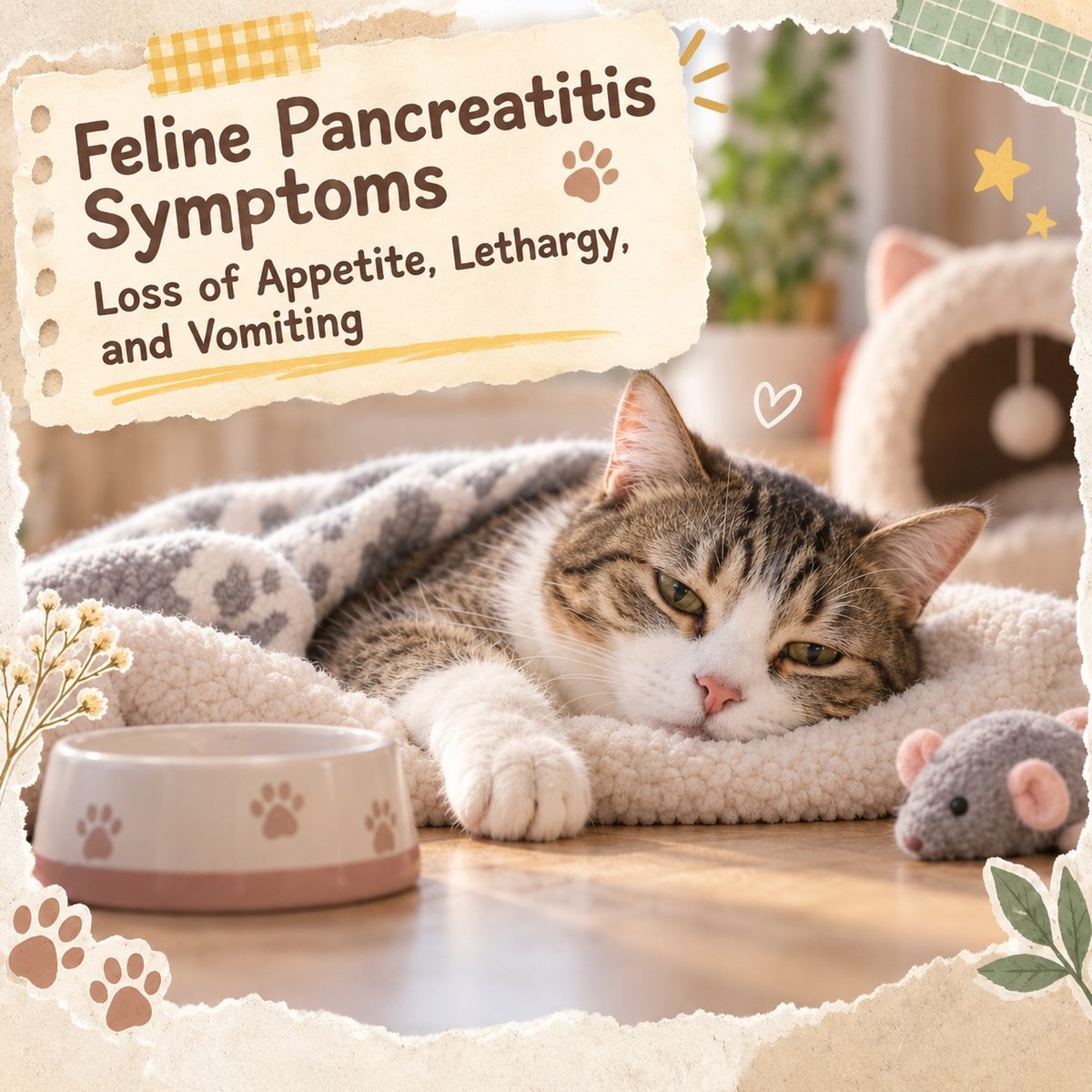
The most typical presentation of cat pancreatitis is not severe abdominal pain, but the triad of poor appetite + low energy + intermittent vomiting. Cats are experts at hiding pain, and often the only clue is that they 'hide away and sleep more, stop playing with you, and stop grooming'. If your cat completely refuses food for more than 24 hours, this is an emergency and you should seek veterinary care immediately.
Quick assessment: which level of pancreatitis is this?
| Sign | 🟢 Observe at home | 🟡 See a vet within 24 hours | 🔴 Emergency now |
|---|---|---|---|
| Appetite | Eating less but still eating | Clearly refusing food, not interested in favourite treats | Completely refusing food for more than 24 hours |
| Energy | More tired than usual | Hiding, ignoring people, not grooming, changed sleeping posture | Weak and floppy, cannot be woken, unable to stand |
| Vomiting | Occasional one or two times | Repeated vomiting, vomiting after eating | Continuous vomiting that will not stop, vomit containing blood or coffee-coloured material |
| Abdomen | Feels normal | Resists abdominal touch, hunches up | Obviously distended and painful abdomen, crying out, will not let you hold |
| Dehydration | Normal skin elasticity | Skin springs back slightly slowly, gums slightly dry | Skin does not spring back, sunken eyes |
| Weight | Stable | Noticeable loss in a short time | Rapid weight loss + jaundice (gums/whites of eyes turn yellow) |
Why is cat pancreatitis so hard to spot?
Three reasons:
- Atypical symptoms: Pancreatitis in humans and dogs causes severe abdominal pain, a hunched back and continuous vomiting; but cats often only show vague signs such as poor appetite, low energy, intermittent vomiting and diarrhoea, and many owners think it is 'something they ate' or 'a bad mood'.
- Cats are good at hiding pain: The International Cat Care points out that pancreatitis can be very painful, but cats usually hide the pain. You may only notice that they interact less with the family, sleep more, sleep in different places, and groom less.
- Clinical diagnosis rate is far lower than the actual prevalence: The ACVIM (American College of Veterinary Internal Medicine) consensus states that in a post-mortem study of 115 cats, the histological prevalence of pancreatitis was as high as 66.1%, and 45% of 'apparently healthy' cats had evidence of pancreatitis. But clinically diagnosed cases are far fewer—reflecting that many cases of feline pancreatitis are silent and undetected.
Common symptom distribution (with data)
A clinical study of cats with suspected pancreatitis (n=21) recorded the following symptom rates, which you can use for comparison:
| Symptom | Rate |
|---|---|
| Lethargy | 95.2% |
| Decreased appetite | 90.5% |
| Vomiting | 90.5% |
| Dehydration | 81.0% |
| Diarrhoea | 57.1% |
| Abdominal pain | 47.6% |
| Weight loss | 47.6% |
Key interpretation: Low energy and poor appetite are almost always present (over 90%), while 'abdominal pain' is only about half—so do not wait until the cat cries out in pain before seeking veterinary care.
Causes and related diseases
- Most cases have no identifiable cause. The ACVIM consensus clearly states that pancreatitis has no obvious age, sex or breed predisposition, and no established association with body condition score, inappropriate diet or drug history.
- Associated with liver/intestinal inflammation (triaditis) — The cat's pancreas, liver and biliary system, and intestines are connected, so inflammation in one area easily affects another. Therefore cats with pancreatitis often also have cholangitis or intestinal inflammation, and treatment should consider them together.
- Abdominal trauma — For example, road traffic accidents or falls from a height can cause pancreatic ischaemia and damage.
- Infection (rare) — Toxoplasmosis, certain viruses and other rare conditions can cause it.
- Long-term complications — Can lead to diabetes (presenting as increased drinking and urination, weight loss), or exocrine pancreatic insufficiency (weight loss + diarrhoea).
How does the veterinarian diagnose it?
| Test | Purpose | Notes |
|---|---|---|
| History + clinical examination | Understand symptoms, palpate abdomen | Abdominal pain in cats may not be palpable |
| Blood tests (CBC/biochemistry) | Assess dehydration, liver and kidney function, electrolytes | Rule out other diseases |
| fPLI/Spec fPL feline pancreatic lipase | Core blood test for diagnosing pancreatitis | Commonly used veterinary standard |
| SNAP fPL (in-house rapid test) | Rapid screening | Only gives 'normal/abnormal', cannot grade severity |
| Abdominal ultrasound | Observe pancreatic morphology, surrounding fluid | Requires expertise; more accurate if performed within 24 hours |
Spec fPL reference values (according to veterinary journal literature): negative ≤3.5 µg/l; mildly elevated 3.6–5.3 µg/l; positive ≥5.4 µg/l. Values must be interpreted together with clinical signs and imaging results; you cannot diagnose based on a single number.
Note: Mild pancreatitis is extremely difficult to confirm, and veterinarians sometimes start treatment based on 'high suspicion'. A few cases require pancreatic tissue biopsy (usually during surgery) for laboratory analysis.
Treatment approach (must be carried out by a veterinarian)
There is no specific curative drug for cat pancreatitis; the core of treatment is 'supportive therapy' and managing complications:
| Treatment focus | Specific measures | Purpose |
|---|---|---|
| Fluid therapy | Severe cases require hospitalisation with intravenous fluids | Correct dehydration and electrolyte imbalance |
| Pain relief | Veterinarian-prescribed analgesics | Pancreatitis can be very painful |
| Anti-vomiting/anti-nausea | Veterinarian-prescribed antiemetics | Reduce vomiting, improve appetite |
| Nutritional support | Appetite stimulants, feeding tube if necessary | Avoid hepatic lipidosis from prolonged fasting |
| Treat related diseases | Manage cholangitis and intestinal inflammation together | Triaditis requires holistic treatment |
| Dietary adjustment | Only follow veterinary instructions | Some cats need prescription diets |
Two iron rules:
- Never force-feed. The International Cat Care clearly states that force-feeding has a very negative effect on a cat's appetite and does not meet its nutritional needs. Appetite problems should be managed medically.
- Never give painkillers or human medicines on your own. Many human painkillers (e.g. paracetamol, ibuprofen) are highly toxic to cats and can be fatal in very small doses.
Red-line timeline
- Immediately (🔴): Complete food refusal for more than 24 hours, continuous vomiting, severe abdominal pain with crying, weak and floppy, yellow gums/whites of eyes → go to a 24-hour emergency hospital immediately
- Within 24 hours (🟡): Marked decrease in appetite + low energy, repeated vomiting, diarrhoea, slow skin rebound
- Within a few days (🟢): Several days of eating less, weight loss, quieter and hiding more than usual → book a vet appointment for blood tests
- Long term: Cats diagnosed with pancreatitis need regular follow-up; recurrent cases need further investigation and treatment adjustment
Prognosis and home care
Most cats gradually improve after treatment (the International Cat Care states that most cats improve over time). Key points for home care:
- Give medication as instructed by the veterinarian; do not stop or adjust the dose on your own
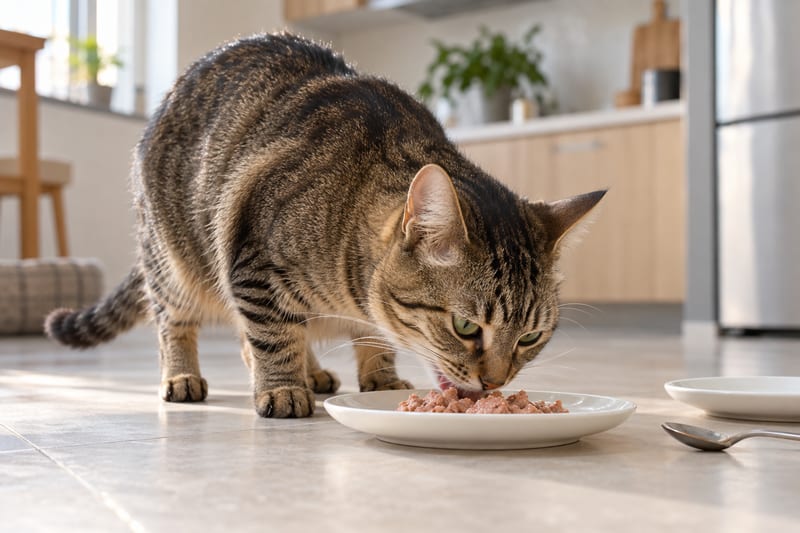
- Encourage eating (not force): slightly warmed food can enhance aroma, small frequent meals, use a shallow dish
- Closely record daily food intake, water intake, number of vomits and stool condition
- Keep the environment quiet to reduce stress, provide multiple resting places (sick cats want to hide)
- Maintain a healthy weight, feed high-quality food, keep vaccinations and deworming up to date, regular health checks (ICatCare points out these are currently the most practical preventive measures)
Hong Kong veterinary fee reference (publicly listed on clinic websites)
- Hong Kong Leo Animal Medical Centre (LAMCVET): Basic consultation $350 | Night consultation $600 | Emergency consultation $600 (official fee schedule)
- Creature Comforts (East District Animal Hospital / Tseung Kwan O Veterinary Clinic): Daytime from $370 | Evening (9pm–12am) from $550 | Late-night emergency (12am–8am) from $1,100 | Home visit service from $1,050 (official information)
Blood tests (including fPLI specific test), ultrasound and hospitalisation with fluids are charged separately and require a quote from the clinic. Prices are subject to the clinic's latest announcement.
Further reading (cat gastrointestinal and related symptoms)
- Cat symptom self-check guide — 12 major symptoms quick check + 🟢🟡🔴 red-line triage table
- Cat vomit colour chart — judge severity by vomit colour
- Cat poop health observation guide — management of diarrhoea and soft stool
- Cat diabetes complete guide — long-term pancreatitis cases can lead to diabetes
- Cat liver care — the most dangerous complication of food refusal is hepatic lipidosis
- What to do about cat dehydration — cats with pancreatitis are at high risk of dehydration
Low-fat diet in practice: should fat be restricted?
The traditional view is that 'pancreatitis requires a low-fat diet', but recent veterinary literature takes a more nuanced view:
- The benefit of fat restriction in cats is unproven — The ACVIM consensus states that dietary management of feline pancreatitis is not the same as in dogs, and there is no clear evidence to support fat restriction in cats.
- The first priority is 'do not stop eating' — Prolonged food refusal in cats can trigger hepatic lipidosis, a risk higher than that of dietary fat. So the focus in the acute phase is to resume eating as soon as possible (using appetite stimulants or a feeding tube if necessary).
- Exceptions — If the cat also has hyperlipidaemia (high triglycerides) or intestinal disease, the veterinarian may recommend a specific prescription diet (e.g. a fat-controlled gastrointestinal prescription diet).
- Diet transition principles — Any dietary adjustment should be advised by the veterinarian and introduced gradually (mix old and new food, 7–10 day transition) to avoid gastrointestinal upset.
Practical advice: Rather than obsessing over 'low-fat or not', make sure the cat is willing to eat, eats enough, drinks enough, and attends follow-up blood tests as instructed by the veterinarian.
Frequently asked questions
Q: Will cat pancreatitis resolve on its own? A: Mild cases often improve gradually with supportive treatment, but that does not mean you can ignore it. Pancreatitis can be very painful and can affect other organs and blood pressure; severe cases are life-threatening. Recurrent pancreatitis can cause irreversible changes and may lead to diabetes. So if symptoms appear, seek veterinary care early.
Q: What is the difference between cat and dog pancreatitis? A: The biggest difference is how obvious the symptoms are. Dogs usually have severe abdominal pain, a hunched back and vomiting; cats often only have poor appetite, low energy and intermittent vomiting, with abdominal pain in only about half of cases. So cat pancreatitis is more easily overlooked and more often mistaken for 'stomach upset'.
Q: Does a high fPLI always mean pancreatitis? A: Not necessarily. A positive Spec fPL (≥5.4 µg/l) is an important indicator, but diagnosis must be combined with clinical signs, physical examination and imaging (ultrasound). Conversely, mild pancreatitis may not show a high level. Veterinarians sometimes start treatment based on overall judgement. Any interpretation of results should be made by the veterinarian.
Q: What is triaditis? A: It refers to a cat having pancreatitis, cholangitis (inflammation of the liver and biliary system) and intestinal inflammation at the same time. Because the cat's pancreas, bile ducts and intestines are connected, inflammation in one area easily affects another. So cats diagnosed with pancreatitis are usually also assessed for liver and intestinal problems, and treatment should consider the whole picture.
Q: Does a cat with pancreatitis need a diet change? A: Whether to change the diet, and which diet to choose, must be decided by the veterinarian on an individual basis. The International Cat Care emphasises that dietary adjustments should only be made under veterinary advice. If the cat also has intestinal disease, the veterinarian may recommend a specific prescription diet; but changing the diet on your own may make the gut more unstable.
Q: How can cat pancreatitis be prevented? A: It cannot currently be completely prevented (most cases have no identifiable cause). The most practical steps are: maintain a healthy weight, feed a high-quality complete diet, keep vaccinations and deworming up to date, have regular health checks, and treat liver and intestinal problems early. If the cat has recurrent episodes, the veterinarian will recommend further investigation.
Q: What PetChill products can help a cat recovering from pancreatitis? A: PetChill HK offers a range of recovery-support products, including highly palatable complete wet food, prescription food freshness covers, shallow dishes, pill dispensers, digital scales (to record weight changes) and stress-reducing cat beds, with self-pickup available at the Fo Tan, Yuen Long and Fanling stores.
Sources
- International Cat Care — Pancreatitis in cats — cat pancreatitis symptoms (including hidden pain signs), diagnostic process, treatment principles and long-term care
- ACVIM Consensus Statement on Pancreatitis in Cats (PMC) — definition of pancreatitis, prevalence data, aetiology and consensus conclusion of 'no age/sex/breed predisposition'
- Schnauß F. et al., Journal of Feline Medicine and Surgery (PMC6661714) — Spec fPL reference values (≤3.5 / 3.6–5.3 / ≥5.4 µg/l) and symptom rates in suspected cases
Disclaimer
This article is general pet health information and cannot replace veterinary diagnosis or treatment. Confirming cat pancreatitis requires a combination of clinical signs, blood tests (fPLI/Spec fPL) and imaging; the interpretation of any result and the treatment plan must be decided by a registered veterinarian. All medications, fluid therapy and nutritional support mentioned in this article require veterinary prescription; never give medication or force-feed on your own. If your cat completely refuses food for more than 24 hours, has continuous vomiting, severe abdominal pain or jaundice, please go to a 24-hour emergency animal hospital immediately. The fee information in this article is excerpted from clinic official websites; prices may change and are subject to the clinic's latest announcement.
Key takeaways
- Typical triad of cat pancreatitis: decreased appetite (90.5%) + low energy (95.2%) + vomiting (90.5%); abdominal pain in only about half of cases
- Cats are good at hiding pain; the warning sign may just be 'hiding, sleeping more, grooming less, not playing with you'
- Core diagnosis: Spec fPL/fPLI blood test (positive ≥5.4 µg/l) + ultrasound + clinical signs
- Most cases have no identifiable cause, with no age, sex or breed predisposition; often occurs together with liver/biliary or intestinal inflammation (triaditis)
- Treatment is supportive (fluids, pain relief, anti-vomiting, nutritional support); there is no specific curative drug
- 🔴 Emergencies: complete food refusal for more than 24 hours, continuous vomiting, severe abdominal pain, jaundice
- Strictly no force-feeding and no giving painkillers on your own
Related products and Hong Kong purchasing reference
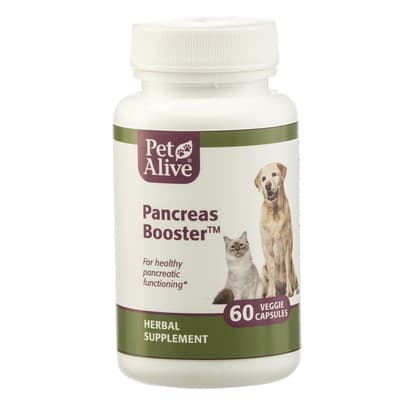
- PetAlive Pancreas Booster pancreatic function support 60 capsules (reference price HK$340.2)
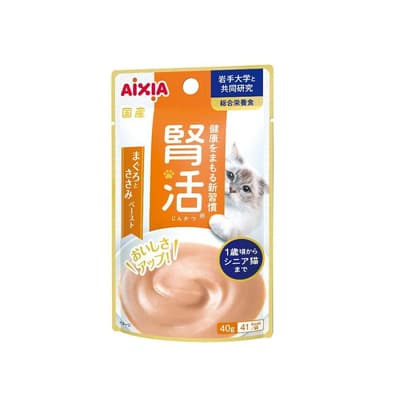
- AIXIA Renal Complete Wet Food Pouch 40g (reference price HK$8.5)
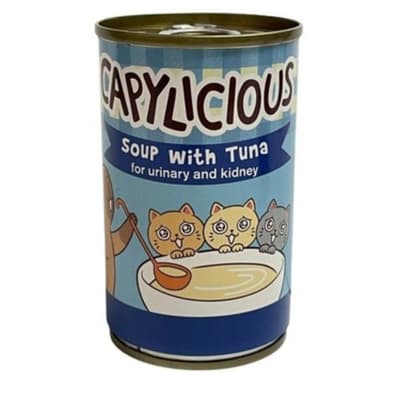
- Capylicious Hydration Soup Can Tuna 140g (reference price HK$14)
Practical points for Hong Kong
- Cat pancreatitis symptoms are extremely subtle; poor appetite + low energy + intermittent vomiting is a common combination
- Do not feed high-fat canned food or human meat gravy 'to build them up' on your own
- Chronic cases require long-term fat control and regular rechecks
The above is general information and does not replace veterinary diagnosis; if your cat has persistent symptoms, please take it to a veterinary clinic as soon as possible.
 Wellness Core full guide →
 Feline Natural full guide →
 AIXIA full guide →