Have you noticed that your cat has recently developed a huge appetite but keeps getting thinner? Or suddenly drinks a lot more water and seems restless all day? Many cat owners think this is just a 'good appetite', but it may actually be a common disease in senior cats—hyperthyroidism. This article helps you understand the symptoms, causes, and treatment of this disease, so you can protect your cat's health early.
Quick answer: A cat that 'eats more but gets thinner' is the most typical warning sign of hyperthyroidism, commonly seen in middle-aged to senior cats over 8 years old; about 10% of senior cats may develop related problems. Hyperthyroidism is caused by excessive thyroid hormone secretion, which speeds up the whole body's metabolism. Besides increased appetite and weight loss, it also comes with increased drinking and urination, hyperactivity, rough coat, vomiting, and diarrhea. Diagnosis mainly relies on blood T4 testing. Treatment options include medication, surgical removal, radioactive iodine therapy, and low-iodine prescription food. With early detection and regular follow-ups, cats can still maintain a good quality of life.
What is Feline Hyperthyroidism?
The thyroid gland is an endocrine gland located on both sides of the cat's neck. It secretes thyroid hormones, which regulate the body's metabolism. When thyroid hormone secretion becomes abnormally active, it accelerates the whole body's metabolism and triggers a series of chain reactions.
According to clinical data from Hong Kong veterinarians, hyperthyroidism is one of the most common endocrine diseases in middle-aged and senior cats (usually over 8 years old). Studies show that about 10% of senior cats may have thyroid-related problems. It is worth noting that indoor cats and purebred cats (such as Siamese) may have a slightly higher incidence.
5 Major Early Symptoms: Warning Signs You Must Know
The symptoms of hyperthyroidism often appear gradually and are easily overlooked in the early stages. Here are the 5 most common early warning signs:
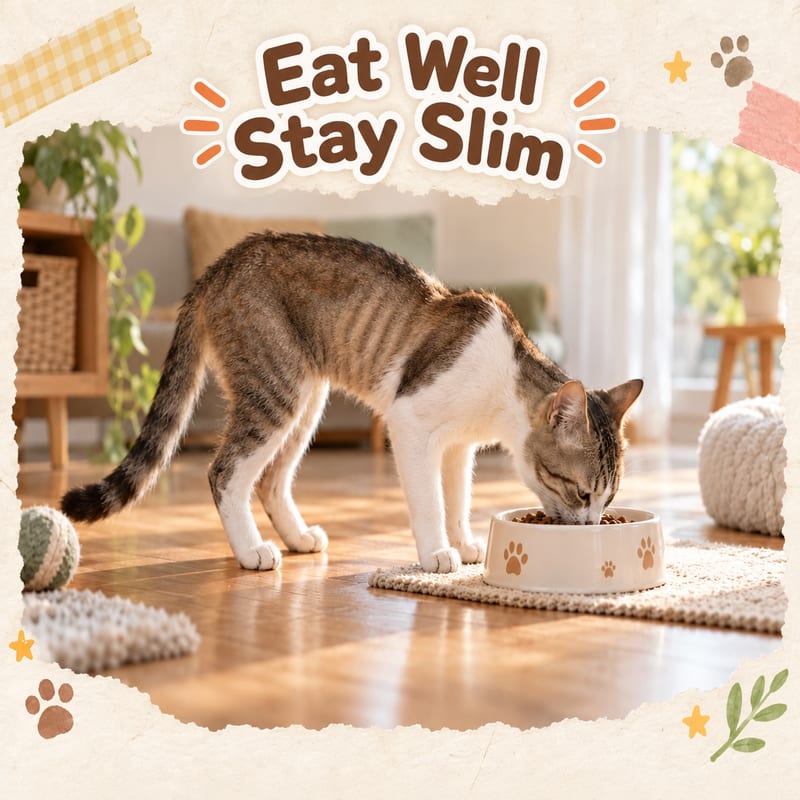
1. Huge appetite but getting thinner
This is the most typical symptom of hyperthyroidism. Due to accelerated metabolism, cats continue to lose weight even though they eat more than before. If you notice your cat eats a lot every day but feels thinner and thinner, pay special attention. It is recommended to weigh your cat at a fixed time every week and record it. For specific methods, please refer to 《Cat Weight Management Guide | Ideal Weight Calculation, Obesity Warning Signs, Scientific Feeding Guide》.
2. Significantly increased water intake and urination
Excess thyroid hormones can affect kidney function, leading to increased water intake and urination. If you find that the water bowl empties much faster than before, or the litter box is often soaked, this may be an important warning sign. For daily reference, see 《What to Do If Your Cat Doesn't Drink Water? Vet Teaches 7 Ways to Increase Water Intake | Complete Guide to Dehydration Symptoms and Kidney Disease Prevention》 to establish a water observation habit and also monitor kidney health.
3. Restlessness and hyperactivity
Hyperthyroidism puts cats in a state of constant excitement, manifesting as restlessness, hyperactivity, and even increased abnormal vocalization. Some cats become agitated and unable to rest quietly.
4. Rough coat and increased shedding
Abnormal metabolism affects the cat's skin and coat health. Originally smooth fur may become rough and dull, and even large areas of hair loss may occur. This is because although nutrients are adequately ingested, they cannot be effectively utilized by the body.
5. Vomiting and diarrhea
Excess thyroid hormones can stimulate the digestive system, causing vomiting or diarrhea. If these digestive problems occur together with the other symptoms mentioned above, you should be highly vigilant.
Diagnosis and Treatment Methods
Once you suspect your cat has hyperthyroidism, take it to a veterinary clinic for examination immediately. Diagnosis usually includes blood tests (measuring thyroid hormone T4 levels) and a physical examination.
Medical Therapy: Medication Control
The most common treatment is the use of antithyroid drugs, which control the condition by inhibiting thyroid hormone secretion. These drugs usually need to be taken long-term, and the veterinarian will adjust the dose according to the cat's condition. The advantage is non-invasive, but regular follow-up monitoring is required.
Surgical Therapy: Surgical Removal
For cases where medication control is ineffective, surgical removal of the enlarged thyroid tissue can be considered. The success rate is relatively high, but it requires anesthesia and is suitable for cats in stable health.
Radioactive Iodine Treatment
This is a more advanced treatment method that selectively destroys overactive thyroid tissue with radioactive iodine. The treatment effect is good and the recurrence rate is low, but it needs to be performed in a specialist hospital with relevant equipment.
Dietary Management
A low-iodine diet is an important part of adjunctive treatment. Prescription foods specifically designed for hyperthyroid cats are available on the market, which control thyroid hormone production by limiting iodine intake.
Comparison Table of 4 Major Treatment Methods
| Treatment Method | Principle | Advantages | Limitations | Suitable Situations |
|---|---|---|---|---|
| Antithyroid drugs | Inhibit thyroid hormone secretion | Non-invasive, adjustable dose | Requires long-term daily medication, regular blood tests | Initial diagnosis, mild to moderate cases, unstable kidney function |
| Surgical removal | Remove enlarged thyroid tissue | One-time treatment, quick results | Requires general anesthesia, possible recurrence | Medication ineffective, obvious mass, stable health |
| Radioactive iodine treatment | Radioactive iodine destroys overactive tissue | High success rate, low recurrence | Requires specialist hospital, higher isolation costs | Seeking helps manage, other methods failed |
| Low-iodine prescription food | Limit iodine intake to reduce hormone production | Non-invasive, strong adjunctive effect | Must completely replace regular food | Combined with medication, mild cases |
Prevention and Daily Observation
Although hyperthyroidism cannot be completely prevented, regular health checks and daily observation can help with early detection. It is recommended to take senior cats (over 8 years old) for a comprehensive annual check-up, including blood tests. For more daily care tips for senior cats, please refer to 《What to Do When Your Cat Gets Old? Complete Senior Cat Care Guide | 10 Aging Warning Signs + Daily Care Guide》.
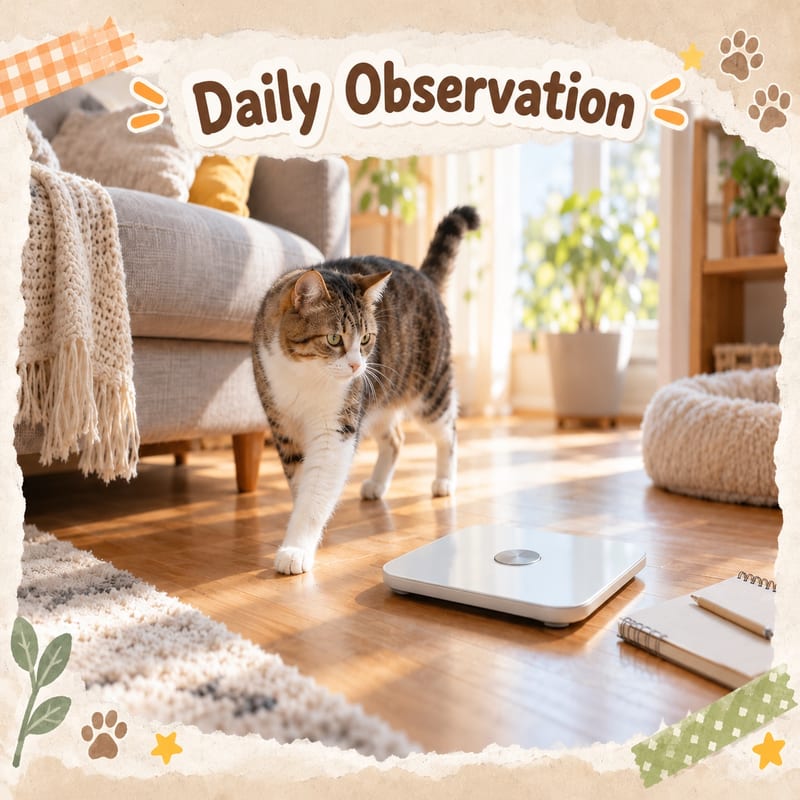
Key points for daily observation include: regularly recording the cat's weight changes, paying attention to water intake and urination, and observing appetite and mental state. If you notice any abnormalities, consult a veterinarian promptly.
Key Summary
✅ For cats over 8 years old, 'huge appetite but getting thinner' is the most typical warning sign of hyperthyroidism; blood test (T4) should be done as soon as possible. ✅ Increased drinking and urination, abnormal restlessness, and increased vocalization are all early chain signals. ✅ Hyperthyroidism cannot be cured but can be effectively controlled. The four major options—medication, surgery, radioactive iodine, and low-iodine prescription food—are chosen according to the situation. ✅ Weighing regularly every week + recording water intake is the earliest home detection system. ✅ For senior cats, basic check-ups every six months and comprehensive annual examinations including thyroid function tests are recommended. ❌ Do not mistakenly think 'good appetite = healthy' and ignore continuous weight loss. ❌ Do not stop medication or adjust dosage on your own; thyroid medication must follow veterinary instructions.
PetChill's Reminder
Although hyperthyroidism is common in cats, with early detection and active treatment, your cat can still enjoy a healthy and happy life. Remember, regular check-ups and careful observation are the best ways to protect the health of senior cats.
To learn more about cat health, stay tuned for the latest articles from PetChill!
Related Products and Hong Kong Purchase Reference
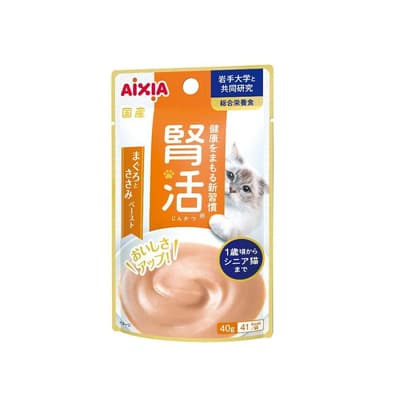
- AIXIA Renal Care Complete Wet Food Pouch Tuna + Chicken Paste 40g (reference price HK$8.5)
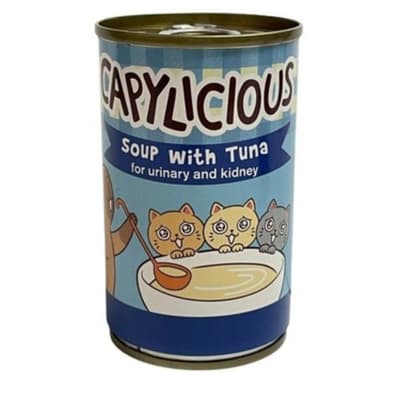
- Capylicious Hydration Soup Can Tuna 140g (reference price HK$14)
- PetLine Medyfas Renal & Urinary Support Bonito & Flying Fish 6g×8 (reference price HK$16)
Hong Kong Practical Points
- During treatment, regularly check T4 and kidney values; they affect each other.
- Increased appetite but weight loss should not be taken as 'good eating'.
- Radioactive iodine requires referral; not every clinic in Hong Kong provides it.
The above is general information and does not replace veterinary diagnosis; if your cat has persistent symptoms, please take it to a veterinary clinic as soon as possible.
 Feline Natural full guide →
 AIXIA full guide →
 Fuji One full guide →