Quick answer: For cats with chronic diseases, the question isn't whether a diet is "good" but whether it "matches the condition": kidney disease requires phosphorus control, diabetes requires carbohydrate control, heart disease requires attention to taurine and salt, and pancreatitis requires low fat. Always transition food gradually over 7 to 10 days; a sudden switch will only cause food refusal. Prescription diets generally require veterinary confirmation before purchase, and any supplements need veterinary approval—do not add them yourself.
Four types of chronic disease diets at a glance
| Disease | Dietary focus | Watch out for | Common misconception |
|---|---|---|---|
| Chronic kidney disease | Control phosphorus, moderate protein, increase water intake | Phosphorus is key to slowing progression | "The lower the protein, the better" |
| Diabetes | Control carbohydrates, stabilize meal times | Must coordinate with insulin schedule | "Eating less will help manage it" |
| Heart disease | Sufficient taurine, control salt, maintain weight | Obesity increases cardiac workload | "Heart supplements can replace medication" |
| Pancreatitis | Low fat, small frequent meals | Acute phase requires veterinary management | "High-fat canned food is more nutritious" |
A cat can have two diseases at once (e.g., kidney disease + heart disease), and the formula must be adjusted by a veterinarian according to priorities; do not mix two prescription diets yourself.
Kidney disease cats: phosphorus and water are key
The book Cat Family Medicine Encyclopedia mentions that cats with renal insufficiency need dietary therapy combined with fluid therapy, and phosphorus control is an important part of slowing progression. Practical approach:
- Choose a low-phosphorus formula; do not mix in regular canned food or treats on your own.
- Protein should be adjusted according to stage; do not reduce it too low, or muscle loss will accelerate.
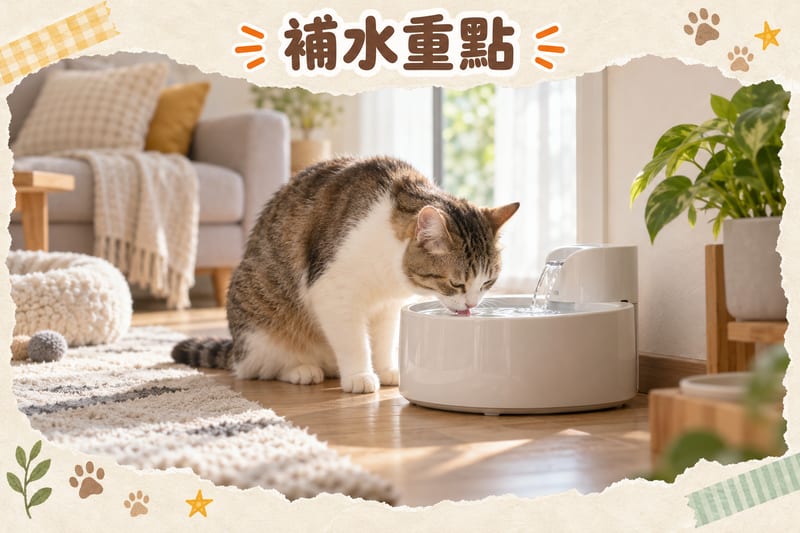
- Prioritize water: wet food, soup cans, adding water to food—aim to meet daily total water intake.
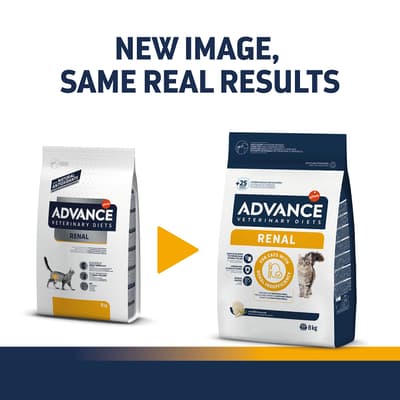
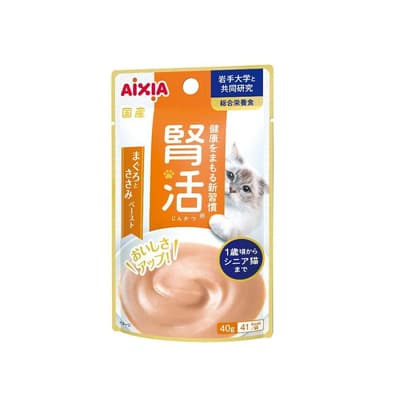
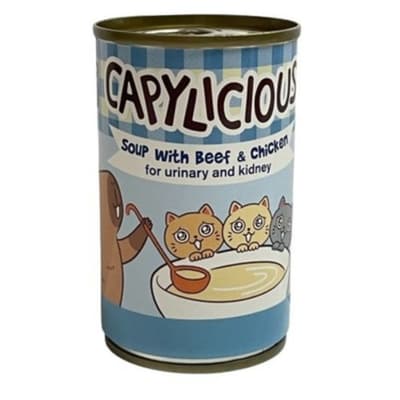
Locally available kidney-related options: ADVANCE Prescription Diet Feline Renal 8kg (reference price HK$980, suitable for multi-cat or long-term use), AIXIA Renal Active Complete Wet Food Pouch 40g (reference price HK$8.5, small portion for trial), Capylicious Hydration Soup Can Beef & Chicken 140g (reference price HK$14, for hydration and enticing eating).
Diabetes cats: low carb + fixed times
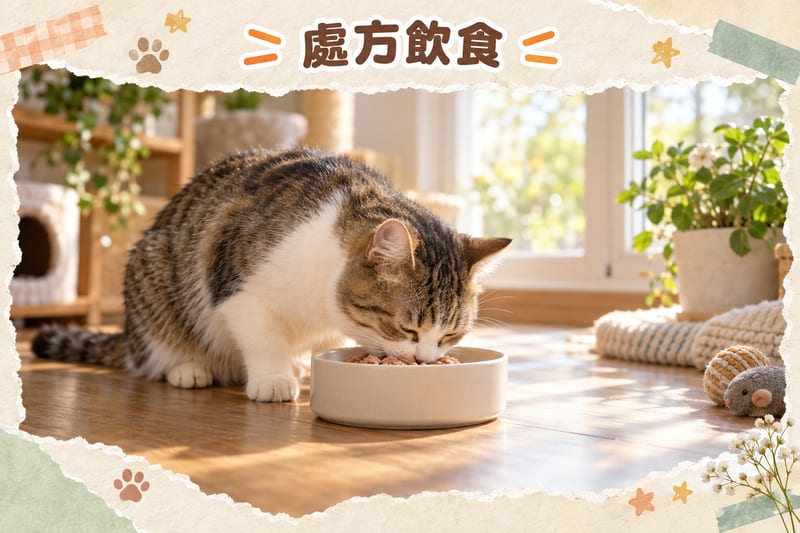
The dietary focus for diabetic cats is low carbohydrate, moderate protein, and meal times coordinated with insulin. If a cat refuses food after an injection, the risk of hypoglycemia increases, so "stable food intake" is more important than "reducing food." In Hong Kong, the usual practice is to feed and inject twice daily, morning and evening, without adding high-carb treats in between.
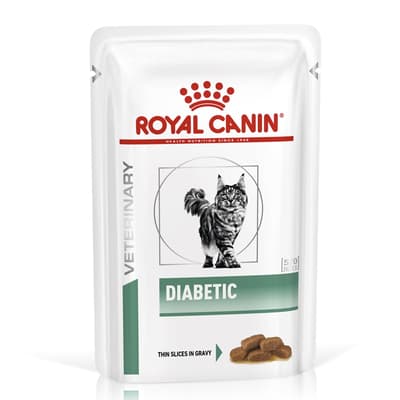
Locally available examples: RC Wet Food Diabetic Gravy 85g (reference price HK$19), Disugual Diabetic Formula Duck 85g (reference price HK$8). These formulas are prescription-level; always confirm dosage and schedule with your veterinarian before use.
Heart disease and pancreatitis: one high, one low
- Heart disease: Ensure complete food has sufficient taurine, control salt, and avoid excess weight. Cats with heart failure may need a salt-restricted prescription diet.
- Pancreatitis: Focus on low fat and small frequent meals. The acute phase usually requires veterinary arrangements for fluids and fasting; only during recovery should low-fat food be gradually introduced. Feeding high-fat canned food on your own will worsen the condition.
Hong Kong prescription diet process
- Veterinarian diagnoses and issues a prescription (some clinics specify brand and formula).
- Take the prescription to a store or order online; some platforms require clinic details.
- Upon receiving the food, check the batch and expiry date; prescription diets should not be stored together with regular food.
- At regular follow-ups, review whether a different stage formula is needed (e.g., kidney disease moving from early to mid-stage formula).
If the clinic does not specify a brand, you can take the nutritional requirements from your veterinarian (phosphorus content, fat percentage) to choose the corresponding product; do not just look at "kidney care" or "heart care" on the packaging.
7 to 10 day gradual transition method
| Day | Old food | New food | Observe |
|---|---|---|---|
| Days 1-3 | 75% | 25% | Bowel movements, vomiting |
| Days 4-6 | 50% | 50% | Appetite, energy |
| Days 7-9 | 25% | 75% | Picky eating |
| Day 10 | 0% | 100% | Weight, water intake |
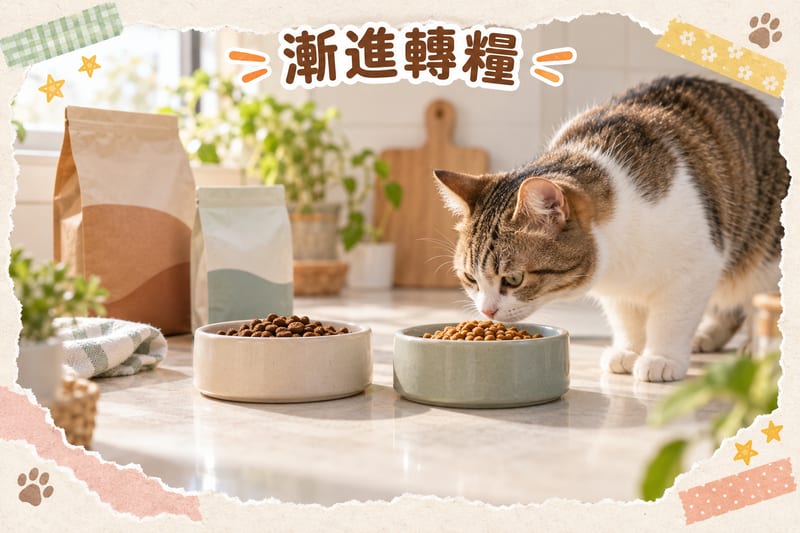
If soft stool or food refusal occurs, go back to the previous stage for two to three more days. During the transition, do not simultaneously change litter, change environment, or vaccinate to avoid multiple stresses.
Feeding tips: getting your cat to eat
- Temperature: Warm slightly to about 37°C (not hot to the touch); aroma will increase.
- Texture: The same formula may come as pate, chunks, or shreds; cats usually have a preference.
- Dishes: Shallow dishes are better than deep bowls so whiskers are not pressed.
- Environment: Quiet, away from the litter box; in multi-cat households, feed separately to avoid competition.
- Medication mixing: First ask your veterinarian if you can use empty capsules or medicated treats; do not rely on canned food to mask taste long-term, as the medicine taste may cause the cat to refuse that canned food later.
How to calculate calories: how much to feed daily
You cannot feed a chronically ill cat "by feel." The basic approach is to calculate resting energy requirement first, then adjust according to target weight and activity level:
- RER (Resting Energy Requirement) = 70 × body weight (kg)^0.75
- Daily calories (MER) = RER × activity factor (generally about 1.0 to 1.2 for adult cats; lower factors used during weight loss)
Example: A 4 kg cat, RER ≈ 70 × 4^0.75 ≈ 198 kcal. If using an activity factor of 1.0, the daily target is about 198 kcal, then convert to grams based on the calories per 100g on the packaging.
Three practical points:
- Weight loss must not be fast: Weekly loss should be moderate; rapid dieting in cats carries liver risks.
- Prescription diets have different calorie density: After switching formulas, recalculate; do not use the same portion as before.
- Weigh food with a scale: Measuring cups can be off by 20%; an electronic scale is most accurate.
The above formula is a reference; actual portions should be adjusted by your veterinarian based on condition, weight trend, and activity level.
Common misconceptions
| Misconception | Reality |
|---|---|
| "Eating less will help manage the disease" | Chronically ill cats are most at risk of malnutrition and muscle loss; reducing food requires veterinary instruction |
| "Canned food is always better than dry food" | The focus is on formula and water content, not dry vs. wet form |
| "Grain-free is always suitable" | Grain-free does not mean low phosphorus or low carb; check the nutritional table |
| "Adding supplements makes it more nutritious" | Random additions can affect phosphorus, protein, and fat ratios |
How to use complementary wet food, soup cans, and treats
Chronically ill cats are most easily disrupted by "enticing" foods. Distinguish these three categories:
| Type | Nutrition | Use | Note |
|---|---|---|---|
| Complete wet food | Complete and balanced | Can be a long-term main meal | Check ingredients and nutritional standards |
| Complementary wet food / soup cans | Incomplete | Hydration, enticing eating, mixing medication | Cannot be a long-term main meal |
| Treats | Single or few ingredients | Training rewards | Within 10% of daily calories |
Practical approach: Soup cans with added water can be a "hydration meal"; treats should be given at fixed times and amounts, and deducted from daily total calories. If treats cause the cat to eat less prescription food, treatment effectiveness will be affected.
Also, do not mix food with human soups or meat juices. Common Hong Kong roast meat sauces and chicken broth are high in salt and unsuitable for cats with heart disease or kidney disease.
Frequently asked questions
Q: Can I cook homemade food? A: Homemade diets for chronically ill cats require strict calculation of phosphorus, calcium-phosphorus ratio, taurine, and calories; self-formulated diets are easily unbalanced and can worsen the condition. If you must feed homemade food, have the recipe designed by a veterinarian or pet nutritionist.
Q: Can prescription food be mixed with regular food? A: Long-term mixing is not recommended because it dilutes the control effect of the prescription diet (e.g., phosphorus content is raised). Short-term mixing during transition is acceptable, but during stable periods the prescription formula should be the main food.
Q: My cat won't drink water; does adding broth help? A: It helps, but watch the salt content. Choose salt-free soup packets or mix with warm water; this is safer than adding human soup ingredients.
Key summary
- ✅ Chronic disease diets must match the condition: phosphorus, carbs, fat, and salt each have their focus
- ✅ Transition food gradually over 7 to 10 days; sudden changes cause food refusal
- ✅ Prescription diets generally require veterinary confirmation; ask your clinic before ordering
- ✅ Complete wet food can be a main meal; complementary wet food is only for enticing eating and hydration
- ✅ When two diseases coexist, the formula should be determined by a veterinarian according to priorities
- ❌ Do not mix two prescription diets yourself or randomly add supplements
- ❌ Do not feed only complementary wet food as a main meal long-term
The above is general information and does not replace veterinary diagnosis; if your cat has persistent symptoms, please take it to a veterinary clinic as soon as possible.
Further reading: Cat Chronic Kidney Disease Care Guide, Cat Kidney Disease Low Phosphorus Diet Guide, Early Warning Signs of Chronic Disease in Cats, Complete Cat Nutrition Guide, Checklist for Taking Your Cat to Follow-up Visits
 Feline Natural full guide →
 AIXIA full guide →