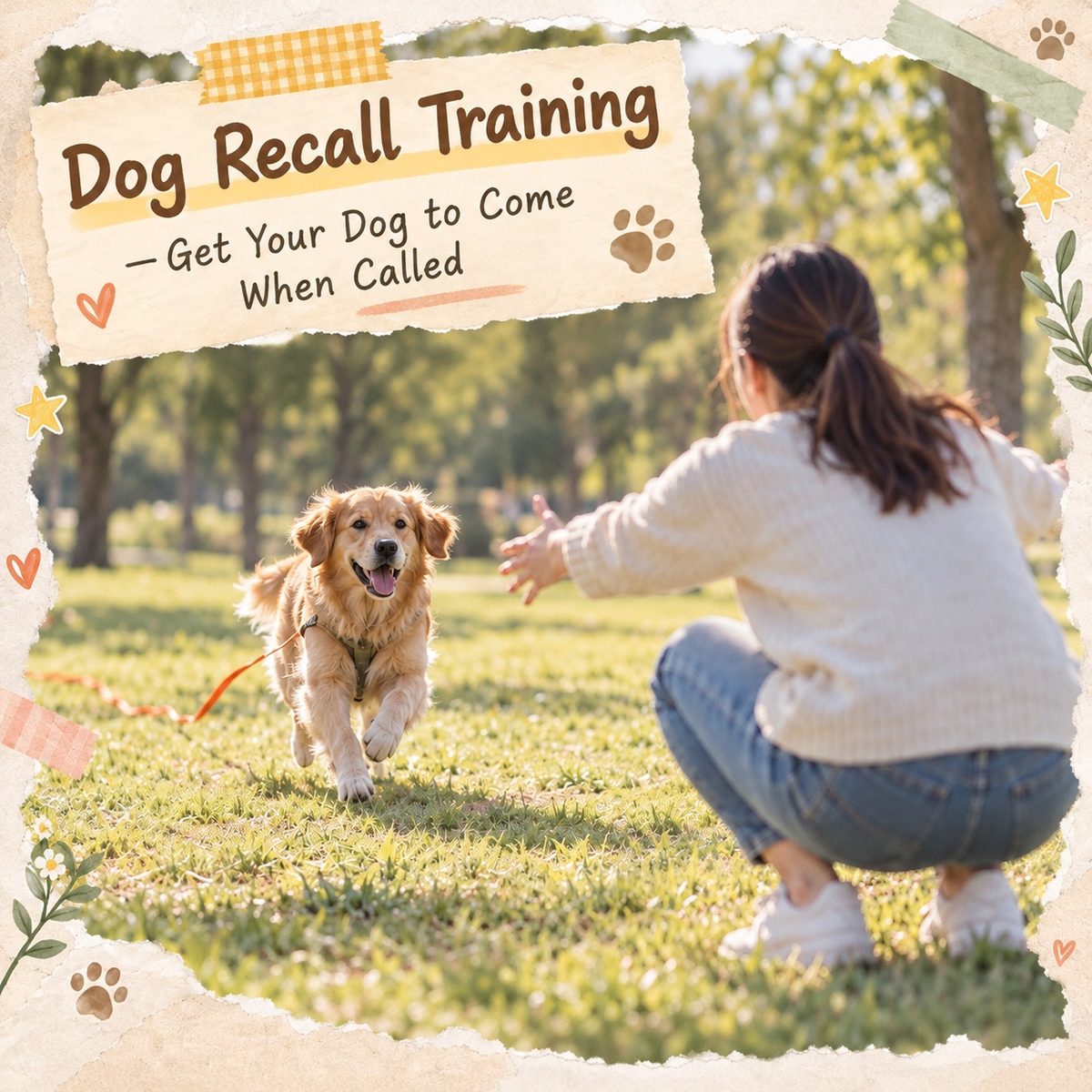
Quick answer: Recall (coming when called) is a life-saving skill. The book method: choose a clear, consistent cue (e.g. "Here" or a whistle) → start at 3 metres during mealtimes → reward only when the dog comes to you → once solid indoors, transition outdoors with a 10-15 metre long line. Three golden rules: don't reach for the dog before it arrives, don't do something it dislikes after calling it back, and all family members use the same cue.
Step 1: Choose a good cue
Requirements from the book How to Train a Puppy:
- Clear and consistent: use the same word every time—don't say "come here" today and "come" tomorrow.
- Not used in daily life: the book specifically warns that words like "come here" are used all the time in everyday speech and cause confusion; use a dedicated word like "Here" that can be stretched out in an encouraging tone.
- Whistle: can be an alternative signal and carries further. First build the association with one or two repetitions of "whistle → treat", and keep two identical spare whistles.
Step 2: Practise at mealtimes (book method)
The book's starting point is to link "recall" with "dinner":
- Clear the environment first: remove distractions.
- You prepare the food (stand in the kitchen), while another family member holds the dog's collar or harness at a distance of about 3 metres.
- Don't give other cues (don't ask for a sit).
- Give the cue once (or blow the whistle) → dog runs to you → reward immediately (with that meal's food).
- Repeat a few times, then do it before every meal.
Step 3: Move beyond mealtimes and practise anytime
The book's next stage:
- Keep treats in your pocket: call the dog at any time (not just mealtimes) and reward when it arrives.
- Get attention before calling: if the dog doesn't respond immediately, make a sound to get it looking at you, then give the cue again.
- Crouch down and wait: reward when the dog comes to you, then take hold of the collar and give a release signal.
- Add mild distractions: practise with other people around (children doing homework, someone sitting by the window).
- Don't grab the collar too early: the book explicitly says "Please don't grab it, it will come by itself"—grabbing early makes the dog feel forced and actually slows it down or makes it reluctant to come.
Step 4: Two-person family mode
The book's family version:
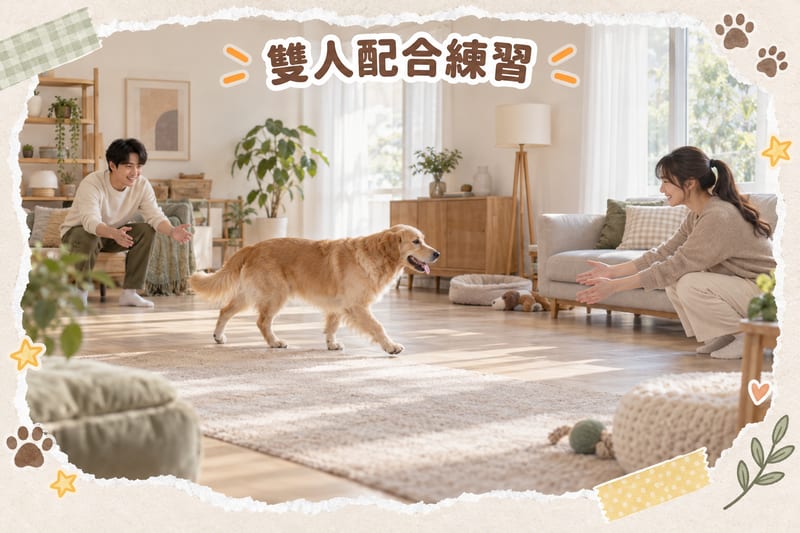
- One person holds the dog, the other runs a few metres away, crouches, and calls.
- To increase motivation, during the run you can wave a treat in front of the dog's nose without letting it eat—the faster it runs and the further away you are, the more it wants to catch you.
- Signals must be consistent across different trainers.
- Start at 3-4 metres, and only increase distance once solid.
- Use an encouraging tone; if you call while backing away, the dog will run faster.
- Even if perfect indoors, don't rush outside to practise.
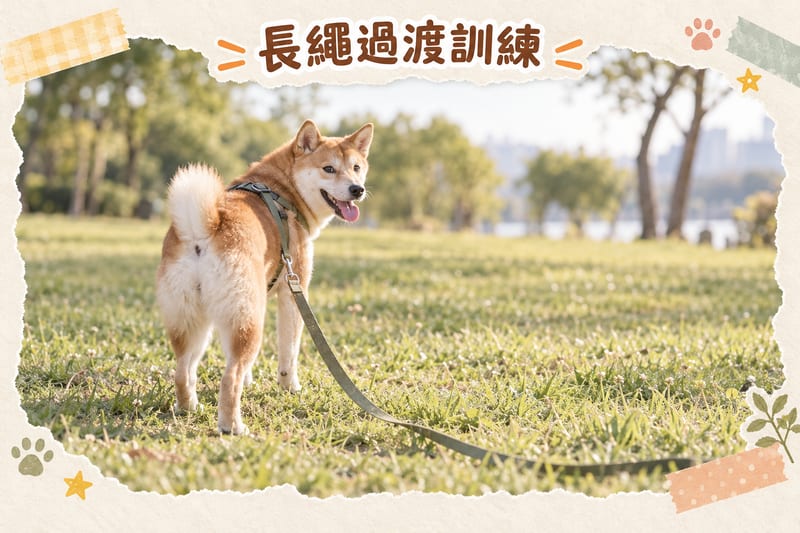
Step 5: Long line transition (book's 10-15 metre plan)
Learning to Talk with Your Dog offers an outdoor transition method:
- First attach a 10-15 metre long line.
- When the dog is playing intently, call its name or give the cue "come", then gently tug the long line to guide it back.
- Reward when it returns to you.
- Alternate between on-lead and off-lead until it comes reliably off-lead.
- Initially choose an enclosed space; don't practise when the dog is highly excited—save it for after play, on the way home (when it's tired).
- Keep cues and hand signals consistent; use hand signals in noisy environments; if the dog runs too far, use a dog whistle.
Combo: "Here" + "Sit"
The book teaches two details for this combo:
- Different tones: "Here" should be strong and enthusiastic; "Sit" should be relatively calm (calm doesn't mean indifferent).
- Reward order matters: reward "Here" first (immediately when the dog comes to you), then say "Sit"—if you wait for the sit before rewarding, you've inserted another action in between and the dog won't know what it's being rewarded for.
- Once the dog can chain them automatically (hears call → runs back → sits), you can reward once after the whole sequence.
Whistles are also great tools (book tips)
The book points out something many Hong Kong dog owners overlook: the recall cue doesn't have to be your voice—a whistle works too and carries further.
- Cue must be clear and consistent: the book suggests using a word like "Here" that doesn't appear in daily conversation; "come here" and "come" are used all the time when talking to the dog and cause confusion. You can stretch out the sound to make the signal stand out.
- Benefits of a whistle: the sound is steady, unaffected by your emotions (an anxious call and a happy call sound different, and dogs can tell), and it carries further—on large lawns like Tai Po Waterfront Promenade or Cyberport Waterfront Park, a whistle is more reliable than voice.
- How to start: buy two identical whistles as backups. First familiarise the dog with the whistle at home (blow once, immediately give a treat, repeat several times), then link the whistle with "come here for food"; the steps are exactly the same as the verbal cue version.
Practical Hong Kong scenarios
| Scenario | Method |
|---|---|
| Lift lobby | Short-distance recall + "sit" while waiting for the lift |
| Corridor / podium | 3-5 metre recall, alternate positions left and right |
| Estate lawn | 10 metre long line with treats |
| Pavement | Must use a lead; don't go off-lead until outdoor recall is solid |
| Hiking / countryside | Long line + dog whistle (use hand signals in noisy environments) |
Progression ladder: from 0 to outdoors
| Stage | Environment | Distance | Distractions | Criteria |
|---|---|---|---|---|
| 1 | Home (mealtimes) | 3 metres | None | Comes on first cue |
| 2 | Home (anytime) | 3-5 metres | Family moving around | 9 out of 10 times |
| 3 | Corridor / lift lobby | 3-5 metres | Mild sounds | 7 out of 8 times |
| 4 | Estate lawn (long line) | 10 metres | Pedestrians at a distance | 7 out of 8 times |
| 5 | Park (long line) | 10-15 metres | Other dogs, smells | 7 out of 8 times |
| 6 | Park (off-lead) | Random | Same as above | Stable for two consecutive weeks |
Progression rule: only move up a stage after three consecutive successful sessions; if you regress at any stage, go back one stage—don't push through.
To find suitable places to practise off-lead, check the list of pet gardens across Hong Kong and choose by district and facilities.
Four troubleshooting points for recall failure
- Reward isn't valuable enough: outdoor distractions are high, so upgrade the value of the reinforcer (chicken pieces > biscuits).
- The dog knows "come = playtime over": after calling it back, let it go play again—don't always clip on the lead and leave.
- Calling too many times: the cue loses value. Before calling, make sure the dog has a chance to respond; don't call while chasing.
- Jumping environments too fast: going straight from home to the park will usually fail.
Related cluster articles
- Dog training basics: training principles and schedules
- Positive reinforcement training: choosing reinforcers and timing
- Leash walking training: no pulling and road training
- Socialisation: preparing for distracting environments
- Barking control: what to do when encountering other dogs barking
- Toilet training: outdoor companion training
References
- Agriculture, Fisheries and Conservation Department (Hong Kong Government) — Pet Care Information
- Veterinary Surgeons Board of Hong Kong
- This article's key points are compiled from How to Train a Puppy (Katharina Schlegl-Kofler) and Learning to Talk with Your Dog (Gu Xuhua).
Related products (available in Hong Kong)
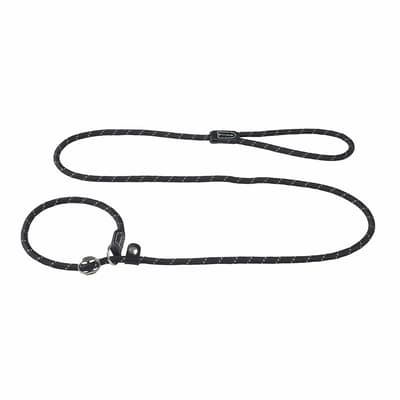
- ROGZ lead round rope training P-lead M (HLXR09) ($184)
- The Innocent Hound puppy training treats lamb & pea 70g ($75)
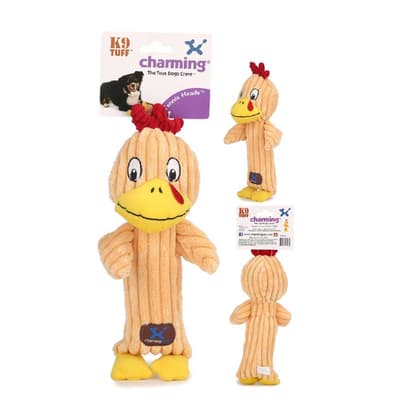
- Charming Pet selected dog training chew toy big head chicken ($60)
Prices checked on 2026-10-12; all in stock at retail stores.
The above is for reference only and cannot replace assessment by a veterinarian or professional trainer. Before going off-lead outdoors, ensure recall is solid and comply with relevant Hong Kong laws and venue rules.
📌 Key takeaways
- ✅ One cue for life—don't change the word
- ✅ Start at 3 metres + mealtimes
- ✅ Reward when the dog comes to you; don't grab the collar early
- ✅ Even if perfect indoors, transition with a long line before going outside
- ❌ Doing something the dog dislikes after calling it back
- ❌ Going off-lead outdoors before recall is solid
 Fuji One full guide →