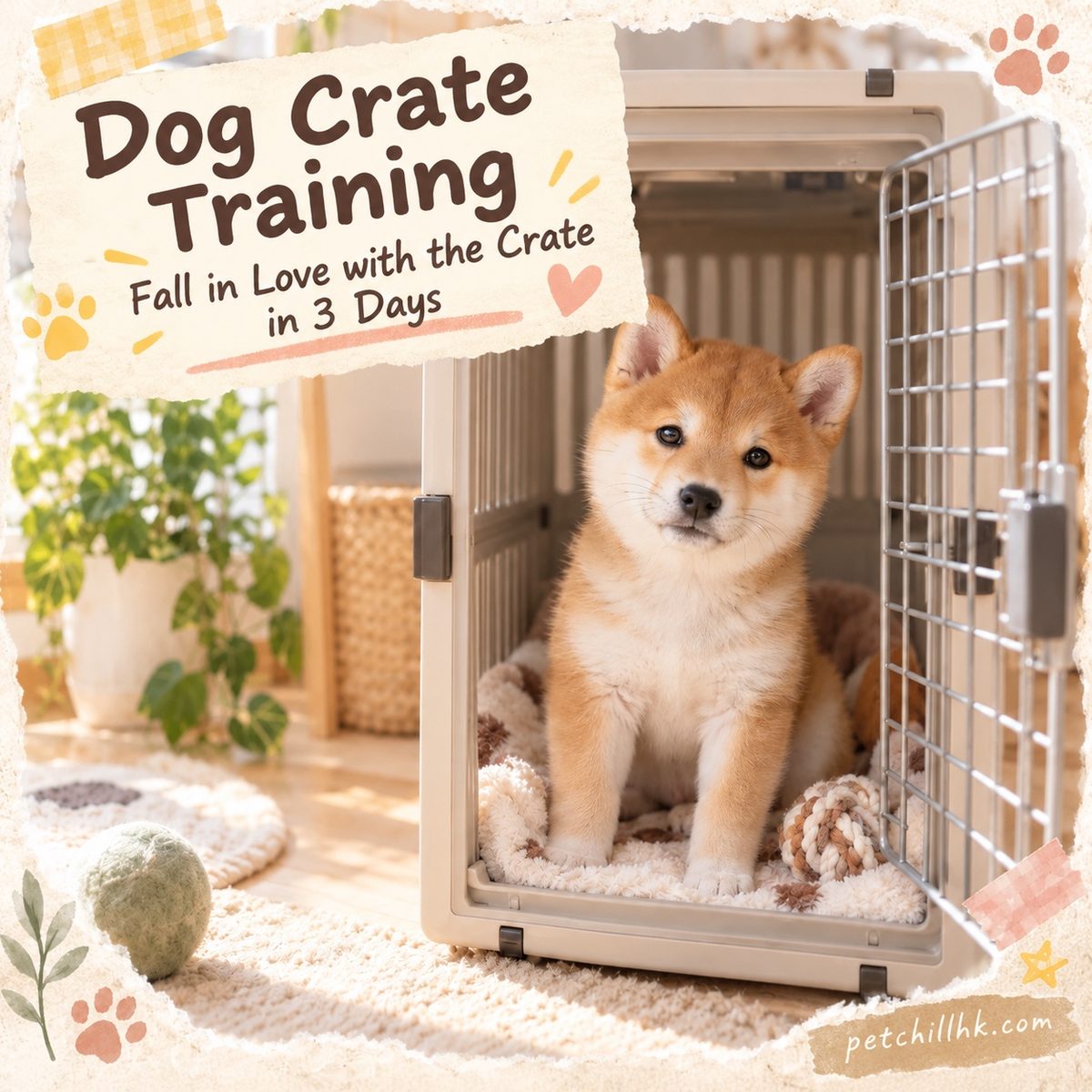
Quick answer: Just use the three steps—'build positive associations → gradually close the door → extend the time'—and make sure the whole family is consistent: 'ignore outside the crate, happy inside the crate'. Your dog will then see the crate as a safe den and stop barking naturally.
Dog Crate Training Guide: Make Your Dog Love the Crate and Stop Barking in One Go
Does your dog bark non-stop the moment they're put in the crate? Many owners think soothing or scolding will stop the barking, but these actions actually 'reinforce' the barking. Today, the PetChill editorial team will guide you through the correct crate training method so your dog loves the crate and stops barking!
Why do dogs bark in the crate?
There's a behavioural principle behind a dog barking after being put in the crate. When you hear barking and go to check—whether you soothe, talk to, or scold them—the end result is: the dog has successfully called you to them. Even if you go to scold them, for the dog this is still 'social contact', which reinforces the motivation to bark next time.
According to pet behaviour expert Dai Gengji's analysis, once a dog's barking behaviour is 'reinforced', it will become more severe each time. Every time you appear, whether through physical contact or verbal communication, this social contact makes the dog pause barking but reinforces the barking pattern for next time. So understanding this principle is the first step in crate training.
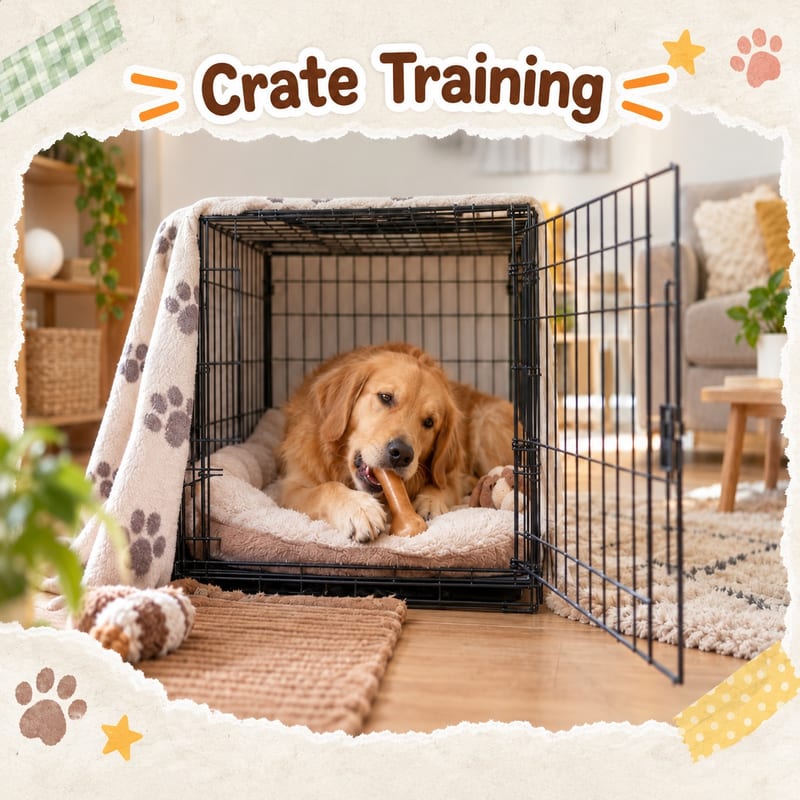 3 steps to make your dog love the crate
Step 1: Build positive associations
When your dog looks at the crate, toss a treat outside the crate to reward them, making them willing to approach. Once they're willing to approach, toss the food inside the crate so they go in to eat, but do not close the door. Don't feed any meal from a bowl; instead, toss kibble one by one into the crate so they get used to eating inside.
Step 2: Gradually close the door
When you notice your dog goes in, eats a piece, and doesn't rush out, you can move to the next stage. When they're inside, close the door and happily say 'good boy', while tossing food inside; after tossing, open the door. If they run out, wait for them to go back in—repeat the same action each time they enter. When they can stay inside without running out, toss five pieces of food through the crate door, wait until they finish, then open the door.
Step 3: Extend crate time
Once your dog is used to going into the crate, you'll find they run in whenever they have nothing to do. At this point, you can close the door when they enter, then go get food for them, and open the door after they eat. From quickly getting food to gradually extending the time, your dog will think 'door closed = owner goes to get good stuff for me', and naturally won't fear the crate. When you see them go into the crate voluntarily, gently and happily say 'good boy', continuously reinforcing this behaviour positively.
 Key strategy for family consistency
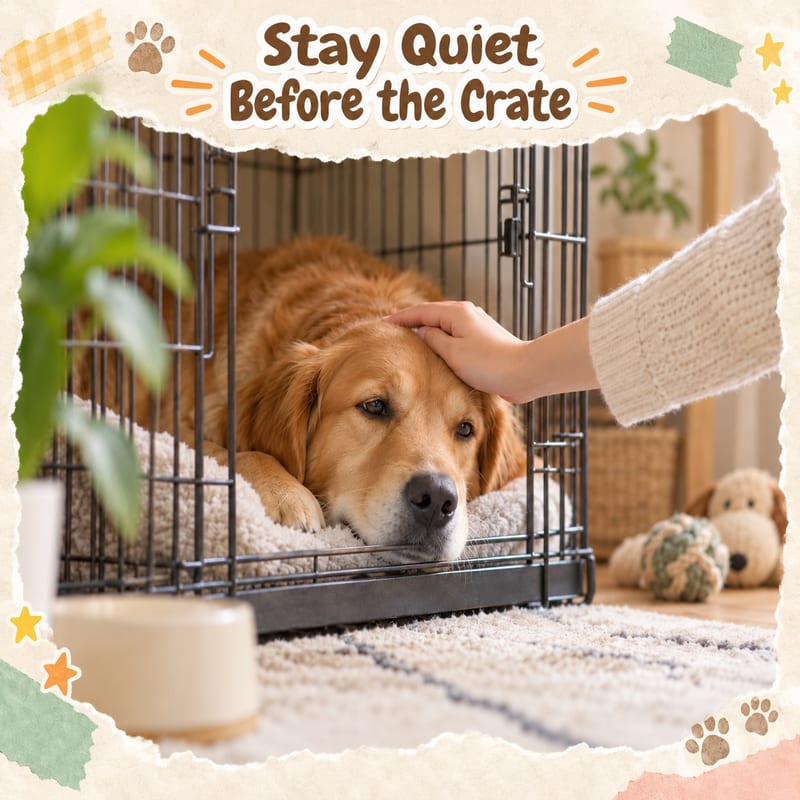
To strengthen the no-barking behaviour, the whole family must be consistent. When the dog is outside the crate, treat them with 'indifference'; when inside, give 'happy' attention and praise. If you want to interact with them outside, first have them in the crate; when you ask them to interact, wait until they leave the crate and are outside before interacting, rather than interacting when they come out on their own. If the whole family sticks to this single standard, within a few days your dog will absolutely not bark when crated.
You can also put their favourite toys and food in the crate, then close the crate so they can't get them. There's only one way to get them—go into the crate and close the door. Outside the crate there's no social interaction, no food, no toys; inside the crate there's everything. But be careful: never let them grab the toy and dash out, otherwise the problem will take forever to solve.
FAQ
Q: What if my dog doesn't like treats?
A: Try higher-value foods like boiled chicken breast or freeze-dried treats. Every dog has different preferences, so experiment to find their ultimate reward. If your dog refuses all food, consult a veterinarian to rule out health issues.
Q: At what age can I start crate training?
A: Puppies can start crate training from 8 weeks old; the earlier, the better. Adult dogs can also be trained, but they need more patience. Keep sessions short: 5-10 minutes for puppies, 15-20 minutes for adults.
Q: What if my dog toilets in the crate?
A: The crate should be just big enough for your dog to stand, turn around, and lie down; if it's too big, they may toilet in a corner. If accidents happen, the crate may be too large or your dog may have been left too long. Puppies need a toilet break every 2-3 hours.
Q: How long does crate training take?
A: It usually takes 1-2 weeks of consistent training. Each dog adapts at their own pace; sensitive dogs may need longer. The key is patience—don't rush, and daily practice gives the best results.
Q: Should I crate my dog at night?
A: In the early stages, place the crate next to your bed so your dog can sense your presence. Once they're fully comfortable, you can gradually move the crate to your preferred spot. Nighttime crating helps establish a routine and prevents puppies from chewing things overnight.
PetChill's Reminder: The essence of crate training is to make the crate a 'safe den', not a punishment tool. With positive reinforcement and a consistent family approach, your furry friend will soon love their little space! Remember, patience and consistency are the keys to success 🐶
Book breakdown: Why do they bark when crated? (Dai Gengji's '100 Behaviour Problems')
The book's explanation is straightforward: the crate is 'social isolation' for the dog—even if that's not your intention. And every time they bark, you go over (even to scold them), which to them means 'I can call a human over', so barking is reinforced. The book puts it in one sentence: 'You are not stopping the behaviour, you are strengthening it.'
So the approach is not 'stop the barking', but to make them feel 'I like it inside, I don't want to come out'.
Make your dog love the crate: the book's five steps (step-by-step)
- Toss treats outside the crate: When they look at the crate, toss treats outside—build 'approaching crate = good things'
- Toss treats inside: Once they're willing to approach, toss treats inside the crate and let them go in to eat; don't close the door
- Feed entire meals in the crate: From then on, don't feed any kibble from a bowl; toss piece by piece into the crate and let them go in to eat
- Reward upon entering: When they finish eating and don't rush out, close the door + happily say 'good boy' + toss treats inside, then immediately open the door (whether they come out or not)
- Extend stay: When they start not rushing out, toss five treats in a row through the crate door, and only open the door after they finish
The book's observation: when entering the crate means food and social contact, the dog will unconsciously want to go in.
The other side of the crate: a 'do not disturb' haven
'How to Train Your Puppy' reminds us: dogs naturally like cave-like spaces and will quickly see the crate as their own little den. Besides helping with nighttime toilet training, the crate is also—a place to hide when children visit and constantly tease them; a safe spot when you're busy (e.g., on the phone); a place to rest when tired from play, and they'll soon be full of energy again. The key: the crate is not a prison, it's their own room.
Practical checklist for small Hong Kong flats: 3-day results version
Hong Kong living spaces are small—the living room might be just over a hundred square feet—but that doesn't mean crate training is impossible. Here's a 3-day routine designed for Hongkongers; 90% of dogs will stop barking within 3 days if you follow it.
Day 1: Choose location + set up
- Pick a corner your dog already likes to stand in (e.g., beside the sofa), place the crate door facing the living room so they can see family activity and feel less lonely.
- Put an old T-shirt with your scent at the bottom of the crate, plus a thin towel mat—enough cushioning without being too stuffy.
- All day, toss kibble piece by piece through the crate door, never closing the door, letting them go in and out freely.
Day 2: Close door + timing
- When your dog is willing to eat calmly in the crate, start 'quick close, quick open': as soon as they go in, close the door for two seconds, then open and reward with a treat. Repeat ten times.
- Then extend to five seconds, ten seconds... Before each extension, make sure the dog hasn't barked. If they bark, stop immediately and wait until they're quiet before starting again.
- At night, place the crate by your bed with a dim light on, so they can sense your scent and voice, reducing night frights.
Day 3: Out of sight + real practice
- Before going out to buy breakfast in the morning, call your dog into the crate, close the door, and slowly eat a high-value treat (e.g., freeze-dried chicken breast) in front of them; open the door only after finishing.
- Go out for five minutes and come back; if the dog hasn't barked, praise and reward immediately. Gradually extend the time out to fifteen minutes, half an hour.
- All day, maintain 'zero interaction outside the crate': even if they walk around the living room, pretend you don't see them; as soon as they enter the crate, reward immediately. After three days, they'll naturally go to the crate to sleep.
Special notes for Hongkongers
- If you live in a walk-up building with loud stair noises, add a soft pad on top of the crate to absorb sound and reduce external stimuli.
- Air-conditioning blowing directly on the crate can make the dog shiver; adjust the vent or add a wind deflector.
- If management or neighbours complain about barking, first check whether you've been soothing the dog when they bark; as long as you stick to 'ignore no matter how much they bark', the number of complaints usually drops sharply within three days.
| Training stage | Target behaviour | Key actions | Common mistakes |
|---|---|---|---|
| Step 1: Build positive associations | Dog approaches crate voluntarily | Toss kibble piece by piece into crate, don't close door | Pour all food in at once |
| Step 2: Gradually close door | Dog willing to stay in crate | Close door and reward immediately, open door after eating | Petting the dog as soon as they come out |
| Step 3: Extend time | Dog enters crate voluntarily for reward | Gradually lengthen 'getting food' time | Locking for too long before they're stable |
Further reading
📌 Key takeaways
- ✅ Ignore outside the crate, be happy inside; the whole family must be consistent
- ✅ Toss each meal's kibble piece by piece into the crate to build positive associations
- ✅ Gradually close the door and extend time, so the dog expects 'door closed = good things'
- ❌ Never soothe or scold because of barking, or you're rewarding it
- ❌ A crate that's too big will make the dog toilet inside
Coordination with the cluster
This article is part of the 'dog training' cluster: Dog Training Basics (overview), Leash Walking Training, Crate Training, Barking Control, Separation Anxiety, Biting Correction, Toilet Training, Socialisation, Recall Training, Positive Reinforcement Training. For related behaviour issues, see: Jumping Up Correction, Destructive Behaviour Correction, Calming Signals.
References
- Agriculture, Fisheries and Conservation Department (Hong Kong Government) — Pet Care Information
- Veterinary Surgeons Board of Hong Kong
- This article's knowledge points are compiled from dog training books such as 'Dai Gengji Teaches You to Effectively Solve 100 Behaviour Problems in Dogs', 'Don't Shoot the Dog', 'How to Train Your Puppy', and 'Learn to Communicate with Your Dog'.
The above content is for reference only and cannot replace assessment by a veterinarian or professional trainer. If your dog shows aggression, self-harm, or persistent anxiety, please consult a registered veterinarian or certified trainer.
Related products (available in Hong Kong)
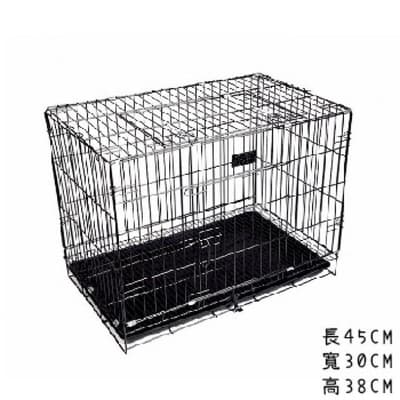
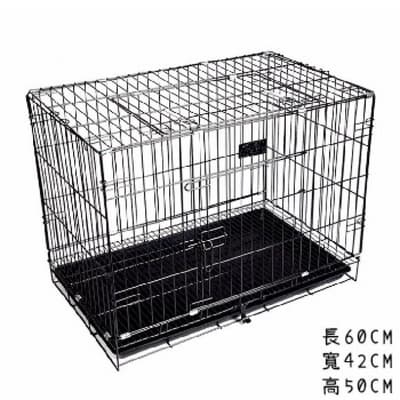
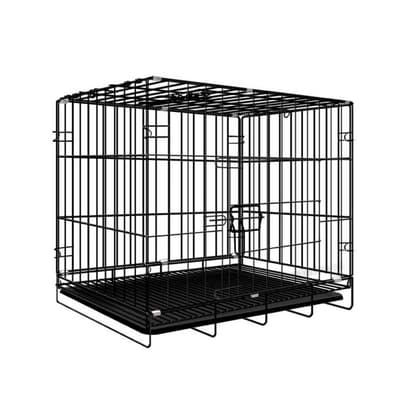
The crate size should allow them to stand up, turn around, and lie down with limbs stretched (the book reminds: too small causes compression, too big leads to toileting inside):
- Small pet crate (L50×W32×H38cm) ($98)
- Medium pet crate (L61×W42×H50cm) ($160)
- Large pet crate (L70×W50×H60cm) ($270)
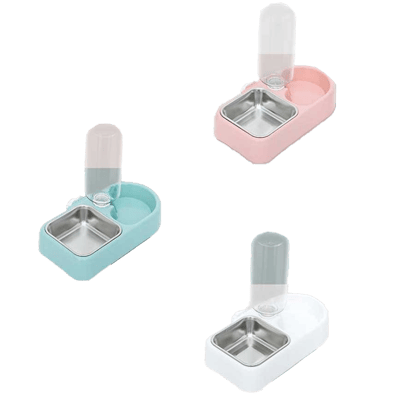
- Hanging feeder/waterer (for crate use) ($48)
Prices checked on 2026-10-12; all in stock at retail stores.
 Fuji One full guide →