Quick answer: Master the five keys—fixed location, fixed cue, scheduled outings, immediate reward, and quick night-time trips—and watch for signs like circling and sniffing. Most puppies can learn to toilet in the right spot within 2 to 4 weeks.
Introduction
When you first bring a puppy home, the biggest headache is often "he's peed indoors again!". Dog toilet training is a must for every dog owner and the first step in building trust. The good news is that dogs have a natural cleanliness instinct—they don't want to dirty their sleeping area. With the right method, cue training and a regular routine, most puppies can learn to toilet in the right spot within 2 to 4 weeks. This article distils the essence of two authoritative training books, How to Train a Puppy and Dai Gengji Teaches You How to Effectively Solve 100 Dog Behaviour Problems, and walks you through step by step.
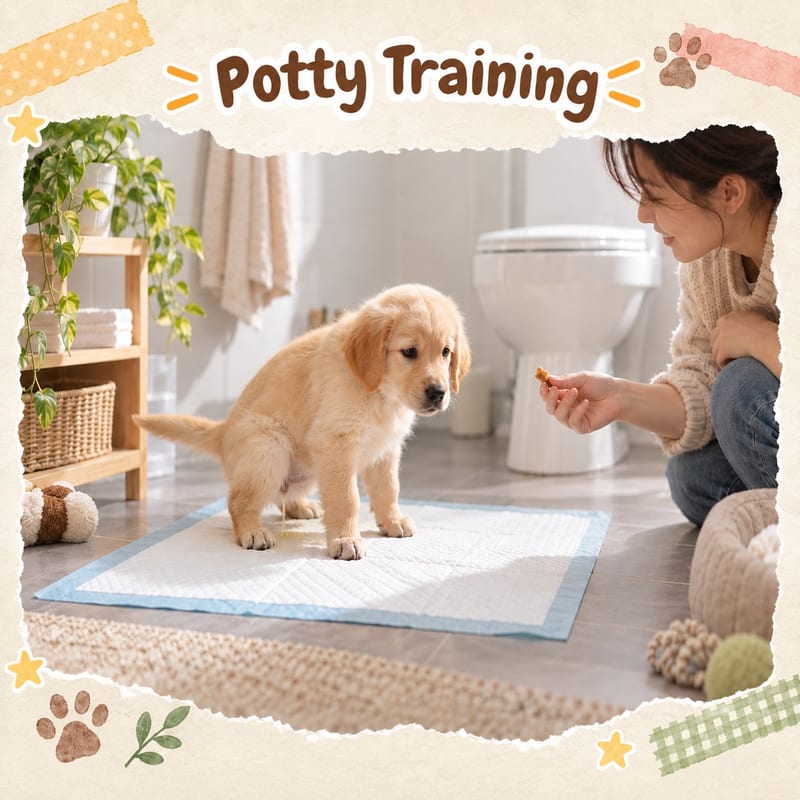
Why do dogs urinate indoors? Understanding the core principles of toilet training
Puppy physiological limits
Puppies have limited bladder control; generally, a puppy of a few months old can only hold it for a few hours at most. So don't expect them to hold it as long as an adult dog. The usual times a puppy needs to toilet include: after waking up, after eating, after drinking, and after playing.
Cleanliness is instinct
Dogs naturally have an instinct not to dirty their resting area. This instinct is the foundation of toilet training. If you make use of this nature and set up the crate or dog bed as their "safe den", they naturally won't toilet inside. Renowned trainer Dai Gengji points out that a crate is not for "keeping" but for cherishing. The crate should be a "cradle" not a "cage"; when you establish proper crate training, the dog may even go into the crate to rest on its own.
Recognising signs is key
Before a dog needs to toilet, there are usually a series of signals: restlessness, walking towards the door, sniffing the floor constantly, whining, starting to circle or squat. As soon as you observe these signs, take them to the designated spot immediately.
The 5 major steps of toilet training
Step 1: Set a fixed toilet area
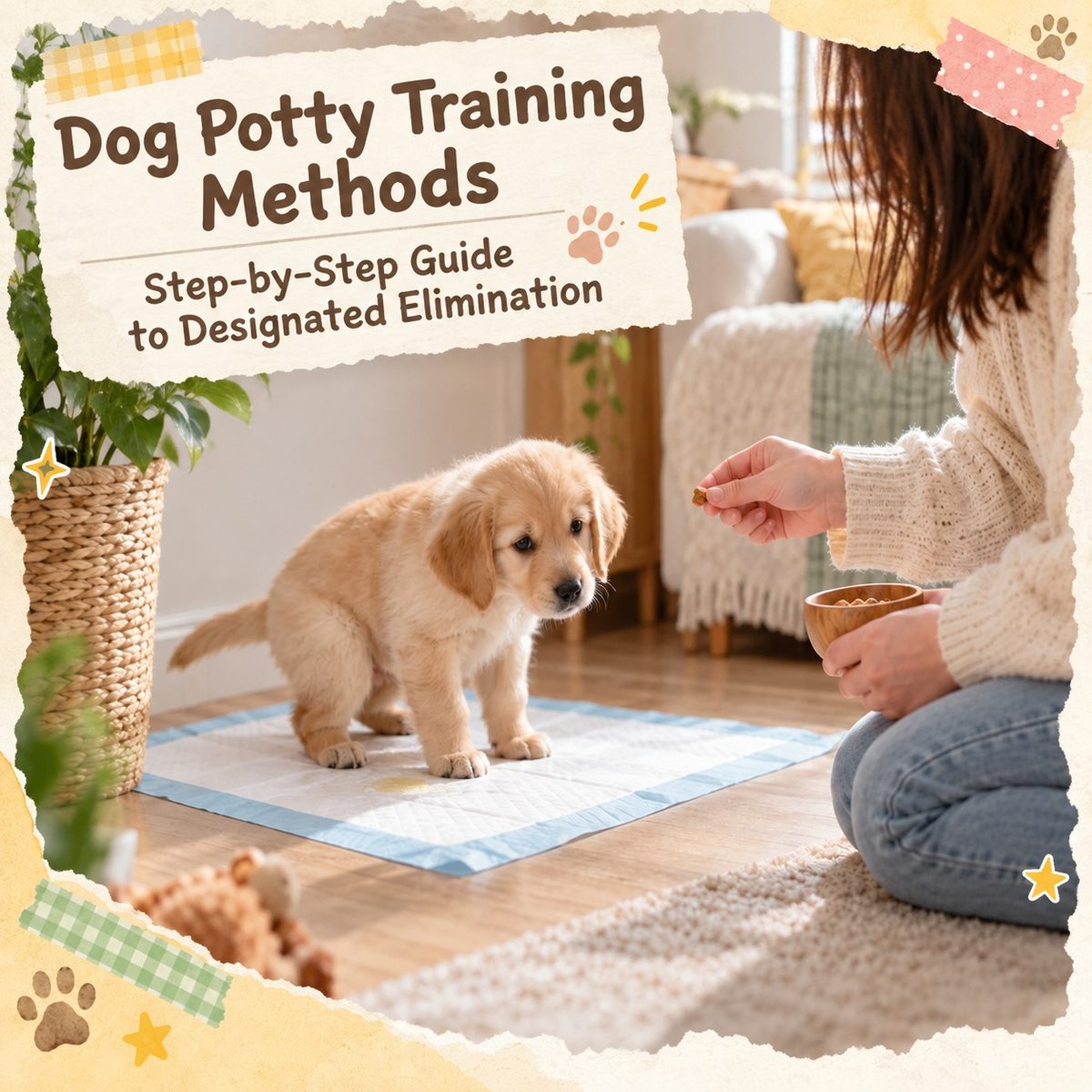
Whether indoors or outdoors, choose a fixed toilet area. For indoor training, lay down pee pads or newspaper; for outdoor training, always take them to the same spot. A fixed location helps the dog build the memory that "this is the toilet".
Step 2: Establish a toilet cue
Every time you take the dog to the designated spot, say a fixed cue, such as "Go potty, quick!". Say the cue as soon as they start to toilet. The principle is classical conditioning—through repeated practice, the dog associates the cue with "going to the toilet", speeding up elimination. This technique is emphasised in How to Train a Puppy: always say the same cue to build a stable conditioned reflex.
Step 3: Take them out on schedule
Establishing a regular toilet schedule is the key to success. Recommended times include:
- Every morning after waking up
- 15 to 20 minutes after each meal
- After drinking water
- After playing
- Before bedtime
Even if the dog shows no obvious signs, if it has been a while since the last toilet trip, take them out proactively.
Step 4: Correct reward method
When the dog toilets in the correct spot, immediately give verbal praise and a treat. Remember, timing is crucial—reward immediately after they finish, not when you get home. This immediate positive reinforcement teaches the dog that "toileting here = good things happen".
Step 5: Night-time toilet management
Before bed, take the dog out one last time. If you hear restless sounds or whining at night, take them out immediately. The principle for night-time toilet trips is: quick and efficient, no dawdling—no walking, no playing, no letting them have their way; go toilet and straight back to bed. Also, place the crate or dog bed next to your bed so you can notice any movement immediately.
Common mistakes and how to handle them
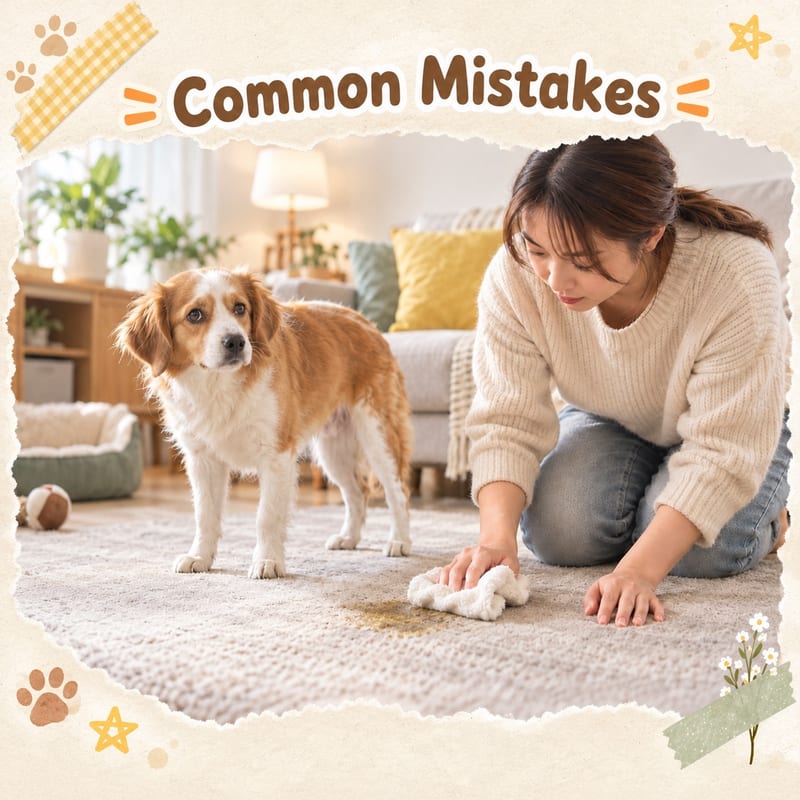
Mistake 1: Punishing after the fact
Many owners scold or crate their dog after finding an indoor accident. But a dog's memory is short; punishment after the fact makes no sense to them and can create fear of the owner, or even sneaky toileting. The correct approach: if you catch them in the act, say "No!" to stop them and take them to the correct spot; if they've already gone, let it go and improve your observation next time.
Mistake 2: Cleaning with bleach
If the urine smell is not completely removed, the dog will follow the scent back to the same spot. Household bleach can actually attract dogs; use a pet-specific odour remover to thoroughly eliminate residual urine smell.
Mistake 3: Inconsistent family rules
Everyone in the family must use the same standard. If one person allows the dog to toilet indoors while another takes them out for training, the dog will be confused and training will suffer. Hold a short "family meeting" to unify the cue, location and schedule.
| Timing | Signs to watch | Owner action | Reward timing |
|---|---|---|---|
| After waking | Yawning + sniffing floor | Take to fixed spot immediately | Verbal + treat right after toileting |
| 15-20 min after eating | Circling + squatting | Say cue "Go potty, quick!" | Praise immediately when done |
| After drinking | Walking towards door | Quick trip, no walk | Reward before going home |
| Night whining | Restless sounds | Take out quietly, no interaction | Lights out immediately on return to crate |
Ten tips from the book (Dai Gengji's 100 Behaviour Problems step-by-step version)
The book's most straightforward line is: the toilet problem really has only one principle—"Take them to the right place at the right time". Below are the ten tips from the book, organised into an actionable checklist:
- Take them out frequently (don't wait for them to signal)
- Toilet first, walk later—don't let them go after the walk; if the order is reversed, they learn to "hold it until the walk"
- Choose a fixed area and always take them to the same spot; don't let them find their own
- Keep the leash short, encourage them to move around in a small area as if about to go; without a leash, stand still and wait, don't play with them
- Only allow sniffing during toilet time—sniffing is the "preliminary action" for toileting; allowing it is itself a signal
- Say "Good~" as soon as they squat, no need to wait until they finish; then add the cue "Go pee / quick" when they circle—in future, when you give the cue, they will feel the urge
- Never punish for going in unwanted places (punishment only makes them hide to go next time)
- Reward immediately when they go in the right place
- Female dogs learn slower than males; they need more outings and patience
- Be consistent; patience is most important
Day and night rhythm (How to Train a Puppy)
- Daytime: Stay in the same room as much as possible. When they become restless, walk towards the door, sniff the floor, whine, circle or squat—immediately carry them outside to the designated spot; don't rush them once outside, wait until they start and say "Go potty, quick!"
- Night-time: Take them out once more before you go to bed, so they have no chance to "do wrong" indoors
- Take them out even without signs: Whether just woke up, playing, or after a meal, if it's been a while since they last went, take them out
Cleaning after an accident (book reminder)
Always clean with a pet odour remover until no smell remains. The residual urine scent is a "signpost"; next time they will follow the scent back to the same spot.
Practical checklist for small Hong Kong flats: works even in a two-bedroom flat
Small living space in Hong Kong doesn't mean training should be compromised. Here are practical steps designed for typical Hong Kong small flats:
1. Location tips
The kitchen or bathroom doorway is the first choice—tiles are easy to clean and it doesn't block the living room passage. If the flat is really too small, place a pee pad holder on the balcony, and remember to add wind clips to prevent the pad from blowing away.
2. Schedule that fits Hong Kong pace
Take them to the pee pad immediately after waking at 7:00 am; take them out once more before leaving at 8:30 am to avoid being late for work. If you can't get home at noon, ask a helper to take them at 12:30 pm. Take them out at 7:00 pm after work and at 9:30 pm before bed. Keep the same times on holidays—don't let the routine fall apart on days off.
3. Quick night-time trips
Place the crate next to your bed and get up as soon as you hear whining. To avoid long waits for the lift, lay a temporary pee pad at the bedroom door in advance, so if you really can't make it to the lift in time, the living room won't be soiled.
4. Keep cleaning supplies handy
Keep pet-specific odour removal spray and disposable cloths at home for immediate clean-up of accidents. Don't wait until the next day, or the residual smell will bring the dog back to the same spot.
5. Family consensus
Start a WhatsApp group and check in daily with the dog's toilet times, who took them and who rewarded them, so there's no confusion like "Mum says yes, Dad says no".
Follow this checklist and even in a 300 sq ft studio flat, you can complete toilet training within a month.
Further reading
📌 Key takeaways
- ✅ Fixed toilet spot + cue builds conditioned reflex fastest
- ✅ Take them to toilet immediately after waking, eating, drinking, playing
- ✅ Reward immediately after toileting, not when you get home
- ❌ Punishing after the fact only makes them fear you; they won't understand what they did wrong
- ❌ Bleach cleaning actually attracts dogs back to the same spot
This article is compiled from breed consensus and clinical care guidelines; individual dogs vary greatly. For health issues, consult a registered veterinarian first.
Related cluster articles
This is part of the "Dog Training" cluster: Dog Training Basics (overview), Leash Walking Training, Crate Training, Barking Control, Separation Anxiety, Biting Correction, Toilet Training, Socialisation, Recall Training, Positive Reinforcement Training. Related behaviour issues: Jumping Up Correction, Destructive Behaviour Correction.
References
- Agriculture, Fisheries and Conservation Department (Hong Kong Government) — Pet Keeping Information
- Veterinary Surgeons Board of Hong Kong
- Knowledge points in this article are compiled from dog training books including Dai Gengji Teaches You How to Effectively Solve 100 Dog Behaviour Problems, Don't Shoot the Dog, How to Train a Puppy, and Learn to Talk with Your Dog.
The above is for reference only and cannot replace assessment by a veterinarian or professional trainer. If your dog shows aggression, self-harm or persistent anxiety, consult a registered veterinarian or certified trainer.
Related products (available in Hong Kong)
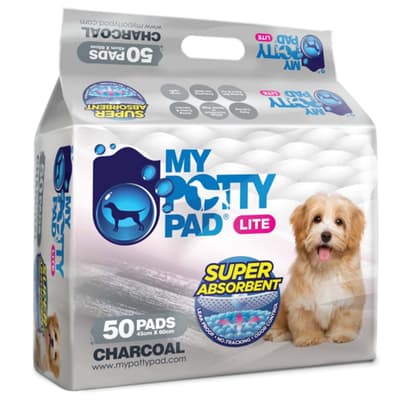
- My Potty Pad LITE Activated Carbon Pee Pads 60×90 L size 24 sheets ($73)
- My Potty Pad LITE Activated Carbon Pee Pads 45×60 M size 50 sheets ($73)
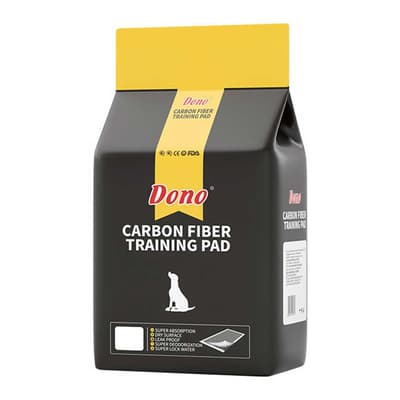
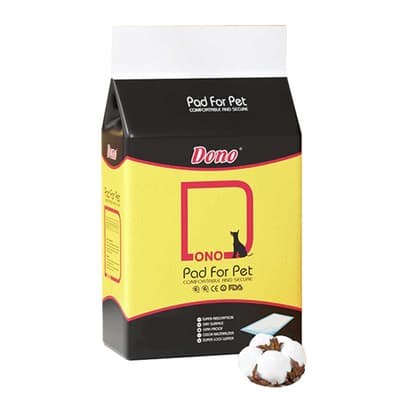
- DONO Bamboo Charcoal Pet Pee Pads 33×45 S size 100 sheets ($53)
- DONO Upgraded Pet Pee Pads 60×60 L size 40 sheets ($45)
Prices checked on 2026-10-12; all in stock at retail stores.