
Quick answer: Japanese cat culture, through maneki-neko, Hello Kitty, cat cafés and cat island tourism, has imported the value of 'cats = cute + healing' into Hong Kong. It has blended with local mongrel cats, shop cats and adoption culture, ultimately shaping the unique cat-keeping daily life and community feelings of today's Hong Kong.
How Japanese Cat Culture Shaped Hong Kong
Hong Kong's cat culture is deeply influenced by Japan — from the maneki-neko in shops to Hello Kitty in malls, and cat cafés on the streets. This article traces how Japanese cat culture gradually entered Hong Kong and shaped our daily cat-keeping life today.
This article is an extension of the Hong Kong pet culture history overview series.
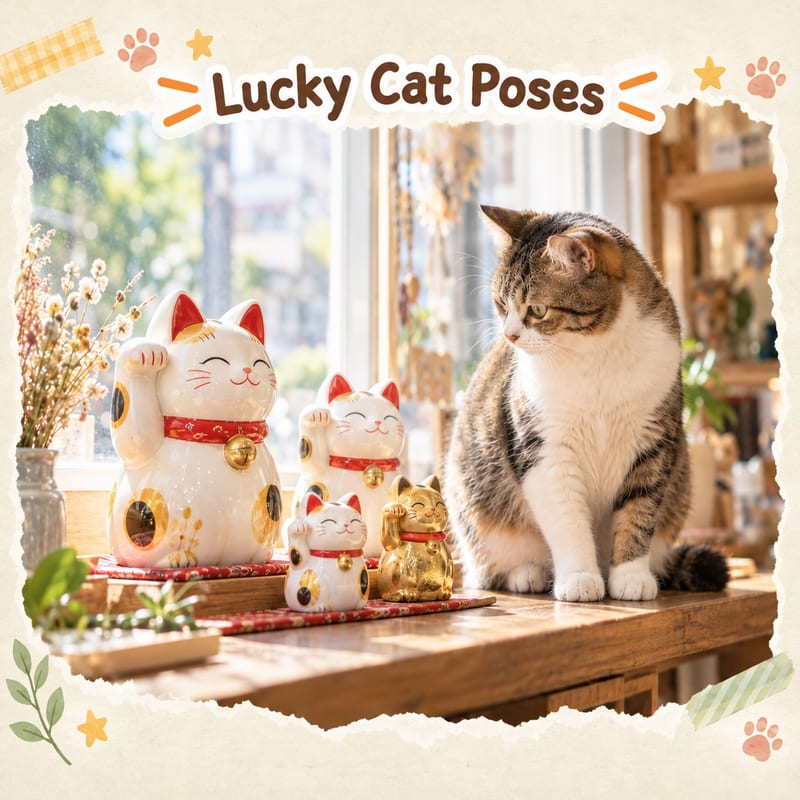
A Brief History of Japanese Cat Culture
Japanese cat culture has its own unique trajectory:
- Nara period (8th century): Cats were introduced to Japan via China, initially as precious pets of the imperial court and nobility, with elegant names such as 'rar Ouma'
- Edo period (1603-1868): Cats entered common life, and the maneki-neko legend was born; ukiyo-e master Utagawa Kuniyoshi was a famous cat lover, leaving behind many cat paintings
- Meiji to modern times: Natsume Soseki's I Am a Cat became national literature; cats officially became a symbol of Japanese culture
- Contemporary: Cat characters like Hello Kitty (1974) and Doraemon (1969) took the world by storm; cat islands became tourist destinations; 'cat economics' (neko-nomics) became an economic term
Japan developed cat culture into a complete system: art, literature, commerce, tourism, psychological healing — this system was fully exported from the late 20th to early 21st century, with Hong Kong as an important recipient.
Maneki-neko: Guardian of Hong Kong Shops
The maneki-neko is the most successful example of Japanese cat culture exported to Hong Kong:
- Origin: An Edo-period legend tells of 'Tama', the cat of Gotokuji Temple's abbot, who raised a paw to lure a Hikone domain lord out of the rain and saved the temple; at Imado Shrine, an old woman was inspired in a dream to make cat figurines
- Meaning: A raised right paw invites wealth (financial luck), a raised left paw invites customers (good relationships); having both paws raised is said to be 'greedy' and thus ineffective
- Arrival in Hong Kong: It came with Japanese department stores (such as Jusco) and Japanese culture in the 20th century, becoming a standard fixture in Hong Kong shops (especially restaurants and retail) from the 1980s-90s
Today, Hong Kong's cha chaan tengs, pharmacies and pet shops almost always have a maneki-neko at the cash register — many Hongkongers don't know that this 'Hong Kong tradition' actually comes from Japan.
The Cartoon Cat Generation: Hello Kitty and Cat Characters
Japanese cat characters have influenced generations of Hongkongers:
- Doraemon (1969): Introduced by Hong Kong television in the 1980s, becoming a shared childhood memory for Hong Kong children
- Hello Kitty (1974): Sanrio's Kitty cat embedded the image of 'cat = cute' deep in Hong Kong hearts
- My Neighbor Totoro (1988): Hayao Miyazaki's Totoro is strictly not a cat, but it reinforced the impression of 'fluffy = healing'
- Later generations: Bad Badtz-Maru, Shellby, Sumikko Gurashi, Chi's Sweet Home continued the output
The common effect of these cat characters: they made Hongkongers equate cats with 'cute, healing, companionship' from childhood — laying the cultural foundation for the later cat-keeping boom.
Cat Café Boom: Urban Cat Therapy
Japanese cat café culture arrived in Hong Kong in the 2010s:
- Japanese model: The world's first cat café opened in Osaka in 2004, with strict rules (no chasing cats, time limits, disinfection), catering to urbanites who 'can't keep a cat but want to chill'
- Hong Kong landing: Hong Kong's small living spaces and public housing ban on pets meant cat cafés perfectly met the huge demand of 'want to be close to cats but can't keep one'
- Local features: Hong Kong cat cafés developed localised services such as adoption matchmaking and cat photography
Cat Islands and Cat Tourism
Japan's cat islands (Aoshima, Tashirojima, etc.) have become pilgrimage sites for Hong Kong cat lovers:
- The number of cats on the islands far exceeds residents, cared for by islanders and volunteers
- Hong Kong travel agencies offer 'cat island tours'
- This 'travel for cats' model in turn promotes the cat-friendly image of local Hong Kong places (such as Cheung Chau and Lamma Island)
| Japanese cat culture element | Route into Hong Kong | Local Hong Kong features |
|---|---|---|
| Maneki-neko | 1980s-90s Japanese department stores | Essential at cha chaan teng and pharmacy cash registers |
| Hello Kitty and other characters | TV broadcasts, Sanrio stores | Instilled 'cat = cute' from childhood |
| Cat cafés | 2010s return of travel experiences | Added adoption matchmaking, cat photography services |
| Cat island tourism | Travel agency packages | Inspired cat-friendly packaging for Cheung Chau and Lamma Island |
'Cat Slave' Discourse: Traces of Japanese
Hong Kong's everyday language also shows Japanese traces in cat culture:
- 'Cat slave': From Japanese 'neko no dorei' (slave of cats)
- 'Master': Shares the honorific logic of Japanese 'neko-sama' (Lord Cat)
- 'Sniffing cats': Same meaning as Japanese 'neko sui' (cat sniffing)
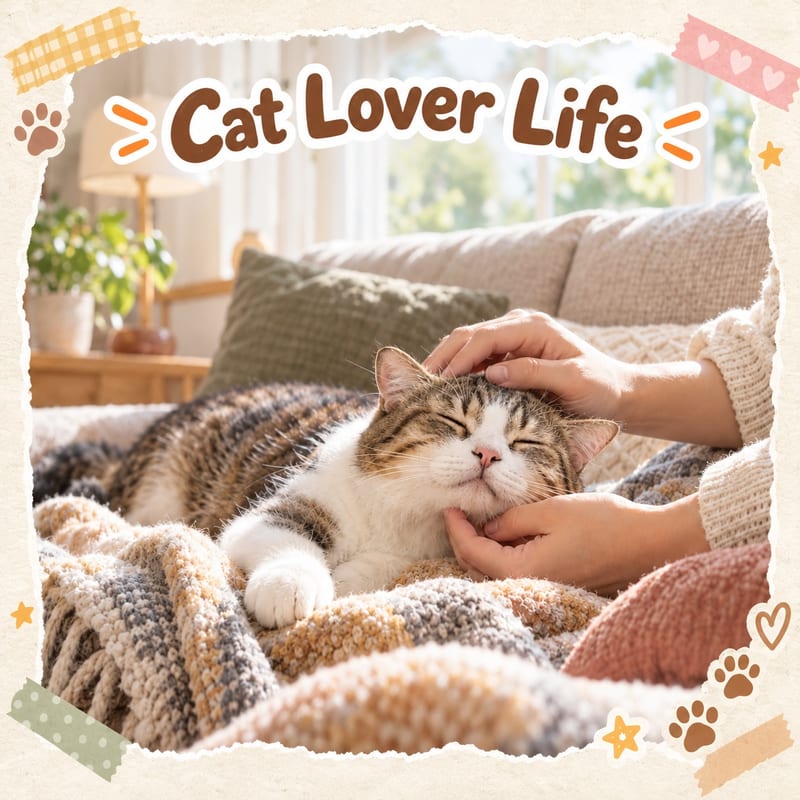
Behind the Influence: Hong Kong's Own Cat Culture
Under Japanese influence, Hong Kong has also developed its own cat culture features:
- Mongrel cat advantage: Hong Kong cat lovers have rediscovered the beauty of mongrel cats in recent years — adaptable, healthy, diverse personalities (see The Story of Mongrel Cats)
- Shop cat manager culture: In the 2025 'My Favourite Shop Cat Manager' election, Yuen Long pharmacy cat 'Big Old' won — shop cats have become community emotional bridges, a local phenomenon unique to Hong Kong
- Adoption culture: Hong Kong's TNR and adoption system (SPCA CCC programme) blends Western animal welfare concepts with local practice
Japanese cat culture gave Hong Kong the language of 'cat cuteness', while Hong Kong tells its own cat stories through its wet markets, tong lau and community tales.
Further Reading
- Hong Kong Pet Culture History Overview
- Chinese Cat Culture History: From Li Nu in the Book of Songs to Lion Cats
- The Story of Mongrel Cats: A Century of Change for Hong Kong Street Cats
- Cat Domestication History: From Egyptian Sacred Cats to Hong Kong Homes
Practical Guide to Keeping Cats in Small Hong Kong Flats: Bring Japanese Cat Therapy Home
Living in a 300 sq ft flat but still want a cat's company? Refer to the Japanese 'neko-nomics' mindset and upgrade space, supplies and community simultaneously — you can still enjoy daily cat time.
Space magic
- Vertical thinking: Replace Japanese cat trees with floor-to-ceiling poles and shelves, running along the window all the way to the ceiling, without taking up floor space.
- Multi-purpose: IKEA shelves plus a tofu litter box drawer for storage and cat toilet; under-bed drawers converted into semi-enclosed cat beds, cool in summer.
- Soundproofing tip: Add seals to door frames to reduce noise from cats running at night, so public housing neighbours won't complain.
Supply shopping map
- Japanese goods: Tsim Sha Tsui K11 basement 'Cat Department', Causeway Bay LOG-ON with monthly new arrivals, maneki-neko shaped water bowls and cat paw coasters ready to use.
- Mongrel-friendly: Mong Kok Fa Yuen Street 'Cat Daily' focuses on local design, mongrel cat pattern cushions and adoption-themed tote bags — shop and support local TNR at the same time.
- Eco refills: Kwun Tong industrial building 'Meow Warehouse' sells bulk cat litter and freeze-dried food by weight; bring your own airtight bag to reduce packaging — Japanese refinement doesn't have to mean waste.
Community connection
- Weekend itinerary: Follow the Japanese cat island mindset and take a ferry to Cheung Chau 'Fat Kee' for fish balls and to visit shop cat 'Fat Boy'; or go to Sham Shui Po 'Hop Yick Tai' rice noodle roll stall to see shop cat manager 'Big Brother'.
- Online and offline: Join the Facebook 'Hong Kong Mongrel Cat Concern Group' and exchange adoption information in 'master' language; volunteer monthly with the SPCA CCC programme to practise the Japanese 'Lord Cat' spirit.
Japanese cat culture emphasises 'respecting the cat's will'. In small Hong Kong flats, remember: space is limited, love is unlimited. Five minutes of focused 'cat sniffing' every day is already the most authentic Hong Kong-style healing.