Quick answer: Hong Kong pet shops have evolved from the 19th-century street markets of Bird Street and Goldfish Street, to air-conditioned shops and chain superstores, and now to online stores and social-media adoption. This mirrors the cultural shift of pets from tools to family members.
The places where Hongkongers buy pets and pet supplies have undergone huge changes over the past century: from street markets (Mong Kok's Bird Street and Goldfish Street) to air-conditioned pet shops, then to chain pet superstores and online stores. This evolution is itself a microcosm of Hong Kong's urban development and its changing attitudes to pet ownership. This article is an extension of the Hong Kong pet culture history overview series.
19th century: The origins of Bird Street
Not long after Hong Kong became a British colony, bird-keeping culture had already taken root in the Chinese community. The bird market around Hong Kong's Connaught Road in Mong Kok ('Bird Street') dates back to the 19th century—bird sellers gathered to sell ornamental birds such as thrushes, Chinese hwamei and parrots, and a trade in bird cages, birdseed and crickets (live bird feed) sprang up alongside.
Keeping birds was a social activity for men in Hong Kong in that era: a pot of tea, a dim sum or two, a bird cage, and half a day in a teahouse. Bird Street was the material centre of this culture—buying a bird was secondary; standing on the street chatting about which bird could sing was itself community socialising.
1950s: Goldfish Street and the era of cheap pets
After the war, Hong Kong's population swelled and the pet market began to expand:
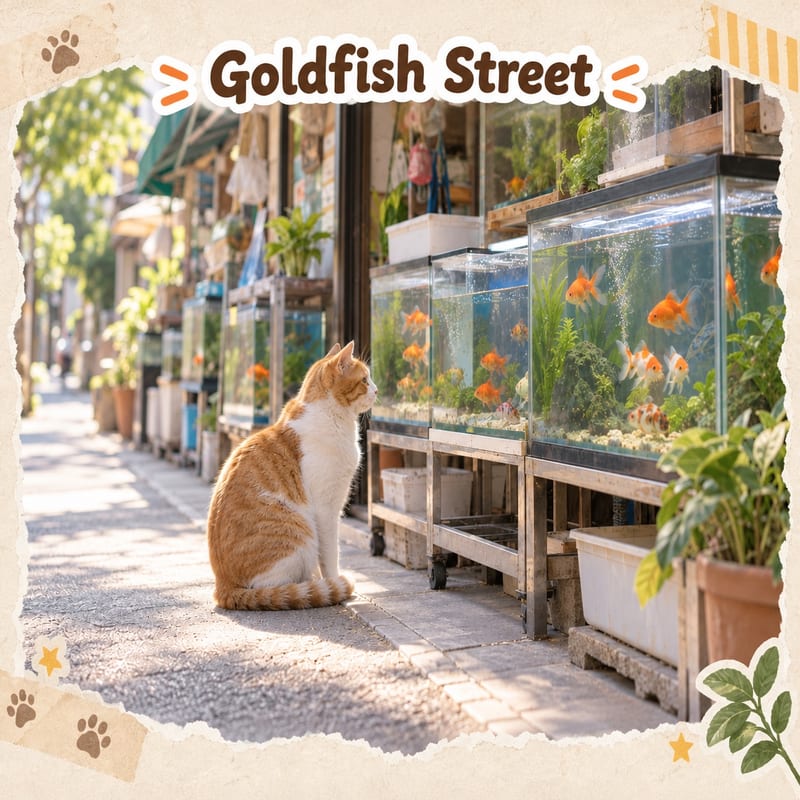
- Goldfish Street (northern section of Tung Choi Street) formed in the 1950s: initially hawkers gathered near Mong Kok Station, and it later developed into a specialist market for goldfish and ornamental fish.
- Cheap pets entered homes: keeping goldfish and birds was low-cost and needed little space, making them the most common 'pets' for grassroots families.
- Dogs and cats: in this era, cats and dogs were mostly not 'bought'—a neighbour's cat had kittens, a friend's dog farm had puppies, and pet exchange was part of community networks.
In this era, 'keeping pets' was not yet a consumer activity but part of life: guarding the door, catching rats, just having company.
1997: Bird Garden—the relocation of a traditional market
1997 was a watershed in Hong Kong's pet market history:
- Urban renewal: Bird Street on Hong Kong's Connaught Road was demolished due to urban renewal.
- Yuen Po Street Bird Garden opened: the government built a bird garden on nearby Yuen Po Street, covering about 3,000 square metres with about 70 stalls, designed as a Chinese garden, continuing the Bird Street tradition.
- A case of cultural conservation: this is a rare example in Hong Kong of a 'traditional market relocated and continued'—although some critics say it lost its original street flavour, bird-keeping culture was preserved.
Yuen Po Street Bird Garden remains the centre of Hong Kong's bird-keeping culture today: selling pet birds, feed, cages and related supplies, and in the early morning bird lovers bring their beloved birds to 'work' and socialise.
1980s–2000s: The modern pet shop era
Economic take-off drove a revolution in pet retail:
- Specialist pet shops: upgraded from street stalls to air-conditioned stores selling purebred dogs and cats, imported pet food and supplies.
- Branded pet food: international brands such as Royal Canin and Hill's entered the Hong Kong market, and pet food went from 'leftovers' to 'scientific formula'—'opening a can to feed the dog' gradually became 'feeding the dog by calculating protein percentages'.
- Pet superstores appeared: from the 2000s, large pet chains offered one-stop shopping—food, supplies, toys, grooming.
- Aquarium and reptile specialist shops: a professional extension of Goldfish Street, adding marine fish, reptiles and other niche pets.
This period was also the turning point when 'pets' became 'fur kids': homes got smaller, fewer people kept guard dogs, but more people treated cats and dogs as family members and were willing to spend on them.
The internet era: Pet retail transforms again
From the 2010s to now, Hong Kong pet retail has entered the internet era:
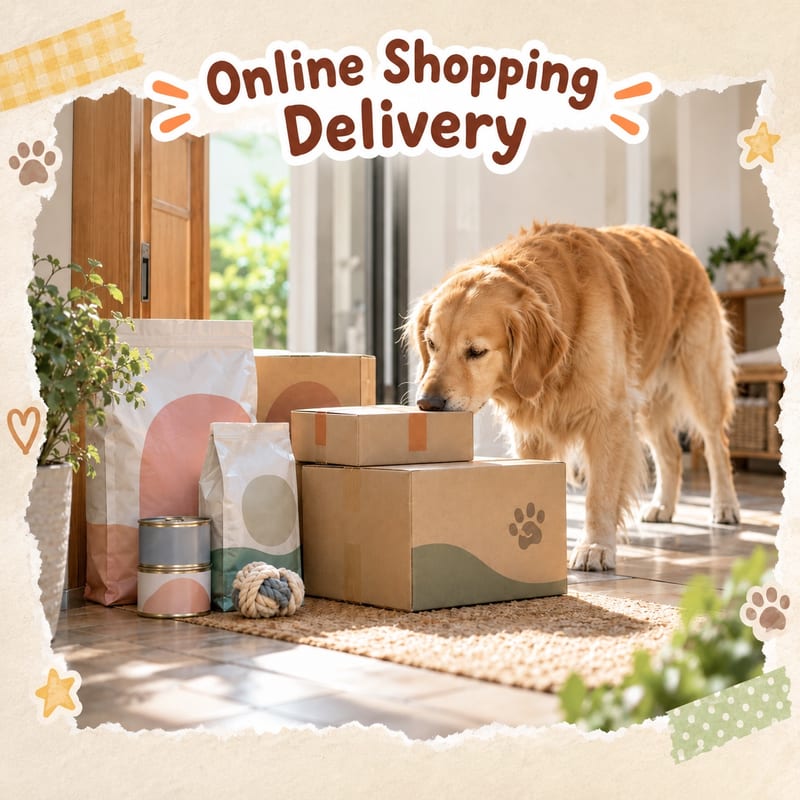
- Online pet supply stores: food delivered to your door, subscription models (regular food deliveries) have emerged, and you no longer have to haul heavy sacks of food upstairs from the warehouse yourself.
- Social media pet sales: but with the risk of 'petfishing'—unscrupulous sellers post misleading information online and sell pets that are in poor health or not the breed advertised.
- Diversified pet services: pet shops have expanded from selling goods to grooming, hotels, training and photography—'taking the dog for a grooming spa' is no longer a joke.
- Adoption information platforms: matching for adoption has also moved online, with Instagram and Facebook pages becoming the main channels for exposing pets awaiting adoption.
💡 Pet buying tip: Under Cap. 139B of Hong Kong law, selling dogs requires a licence, advertisements must state the licence number, and buyers must be at least 16 years old. Before buying a pet online, remember to check the seller's licence—don't get fooled by 'petfishing'!
Three threads behind the changing places
Looking back at a century of change in Hong Kong's pet places, three clear threads emerge:
- From street to indoor: hygiene, regulation and comfort improved—trading venues moved from open-air spaces into air-conditioned shops and online platforms.
- From cheap to high-end: pets went from guard dogs to fur kids, with consumption upgrading—from goldfish and birds to imported food and grooming services.
- From buying to adopting: animal welfare attitudes changed, and 'adopt don't shop' became a mainstream value—the adoption programmes of the SPCA and various rescue organisations have matured.
Looking a little closer, these three threads are really saying the same thing: the status of pets in Hongkongers' hearts has upgraded from 'tools' (guarding the door, catching rats, relieving boredom) to 'family'. Places are just mirrors—the Hongkonger in the mirror who is willing to spend time on a can of food, a grooming session, an adoption interview, is actually the same sentimental Chinese person as the neighbour holding a bird cage in a teahouse a hundred years ago, just expressing it differently.
Which old places can you visit? Today's 'pet history map'
If you want to see this history for yourself, the following places still stand in the Mong Kok area today, and you can walk them all in a day:
| Place | What to see |
|---|---|
| Yuen Po Street Bird Garden | Birds, cages, a living continuation of bird-keeping culture |
| Northern section of Tung Choi Street (Goldfish Street) | A hub for ornamental fish and aquarium equipment |
| Around Langham Place, Mong Kok | Former street markets contrasted with today's mall culture |
| Chain pet superstores | A model of one-stop modern pet retail |
As you walk, notice how on the same street the 1950s hawker tradition, the 1997 relocation works and the 2010s e-commerce logic are layered together—this is Hong Kong—old places haven't disappeared, they've just changed form and continue to exist.
A mini timeline of pet place evolution
- 19th century: Bird Street on Hong Kong's Connaught Road formed; bird-keeping was part of teahouse social life.
- 1950s: Goldfish Street took shape, cheap pets entered homes; dogs and cats were exchanged through community networks.
- 1980s: Air-conditioned pet shops emerged, purebred cats and dogs and imported food appeared on shelves.
- 1997: Bird Street was demolished and Yuen Po Street Bird Garden opened.
- 2000s: Large chain pet superstores appeared, offering one-stop shopping.
- 2010s to now: Online stores, subscription food delivery, social media adoption matching; legal regulation and animal welfare awareness have risen together.
What you can do starting today
- Take your family for a walk along Goldfish Street and Yuen Po Street Bird Garden one weekend to see living history for yourself.
- Before buying pet supplies, refer to this timeline to understand the industry changes behind the shelves.
- If you're thinking of getting a pet, check adoption platforms first, then consider licensed shops.
- To choose the right food and supplies for a new family member, see PetChill's cat food and dog food guide series.
Further reading
- Hong Kong pet culture history overview
- Hong Kong dog history: police dogs, AFCD, adoption culture
- The story of Hong Kong cats: a century of change for street cats
- Pet supplies buying guide
📌 Key takeaways
- ✅ Bird Street and Goldfish Street witnessed the era of cheap pets
- ✅ The 1997 Bird Garden successfully conserved bird-keeping culture
- ✅ 2000s chain superstores offered one-stop shopping
- ❌ Beware of petfishing scams when buying pets online
- ❌ Not checking licences can leave you exposed
This article is compiled from breed consensus and clinical care guidelines; individual cats and dogs vary greatly. For health problems, please consult a registered veterinarian first.
 Royal Canin full guide →
 Hill's full guide →