
Quick answer: From rat-catching heroes during the 1894 plague, through the dark years when 40,000 were destroyed in 1963, to the rise of TNR and adoption culture, domestic cats have witnessed Hong Kong's civilising progress from utility to care. Today they are community cat managers and the top choice for adoption.
The Story of Domestic Cats: Hong Kong's Most Storied Felines
Domestic cats (local mixed-breed cats) are Hong Kong's most common and most storied cats. From rat-catching heroes of the 1894 plague to today's cat manager stars, they have witnessed a century of change in Hong Kong. This article tells their story.
This article is part of the Hong Kong Pet Culture History Overview series.
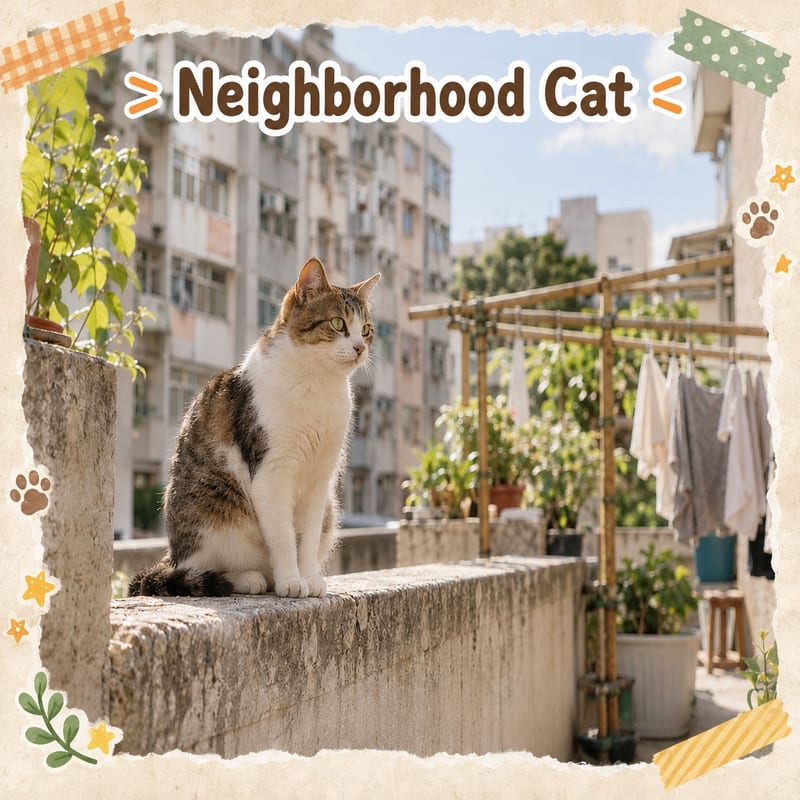
The Origin of the Name 'Tong Cat'
The 'Tong' in 'Tong cat' shares the same root as in 'Tong building' — Hong Kong people traditionally use 'Tong' to mean local (Tong building, Tong person, Tong cuisine) and 'foreign' for imported (foreign building, Western food). So 'Tong cat' means 'local cat', as opposed to 'foreign' breeds like Persian or British Shorthair.
Domestic cats have no pedigree certificates, but they possess Hong Kong's most solid survival wisdom:
- Genetic diversity: hybrid vigour, fewer hereditary diseases than purebreds, generally healthy
- Strong adaptability: Hong Kong's hot and humid weather and cramped spaces are no challenge
- Wide personality spectrum: from aloof to clingy, every domestic cat is a unique individual
1894: City Heroes in the Plague
The most profound page in Hong Kong's street cat history is the 1894 plague.
That year Hong Kong suffered a severe plague outbreak, killing over 2,000 people. One of the government's anti-epidemic measures was to encourage citizens to keep cats to control rodents. In Sai Ying Pun's dried seafood street and Sheung Wan's salted fish stalls, cats became rat-catching experts guarding dried seafood — they were not pets, but professionals helping to protect the goods.
This history established the foundation of Hong Kong's shop cat culture: cats have jobs, wages, and a place to stay. The tradition of keeping cats in dried seafood shops has continued for over a hundred years.
Wet Markets and Shops: The Golden Age of Cat Employment
For most of the 20th century, Hong Kong's cats had 'proper jobs':
- Dried seafood shops: guarding abalone, sea cucumber, shark fin and fish maw — the most prestigious position
- Rice shops: guards by the rice bins, the last line of defence for food security
- Wet market fish stalls: fish stall cats enjoyed the freshest 'staff meals'
- Stores and grocery shops: shop-watching cats also handled cashier duties (sleeping on the cash register)
In this era, shop cats were not 'mascots' but real 'colleagues' — owners remembered how many rats they caught, and neighbours knew them by name.
The Dark Period: 40,000 in 1963
Street cat history also has a dark page. In 1963, about 40,000 cats were destroyed (SPCA and AFCD figures) — reflecting serious abandonment problems and weak animal welfare awareness at the time. In the 1950s the SPCA even had 'cat boxes' for citizens to 'dispose' of unwanted cats — unimaginable today, but that was the reality of the era.
2000: The TNR Revolution
The turning point came in 2000. The SPCA pioneered Asia's first 'Cat Colony Care Programme', introducing TNR:
- Trap: humanely trap street cats
- Neuter: neutering surgery
- Return: return to their original location, with continued care by volunteers
TNR scientifically reduced street cat numbers: from 40,000 destroyed in 1963 to about 5,000 in 2014. More importantly, attitudes changed — street cats went from 'nuisances' to 'community members', and volunteer feeding gained social acceptance.
The Cat Manager Era: From Colleagues to Stars
In 21st-century Hong Kong, shop cat culture entered the star era:
- Social media effect: shop cats' Instagram pages have tens of thousands of followers; some even have 'pilgrims' making special trips to check in
- 2025 'My Favourite Cat Manager' election: Yuen Long pharmacy cat 'Big Old' won with lazy charm, becoming a citywide topic — not just an unofficial shop mascot but a bridge for community emotional connection
- Shop cat economics: shops with cat managers generally do better business — cats are the most 'worth-it' employees
Adopting Domestic Cats: Hong Kong People's Choice
In recent years Hong Kong's adoption culture has matured, and domestic cats have become the mainstream choice:
- Organisations such as SPCA, Society for Abandoned Animals (SAA), and Hong Kong Cat Society offer domestic cat adoptions
- Advantages of adopting a domestic cat: healthy, smart, unique (every one has a one-of-a-kind face)
- 'Adopt, don't shop' has become the consensus
Want to know more about caring for domestic cats? See our Complete Guide to Domestic Cats (Hong Kong Cats).
A Century of Lessons from Domestic Cats
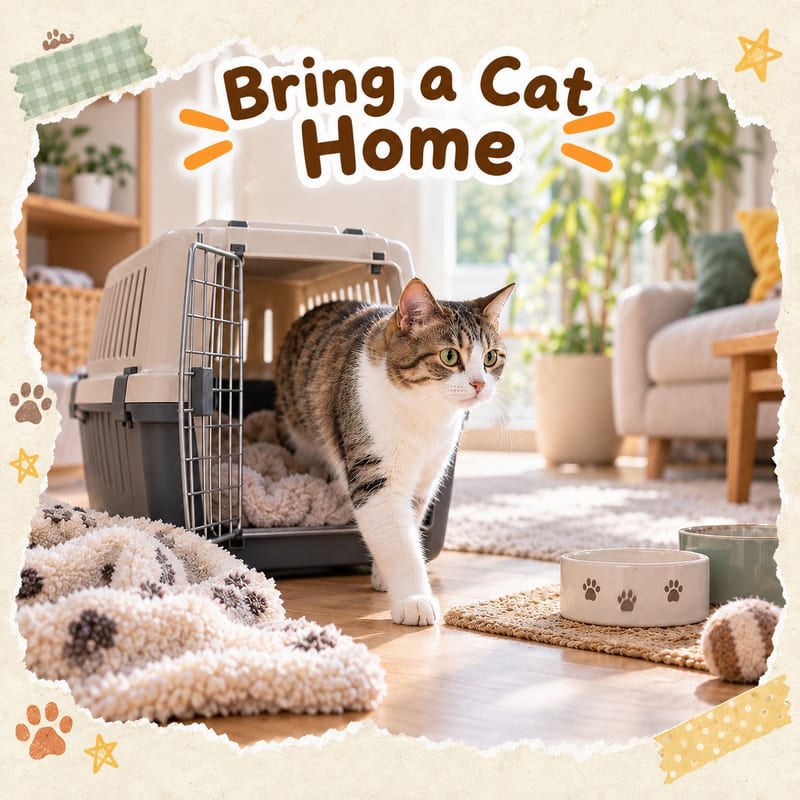
From plague heroes in 1894, to the dark numbers of 1963, to 2025's 'My Favourite Cat Manager' — the century-long story of domestic cats is a microcosm of Hong Kong's social civilisation: how a society treats animals reflects how it treats its most powerless.
Today's Hong Kong domestic cats no longer need to catch rats for a living, but they are still here — in wet markets, dried seafood shops, on your sofa — proving over a hundred years that the city's most local cat is also the most survival-savvy.
| Era | Role of Domestic Cats | Social Perception | Key Events |
|---|---|---|---|
| 1894 | Rat-catching heroes | Anti-epidemic heroes | Plague outbreak, government encouraged cat ownership |
| Mid-20th century | Shop guards | Proper colleagues | Cats kept in dried seafood shops, rice shops, fish stalls |
| 1963 | Targets for destruction | Nuisances | 40,000 cats destroyed, severe abandonment |
| From 2000 | TNR street cats | Community members | SPCA launched Cat Colony Care Programme |
| 2020s | Cat manager stars | Check-in darlings | Social media fame, mature adoption culture |
Further Reading
- Hong Kong Pet Culture History Overview
- Complete Guide to Domestic Cats (Hong Kong Cats)
- Chinese Cat Culture History: From 'Li Nu' in the Book of Songs to Lion Cats
- The Influence of Japanese Cat Culture on Hong Kong
- History of Cat Domestication: From Egyptian Sacred Cats to Hong Kong Families
Practical Checklist for Adopting a Domestic Cat in a Small Hong Kong Flat
Even in a 300-square-foot upstairs flat, you can give a domestic cat a comfortable life by following these steps:
1. Space planning
- Vertical space: install a few wall shelves or cat trees to instantly double activity space; domestic cats are natural jumpers, so don't worry they won't use them.
- Storage: as dried seafood shop owners teach, dry goods go in sealed containers; similarly, cat food and treats should go in lock-lock boxes to prevent pests, moisture, and sneaky cats.
2. Daily expense budget
- Food: domestic cats have no pedigree baggage; ordinary natural food is enough. Dried seafood shop cats used to eat fish heads and tails; today you can choose unsalted freeze-dried fish chunks as treats — cheap and good.
- Medical: TNR already includes neutering; annual vaccinations + deworming cost about $500-$700, much less than a purebred.
3. Coping with Hong Kong weather
- Hot and humid: air-conditioning isn't practical? Place two cooling mats + a circulating fan; domestic cats will still sleep sprawled out.
- Typhoon season: when taping windows, remember to leave a cat flap for them to access the litter box, to avoid them panicking and getting lost.
4. Adoption process quick read
- Organisations: SPCA, SAA, and Hong Kong Cat Society all offer domestic cat adoptions; fill in the online form and wait for a home visit.
- Required documents: lease or landlord's consent (for public housing, a Housing Department letter), copy of ID card.
- Interview tips: talk about how you use vertical space and how you prevent cats from jumping out of windows; volunteers will immediately know you're savvy.
5. When to see a vet
- Domestic cats are generally robust, but see a 24-hour vet immediately if you notice: not eating for two consecutive meals, vomiting for more than a day, rapid breathing — don't wait; Hong Kong emergency vets aren't cheap but saving a life matters.
Do your homework, and your domestic cat will transform from a wet market rat-catching expert into the most local Hong Kong-style roommate in your home.
 Feline Natural full guide →
 Fuji One full guide →

