Quick answer: The four main tasks in a kitten's first year: supplies ready (food and water bowls, litter box, carrier, brush, toys), medical schedule (health check on arrival → vaccines at 2-3 months → neutering at 6 months-1 year), establishing routines (regular meals, toilet, play), budget reserve (monthly food and litter from a few hundred to over a thousand, medical costs separate). Complete your supply shopping the day before bringing the kitten home, and book a vet within a week of arrival.
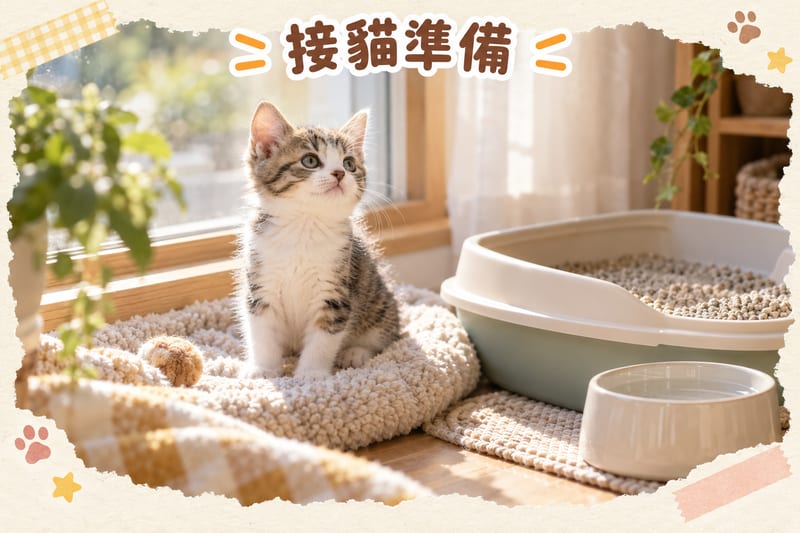
Stage 1: Before Bringing the Kitten Home (Supply List)
The book My First Cat Book reminds us: once you decide to get a cat, prepare the essentials — cat food and cat litter need regular purchasing, while cleaning tools and toys are buy once, use for years.
Must-buy before bringing the kitten home:
| Category | Item | Notes |
|---|---|---|
| Food & drink | Food bowl + water bowl (ceramic or stainless steel) | Place separately; you can have multiple water bowls |
| Food & drink | Kitten-specific food | Ask what the kitten was eating before and buy the same first; switch after 1 week |
| Toilet | Litter box + cat litter | Low-sided box for kittens for easy access |
| Travel | Cat carrier | Essential for vet visits; buy adult-cat size once |
| Grooming | Brush, nail clippers | Get them used to it from a young age |
| Play | Wand toy, toys, scratching post | Don't play with fingers (teaches biting, see how to stop kitten biting) |
| Rest | Cat bed/blanket | In a quiet corner, not by the door |
Must-do before bringing the kitten home: home safety check — tidy cables, strings and plastic bags, install window screens. For a room-by-room checklist see kitten home safety guide.
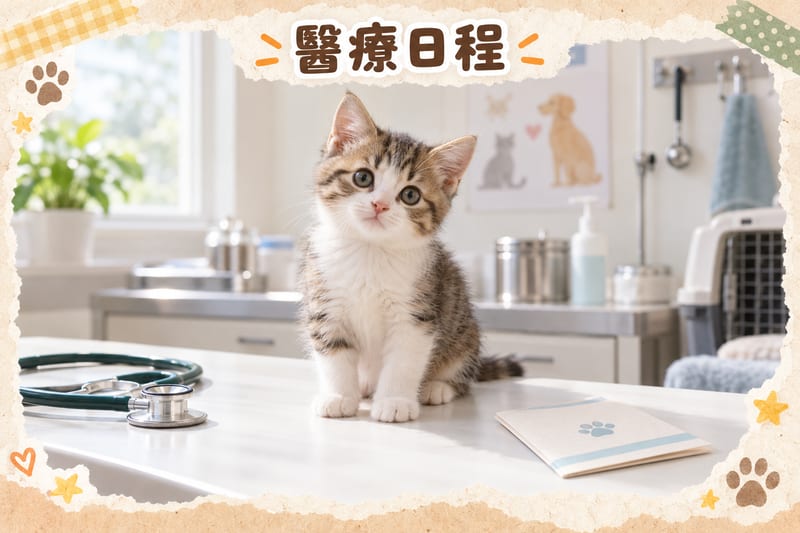
Stage 2: First-Year Medical Timeline
| Time | Item |
|---|---|
| Within a few days of arrival | Health check (once the kitten is settled); for street cats add flea, mite and parasite treatment |
| 2-3 months | First combined vaccine |
| Around 3 months | Second combined vaccine |
| 6 months-1 year | Neutering/spaying surgery |
| 1 year | Third vaccine; then annually |
Vaccine details: kitten vaccine schedule. For neutering timing and differences between males and females, see the kitten month-by-month guide.
Mental budget preparation: The book is direct — the biggest expense of keeping a cat is medical costs; without pet insurance you basically pay the full amount, so be prepared before deciding. Vet fees in Hong Kong vary widely between clinics; for the first year's vaccines + neutering + health checks, we suggest budgeting a few thousand dollars; daily food and litter range from a few hundred to over a thousand per month depending on the food you choose.
Stage 3: Establishing Daily Routines (from 3 months)
The book notes: from 3 months old, starting the day you bring the kitten home, begin training regular eating and toilet habits. A workable schedule for Hong Kong working families:
- Morning: feed breakfast → scoop the litter → check water bowls
- After work: feed dinner → play 10-15 minutes (burn energy)
- Before bed: quick check (how much eaten, litter box normal?)
- Weekly: weigh once (weigh daily before 3 months; see kitten weight chart for method)
- Monthly: review brushing frequency, check nails, restock supplies
Stage 4: Care Habits (start as a kitten, benefit for life)
The book lists seven essential care tasks, all to be established during kittenhood:
- Brushing: removes dead fur, promotes blood circulation; short-haired weekly, long-haired daily
- Flea control: even indoor cats can get fleas; prevent regularly
- Bathing and drying: cats dislike water, don't force; bathe only when dirty
- Nail clipping: kitten claws grow fast; watch they don't get stuck in carpets
- Brushing teeth: start the habit as a kitten, ideally daily — tartar is the root of periodontal disease
- Eye cleaning: wipe eye discharge immediately; a sudden increase may be a cold
- Ear cleaning: carefully clean earwax to prevent otitis externa
The only secret: during the socialisation golden period (3 weeks-3 months), get them used to being touched, so they won't resist care later. Method: kitten socialisation guide.
First-Year Month-by-Month Summary
| Age | Focus |
|---|---|
| Arrival (usually 2-3 months) | Health check, first/second vaccine, start routines |
| 3-4 months | Socialisation wrap-up, complete food transition, 3-4 meals daily |
| 4-7 months | Teething (chew toys, watch cables) |
| 6-12 months | Neutering surgery |
| 10-11 months | Switch to adult food, 2 meals daily |
| 12 months | One year old: third vaccine, officially adult |
First-Year Budget Planning (Hong Kong Edition)
The book reminds us that medical costs are the biggest expense. Hong Kong beginners can plan like this:
| Item | Nature | Budget approach |
|---|---|---|
| Food + litter | Monthly recurring | From a few hundred to over a thousand, depending on food grade |
| Vaccines (3 in first year) | One-off in first year | Charged per dose; ask when booking if consultation fee is included |
| Neutering | One-off in first year | Male cheaper than female; ask if post-op medication is included |
| Health check + deworming | Regular | Once on arrival, then as advised by your vet |
| Emergency medical | Variable | This is the big one — set aside emergency funds or consider pet insurance |
Money-saving tips: buy durable items like carriers and scratching posts well once; for food, try sample sizes first to see if your cat likes it before buying large bags.
When to Graduate from the "Kitten Chapter"
At 12 months old, third vaccine done, neutering complete, switched to adult food — your kitten has officially graduated. Care focus then shifts to weight management and annual health checks; from age 7 they enter senior years, with check-ups every 3-6 months. For adult cat health observation methods, see early warning signs of chronic disease in cats; for monthly milestone reviews, come back to the kitten month-by-month guide anytime.
Are Second-Hand Supplies Okay?
Many cat supply groups in Hong Kong have second-hand goods, which can save a lot. Principles:
- ✅ Can be second-hand: cat carrier (thoroughly disinfect), cat tree, toys (hard plastic washable)
- ⚠️ Can but must clean: litter box (thoroughly wash and disinfect; some cats mind other cats' scent)
- ❌ Not recommended second-hand: bed mats/blankets (hard to disinfect thoroughly), bowls (buy new for long-term use), brushes and nail clippers (hygiene reasons)
One Cat or Two?
The book mentions multi-cat compatibility issues. Practical considerations:
- Raising two kittens together: they keep each other company, burn each other's energy, much less loneliness — but expenses and medical costs double
- Get one first, add later: use gradual introduction (the kitten socialisation guide has detailed steps)
- Keeping two in a small Hong Kong flat is totally feasible; the key is double resources: start with two litter boxes, separate food and water bowls
Whether one or two, the timeline is the same: vaccines, neutering, food transition, health checks, month by month (kitten month-by-month guide).
The First Year at a Glance
From the day you take your kitten home, your tasks are really just three sentences: weigh daily and watch the trend, follow the medical schedule, and let them experience more during the golden period. Do these three, and everything else (which toys, which food) is fine-tuning. After a year, you'll have a healthy, affectionate, well-behaved adult cat — and the habits from this year will stay with them for life.
The checklist looks long, but each item is a one-off or monthly task. Bookmark this article and refer to it monthly; after the first year you'll realise: raising a kitten isn't as hard as you imagined — the hard part is the first step, and you've already taken it. Next, just check in monthly. The effort of the first year becomes ease for the next decade or more.
References
- Agriculture, Fisheries and Conservation Department (Hong Kong Government) — Pet Keeping Information
- Veterinary Surgeons Board of Hong Kong
- Knowledge points in this article are compiled from cat encyclopaedia books (see publication details at the end) and public veterinary guidelines
Related Products (Available in Hong Kong)
- WELLNESS CORE Grain-Free Kitten Growth Formula 250g (reference price HK$40) — sample size
- Nulo Freestyle Grain-Free Kitten Dry Food Chicken + Cod 12lb (reference price HK$600) — long-term staple
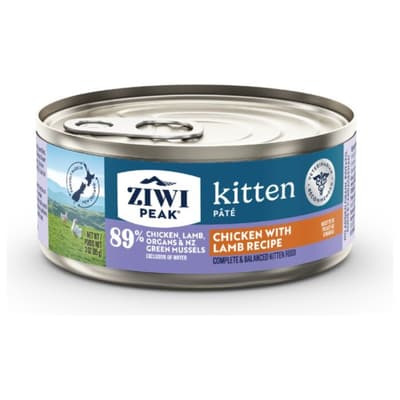
- ZiwiPeak Kitten Canned Food Chicken with Lamb 85g (reference price HK$34)
More kitten food comparisons: complete kitten food guide; adoption channels: Hong Kong cat adoption guide.
 Fuji One full guide →


 ZiwiPeak full guide →
 Almo Nature full guide →