Quick answer: A kitten's first combined vaccine is given at 2-3 months old (when maternal antibodies have waned), the second jab at around 3 months, the third a year later, and then once every year. The first thing to do when you take in a kitten is to get its vaccination card; if there is no card, book a vet health check as soon as possible and set up a vaccination plan at the same time.
Why 2-3 months is the critical window
The book My First Cat Book explains that kittens get maternal antibodies from their mother's milk, and these antibodies protect them until around 2.5 to 3 months old. Once the antibodies are gone, the kitten loses its shield — so the first combined vaccine should be timed to take over when the antibodies fade, at around 2 months old.
If you get a kitten from a pet shop or breeder, some may have had their first jab before being rehomed. Always ask and get the vaccination card when you take the kitten — double vaccination or missed doses are both bad.
Kitten vaccination schedule (as per the book)
| Time | Item | Notes |
|---|---|---|
| 2-3 months | First combined vaccine | Window when maternal antibodies wane |
| Around 3 months | Second combined vaccine | Boosts immunity |
| Same period | Health check | A few days after taking the kitten in, once it has settled |
| 1 year after second jab | Third combined vaccine | Then move to annual boosters |
| Adult stage | Once every year | Even for indoor-only cats |
The book also gives a very practical reminder: many pet hotels and medical facilities that require hospitalisation will not accept cats without a vaccination record. When you travel during holidays in Hong Kong and need boarding, the vaccination card is your entry ticket.
Extra steps for stray or adopted kittens
If you have picked up a kitten from the street or adopted one, besides vaccination, the book suggests discussing the following with your vet as soon as possible:
- Flea and tick treatment: strays almost always have them
- Deworming: common in kittens and can affect weight gain
- Health check: first confirm the kitten is well enough for vaccination (do not vaccinate if ill)
For the adoption process and questions to ask, see the Hong Kong cat adoption guide.
Pre- and post-vaccination checklist for Hong Kong cat owners
Before vaccination:
- Only take the kitten when it is eating and active normally (do not vaccinate if ill or has diarrhoea)
- Bring the vaccination card (if any)
- Ask clearly whether the price includes the consultation fee
After vaccination:
- For 24-48 hours, being quiet and eating less is a common reaction; just observe
- ⚠️ Facial swelling, persistent vomiting, difficulty breathing → allergic reaction, return to the clinic immediately
- For two weeks after vaccination, keep unvaccinated kittens away from other cats (as the book advises, especially in multi-cat households)
- Note the date of the next jab and set a phone reminder
Fitting in with other kitten schedules
Vaccination is only part of a kitten's health schedule: neutering should be arranged between 6 months and 1 year old (you can discuss timing with your vet during a vaccination visit). For a full month-by-month schedule, see the kitten month-by-month guide; the timing and details of neutering are also listed there.
Common misconceptions
| Misconception | Reality |
|---|---|
| "Indoor cats don't need vaccinations" | Viruses can be brought in on people's shoes and clothes; boarding and hospitals will refuse cats without a vaccination card |
| "One jab lasts a lifetime" | Antibodies decline over time, so annual boosters are needed |
| "Stray cats are too dirty to vaccinate" | Strays need it even more — deworm and health-check first, then vaccinate once stable |
| "Vaccination is dangerous" | Severe allergic reactions are rare; staying at the clinic for 15-30 minutes after the jab for observation is a safe practice |
How to coordinate vaccination and neutering
Hong Kong vets generally recommend completing vaccinations before neutering — because surgery requires anaesthesia, and it is safer when the cat's immune status is good. In practice: first jab at 2-3 months, second at around 3 months, neutering at 6 months to 1 year — the timing fits perfectly. When you take the kitten in, discuss the whole year's plan with the vet at once so you don't have to remember each item separately. For a full checklist of everything in the first year, see the kitten first-year preparation checklist; home-proofing should be done at the same time: kitten home safety guide.
Practical vaccination in Hong Kong: choosing a clinic and booking
Kitten vaccinations in Hong Kong are usually done at veterinary clinics. Practical tips:
- Book ahead: say it is the kitten's first vaccination; the clinic will allow more time for a physical examination
- Bring a cat carrier: you need one even for taxis in Hong Kong; line it with a towel that smells of home to help the cat settle
- Ask about the combination: combined vaccines cover common infectious diseases; the specific combination and whether to add other jabs should be advised by the vet based on the Hong Kong situation and the cat's lifestyle (e.g. whether it will contact other cats)
- Get the vaccination card: collect the record after each jab; it will be useful for boarding, emigration and changing clinics
When choosing a clinic, don't look only at price — a kitten's first veterinary experience shapes its attitude to clinics for life. You can ask which clinic is willing to take things slowly and let the cat explore the consultation table for a while before starting.
Caring for your kitten at home after vaccination
- Don't let it get too excited on the day; provide a quiet resting place
- Appetite may be slightly reduced; offer its favourite wet food to tempt it
- You may feel a small lump at the injection site, which usually disappears within a few weeks; if it grows or persists, have it checked by the vet
- Observe for 48 hours: facial swelling, persistent vomiting, difficulty breathing = return to the clinic immediately
After the first year
Vaccination is not just for kittens: the third jab is given one year after the second, and then once every year for adults. The book also reminds us that from 7 years old (senior stage), besides vaccinations, health checks every 3-6 months are needed. For health monitoring of adult and senior cats, see early warning signs of chronic disease in cats and the checklist for taking your cat to follow-up appointments — the habit of weighing and keeping records started in kittenhood is still useful in old age.
Special situations
Missed the second jab: you don't need to start over; catch up as soon as possible. But before the catch-up, the cat's protection is incomplete, so keep it away from other cats during this time.
Emigration or moving house: the vaccination card is an essential document; many places outside Hong Kong require vaccination and blood tests for pet entry, and a complete card makes things much smoother. If you plan to emigrate, discuss with your vet at least six months in advance.
Boarding: the book reminds us that many pet hotels will not accept cats without a vaccination record. If you need boarding for a holiday, make sure the vaccinations were completed some time before boarding — you cannot "vaccinate today and board tomorrow".
Small lump after vaccination: a small lump at the injection site usually disappears within a few weeks; but if it is still there after a month or is growing, have it checked by the vet without delay.
One last reminder: vaccination is not a one-off — keep the card safe and booster every year. From the first jab, you are already building a lifelong health record. The more complete this record, the easier it is for any vet at any clinic to take over in the future, and you won't have to worry when moving house or emigrating.
References
- Agriculture, Fisheries and Conservation Department (Hong Kong Government) — Pet Keeping Information
- Veterinary Surgeons Board of Hong Kong
- The knowledge points in this article are compiled from cat encyclopaedia books (see publication details at the end) and public veterinary guidelines
Frequently asked questions
Q: When should a kitten get its first jab? A: At 2-3 months old, the window when maternal antibodies wane.
Q: What if I miss a booster? A: You don't need to start over; catch up as soon as possible, and the vet will adjust the timing of subsequent jabs based on the cat's age.
Q: What if I lose the vaccination card? A: Ask the original clinic to reissue it; if there is no record at all, the vet may recommend restarting a full course for safety.
Related products (available in Hong Kong)
Good nutrition before and after vaccination helps build resistance; high-nutrition food for kittens:
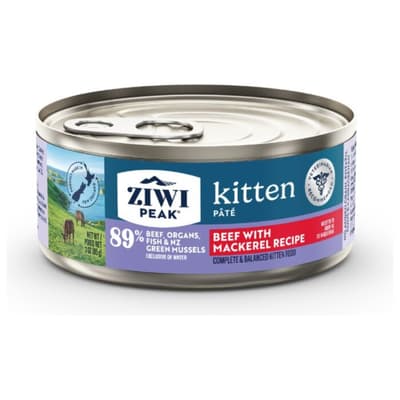
- ZiwiPeak Kitten Canned Food Beef with Mackerel 85g (reference price HK$34)
- WELLNESS CORE Grain-Free Kitten Growth Formula 250g (reference price HK$40)
- Nulo Freestyle Grain-Free Kitten Dry Food Turkey + Duck 12lb (reference price HK$600)
Key points
- ✅ First jab at 2-3 months, second at around 3 months, third a year later, then annually
- ✅ Get the vaccination card when taking the kitten in; for strays, add deworming and flea treatment
- ✅ Indoor cats also need vaccinations — boarding and hospitals will refuse cats without a card
- ❌ Do not vaccinate if ill; keep unvaccinated kittens away from other cats for two weeks after vaccination
- 📌 Facial swelling or persistent vomiting after vaccination → return to the clinic immediately
The above is for reference only and cannot replace veterinary diagnosis and treatment. If your kitten shows any abnormality, seek veterinary advice as soon as possible; consult your vet about feeding, vaccination and neutering arrangements.
 Fuji One full guide →


 ZiwiPeak full guide →