Quick answer: Book data: 85% of cats over 3 have periodontal disease; senior cats have weaker immunity, so oral bacteria multiply more easily and can travel through the bloodstream to attack the heart, kidneys and liver. Teeth cleaning requires sedation or anaesthesia, and whether a senior cat can undergo it depends on pre-operative blood tests and a heart assessment—not on age alone. Daily essentials: brush 1-2 times per week plus regular veterinary oral examinations.
Why a senior cat's mouth is a hidden time bomb
The numbers in the book Cat Family Medicine Encyclopedia are worth every cat owner remembering: 85% of cats over 3 have periodontal disease—meaning that a cat that has had no oral care will almost certainly have problems in its mouth by the time it is old.
Periodontal disease progresses like this: plaque → tartar buildup → gum inflammation (gingivitis) → inflammation spreads to the tissues around the tooth (periodontal disease) → gum recession, alveolar bone resorption → loose teeth, tooth loss. There may be no obvious signs throughout—the cat still eats (eating through pain), and by the time it really stops eating, it is often already very advanced.
For senior cats there are two additional blows:
- Weaker immunity: the book Complete Guide to Raising Cats notes that senior cats have weaker immunity, oral bacteria multiply more easily, and tartar and plaque build up faster.
- Bacteria entering the blood: the book explicitly warns that oral bacteria can travel through the bloodstream to attack the heart, kidneys and liver—adding insult to injury for senior cats' organs, which are already degenerating.
So the mouth is not just 'a mouth matter'—it is a whole-body matter.
Warning signs you can see at home
| Warning sign | What to look for | Possible cause |
|---|---|---|
| Bad breath | Persistent, not just a fleeting smell | Periodontal disease / stomatitis |
| Drooling | Wet corners of the mouth, chin fur constantly wet | Oral pain |
| Odd eating behaviour | Chewing on one side, taking a bite then stopping, dropping food | Toothache / gingivitis |
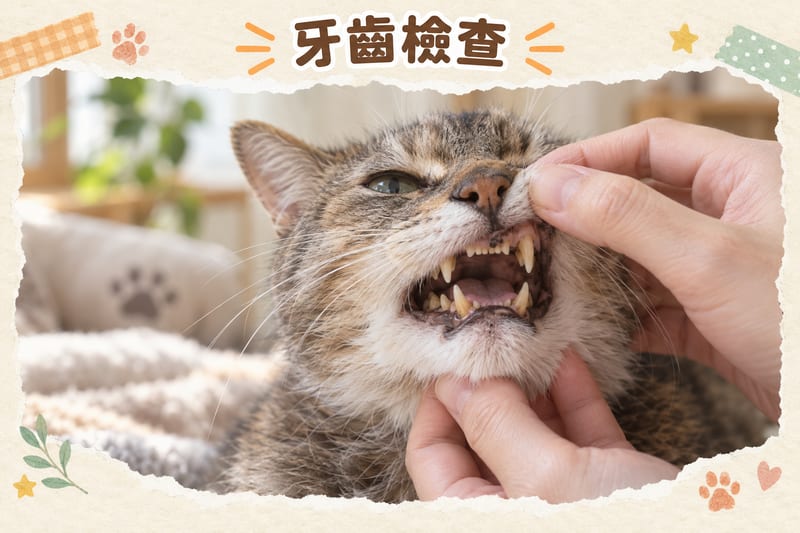
| Red line on gums | Lift the lip and look at the gum margin | Gingivitis |
| Won't let you touch the mouth | Normally allows petting but moves away at a touch now | Oral pain |
| Reduced appetite | See What to Do About a Senior Cat's Poor Appetite | Toothache is a common cause |
How to arrange teeth cleaning: assessing anaesthesia risk
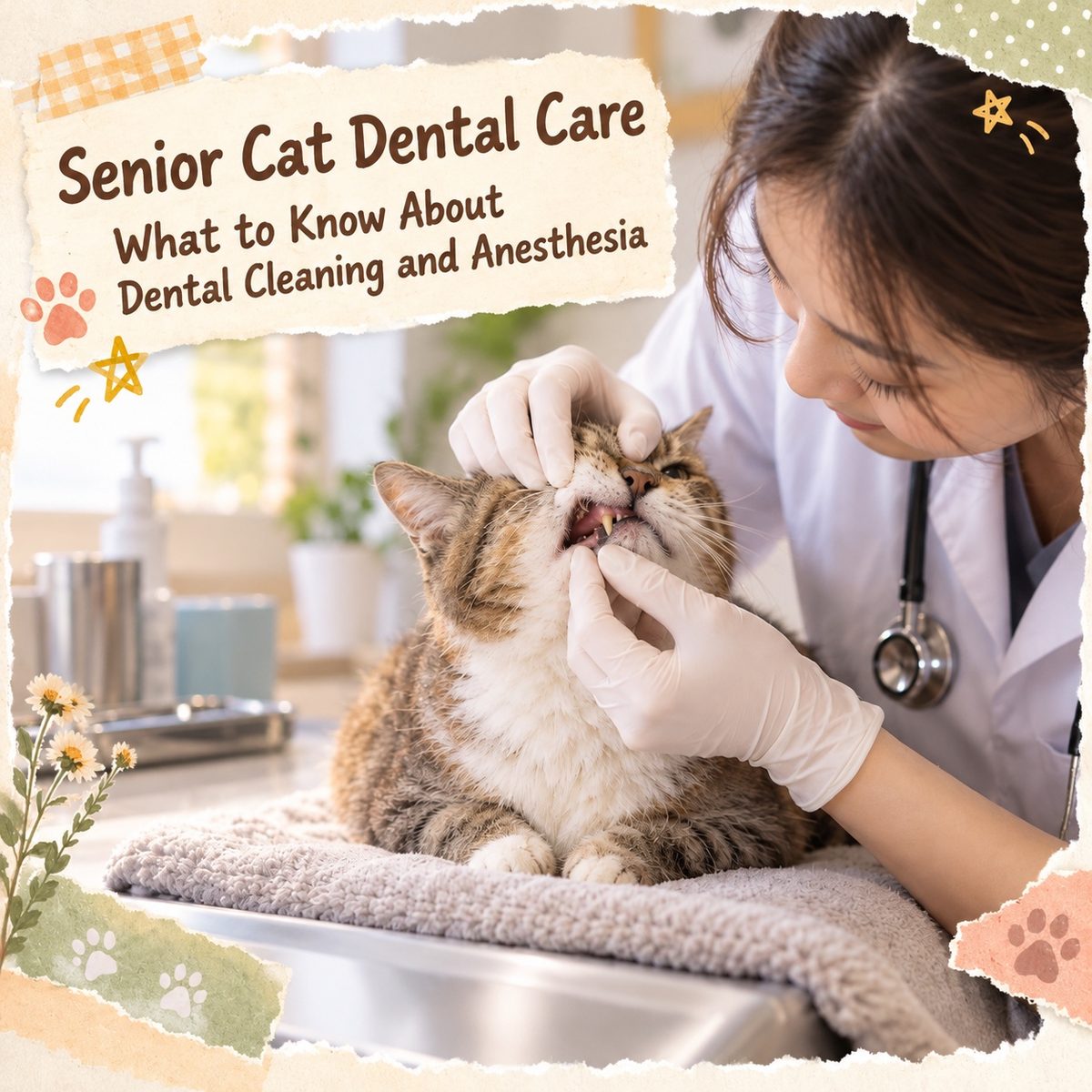
Teeth cleaning always requires sedation or anaesthesia—that is common sense; no cat will close its eyes and let you scrape tartar. Whether a senior cat can undergo it is determined not by age but by physical condition:
- Pre-operative blood tests: kidney function, liver function, blood sugar, blood cells—anaesthetic drugs are metabolised by the liver and kidneys, so if the numbers are not good, the plan must be adjusted or the procedure not done.
- Heart assessment: if a murmur is heard on auscultation, a cardiac ultrasound may be needed.
- Veterinarian's judgement: the risk of periodontal disease (ongoing infection, pain, bacteria entering the blood) versus the anaesthetic risk—the veterinarian will weigh these with you.
Key point: 'Old' is not a contraindication to anaesthesia; disease is. A 14-year-old cat with normal organ function may be a better candidate than a 10-year-old cat with kidney disease. Pre-operative assessment is exactly for distinguishing this. For details of check-up items, see the Senior Cat Check-up Guide.
During teeth cleaning the veterinarian will also: take dental X-rays (root lesions cannot be seen on the surface), extract teeth that cannot be saved, and polish to slow tartar from building up again.
For the cost range and the items to ask about when getting a quote, see Cat Teeth Cleaning Cost Hong Kong | Price Range, Anaesthesia Risk, Tartar and Tooth Resorption.
What to do about loose teeth
Loose teeth are not 'normal ageing'; they are the result of periodontal disease. For a cat that has lost teeth:
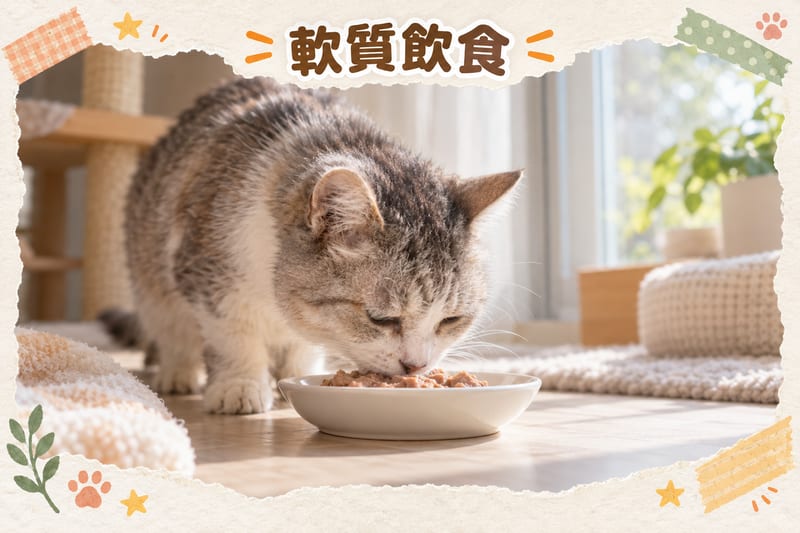
- Switch to soft food: pâté, mousse, small pieces (cats do not really need to chew—they can swallow—but soft food is much more comfortable).
- Examine the remaining teeth: infection usually does not affect just one tooth.
- Monitor appetite more closely: oral pain during tooth loss can cause food refusal; if the cat does not eat for more than 24-48 hours, seek veterinary care (risk of fatty liver).
Stomatitis: the toughest opponent
The book describes stomatitis as a 'very difficult oral disease to treat'. It is different from ordinary periodontal disease: it is an overreaction of the immune system to the mouth, with inflammation of the entire oral mucosa, so painful that the cat dare not eat.
The treatment ladder: teeth cleaning plus medication to control → partial extraction → full-mouth extraction. The book's data are honest: a small number of cats may continue to have inflammation even after extraction. But do not misunderstand—most cats can have their pain controlled and resume eating after treatment. For a detailed discussion of stomatitis, see the Cat Stomatitis Guide.
Daily care: brushing is the mainstay
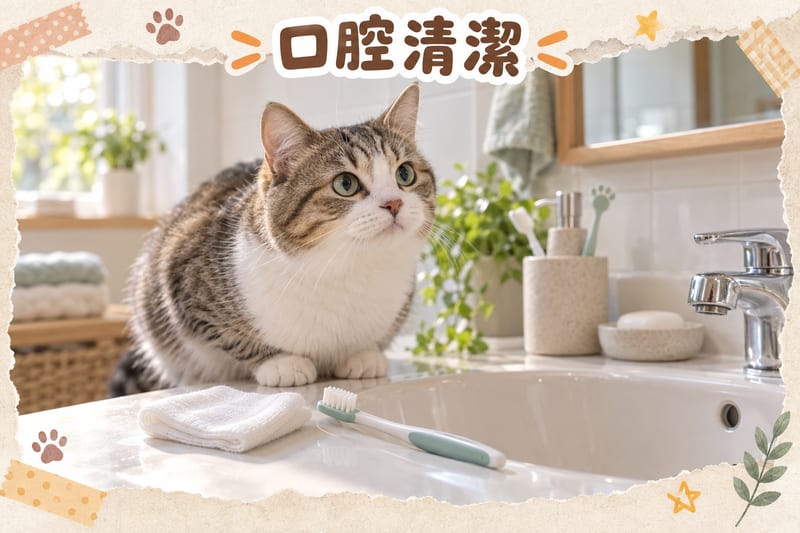
The book recommends: brush your cat's teeth 1-2 times per week, and training from kittenhood is ideal. What if a senior cat has never had its teeth brushed? You can still start, just with more patience:
- Weeks 1-2: lift the lip for 5 seconds each day and reward with a treat—build 'touching the mouth = something good'.
- Week 3: wrap a finger in gauze, dip it in cat toothpaste (chicken-flavoured—they will lick it as a treat), and gently wipe the tooth surface.
- From week 4: switch to a finger brush or a small-headed toothbrush, and brush the outer tooth surfaces in circles (the cat's tongue cleans part of the inner surfaces itself).
Use cat toothpaste—the fluoride and foaming agents in human toothpaste are harmful to cats.
For cats that refuse brushing, the next best things: dental toys, dental chews (the book reminds us: they only work if the cat is willing to chew; treats swallowed in one bite have no cleaning effect), and veterinary-prescribed dental care food. These are adjuncts and cannot completely replace brushing and teeth cleaning.
Care after teeth cleaning
Teeth cleaning is not the end; it is a fresh start:
- First few days: after anaesthesia the cat may be tired and have a poor appetite; provide soft food and a quiet environment. If teeth were extracted, the veterinarian will prescribe pain relief and antibiotics—follow the full course.
- Diet: for 1-2 weeks after extraction, feed only soft food (pâté, mousse) to let the gums heal.
- From the day of cleaning: tartar starts building up again from zero—this is the best time to start brushing training (start once the mouth is no longer painful, usually after two weeks).
- Follow-up: the veterinarian will arrange a recheck to see how the gums are healing; after that, every routine check-up should include an oral examination.
How to lengthen the time until the next teeth cleaning: brushing 1-2 times per week is the only main method recognised by the book. For adjuncts such as dental chews and mouthwash, ask the veterinarian which is suitable for your cat, but do not expect them to replace brushing.
Related articles
- What to Do About a Senior Cat's Poor Appetite: toothache is the first thing to rule out
- Senior Cat Check-up Guide: items for pre-operative assessment
- Cat Stomatitis Guide: dedicated article on stomatitis
- Early Warning Signs of Chronic Disease in Cats: how to detect problems early
- Complete Senior Cat Care Guide: overview of senior cat care
The general teeth-cleaning process in Hong Kong
Taking a cat for teeth cleaning in Hong Kong generally goes like this: first book a veterinary appointment to examine the mouth and assess severity → schedule the cleaning day and have pre-operative blood tests done within one or two weeks before → fast the cat from the morning of the day → teeth cleaning under anaesthesia plus dental X-rays and extractions as needed → pick the cat up in the evening. The cost is affected by three factors: length of anaesthesia (more tartar means longer), number of extractions, and pre-operative test items. When booking, ask clearly whether the quote includes blood tests and X-rays to avoid surprises later. When choosing a clinic, ask one key question: 'Does the teeth cleaning include dental X-rays?'—without X-rays, root lesions cannot be seen, and that is the dividing line in quality of teeth cleaning.
References
- Agriculture, Fisheries and Conservation Department (Hong Kong Government) — Pet Keeping Information
- Veterinary Surgeons Board of Hong Kong
- The knowledge points in this article are compiled from cat encyclopaedia books such as Cat Family Medicine Encyclopedia and Complete Guide to Raising Cats.
Related products (available in Hong Kong)
For senior cats with oral discomfort, soft, strongly flavoured food is a good transitional help:
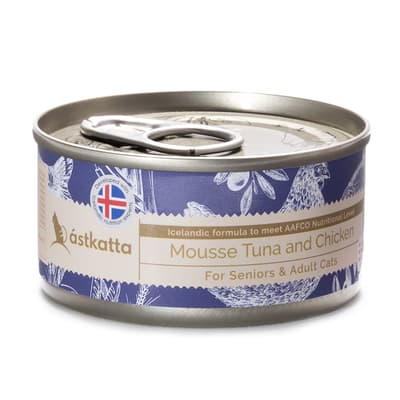
- Astkatta Mousse Series Senior Cat Tuna + Chicken 80g ($14, checked 2026-10-12)
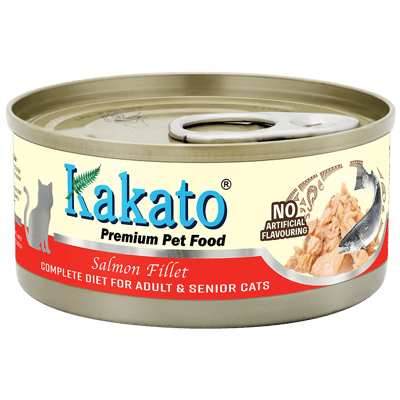
- Kakato Complete Single-Protein Wet Food for Adult and Senior Cats Salmon 70g ($13.5)
The above is for reference only and cannot replace veterinary diagnosis and treatment. For assessment and arrangements regarding anaesthesia for teeth cleaning, please consult your veterinarian; seek medical attention promptly if there is oral bleeding or the cat stops eating.
Frequently asked questions
Q: My senior cat needs anaesthesia for teeth cleaning—can it still be done at this age? A: It depends on physical condition, not age. Pre-operative blood tests (kidney, liver, blood sugar) plus a heart assessment are the deciding factors. The risk of leaving periodontal disease untreated (bacteria entering the blood and attacking the heart, kidneys and liver) is often greater than the anaesthetic risk.
Q: How often should a cat have its teeth cleaned? A: There is no fixed answer; it depends on how quickly tartar builds up. Brushing 1-2 times per week at home can greatly lengthen the interval; asking the veterinarian to assess the mouth during every check-up is the safest approach.
Q: Is it normal for a senior cat's teeth to fall out? A: No—loose teeth are the result of advanced periodontal disease. You need to switch to soft food and examine the remaining teeth to prevent the infection from spreading.
Q: Can I use human toothpaste? A: No. Fluoride and foaming agents are harmful to cats; you must use cat toothpaste (usually chicken-flavoured, which cats lick as a treat).
📌 Key points
- ✅ 85% of cats over 3 have periodontal disease—without care, it is almost certain to strike
- ✅ Oral bacteria can enter the blood and attack the heart, kidneys and liver
- ✅ Whether anaesthesia can be done depends on pre-operative blood tests, not age
- ✅ Brushing 1-2 times per week—even senior cats can learn
- ❌ 'Cat breath is just like that'—persistent bad breath is a sign of disease
- ❌ Using human toothpaste
 Kakato full guide →
 Astkatta full guide →