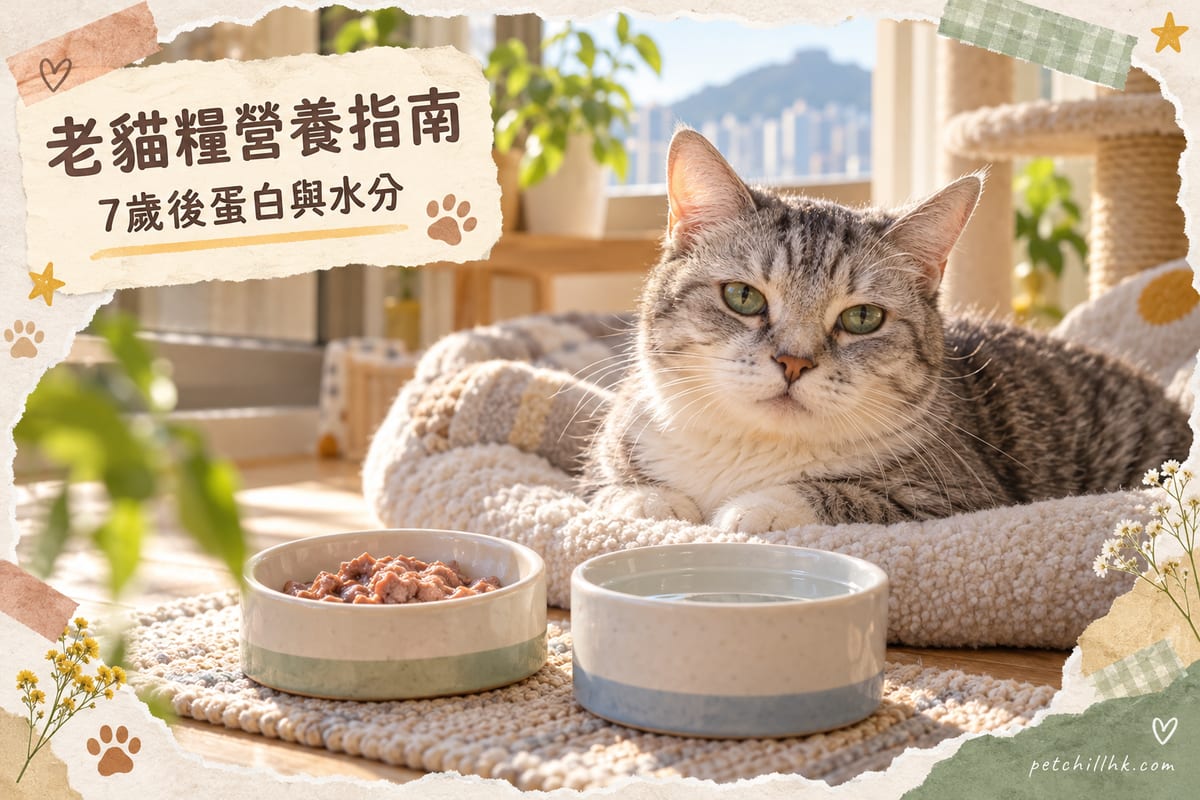
Quick answer: Cats over 7 should not be put on a blanket "low protein" diet—senior cats are at high risk of muscle loss (sarcopenia), and protein quality is more critical than quantity. Phosphorus restriction should be based on kidney function (IRIS staging), not age. The real priorities are: water intake (thirst drive declines in senior cats), dental issues (affecting eating), and regular blood tests (every 6 months from age 7).
3 Key Points
- Protein should not be drastically reduced: Only advanced CKD requires restriction; generally, senior cats need high-quality animal protein to prevent muscle loss.
- Phosphorus should be decided by blood tests: Healthy senior cats do not need phosphorus restriction; only confirmed CKD requires control by IRIS stage (Stage 1-2 ≤150 mg/100 kcal, Stage 3-4 ≤120 mg/100 kcal).
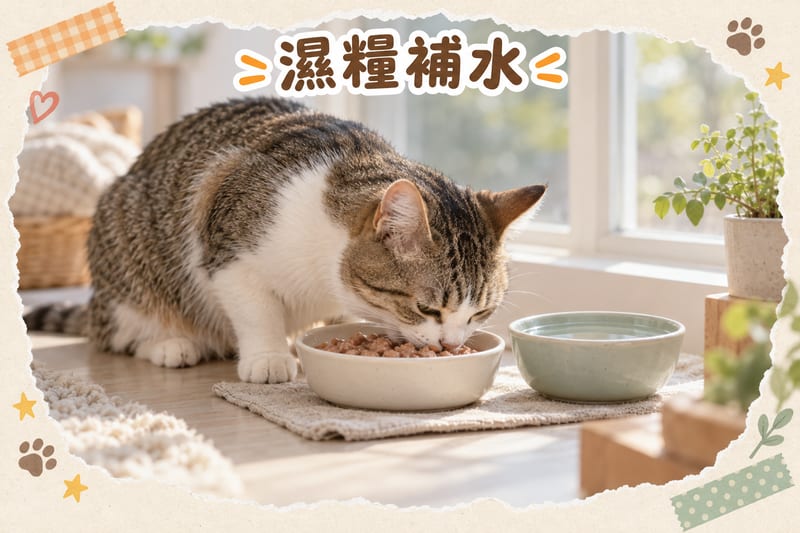
- Moisture and dental health are practical priorities: Wet food addresses both hydration and chewing issues, making it the most practical adjustment for senior cats.
Nutritional Priorities for Senior Cats (Over 7 Years)
| Item | Recommendation | Reason |
|---|---|---|
| Protein | Maintain highly digestible animal protein; do not reduce drastically | Senior cats lose muscle quickly; restricting protein too early accelerates weight loss |
| Fat | Maintain moderate levels; adjust only if overweight | Sense of smell declines in senior cats; fat improves palatability |
| Phosphorus | No restriction for healthy seniors; for confirmed CKD, follow staging | Early phosphorus restriction may affect other nutritional balances |
| Moisture | Increase (wet food 78-88% moisture) | Thirst drive declines and kidney concentrating ability worsens in senior cats |
| Texture | Soft/pâté | Periodontal disease, tooth loss, and oral pain are common |
| Calories | Small, frequent meals; monitor weight | Declining sense of smell reduces appetite; they cannot eat much in one meal |
Monitoring method: Weigh every 1-2 months, and perform body condition score (BCS) and muscle condition score (MCS). Slow weight loss in senior cats is the earliest warning sign and should not be dismissed as "normal aging".
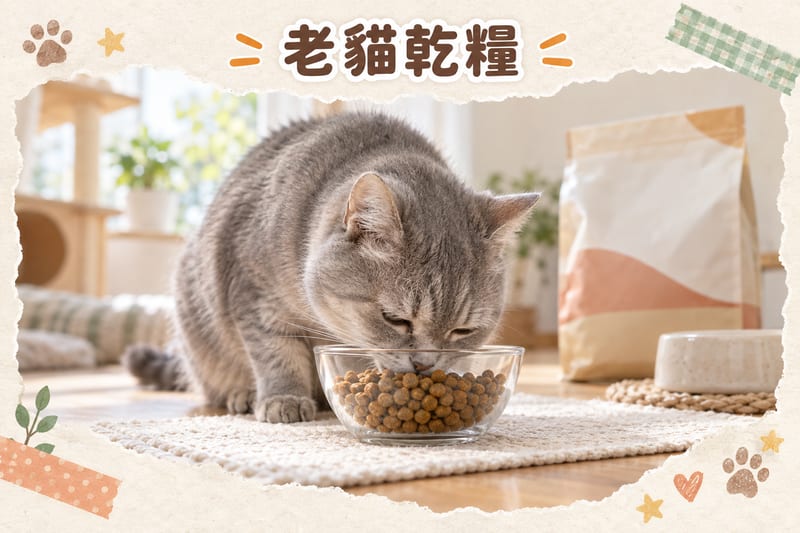
Hong Kong Real Prices: Senior Cat Food (Checked 2026-10-02)
| Product | Type | Net Weight | Hong Kong Price | Price per kg | Label Highlights |
|---|---|---|---|---|---|
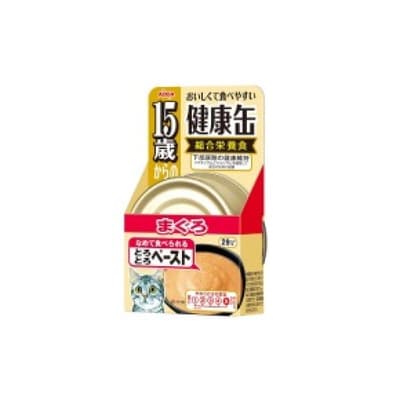
| AIXIA 15+ Senior Cat Can Tuna 40g | Wet food | 40g | $6.2 | $155/kg | Moisture 88%, protein 5.6%, fat 2.6% |
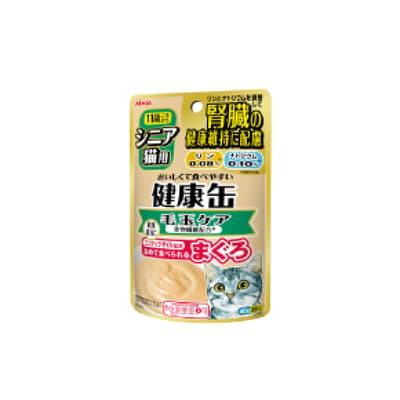
| AIXIA Low Magnesium Low Phosphorus Senior Cat Hairball Control 40g | Wet food | 40g | $7.2 | $180/kg | Low magnesium, low phosphorus formula |
| CIAO 14+ Senior Cat Can Chicken 75g (discontinued) | Wet food | 75g | $9 | $120/kg | Senior cat specific formula |
| WELLNESS Grain-Free Senior Cat Pate 85g (discontinued) | Wet food | 85g | $8.3 | $98/kg | Grain-free pâté texture |
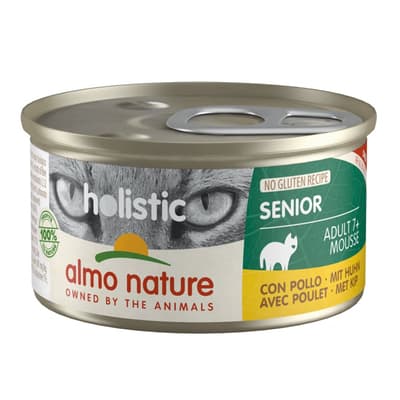
| Almo Nature Holistic Senior Cat Care 85g | Wet food | 85g | $11.3 | $133/kg | Protein 10.7%, fat 5.5%, phosphorus 0.16% |
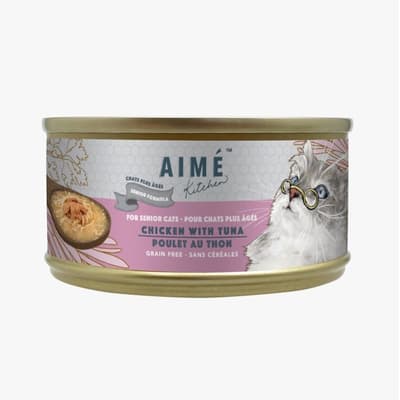
| AIME Senior Cat Can Chicken with Tuna 75g | Wet food | 75g | $14 | $187/kg | Moisture 85%, calories 690 kcal/kg, phosphorus 0.25% |
| now FRESH Grain-Free Senior Cat Pâté 70g | Wet food | 70g | $20 | $282/kg | Moisture 78%, calories 953 kcal/kg |
| Royal Canin MATURE CONSULT Senior Cat Prescription 85g | Prescription wet food | 85g | $15.5 | $182/kg | Veterinary guidance product |
| ProSeries Weight Control Senior Cat Dry Food 5.8kg | Dry food | 5.8kg | $310 | $53/kg | Weight management formula ($53/kg, lower price range for large packaging) |
| Leonardo Grain-Free Senior Cat Food 300g | Dry food | 300g | $58 | $193/kg | Phosphorus 0.9%, moisture 10% |
| Nulo Freestyle Grain-Free Senior Cat Dry Food 5lb | Dry food | 2.27kg | $338 | $149/kg | Grain-free, sweet potato formula |
| HeroMama Probiotic Crystal Ball Stuffed Food (Adult Cat Formula) 400g | Dry food | 400g | $91 | $228/kg | Phosphorus 0.9%, moisture 8.7% (not senior-specific, for price comparison) |
Daily Cost Comparison (4kg Senior Cat, approx. 200-250 kcal/day)
| Option | Hong Kong Price | Daily Cost |
|---|---|---|
| Dry food ($57-90/kg range) | $310/5.44kg ($57/kg) | Approx. $10.5-16.8 (250 kcal estimate) |
| AIME Senior Cat Can (labeled 690 kcal/kg) | $14/75g | Approx. $68 (all-canned feeding) |
| now FRESH Senior Cat Pâté (labeled 953 kcal/kg) | $20/70g | Approx. $74 (all-canned feeding) |
| Mixed feeding (dry food + 1 senior can daily) | Sum of both | Approx. $18-25 |
| Budget senior wet food ($98-155/kg) | $6.2-9/can | All-canned approx. $48-68 |
Practical advice: Senior cats need moisture and protein quality most; you don't have to buy the most expensive. Using "dry food ($57-90/kg) + one senior wet food can daily" saves a lot compared to all-freeze-dried or all-canned, while meeting hydration and palatability needs.
Common Senior Cat Problems and Dietary Responses
| Common Condition | Dietary Response | Notes |
|---|---|---|
| Chronic kidney disease (CKD) | Use renal prescription food according to IRIS stage; control phosphorus density | Requires blood test staging; see Phosphorus and Kidney Guide |
| Hyperthyroidism | Veterinary treatment is primary; some cases use iodine-restricted diet | Requires blood test confirmation; diet cannot replace treatment |
| Periodontal disease/dental pain | Soft wet food, pâté texture; avoid hard kibble | Chewing on one side, drooling are warning signs |
| Arthritis | Weight management (weight loss reduces joint burden) + Omega-3 | See Taurine and Fish Oil Guide |
| Decreased appetite | Small, frequent meals; slightly warm food to enhance aroma | Sudden refusal to eat for over 24 hours requires veterinary attention |
| Constipation | Increase moisture, moderate fibre | Dehydration in senior cats worsens constipation |
| Diabetes | High-protein, low-carbohydrate diet + veterinary treatment | Requires professional formula; do not adjust on your own |
Recommended Checkup Checklist from Age 7
| Frequency | Item |
|---|---|
| Every 6 months | Weight, BCS/MCS assessment, oral examination |
| Every 6-12 months | Complete blood count, biochemistry (kidney, liver), thyroid T4, urinalysis |
| Every 6-12 months | Blood pressure (hypertension is common in senior cats and often asymptomatic) |
| As needed | Cardiac ultrasound, X-ray/ultrasound, retinal examination |
Sources
- Agriculture, Fisheries and Conservation Department (Hong Kong Government) — Pet Care Information
- Veterinary Surgeons Board of Hong Kong
- IRIS (International Renal Interest Society) CKD guidelines: serum phosphorus staging targets (Stage 1-2 2.7-4.5, Stage 3 <5.0, Stage 4 <6.0 mg/dL) and dietary phosphorus density recommendations (Stage 1-2 ≤150, Stage 3-4 ≤120 mg/100 kcal).
- WSAVA Global Nutrition Guidelines: recommend using body condition score (BCS) and muscle condition score (MCS) to monitor weight and muscle, and choosing food with a "complete and balanced" statement.
- AAFCO cat food nutrient profiles: adult maintenance minimum crude protein 26%, phosphorus 0.5%, taurine 0.10% on a dry matter basis; there is no independent legal standard for senior cats; it is a market category.
- NRC (National Research Council) 2006: recommended total daily water intake for cats 50-60 ml/kg body weight.
- Product prices, net weights, labels (moisture/protein/fat/phosphorus/calories): PetChill product pages (checked 2026-10-02).
The above content is for reference only and cannot replace veterinary diagnosis or prescription. Health problems in senior cats should be assessed by a registered veterinarian; please consult your veterinarian for feeding adjustments.
How to Read Food Bag Labels (Plain Language)
- Moisture: 78-88% is normal for wet food; "wet food" with less than 80% has reduced hydration effect
- Phosphorus: Labels mostly show "%", which must be converted to mg/100 kcal to compare with IRIS recommendations—if you don't know how to calculate, ask your veterinarian or see the Phosphorus and Kidney Guide
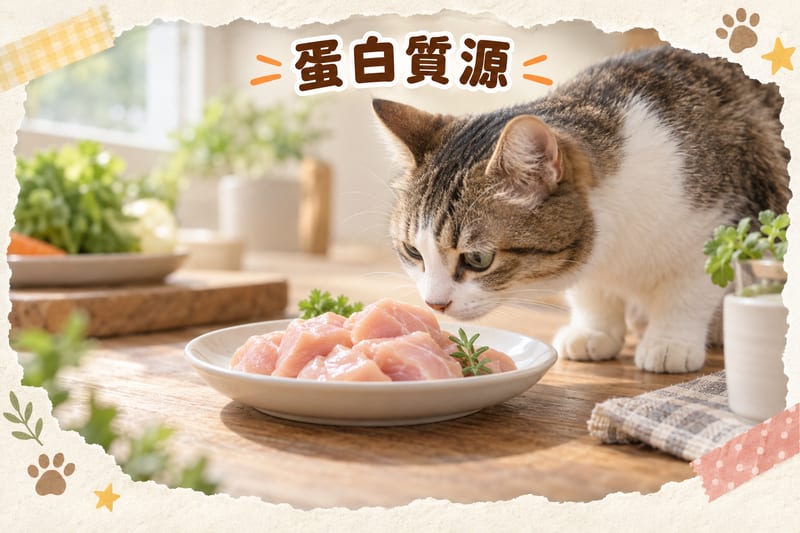
- Protein: For senior cats, quality over quantity—prioritise formulas where "animal protein source" is first
- "Senior formula": AAFCO has no independent standard for senior cats; these words are a market category—so look at the ingredient list rather than the name on the bag
Coordination with the Cluster
This is the diet article in the senior cat care cluster. Other topics: Senior Cat Care Full Guide (overview), Senior Cat Checkup Guide, What to Do About Poor Appetite in Senior Cats, Senior Cat Joint Degeneration, Senior Cat Dental Care.
Practical Steps for Switching Food
Senior cats have more sensitive digestion than younger cats; switching food should take 7-14 days: for the first three days, new food makes up 25%, then increase by 25% every two to three days, checking stools daily—if soft stools or vomiting occur, go back to the previous ratio and pause for a few days. Once a senior cat is eating something, do not switch without reason; stability trumps novelty.
📌 Key Summary
- ✅ Healthy senior cats do not need a blanket protein reduction; quality matters more than quantity
- ✅ Phosphorus restriction is determined by blood test IRIS staging, not age
- ✅ Wet food addresses both hydration and dental issues; mixed feeding costs about $18-25/day
- ❌ "Senior cat food" is a market category, not a legal standard; read the ingredient list
- ❌ Do not wait if appetite is poor for more than two days; see a veterinarian
Further Reading
- Which Cat Food Is Good in Hong Kong? 2026 Top 10 Popular Cat Food Brands Guide →
- 12 Popular Cat Foods Recommended by Scenario (Hong Kong Real Prices) →
- Phosphorus and Kidneys: mg/100kcal Comparison and Prescription Food Selection →
- Canned Cat Food vs Dry Food: Moisture Content, Water Intake and Daily Cost →
- How to Distinguish Complete Wet Food from Complementary Wet Food? Label Identification Method →
- Taurine and Fish Oil: How Much Per Day? →
- Kitten Food Guide: Feeding Amount Curve and 14-Day Food Switching SOP →
⚠️ Some products mentioned in this article have been discontinued (marked "discontinued" in the text); the prices are records before discontinuation; for other products, please refer to the current prices displayed on the online store.
 Royal Canin full guide →
 Almo Nature full guide →
 AIXIA full guide →