Quick answers
Storage temperature for pet medication is determined by the packaging or pharmacy label: most tablets and capsules are room temperature 20–25°C, with brief fluctuations acceptable between 15–30°C; insulin and opened oral liquids require refrigeration at 2–8°C; 'cool place' means 8–15°C; freezing is generally not allowed. Always follow the label, veterinarian and pharmacist instructions.
- Room temperature = 20–25°C, brief fluctuations acceptable 15–30°C, but must not reach above 40°C.
- Refrigerate = 2–8°C, place on a middle shelf, not in the door, and not against the freezer compartment.
- Hong Kong's average relative humidity in June is 82%; the ideal storage spot is a dry, sealed cabinet with humidity below 60%.
- Bathroom measurements show humidity can reach 33%–100% and temperature 13.8–31.5°C, making it the worst place for a medicine cabinet.
- A parked car in sunlight can heat up by an average of about 22°C in an hour; pet medication should not be left in the car.
- Insulin, once opened, is generally used within 42 days (per that product's label) and must never be frozen.
- If medication changes colour, clumps, smells odd or is expired, do not give it; return it to the clinic or pharmacy for disposal.
The question 'At what temperatures should pet medication be stored?' is not answered by a single number but by three temperature bands: room temperature (20–25°C, brief fluctuations 15–30°C), cool (8–15°C), refrigerated (2–8°C), plus a very few products requiring freezing (−25 to −10°C). The United States Pharmacopeia (USP) packaging and storage chapter defines these ranges, and veterinary medicine labels follow the same concepts; labels often add requirements such as 'protect from light', 'protect from moisture' and 'keep tightly closed', which are as important as temperature. So the first step is always to read exactly what is written on the box you have, then compare with your home environment. For the broader principles of medication safety, see the Pet Medication Safety Guide.
Hong Kong's difficulty is that the environment itself is close to or even exceeds the limits: summer temperatures often 31–33°C, relative humidity persistently above 80%, plus cooking fumes, shower steam and temperature swings from air-conditioning on and off. This article breaks it down item by item: how the five label temperature terms map to actual locations, storage requirements for seven dosage forms, fridge usage details, six common storage mistakes, travel and power-cut contingencies, and finally signs of deterioration and correct disposal. The whole article covers general practices only; any decision involving stopping, switching or dosing medication is for the veterinarian.
1. First, distinguish the five temperature terms on labels
The same 'store in a cool place' can mean completely different things for different products. Below are the most common terms on veterinary and human medicine labels, with corresponding Hong Kong home locations:
| Label term | Temperature range | Corresponding Hong Kong home location | Common examples |
|---|---|---|---|
| Room temperature (controlled room temperature) | 20–25°C, brief fluctuations 15–30°C | Sealed cabinet in an air-conditioned bedroom or hallway | Most tablets, capsules |
| Cool place | 8–15°C | Hard to achieve consistently in a flat; often substituted by refrigeration | A few liquid preparations |
| Refrigerate | 2–8°C | Middle shelf of fridge, in a separate sealed box | Insulin, opened oral liquids |
| Freeze | −25 to −10°C | Generally not needed for pet medication | Only if explicitly required by label |
| Protect from light, moisture, keep tightly closed | Along with above temperatures | Use original container; do not transfer to small boxes or pill organisers | Most oral medicines |
| Excessive heat | Above 40°C | Car interior, windowsill, near stove | Avoid for all medicines |
The most common misunderstanding is that 'room temperature' does not equal 'Hong Kong summer room temperature'. Hong Kong's average maximum temperature in July is 32.1°C and in August 31.8°C; a non-air-conditioned room at midday will definitely exceed the 25°C upper limit, even approaching the 'excessive heat' threshold. So medicines labelled 'room temperature' actually need to be kept in an air-conditioned or at least cool, well-ventilated place, not just any cupboard.
2. The two worst places in Hong Kong homes for ruining medicine
The US FDA's public advice on medicine storage is straightforward: do not store in a damp bathroom cabinet; keep in a cool, dry place; if using a kitchen cupboard, keep away from the stove and sink because temperature and humidity fluctuate. This advice applies even more in Hong Kong, and there is data to support it.
A household medication storage study measured conditions in different rooms: bathroom temperatures ranged 13.8–31.5°C with relative humidity 33%–100%; kitchen temperatures 16.0–36.3°C with relative humidity 27.2%–85.2%; the ideal conditions recommended by similar studies are 15–30°C and humidity below 60%. The numbers make it clear: a 15-minute shower can push bathroom humidity close to 100%, and above 30°C already exceeds the labelled range for most medicines.
Hong Kong's climate data supports the same conclusion. The Hong Kong Observatory's 1991–2020 climate normals show average relative humidity of 82% in June, 81% in July and 81% in August, meaning for several months of the year the whole home is 'damp'. In such conditions, tablets absorb moisture and soften, capsules stick together, powders clump, and the expiry date on the label may not be expected to hold.
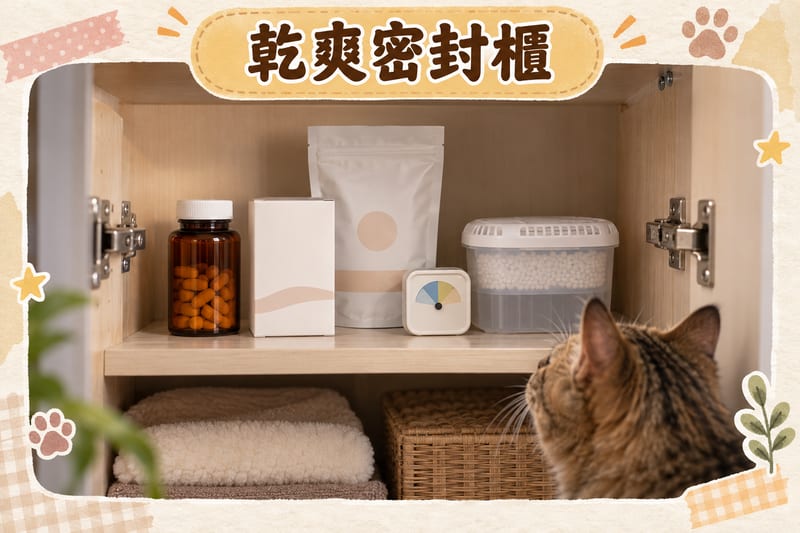
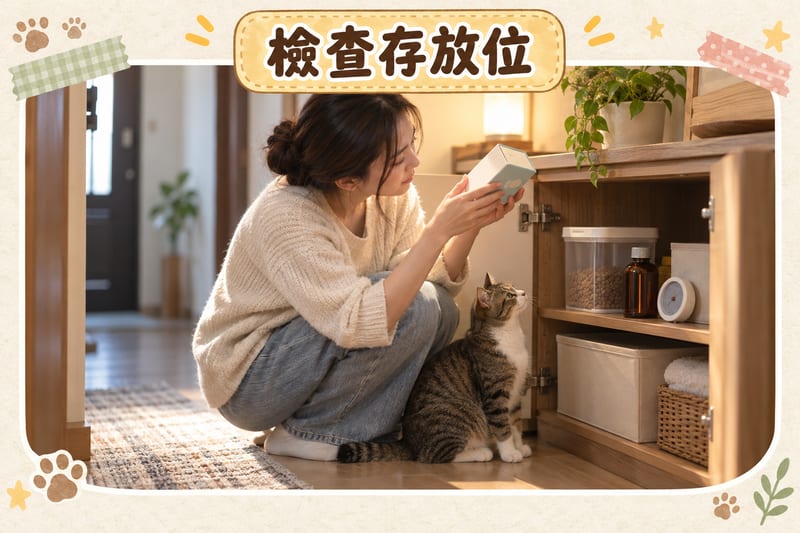
Practical advice: choose a sealed cabinet in an air-conditioned bedroom or hallway as the main medicine cabinet, not the bathroom or kitchen; place a dehumidifier box or small hygrometer inside; keep all medicines in their original containers with lids tightly closed. If your home really has no stable spot, consider a small sealed moisture-proof box, which is safer than randomly stuffing things into the fridge.
3. Storage requirements for seven dosage forms
For the same medicine, different dosage forms can have very different requirements. The table below is organised according to common situations in Hong Kong; always refer to the individual product label:
| Dosage form | Recommended storage | Special notes for Hong Kong |
|---|---|---|
| Tablets, capsules | 20–25°C, original container, protect from light and moisture | Do not place near stove or window; do not pre-sort into pill organisers for weeks |
| Crushed powders, pre-dispensed medicines | Dry and sealed, use within a short period | Crushed powder absorbs moisture and clumps faster; ask your veterinarian or pharmacy first |
| Oral liquids, suspensions (opened) | Most require refrigeration at 2–8°C, use within labelled days | Antibiotic suspensions generally require refrigeration, commonly within 7–14 days |
| Injectables such as insulin | 2–8°C, upright, protect from light, do not freeze | Most discard 42 days after opening (per label); ask veterinarian before taking out of fridge |
| Eye drops, ear drops | Per label; some require refrigeration after opening | Do not let bottle tip touch eye or ear canal; close immediately after use |
| Topical spot-on treatments (flea, tick) | Generally below 25°C, protect from light, keep in original foil pouch | Some ingredients are flammable; keep away from heat sources; should not be refrigerated |
| Soft chew supplements, health powders | 20–25°C sealed, focus on moisture protection | Humidity makes them sticky and mouldy; use quickly after opening and close tightly |
A few additional points. First, probiotics, vaccines and insulin are the three most temperature-sensitive categories; labels usually specify a range and cannot be handled 'approximately'. Second, compounded or pharmacy-prepared liquids have limited stability; the USP compounding chapter generally recommends aqueous formulations be stored refrigerated for no more than 14 days, but the dispensing label prevails and you should not extend it yourself. Third, topical spot-on treatments should not be refrigerated: some ingredients are flammable liquids, and labels require storage away from heat and light, usually 'store below 25°C'; putting them in the fridge is not a bonus. For the timing and storage of regular treatments such as deworming and spot-on products, see the Complete Pet Deworming Guide.
4. Five steps for using the fridge (for refrigerated medicines only)
Medicines that need refrigeration must be placed correctly, otherwise it is as good as not refrigerated:
- Check the label first: only refrigerate if labelled 'refrigerate 2–8°C' or explicitly instructed by the veterinarian; not all medicines need it.
- Middle shelf, not the door: the door shelf experiences the greatest temperature fluctuations each time it is opened; also do not place against the freezer compartment or air vent to avoid local freezing.
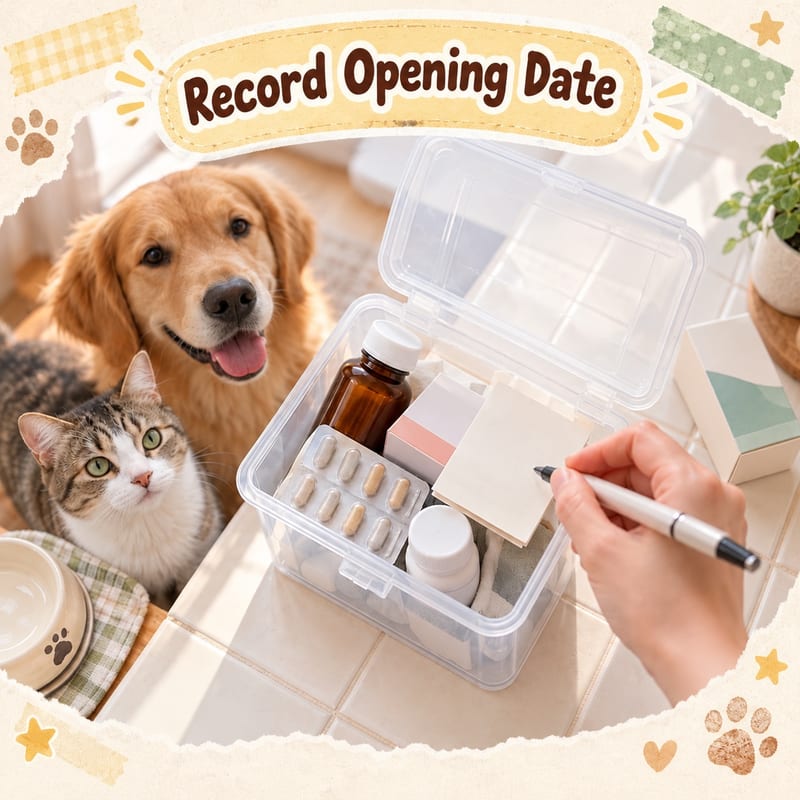
- Separate container, away from food: use a sealed box or bag, label the outside with the medicine name and opening date, to avoid cross-contamination with food and accidental ingestion.
- Insulin must be upright, protected from light, and never frozen: for example, common pet insulin labels require refrigeration at 2–8°C, keep upright, protect from light, and use within 42 days of opening; freezing destroys its structure, and if crystals or cloudiness appear it must not be injected. Actual in-use days vary by product; always read your own pen's label.
- Return to the fridge immediately after each use: minimise the time spent drawing or pouring; if you find the medicine has been out of the fridge for a long time or exposed to sunlight, do not decide yourself—bring the box and ask your veterinarian.
It is also advisable to keep a fridge thermometer. Older fridges or those under heavy load in summer may actually be above 8°C; regular checks can catch problems early.
5. Six most common storage mistakes
| Scenario | Known risk | Recommended action |
|---|---|---|
| Car in sunlight | Average temperature rise about 22°C in an hour, 80% in first 30 minutes | Do not leave pet medication in the car, even for a short shopping trip |
| Windowsill, balcony direct sunlight | High temperature plus UV accelerates degradation | Move to a light-protective sealed cabinet |
| Bathroom medicine cabinet | Temperature 13.8–31.5°C, humidity 33%–100% | Move to a dry cabinet in bedroom or hallway |
| Kitchen near stove, sink | Temperature 16.0–36.3°C, humidity 27.2%–85.2% | Keep away from heat and water sources |
| Fridge door shelf | Greatest temperature difference when opening/closing | Move to middle shelf, use sealed box |
| Pill organiser for weeks | Pills constantly exposed to light and air, original label information lost | Maximum one week, and keep the original box |
Besides location, avoid these habits: do not mix several medicines together; do not transfer medicines to unlabelled small boxes for convenience; do not keep leftover medicine for next time or give to another pet; do not store human and pet medicines in the same compartment. In case of accidental ingestion (e.g. pet chews through a medicine box, eats extra tablets), the key is to record the medicine name, quantity and time, bring the packaging and contact the veterinarian immediately; for the order of judgement, see Emergency Pet Drug Dose Calculator.
6. What to do during travel, power cuts and typhoons
Hong Kong summers bring very hot weather, rainstorm warnings and typhoons; short outings or power cuts can affect refrigerated medicines:
- Out for 1–2 hours: use an insulated bag with ice packs, but wrap the medicine in a towel first to avoid direct contact with ice packs causing local freezing; do not leave in the car boot or near the dashboard.
- In the car: do not place the insulated bag on a seat in direct sunlight, and do not let the air-conditioning vent blow directly on the medicine.
- Power cut: the fridge can maintain low temperature for some time if the door is not opened; minimise door openings during the outage, check the fridge thermometer reading after power returns, and record the outage duration for the veterinarian to judge.
- Before a typhoon: check in advance whether you have enough refrigerated medicine and whether you need to contact the clinic early; do not double the dose or inject every other day to 'avoid running out'—any dose adjustment must be decided by the veterinarian.
- Travelling with medicine: bring the original label and prescription record; do not strip all pills into organisers for convenience; for cross-border travel, ask the clinic and destination requirements in advance.
Opened oral liquids (e.g. antibiotic suspensions) are sensitive to both temperature and time; if you have questions about stopping, replenishing or scheduling the course, see Managing Antibiotic Side Effects in Pets, but always ask your veterinarian for the final decision.
7. How to tell if medicine has gone bad? Expiry and disposal
Even before expiry, if any of the following appear, do not give it:
- Tablets change colour, develop spots, crack, powder or stick together
- Powders form hard clumps, smell mouldy or odd
- Liquids separate, form sediment, change colour, or bubble or smell strange when opened
- Ointments separate, harden or change colour
- Insulin becomes cloudy, with particles or flakes (especially important for clear products)
- Label has fallen off, or the medicine name or expiry date is illegible
Expired medicines must never be used, even if they look normal. Dispose by returning to a veterinary clinic or pharmacy for collection; do not flush down the toilet or sink, and do not throw in the rubbish mixed with food. Leftover medicine must not be kept for next time, shared with other pets or family members. Accurate storage and disposal ensure every dose has the effect stated on the label.
Below are a few products in our store that need to be stored according to the packaging instructions, to help you compare with your home storage:
- Fera Pets Supplement Cat & Dog Nutritional Supplement Pet Multivitamin 105g (for dogs and cats) — HK$346 (currently out of stock, available for pre-order)
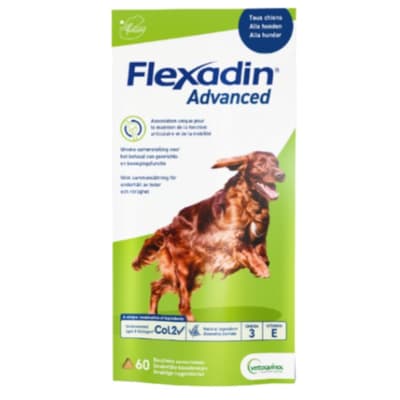
- Vetoquinol Flexadin advanced Dog Collagen UC-II Joint Supplement Chews (60 chews) — HK$628 (currently out of stock, available for pre-order)
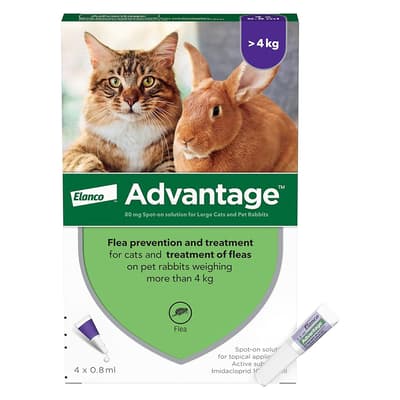
- Elanco (Bayer) Advantage Flea Treatment for Cats 4-8kg 1 box of 4 pipettes (BAC80) — HK$195 (currently out of stock, available for pre-order)
Prices and stock are subject to the online store's current listed price. Health powders and soft chew supplements are most vulnerable to moisture after opening, while spot-on treatments are most vulnerable to heat and sunlight; both should be kept in original packaging and sealed.
Further reading
- Pet Medication Safety Guide: Dosage, Side Effects, Accidental Ingestion (2026)
- Emergency Pet Drug Dose Calculator
- Complete Pet Deworming Guide
- Managing Antibiotic Side Effects in Pets
In an emergency, contact a veterinarian immediately; this article is for reference only and cannot replace veterinary diagnosis.
Information checked as of 2026-10-12Source: PetChill editorial team