Quick Answers
- Yes, but not every cat: with the same drug, different cats can span 1 to 2 grades.
- Most common in the first 1 to 2 days of the course, food intake drops 25% to 50%.
- From day 3, most gradually recover, and near-normal by 3 to 7 days after stopping.
- Complete refusal to eat for over 24 hours is an emergency; do not wait.
- 12 hours without drinking: contact a vet immediately.
- Courses usually last 5 to 14 days; stopping early makes relapse more likely.
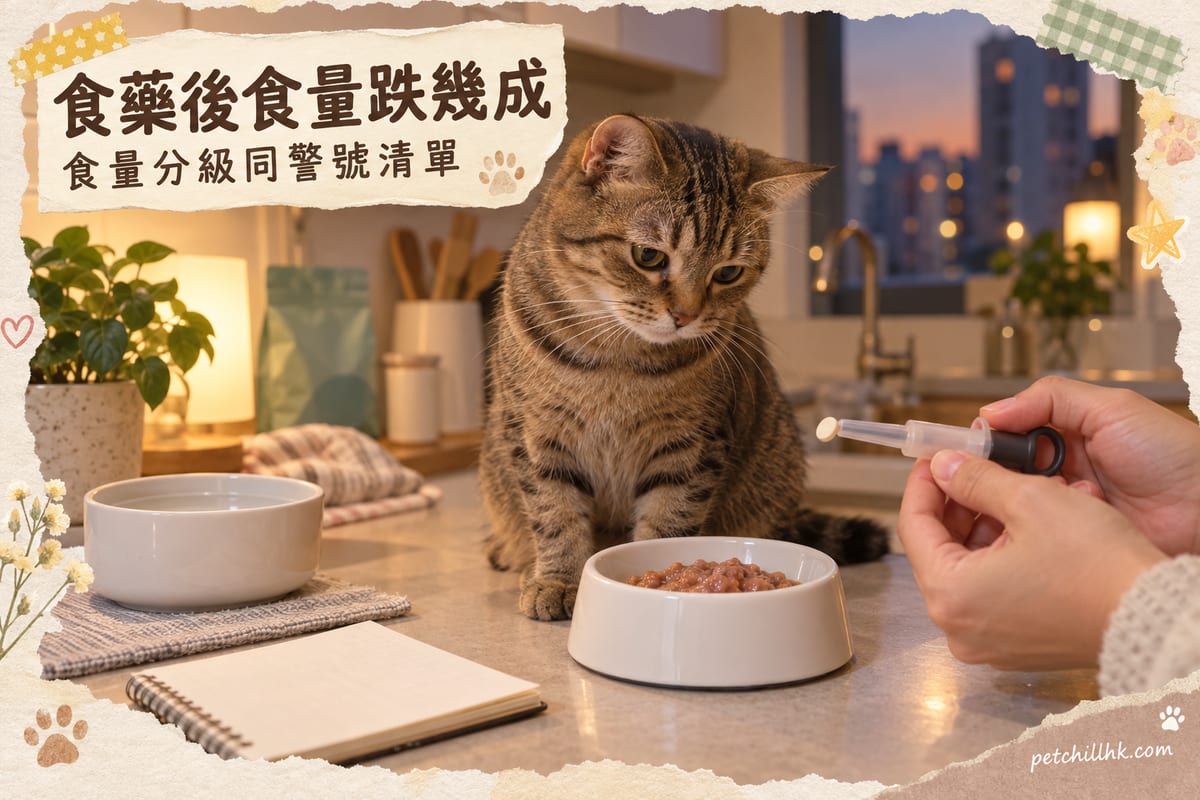
Do cats lose appetite after antibiotics? The answer is yes, but not every cat. The pattern seen in vet clinics is quite consistent: a 25% to 50% drop in food intake in the first 1 to 2 days of the course, gradual recovery from day 3, and near-normal by 3 to 7 days after stopping. At the same time, some cats eat normally throughout, just with slightly softer stool; conversely, some cats refuse food completely as soon as they take the drug. The difference is not in the word 'antibiotic' but in drug class, formulation, course length, the cat's own condition, and feeding method.
This article does not tell you to adjust medication on your own. Its purpose is to help you distinguish three things: which situations are within the observation range, which require a same-day call to the vet, and which require an immediate visit to the clinic. The article provides a four-level appetite grading table, a day-by-day timeline, 5 numbers to record daily, and supportive measures during the course that will not add burden. For any medication questions, always follow vet instructions.
1. Direct Answer: Six Factors Determine the Size of the Difference
'Will it happen' is not a binary answer. The following six factors determine the difference with the same drug in different cats:
- Drug class Different classes vary greatly in bitterness and gastrointestinal irritation. Some mainly soften stool and increase frequency by one or two times; some more easily cause drooling, nausea, or oesophageal discomfort. Which type it is and whether to change drug is for the vet to decide; do not compare drug names online and decide on your own.
- Formulation Oral drugs pass directly through the mouth, stomach and intestines; injections avoid the bitter taste in the mouth, but systemic reactions still exist. So 'switching to injections will definitely restore appetite' is not necessarily true, and switching formulation is the vet's decision.
- Course length and daily frequency A course of twice daily for 14 consecutive days creates many more pairings of drug taste and 'discomfort' than a single-dose course. The more pairings, the more likely the aversion becomes fixed, and afterwards the cat may refuse even the same normal food.
- The cat's own condition Kittens and senior cats have less metabolic and appetite reserve; cats with kidney disease, diabetes or liver disease already have greater appetite fluctuations. Underweight cats clearly tolerate not eating for a shorter time.
- Infection site and severity Oral ulcers, toothache, and nasal congestion from upper respiratory infections can prevent the cat from smelling food; fever and pain also directly suppress appetite. These factors are unrelated to the drug but often overlap with the course, and are easily mistaken for drug side effects.
- Feeding method Empty stomach versus with food, whether followed by a little water or wet food, how much food the drug is mixed into, whether a newly opened can is used—all affect the cat's impression of food. The same pill, fed differently, can give completely different results.
In one sentence: how common appetite loss is cannot be generalised; but 'whether it has dropped to a dangerous level' can be measured. Below is the measurement method.
2. How Much Drop Equals Which Grade? Four-Level Comparison
First set a baseline: use the cat's usual intake as 100%. No need to be precise to the gram; use tablespoons, can fractions, or the usual bowl. The key is to use the same measure every day. Once recorded, you and the vet have a common language.
| Grade | Food intake | Demeanour and drinking | Immediate action at home | When to contact the vet |
|---|---|---|---|---|
| Grade 1 | Drop less than 25%, still eating over 70% | Normal demeanour, willing to drink | Feed as usual, warm food slightly, keep recording | Lasts over 3 days; mention at recheck |
| Grade 2 | Drop 25% to 50%, i.e., eating about half | Demeanour fair, drinking slightly less | Switch to small frequent meals, 4 to 6 times a day | Lasts over 48 hours; call the same day |
| Grade 3 | Drop over 50%, or sniffs and walks away | Demeanour average, drinking noticeably less | Do not force feed; note time and amount | Call the same day; ask if an earlier recheck is needed |
| Grade 4 | Complete refusal, not eating a single piece | Poor demeanour, hiding, not drinking | Stop home attempts; prepare carrier | Immediately: complete refusal over 24 hours, or 12 hours without drinking |
Grades are not rigid labels; look at the trend. Stable at Grade 2 with normal playfulness can mostly be observed for another day; but 'turning from eating to refusing within the same day', or dropping from Grade 1 all the way to Grade 3, even if less than 24 hours, warrants a same-day call.
Another point: measure not only food intake but also water intake. Cats can survive on very little food for a few days, but low water intake is a completely different story. 12 hours without drinking is already Grade 4 management; no need to wait for food intake to drop further.
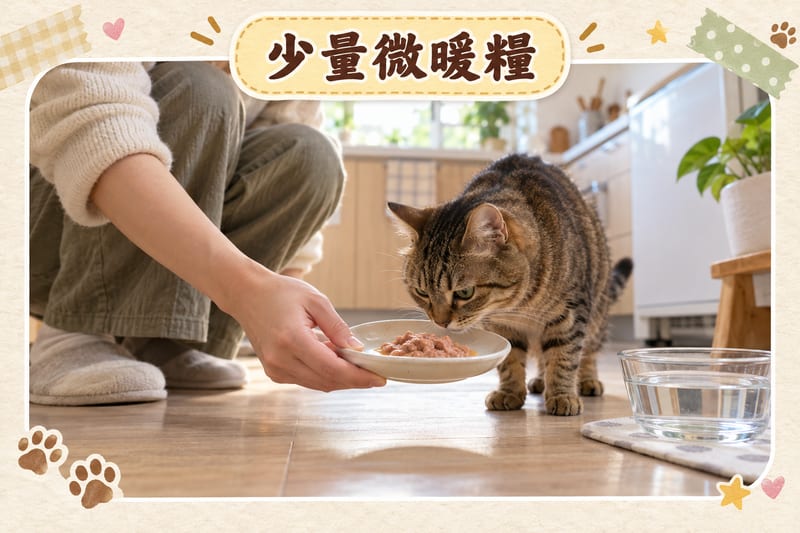
3. Day-by-Day Timeline: From Day 1 of the Course to 7 Days After Stopping
Appetite changes follow a time curve. Knowing 'which day it should be today' prevents panic over normal reactions and prevents treating abnormal situations as normal.
| Time | Common signs | Within observation range | Abnormal signals | What you can do |
|---|---|---|---|---|
| Within 30 minutes after medication | Drooling, sniffs and walks away, licks twice and stops | Gradually improves afterwards | Facial swelling, pawing at face, rapid breathing | Record reaction; do not immediately feed again |
| Days 1 to 2 of course | Food intake drops 25% to 50%, stool may soften | Demeanour normal, willing to drink | Multiple vomiting per day, even vomiting up the drug | Small frequent meals, warm food slightly, start daily recording |
| Days 3 to 5 of course | Food intake gradually picks up, stool still soft | Daily improvement is normal | No improvement, or continues to drop | Keep recording; bring numbers to recheck |
| Day 6 to end of course | Most return to over 70% of usual | Demeanour and drinking normal | Sudden refusal, obvious weight loss | Do not stop medication early because 'better' |
| 1 to 2 days after stopping | Gut flora enters rebuilding phase | Intake stable or slowly rising | Immediate refusal again | Observe 2 more days; do not rush to change food |
| 3 to 7 days after stopping | Appetite and stool roughly return | Daily improvement | Complete refusal, weight continues to drop | Recheck if no improvement after 3 days |
| Over 3 days after stopping | Not a typical drug time curve | Not applicable | Still refusing, poor demeanour | Recheck as soon as possible to rule out other causes |
The timeline shows three things. First, the first two days are most prone to problems because bitter taste reaction and gastrointestinal irritation occur together; second, mid-course improvement is usually slow—eating two more bites per meal is progress, no need to aim for recovery in one day; third, stopping medication does not mean immediate recovery; gut flora rebuilding takes several days to a week.
If the cat is still completely off food 3 days after stopping, it should no longer be considered an 'antibiotic after-effect'. At this point the vet will consider other causes, such as oral problems, dehydration, metabolic disease, or unresolved infection, requiring blood tests or further investigation. For gastrointestinal changes due to flora imbalance, see How to handle diarrhoea or constipation during antibiotics in cats.
4. Six Warning Signs: These Are Not 'Appetite Loss' and Need Immediate Action
The following situations are not within the 'observe another day' range. If any occurs, contact the vet the same day or immediately:
- Allergic reaction Immediate heavy drooling, pawing at face, facial or eyelid swelling, rapid breathing after medication. Stop and contact the vet immediately; keep the drug box.
- Complete refusal to eat for over 24 hours Especially underweight cats, obese cats, or those with liver disease or diabetes—risk rises faster; do not use 'wait another day' as the standard.
- 12 hours without drinking Or skin that does not spring back immediately when pinched, dry gums. This is a dehydration warning, more urgent than food intake.
- Abnormal vomiting pattern Multiple times a day, vomiting blood or coffee-coloured material, including immediately vomiting up the drug after administration—the drug is not being absorbed at all.
- Markedly worse demeanour Hiding, unresponsive to calls, unsteady walking, nystagmus. These neurological signs need immediate assessment.
- Jaundice or abdominal distension Gums, ear pinnae or whites of eyes turning yellow, obvious abdominal swelling—emergency level; do not wait for a recheck.
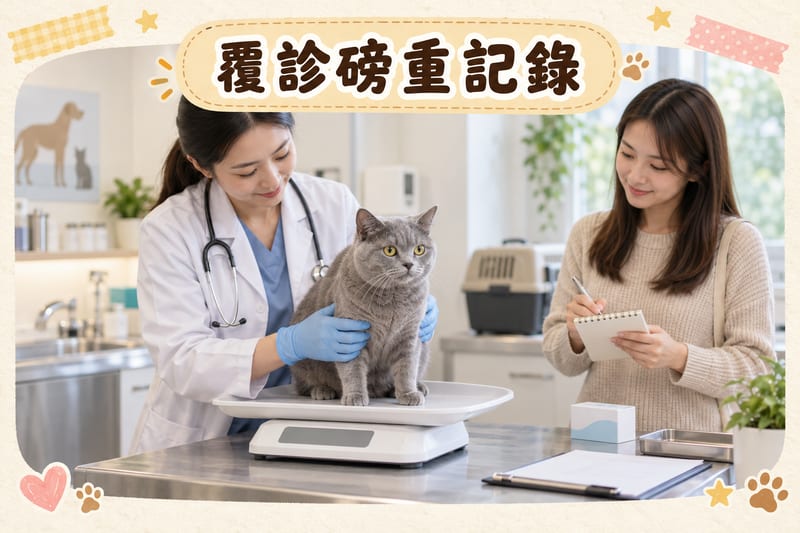
Besides these six, weight is also a warning line: a drop of over 5% within two weeks, or spine and ribs feeling prominent, warrants a prompt recheck. For weighing, best to use the clinic's scale or a baby scale; weighing yourself holding the cat and subtracting your own weight gives greater error.
5. Five Numbers to Record Daily
During the course, no complex tasks are needed; just record five numbers daily. These five numbers are the raw material for the vet's judgement:
| Record item | How to record | Why useful |
|---|---|---|
| Food intake | Use the same measure; record 'percentage of usual' or number of tablespoons | Trends are more reliable than single-day numbers |
| Water intake | Graduated water bowl, or compare before and after daily refills | Low water intake is the most urgent warning |
| Stool | Record frequency and shape: formed, soft, watery | Reflects gut flora and digestion |
| Weight | Once every 1 to 2 days, same time and same scale | A drop of over 5% in a short time needs a recheck |
| Demeanour | Rate 1 to 5 yourself, 1 being worst | Poor demeanour is one threshold for seeking care |
Some details for recording:
- Use the same container for food; do not use a saucer today and a large bowl tomorrow, or you cannot compare.
- Weigh or measure before each feeding, not estimate after eating.
- Record medication times on the same sheet, because 'how long after medication refusal starts' is the most important timing relationship.
- Record 'eating' and 'drinking' separately; management differs.
- Bring the sheet directly to the recheck; one page explains clearly and saves a round trip.
With these numbers, the vet does not need to rely on your impression but can see actual trends to decide whether to continue the course, adjust feeding, change drug, or add tests.
6. Support During the Course: Medication, Water, Environment and Parasite Control
The principle of support is 'do not add burden', not adding new products:
- Medication Always follow vet instructions. Do not crush, split, reduce dose or stop on your own. Mix the drug into only a small bite; do not add drug to the normal portion. Follow pills with a little water or a small bite of wet food; do not give dry.
- Food Warm to about 35 to 40°C to bring out aroma; change from 2 to 3 meals a day to 4 to 6 meals, 1 to 2 tablespoons each. Do not use a microwave; heating is uneven.
- Water Place two or three extra water bowls, or use a flowing fountain, in scattered locations. Water intake is more urgent than food intake; 12 hours without drinking warrants a vet visit.
- Environment Place food in a quiet corner with little foot traffic; feed at separate times from other pets. Do not have the whole family watching during meals; quiet cats usually eat faster.
- Supplements and other drugs Always ask the vet first about probiotics, nutritional paste, and human medications. Use probiotics only with vet approval, and give about 2 hours apart from the antibiotic.
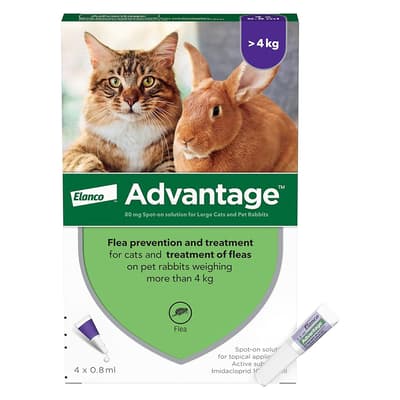
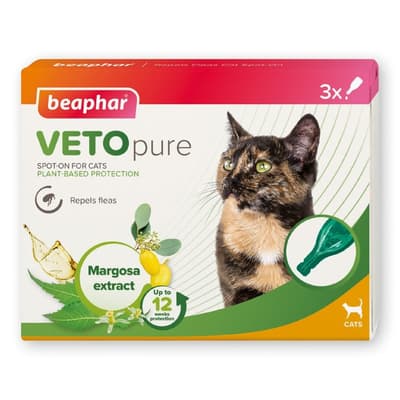
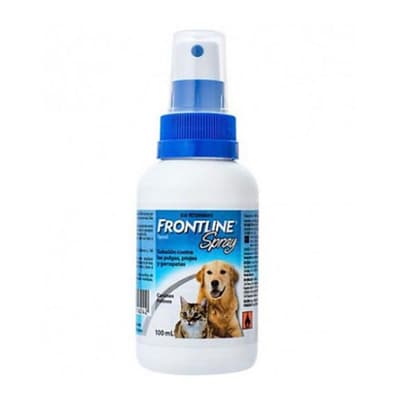
- Parasite control Flea and tick bites can cause scratching and skin wounds, adding another risk of secondary infection. Do not stop prevention on your own during the course, but ask the vet first about which product and interval to avoid drug interactions.
The following products are for external parasite control; use intervals and weight ranges according to package labelling and vet guidance—more is not more effective:
- Elanco (Bayer) Advantage for Cats 4-8kg 1 box of 4 pipettes (BAC80) — HK$195 (available for pre-order)
- Beaphar VETO pure Adult Cat Natural Drops 1 box of 3 pipettes (17812) (new packaging) — HK$111
- FRONTLINE Spray Flea and Tick Spray 100ml — HK$156 (available for pre-order)
Prices and stock are subject to the online store's current listed price. The above products are for parasite control, not for treating poor appetite; for kittens, sick cats, or areas with skin wounds, consult a vet before use.

Further Reading
- Pet Medication Safety Guide | Dosage, Side Effects, Accidental Ingestion (2026) — a complete safety framework from dosage calculation to accidental ingestion.
- Why Do Cats Lose Appetite on Antibiotics? Vet Explains Main Causes — breaks down bitterness, flora imbalance and gastrointestinal irritation mechanisms.
- Why Do Cats Lose Appetite After Antibiotics? Causes and Management — fatty liver risk timeline for not eating and practical appetite stimulation tips.
- How to Handle Diarrhoea or Constipation During Antibiotics in Cats — management directions for soft stool, diarrhoea and constipation.
For emergencies, contact a vet immediately; this article is for reference only and cannot replace veterinary diagnosis.
Information checked as of 2026-10-12Source: PetChill editorial team
 K9 Natural full guide →
 Feline Natural full guide →