Quick answers
- Bitter taste is the most common cause; drooling within 30 minutes of the pill is common.
- Disrupted gut flora is second, most obvious on days 2 to 3.
- Most cases have more than one cause, usually 2 to 3 overlapping.
- A 50% drop in food intake in the first 1 to 2 days of the course can usually be monitored.
- Complete food refusal for more than 24 hours, or 12 hours without drinking, means seek veterinary care immediately.
- Courses usually last 5 to 14 days; finish as instructed.
When a cat's appetite drops during antibiotics, it is rarely a single cause. The most common combination seen in veterinary clinics is three things: first, the bitter taste of the pill creates 'food aversion'—one taste and the cat remembers for a long time; second, the antibiotic also kills good gut bacteria, causing temporary gastrointestinal imbalance with soft stool, gas and mild nausea; third, the drug directly irritates the stomach and oesophagus, or the infection itself causes fever, pain and nasal congestion, so the cat simply doesn't feel hungry. Most cases are most obvious in the first 1 to 2 days of the course, gradually easing around day 3.
Knowing the cause serves only one purpose: deciding whether it's 'safe to wait' or 'not safe to wait'. Bitter taste and flora imbalance are in the observable range; complete food refusal for more than 24 hours, or 12 hours without drinking, means you cannot wait any longer. Below we go through the mechanisms, timeline, how to tell the difference, and the steps a vet takes to investigate.
1. Cause one: the bitter taste of the pill triggers 'food aversion' learning
The first cause is not in the gut but in taste. Cats are obligate carnivores with almost no perception of sweetness but extreme sensitivity to bitterness—an evolutionary mechanism to avoid toxic plants. So the same pill a dog might swallow, a cat will start drooling, shaking its head and pawing at its mouth after one bite.
The real problem is not 'not eating this meal' but learning to hate it after one pairing. If you crush the pill into a whole bowl of wet food and the cat tastes bitterness and feels nauseous afterwards, the brain links that flavour, that smell, even that bowl with 'feeling unwell', and afterwards the cat may refuse even the normal same food. This phenomenon is called conditioned taste aversion and can last weeks in cats, sometimes longer, and is not something 'a few skipped meals will make them forget'.
In practice, three approaches:
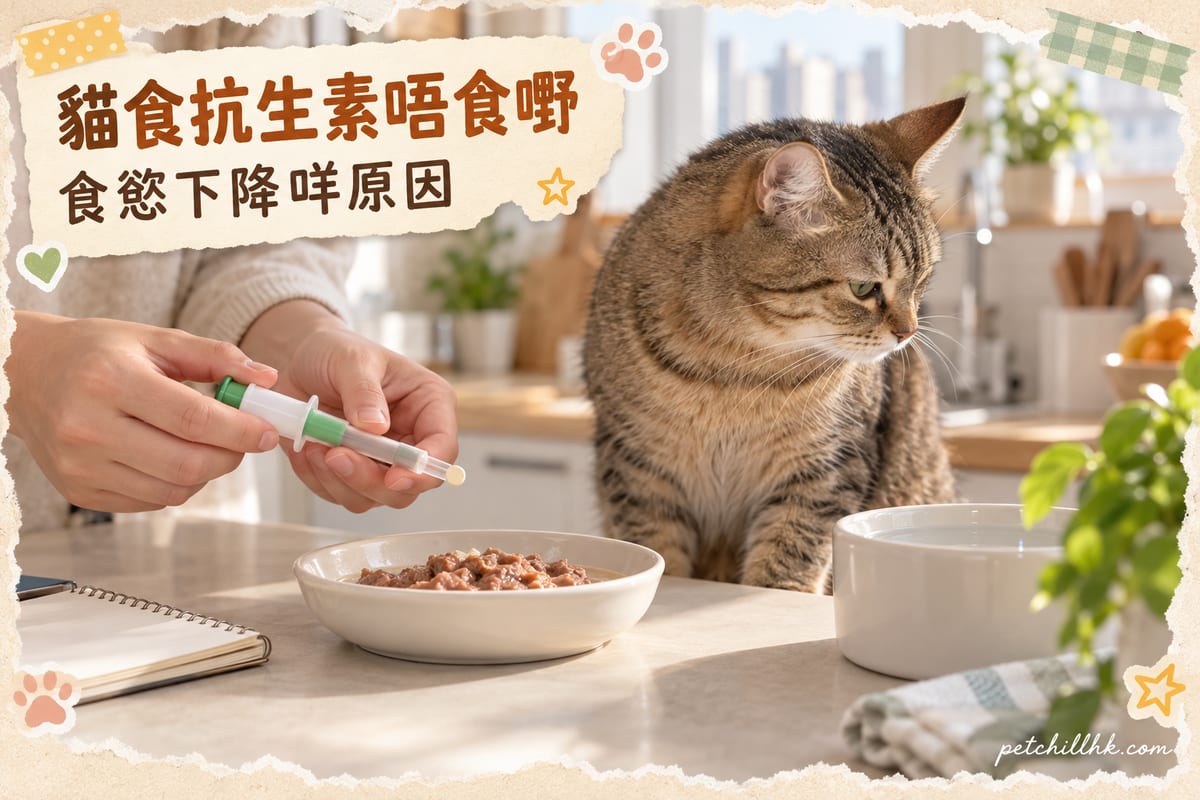
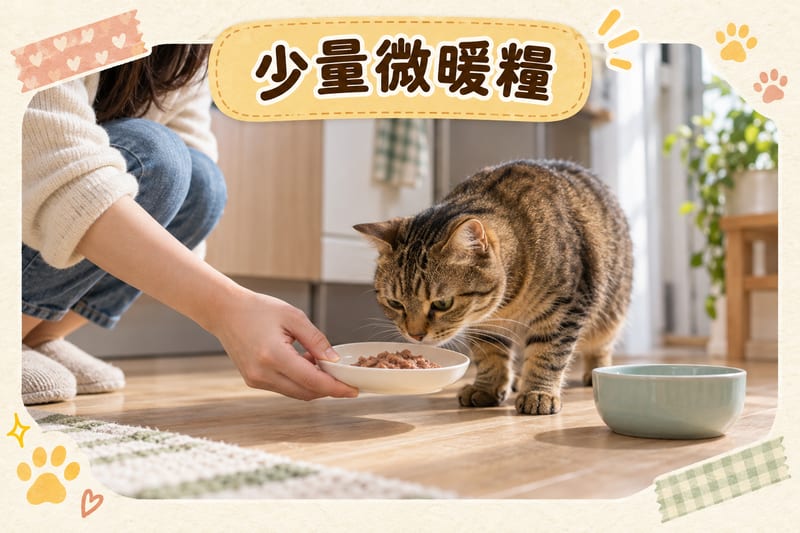
- Mix the drug into just a small bite. About one tablespoon is enough; the rest of the normal portion has no drug. Even if the cat refuses, you only lose a small bite.
- Do not crush pills on your own. Some drugs release more bitterness when crushed, and some are designed to be enteric-coated or have specific absorption requirements. Whether to split or crush should always follow veterinary instructions.
- If a flavour is already refused, switch—don't try again. Offering the same food ten more times only deepens the aversion; switching to a stronger-smelling, different-textured flavour is more practical.
Distinguish drooling from vomiting: immediate drooling after a pill is usually a bitter-taste reflex; but if there is also pawing at the face, facial swelling or rapid breathing, that is an allergic reaction—stop and seek veterinary care immediately.
2. Cause two: gut flora imbalance makes the cat 'not feel hungry'
Antibiotics work by killing bacteria; they do not distinguish good from bad. During the course, the composition and diversity of gut flora temporarily change, and the resulting chain of changes is the second category of causes of appetite loss.
- Reduced short-chain fatty acids. Short-chain fatty acids (e.g. butyrate) produced when good gut bacteria ferment fibre are an energy source for intestinal cells. When flora is disrupted, production falls and the gut barrier weakens, resulting in soft stool, diarrhoea and gas.
- Altered gut-brain axis signals. The gut and brain communicate continuously, including hormones related to satiety. During flora imbalance, cats often appear 'not hungry' rather than 'in too much pain to eat'—so they don't cry out or curl up, they just sniff and walk away.
- Not necessarily severe vomiting or diarrhoea. Many owners think flora imbalance always means diarrhoea, but mild cases often just show stool changing from formed to soft, one or two extra bowel movements, and food intake dropping by half. These cases are most easily mistaken for 'picky eating'. If diarrhoea is also present, see How to handle diarrhoea or constipation in cats on antibiotics.
- Time curve. Most obvious on days 2 to 3 of the course, then gradually easing as the body adapts; after stopping, flora usually takes a few days to a week to rebuild. This time lag explains why some cats 'still won't eat the day after finishing the medication'.
- Oral vs injectable. Oral antibiotics pass directly through the stomach and intestines, so local effects are more direct; injections avoid direct intestinal irritation but systemic flora effects still exist. So 'switching to injections will immediately restore appetite' is not necessarily true, and switching formulations is a veterinary decision.
Putting the three causes on the same timeline shows why 'day one of medication' and 'day four of the course' look different:
| Time point | Typical changes | Appetite | What you can do at this stage |
|---|---|---|---|
| Within 30 minutes after pill | Bitter taste peaks | Drooling, sniffs and walks away | Record the reaction; don't immediately offer food again |
| 1 to 3 hours after pill | Stomach irritation, mild nausea | Licks twice and stops, sometimes retches | Let the cat rest; don't stand around watching |
| Days 1 to 2 of course | Bitter taste linked to food, flora starts changing | Intake drops to half of normal | Switch to stronger-smelling flavour, slightly warm, small frequent meals |
| Days 3 to 7 of course | Nausea subsides but flora still imbalanced | Gradually improving, stool on the soft side | Record stool and weight daily |
| 1 to 2 days after stopping | Gut flora rebuilding | Gradually returning to normal | Observe for 2 more days; don't rush to switch food |
| Still not eating 3 days after stopping | Not a typical drug-related timeline | Still refusing food or weight still dropping | Follow up with vet soon to rule out other causes |
3. Cause three: direct irritation of the stomach, oesophagus and central nervous system
The third category is more 'physical': the areas the drug contacts become irritated.
- Stomach irritation. Some antibiotics irritate the gastric mucosa when given on an empty stomach, causing pre-meal nausea. These drugs are usually given with or after food, but which approach depends on the drug and infection site—follow veterinary instructions and don't change timing on your own.
- Oesophageal irritation. A cat's oesophagus is very narrow; if a pill is swallowed dry and lodges there, it can cause local inflammation or even stricture. So always follow a pill with a little water or a small bite of wet food—don't just 'push it in and leave it'. This risk is particularly worth noting with tetracyclines and lincosamides.
- Central effects. Fever and pain from infection suppress appetite via the central nervous system; some drugs also cause central nausea. In these cases, even without obvious gastrointestinal inflammation, the cat may still refuse food.
- Blocked sense of smell. A cat's first step in deciding to eat is sniffing; nasal congestion from upper respiratory infection means it cannot smell the food and skips the 'eating' step altogether. This cause is unrelated to the drug but often overlaps with the course.
The table below gives general trends only, to help you understand why the same drug can cause very different reactions in different cats. Which category applies and whether to change drugs is entirely for the vet to decide.
| Common prescription classes (general patterns) | Taste characteristics | More common GI signs | Feeding notes |
|---|---|---|---|
| Penicillins, cephalosporins | Bitter, noticeable odour | Soft stool, occasional vomiting | Often can be given with food to reduce stomach irritation; follow vet instructions |
| Tetracyclines | Extremely bitter, highly irritating | Oesophageal irritation, retching, reduced intake | Must be given with water or food, then allow drinking |
| Macrolides | Bitter | Nausea, vomiting | Give a small amount of food first; don't give on an empty stomach |
| Lincosamides | Bitter | Oesophagitis, diarrhoea | Always give with water; never dry-swallow |
| Nitroimidazoles | Extremely bitter, cats most resistant | Drooling, retching | Do not crush on your own; if unsteady walking or nystagmus occurs, seek veterinary care the same day |
The above are general trends by class only. Do not stop, reduce or change the method of administration on your own. If any abnormal reaction occurs, call your vet first.
4. Cause four: not necessarily the drug—primary disease and environmental factors
The most common misjudgement in clinical practice is blaming all appetite problems on antibiotics. In reality, causes of appetite loss can be completely unrelated to the drug and just happen to coincide with the course:
- The infection itself. Fever, pain, abscesses, oral ulcers, severe periodontal disease all make cats reluctant to eat. Cats with dental pain are especially obvious: they walk to the bowl, look, then walk away.
- Dehydration and electrolyte imbalance. Dehydration causes general discomfort and nausea, creating a vicious cycle of 'not eating' and 'not drinking'.
- Metabolic disease. Cats with existing kidney, diabetes or liver disease have more fluctuating appetites, and infection amplifies this.
- Stress and environmental change. Follow-up visits, hospitalisation, a new family member, changing food or bowls, competition among multiple pets—all can cause short-term food refusal. Cats are more sensitive to environmental change than many people realise.
- Parasites and other concurrent problems. Flea and tick bites cause itching and wounds, increasing the risk of secondary infection; skin and wound infections are themselves a common reason cats need antibiotics.
The key to telling the difference is not 'how much less they eat' but 'the timing': poor appetite before medication points to the disease itself; appetite loss that appears after medication and follows every dose points to the drug.
5. How does a vet investigate? 6 steps and a comparison table
At a follow-up visit, the vet will usually investigate in this order. Preparing the numbers in advance can save a return trip:
- Ask about timing. Is there a difference in appetite before and after medication? How long after each dose does the cat stop eating?
- Weigh and compare. Compare with the weight at the start of the course to see the percentage lost.
- Assess dehydration and demeanour. Skin tent, gum colour, whether the cat comes to greet you.
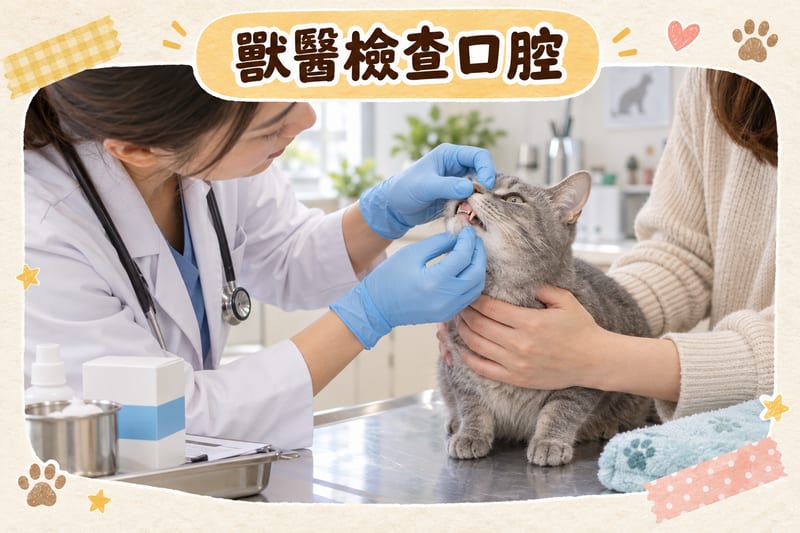
- Examine mouth and teeth. Oral ulcers, tartar, gum inflammation can directly explain food refusal.
- Take temperature. Fever suppresses appetite; low temperature needs even more urgent handling.
- Blood tests or further imaging. If needed, check inflammatory markers, liver and kidney function and electrolytes to rule out non-drug causes.
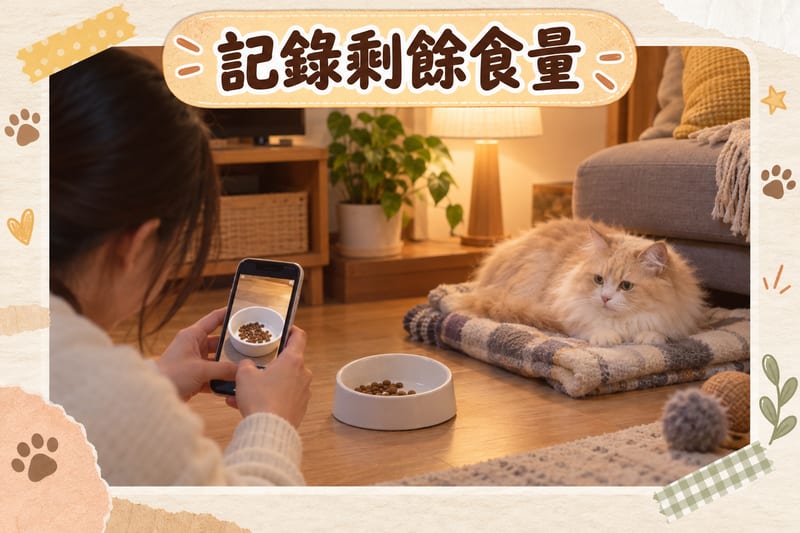
The vet will also definitely review the drug name, formulation, administration method and how much is actually being eaten—many so-called 'side effects' are actually feeding-method problems.
| Observation | More likely drug-related | More likely primary disease or other cause |
|---|---|---|
| Timing | Within 30 minutes to 2 hours after medication | Poor appetite before medication |
| Drooling | Immediate heavy drooling after pill, then resolves | Repeated drooling all day, difficulty swallowing |
| Vomiting | Occasional, closely tied to medication time | Multiple times a day, bloody or coffee-coloured |
| Stool | Soft, slightly increased frequency | Bloody stool, black stool, no stool at all |
| Demeanour | Still willing to play, comes to greet you | Hiding, unresponsive, unsteady walking |
| Temperature | Normal | Fever or low temperature |
| Weight | Stable short-term | Noticeable drop within a week, or abdominal swelling |
If any item leans towards 'the disease itself', follow up with the vet soon rather than waiting for the course to finish. For overall medication safety principles (including formulation traps and accidental ingestion), see Pet Medication Safety Guide | Dose Calculation, Antibiotic Side Effects, Deworming, Accidental Ingestion (2026); if other reactions have already appeared and you want to know which are acceptable, compare with What to do if your pet has side effects from antibiotics.
6. How to support during the course: water, environment and parasite control
Before the cause is clear, what you can do at home is 'don't add burden', not add new products:
- Water first. Put out two or three extra water bowls, or use a flowing fountain, in scattered locations. Water intake is more urgent than food: 12 hours without drinking already means see a vet.
- Reduce environmental stress. Put food in a quiet corner away from other pets and walkways; don't stand around watching at mealtimes. Less stress often means better appetite.
- Don't add supplements or new drugs on your own. Probiotics, nutritional paste, human medicines—always ask the vet first. If probiotics are approved, they generally need to be given about 2 hours apart from antibiotics.
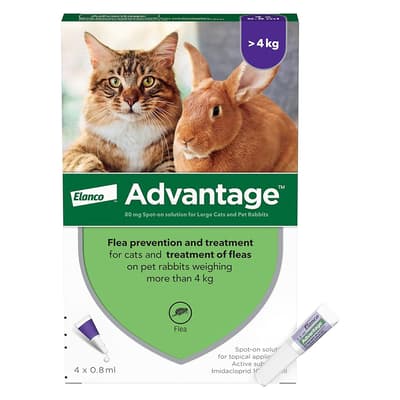
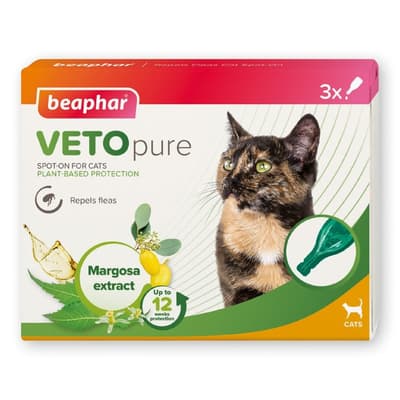
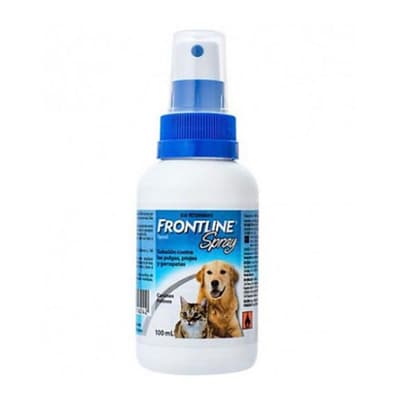
- Continue environmental parasite control. Flea and tick bites make cats scratch and damage skin, and infected wounds add another risk. Do not stop prevention on your own during the course; as for which product and how often, ask the vet first whether it will interact with the medication.
Below are environmental and external parasite control products available at PetChill; actual use must follow the product label's weight range and interval—'more is not more effective':
- Elanco (Bayer) Advantage for Cats 4-8kg 1 box of 4 pipettes (BAC80) — HK$195 (available for pre-order)
- Beaphar VETO pure Adult Cat Natural Drops 1 box of 3 pipettes (17812) (new packaging) — HK$111
- FRONTLINE Spray Flea and Tick Spray 100ml — HK$156 (available for pre-order)
Prices and stock are subject to the online store's current listed price. These products are for parasite control, not for treating poor appetite; for kittens, sick cats, or areas with skin wounds, consult a vet before use.
Further reading
- Pet Medication Safety Guide | Dose Calculation, Antibiotic Side Effects, Deworming, Accidental Ingestion (2026) — complete safety principles for antibiotics, dewormers and accidental ingestion.
- Why does my cat lose appetite after antibiotics? Causes and how to respond — practical approaches from appetite loss to feeding, hydration and weight monitoring.
- How to handle diarrhoea or constipation in cats on antibiotics — common gastrointestinal changes from flora imbalance and how to manage them.
- What to do if your pet has side effects from antibiotics? Common reactions and management — distinguishing acceptable reactions from warning signs needing immediate veterinary care.
For emergencies, contact a veterinarian immediately; this article is for reference only and cannot replace veterinary diagnosis.
Information checked as of 2026-10-12Source: PetChill editorial team
 K9 Natural full guide →
 Feline Natural full guide →