Quick Answer
- Official guidance is 2 to 3 consecutive days; if diarrhoea lasts more than 2 to 3 days, the official instruction is to have the animal examined by a vet, not to extend the course yourself.
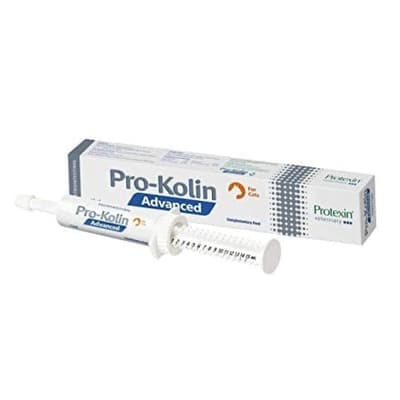
- The product is a paste in a syringe; official labelling gives 5 weight bands: under 5 kg 2 ml per dose, 5 to 15 kg 3 ml, 15 to 30 kg 5 ml, over 30 kg 7 ml, twice daily.
- The probiotic ingredient is Enterococcus faecium 4b1707, officially labelled at 2 × 10^8 CFU/g (i.e. 2 × 10^11 CFU/kg).
- A placebo-controlled study in 148 dogs showed median diarrhoea duration shortened from 47 hours to 32 hours, and the proportion needing additional treatment fell from 14.8% to 3.5%.
- But the same study was manufacturer-funded, and the product contains 6 active ingredients, so it is impossible to isolate which one is actually doing the work; it cannot be treated as 'every ingredient proven effective'.
- Kaolin and montmorillonite bind other oral medicines; standard practice is to space doses at least 2 hours apart from other oral medicines. The official guidance also says to avoid concurrent use with oral macrolide antibiotics.
- Probiotics are transient gut 'visitors' and do not colonise permanently; effects fade after stopping, so daily long-term use is not necessary, and 'can it be used long-term' must be decided by a vet based on the condition.
People searching 'does long-term use of Pro Kolin Advanced cause side effects?' have usually already used it for a while, or a vet has told them to buy a pack to keep at home, and they want to know if they can keep giving it. Direct answer: this product is officially positioned as a short-term course, not a long-term supplement. The manufacturer's official FAQ states 2 to 3 consecutive days and specifies that any animal with diarrhoea lasting more than 2 to 3 days should be examined by a vet; the packaging only adds 'can be extended under veterinary direction'. In other words, 'long-term use' already falls outside the product's designed use and is in the realm of individual veterinary assessment.
To judge whether long-term use is acceptable, you cannot just ask 'are there side effects'; you need to break it down by ingredient: probiotics (Enterococcus faecium 4b1707), prebiotics (Preplex oligofructose and acacia gum), soluble fibre (psyllium, pectin), and adsorbent clay (kaolin, montmorillonite). The strength of evidence for these four categories differs greatly, and the long-term considerations differ too. This article first lists the official composition and labelled amounts, then marks the evidence level and known risks for each, then explains the four practical issues of long-term use, and finally lists red flags and Hong Kong buying and storage practicalities. To first build an overall framework for medication safety, see the site's pet medication safety guide, then come back with this article's checklist to discuss with your vet.
How many days does Pro-Kolin Advanced officially recommend?
Start with the official wording, because this is the most important boundary in the article. The manufacturer (ADM Protexin Ltd, Somerset, UK) official information and product FAQ are quite clear:
- Recommended for 2 to 3 consecutive days; 'can be extended under veterinary direction'.
- Any animal with diarrhoea lasting more than 2 to 3 days should be examined by a vet.
- If the animal is lethargic, refusing food, or vomiting, contact a vet as soon as possible.
- Up to 3 times daily as needed (the official wording means 'can be used up to three times daily').
- Can be used in pregnant and lactating animals; but not suitable for animals with soy allergy or sensitivity (the base is refined soy oil).
- Avoid concurrent use with oral macrolide antibiotics.
Regarding composition, the official disclosure is: refined soy oil, psyllium husk, pectin, dried oligofructose (Preplex prebiotic), yeast product (β-glucan), glucose; additives include probiotic Enterococcus faecium (DSM 10663/NCIMB 10415) 4b1707, bentonite montmorillonite, acacia gum (Preplex), kaolin; the cat formulation has added taurine; for flavour, the dog version uses synthetic liver flavour and the cat version synthetic chicken flavour, both artificial flavours with no meat protein.
Official labelled amounts are by weight band; the 15 ml and 30 ml syringes share one set of figures, the 60 ml syringe uses another:
| Body weight | Amount per dose (15/30 ml syringe) | Doses per day | Amount per dose (60 ml syringe) |
|---|---|---|---|
| Under 5 kg | 2 ml | Twice | Not applicable |
| 5 to 15 kg | 3 ml | Twice | Not applicable |
| 15 to 30 kg | 5 ml | Twice | Not applicable |
| 25 to 35 kg | 7 ml | Twice | 6 ml |
| 35 to 45 kg | Not applicable | Twice | 8 ml |
| Over 45 kg | Not applicable | Twice | 10 ml |
Two points need special attention. First, the above is the manufacturer's labelled guidance, not a veterinary prescription: how much and how long to use must be decided by a vet based on the condition and body condition, especially for kittens and puppies, senior cats and dogs, and animals with chronic disease. Second, the syringe scale is for accurate dosing: the official instructions say to align the wheel on the plunger with the scale, and after feeding clean the nozzle, wipe dry, and replace the cap, so no paste remains at the mouth.
Ingredient-by-ingredient evidence strength: probiotics, kaolin, pectin, psyllium
Within the same product, the research basis for the four categories is completely different in level. The table below compares 'what the official says it does' with 'what public research says the evidence is', and the third column notes long-term considerations.
| Ingredient (official label) | Official claimed action | Strength of public research evidence | Long-term considerations |
|---|---|---|---|
| Enterococcus faecium 4b1707, 2 × 10^8 CFU/g | Maintains gut flora balance | One placebo-controlled study of this product (148 dogs); but a systematic review (17 studies) considers probiotics for acute gastrointestinal problems overall 'limited, possibly without clinical significance', and effects are strain-specific | In immunocompromised or severely ill patients, assess with a vet first; space at least 2 hours from antibiotics |
| Preplex prebiotic (oligofructose + acacia gum) | Feeds beneficial bacteria | Mechanism clear, but independent data with clinical endpoints (diarrhoea days, stool score) are scarce | Generally well tolerated; large single doses may cause gas |
| Psyllium husk (soluble fibre) | Regulates intestinal transit, firms stool | General support for fibre; no independent product-level data | Needs adequate water; long-term high fibre should be assessed by a vet |
| Pectin | Soothes intestinal mucosa | In a human regulatory review of non-prescription antidiarrhoeals, a 508-person study showed the kaolin-pectin combination was not superior to placebo, and pectin had no additional benefit | As above; cannot be treated as 'gut repair' therapy |
| Kaolin + bentonite montmorillonite | Absorbs water, binds toxins and bacteria, firms stool | An authoritative pharmacology textbook (Merck Veterinary Manual) clearly states: clinical studies have not shown kaolin-pectin reduces water/electrolyte loss or shortens the course, only changes stool consistency. Evidence for montmorillonite alone comes from one open-label study in 60 dogs on chemotherapy (median 19.5 hours vs 53 hours) | Binds other oral medicines; high doses may cause constipation; cannot replace fluids |
| Yeast β-glucan | Supports immune system | Mechanistic data exist, clinical endpoint data scarce | No particular known risk, but should not be treated as therapy |
| Taurine (cat formulation only) | Essential amino acid for cats | Known essential nutrient; cooking loses taurine, formulation provides a supplemental source | — |
| Soy oil, glucose, synthetic flavour | Carrier and palatability | Inactive ingredients | Not suitable for soy-sensitive animals; ask a vet first for animals needing strict sugar control |
Three practical conclusions. First, the evidence for probiotics is relatively solid, but still not high-level: the product's study (14 UK/Irish clinics, 148 dogs, randomised double-blind placebo-controlled) showed median diarrhoea duration shortened from 47 hours to 32 hours, diarrhoea resolved 1.60 times faster, and the proportion needing additional treatment fell from 14.8% to 3.5%, but the study was manufacturer-funded and covered only one acute diarrhoea scenario with a short follow-up, so it cannot be extrapolated to 'long-term use prevents disease'. Second, probiotic effects are strain-specific: the same species but different strains cannot have research results transferred between them, so when buying a product check whether the strain number is stated; one study testing 25 animal probiotic products found only 15 stated viable counts, and of those only 4 actually met the label, so label reliability itself is a variable. Third, the role of clay is 'absorbing water', not 'treating disease': the Merck Veterinary Manual and other pharmacology sources point to the same conclusion—clay may firm up stool but does not shorten the course and cannot replace fluid therapy; if the animal is dehydrated, what it most needs is veterinary care, not another syringe of paste.

Four things to watch with long-term use
If a vet decides to use it for more than 3 days, the following four points must be handled individually; it cannot be added casually like a 'supplement'.
1. Clay binds other oral medicines, so timing must be separated. Kaolin and montmorillonite have a large surface area and bind other oral drugs, reducing absorption. The standard veterinary pharmacology practice is to space at least 2 hours from other oral medicines; for some drugs (e.g. certain heart medications, antibiotics) the interval requirement is even longer. If the animal is already on long-term medication (heart, thyroid, anti-epileptic, immunosuppressant), the timetable must be checked with the vet before adding. The official guidance also says to avoid concurrent use with oral macrolide antibiotics; follow that directly.
2. The ingredients themselves carry allergy and intolerance risks. The paste base is refined soy oil, and the official guidance clearly states it is not suitable for animals with soy allergy or sensitivity; the cat and dog formulations use different artificial flavours (chicken/liver), so for animals with a history of food sensitivity, check the ingredient list with a vet before switching. The product also contains glucose, so ask a vet first for animals needing strict sugar control.
3. Long-term high-dose clay has known risks, but the dose gap must be made clear. Human medical literature has case reports of long-term clay eating (geophagia): a woman who ate kaolin daily for over ten years developed refractory iron-deficiency anaemia; another case had clay binding potassium and phosphorus, with blood potassium as low as 1.8 mmol/L and muscle weakness and rhabdomyolysis. It must be emphasised that the intake in these cases was far higher than a 15 ml tube of probiotic paste, so one cannot directly infer that the supplement would cause the same consequences; but they illustrate a principle: clay is not 'the more the better', and long-term use needs a clear reason, a clear duration, and a follow-up plan. High-dose clay may also cause constipation.
4. Probiotics are 'visitors'; effects fade after stopping. Supplemental probiotics do not colonise the gut permanently; they act while passing through and are gone afterwards. This has two implications: on one hand, daily long-term use is not 'the more the more stable'; on the other, stopping does not cause 'rebound', only a fading of effect. What truly stabilises the gut is diet, parasite control, and treating the underlying cause. If diarrhoea recurs, the correct approach is investigation (faecal tests, blood tests, imaging), not endlessly extending a tube of paste. Also, immunocompromised animals (e.g. on chemotherapy, long-term steroids) should have a vet consulted before live probiotics are given.
To use it safely beyond 3 days, practically do the following:
- Record each dose and time, and write the interval from other medicines on the same sheet or phone note.
- Score each bowel movement (e.g. formed/soft/watery) and record consecutively, so there is data at follow-up.
- Check demeanour, appetite, water intake and vomiting daily; contact the vet if any worsens.
- Weigh every few days; weight loss is a signal to report immediately.
- Agree a follow-up date and 'stopping criteria' with the vet when prescribing, rather than waiting until the tube is finished.

When you can continue on your own vs when you must see a vet
The following situations require contacting a vet immediately and should not be handled by 'a few more days of probiotics' (some content matches the site's emergency management of vomiting and diarrhoea in cats and dogs section):
- Diarrhoea lasting more than 2 to 3 days, or recurring immediately after stopping.
- Blood in stool, black tarry stool, or vomiting blood or coffee-ground material.
- Continuous vomiting, retching, or obvious abdominal bloating/pain, not allowing the belly to be touched.
- Complete refusal to eat for more than 24 hours, or markedly reduced water intake, slow skin tent (dehydration).
- Lethargy, unsteady walking, abnormal body temperature.
- Significant weight loss in a short time (more than 5% of body weight in a month).
- Diarrhoea in kittens/puppies, senior cats/dogs, or animals with chronic disease (kidney disease, diabetes, pancreatitis, heart disease).
- Currently on chemotherapy, immunosuppressive therapy, or recently had surgery.
- Existing parasites, incomplete vaccination, or recent diet change or foreign body ingestion.
Conversely, the following usually allow continuation under veterinary direction without panic: acute diarrhoea clearly improving after 2 to 3 days, normal demeanour and appetite, no bloody stool and no vomiting. But 'clear improvement' does not mean long-term use is fine—the correct approach is to stop under veterinary direction after improvement, observe for a period, then decide whether the underlying cause needs treatment.
Two bottom lines. First, do not stop veterinary-prescribed medicines on your own (e.g. antibiotics, anti-emetics, dewormers); if you think side effects are significant or want to stop, tell the vet and let them adjust. Second, diarrhoea is a symptom, not a diagnosis. Parasites, bacteria, pancreatitis, foreign bodies, food sensitivity, and chronic enteropathy can all present as diarrhoea; a tube of probiotic paste is at most supportive and should not replace investigation. For managing gastrointestinal reactions during antibiotic courses, see the site's pet antibiotic side effects and response; for dewormer safety, see dewormer safety review.
Hong Kong practicalities: price, storage and administration
Hong Kong online shops sell Pro-Kolin Advanced syringe packs; the following is the current listed price (subject to the online shop's current price):
Prices and stock are subject to the online shop's current listed price.
The same shop also has other gastrointestinal probiotic products from other brands, for directional comparison only, not a recommendation:
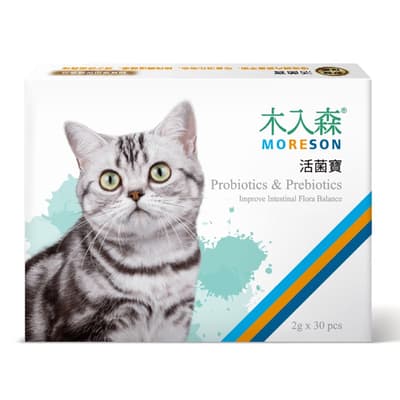
- MORESON cat supplement Live Bacteria 2g x 30 sachets (MRSC011) — HK$154
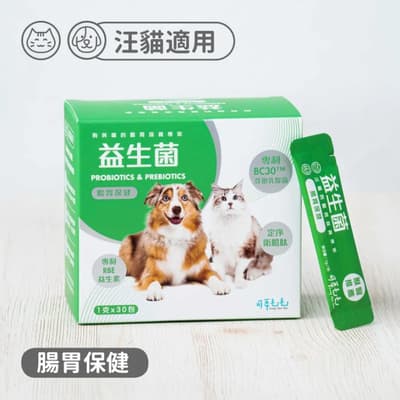
- Koti Mao Mao nutritional supplement gastrointestinal probiotics 1g x 30 sachets (cat/dog) (CM-0277) — HK$150
Prices and stock are subject to the online shop's current listed price.
A common misunderstanding to clarify: not all 'can be used long-term' pet products work the same way. There are at least three patterns on the market, each with different risks:
| Product pattern | Usage rhythm | Key risk | Site example |
|---|---|---|---|
| Short-term course | 2 to 3 days, or per vet | Cannot be extended indefinitely; follow-up needed | Prokolin Pro-Kolin Advance 15ml (cat) — HK$160 |
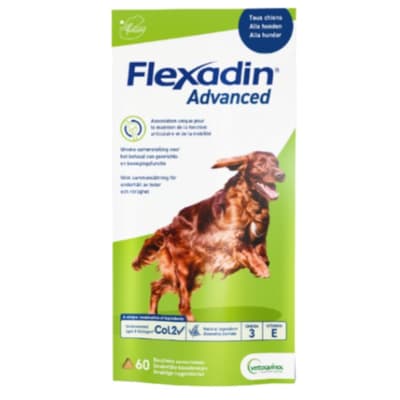
| Long-term daily | Continuous daily use, counted in months | Regular review of whether still needed | Vetoquinol Flexadin advanced dog joint supplement chews 60 pieces — HK$628 (available for pre-order) |
| Regular external | Monthly or per vet-specified cycle | Breed, weight, age restrictions must be checked | Advantix spot-on 4-10kg 1 box 4 pipettes — HK$295 / Advantage spot-on 4-8kg 1 box 4 pipettes — HK$195 (available for pre-order) |
Prices and stock are subject to the online shop's current listed price.
To judge which category a product belongs to, look at three things: the number of days stated in official guidance, whether there are regular follow-up or monitoring requirements, and whether the ingredients are 'immediate action' (adsorption, hydration) or 'cumulative' (nutritional supplementation). Pro-Kolin Advanced is the first category, because the official guidance itself states 2 to 3 days and 'examination if longer'.
For storage and administration, official information gives several specific figures and practices: unopened shelf life is 2 years from manufacture; after opening, as long as it is kept in a cool dry place, the nozzle cleaned and dried after each use, and the cap replaced, it can be used until the expiry date on the box; if the home is too hot with no suitable place, it can go in the fridge. Administration can be by scale directly into the mouth, or mixed into food. Cleaning the nozzle after each use is a step the official guidance particularly emphasises, because paste residue at the nozzle can harbour bacteria. If the animal also has vaccination or health check appointments, they can be handled at the same time and need not be delayed because of probiotic use—for vaccination arrangements see the site's cat vaccination guide.

Further Reading
- Pet medication safety guide: dosage, side effects, accidental ingestion (2026)
- Cat vaccination guide
- Pet antibiotic side effects and response
- Dewormer safety review
In an emergency, contact a vet immediately; this article is for reference only and cannot replace veterinary diagnosis.
Information checked to 2026-10-12 · Source: PetChill editorial team
 Fuji One full guide →