Quick answers
- Don't supplement potassium first — do blood tests first: The typical lab reference for blood potassium is about 3.5–5.5 mmol/L. Only when it is clearly low (below about 3.0 mmol/L) do cats more often show hind-limb and neck weakness; potassium supplementation must be prescribed by a veterinarian based on blood test results.
- The most objective home indicator is jump height: If your cat goes from being able to jump onto a 40 cm stool to only jumping below 30 cm or falling mid-jump, this change is far more useful than 'looks tired'.
- Weigh every 2 weeks: If an older cat loses more than 2–3% of body weight in a month, or you can clearly feel bones along both sides of the spine, notify your veterinarian.
- Record three things daily: food intake, water intake, defecation. Both low blood potassium and dehydration slow intestinal motility, and constipation can be the first clue.
- Steroids must not be stopped suddenly: Long-term use requires a gradual dose reduction (taper) arranged by a veterinarian; stopping on your own can cause adrenal crisis.
- 4 red lines for same-day vet care: sudden dragging of the hind legs, noticeable drooping of the neck, complete refusal to eat for more than 24 hours, rapid breathing or seizures.
- Follow-up blood test frequency: For older cats on long-term oral steroids, blood and urine tests are generally recommended every 3 to 6 months, including blood potassium, kidney values, and blood glucose.
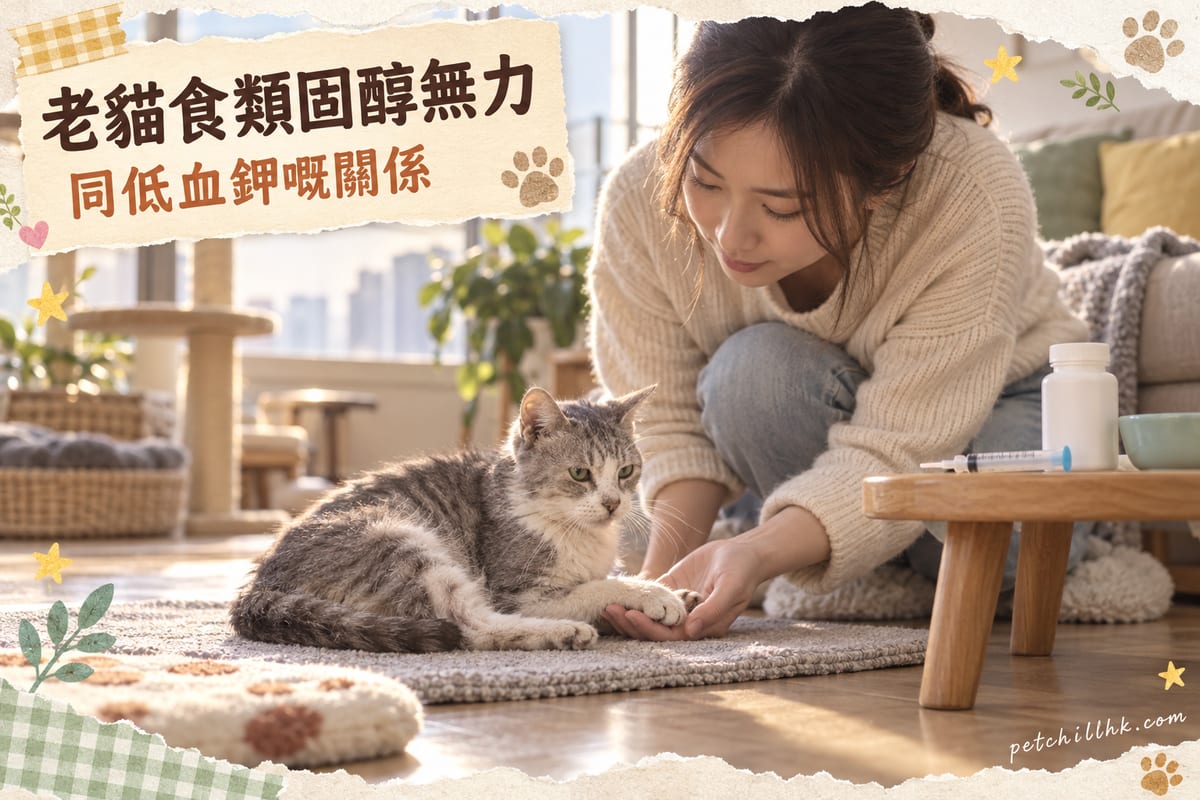
When an older cat on steroids has weak legs and lies down after a few steps, it should not be dismissed as 'just old age'. There are several possible causes: muscle wasting caused by the steroids themselves (steroid myopathy), low blood potassium (hypokalemia), chronic kidney disease common in older cats, degenerative joint pain, and even steroid-induced blood sugar problems. To know whether potassium is involved, the only reliable way is a blood test to check blood potassium and electrolytes, not buying potassium supplements on your own. The most valuable thing you can do at home is to keep quantified records — jump height, body weight, muscle mass, food intake, and defecation — and bring these records to follow-up visits so the veterinarian can use the data to decide whether to adjust medication or add tests.
This article explains step by step: the 4 possible pathways by which steroids cause weakness in older cats, a comparison table to help you tell 'which is most likely', a 7-day home observation method and record list, 4 red lines for immediate vet care, 3 things you must not do on your own, and supportive care and parasite prevention during medication. To first grasp the overall framework of medication safety (dose determined by veterinarian, species not interchangeable, management of accidental ingestion), you can read Pet Medication Safety Guide.
Why steroids cause weakness in older cats: four possible pathways
Glucocorticoids (e.g. prednisolone, dexamethasone) are among the most commonly used anti-inflammatory and immunosuppressive drugs in cats, used for allergic skin disease, feline asthma, inflammatory bowel disease, immune-mediated diseases, and some tumours. They save many cats, but long-term or high-dose use comes at a cost to the body, and older cats with lower organ reserve pay a more obvious price.
Pathway 1: Steroid myopathy. Long-term high-dose glucocorticoids accelerate muscle protein breakdown, causing muscles (especially hind limbs, lower back, and abdomen) to become thin and weak. Steroid myopathy is more common and more obvious in dogs; cats generally tolerate glucocorticoids better, but long-term high doses can still cause it. Typical signs are hind legs that seem weak, decreased jump height, slower climbing of stairs, but the cat can still walk roughly normally.
Pathway 2: Low blood potassium. Glucocorticoids have a mineralocorticoid-like effect, increasing renal potassium excretion; combined with chronic kidney disease common in older cats, decreased appetite, diarrhoea, or vomiting, potassium intake is low and loss is high, so blood potassium falls. The classic sign of low blood potassium is muscle weakness, especially in the hind limbs and neck (ventroflexion of the neck, as if unable to lift the head), along with lethargy and constipation.
Pathway 3: Decreased muscle mass and insufficient protein intake. Older cats have reduced digestive and absorptive efficiency, declining sense of smell and taste, dental pain, or reduced food intake due to the taste of medication; some owners over-restrict protein because the older cat has kidney disease, resulting in accelerated muscle loss. This pathway is not directly related to potassium, but the appearance is very similar to steroid myopathy.
Pathway 4: Other metabolic problems. Steroids can induce or worsen diabetes (polyuria, polydipsia, weight loss); chronic kidney disease and hyperthyroidism are also common causes of weakness in older cats. These all require blood and urine tests to distinguish.
The appearance of the four pathways can be extremely similar, so 'looking at the cat' cannot distinguish them; data and blood tests are needed.
| Possible pathway | Typical signs | What blood tests show | What you can do at home |
|---|---|---|---|
| Steroid myopathy | Thinning of hind-limb and lower-back muscles, gradual decrease in jump height, walking still fairly steady | Blood potassium and kidney values usually normal | Record muscle mass and jump height every 7 days; at follow-up ask the vet to assess dose reduction |
| Low blood potassium | Noticeable weakness within a few days, dragging legs, possibly drooping neck, constipation, lethargy | Low blood potassium (typical reference about 3.5–5.5 mmol/L) | Record food intake and defecation; let the vet decide whether to test blood and treat |
| Sarcopenia / protein insufficiency | Overall thin, spine and hip bones prominent, small appetite | Low albumin or total protein, possibly elevated kidney values | Weigh every 2 weeks; dietary changes need vet approval |
| Diabetes / kidney disease / hyperthyroidism | Polyuria, polydipsia, large appetite but thin, rapid weight loss | Blood glucose, kidney values (creatinine, SDMA), thyroid hormone T4 | Record daily water intake; arrange blood and urine tests as soon as possible |
One point must be made clear: low blood potassium is one of the few causes that can be identified immediately by blood test and is treatable. Precisely because it is treatable, you should not supplement potassium on your own based on guesswork. High blood potassium can affect heart rhythm and can also be fatal, so this step is deliberately left to the veterinarian.
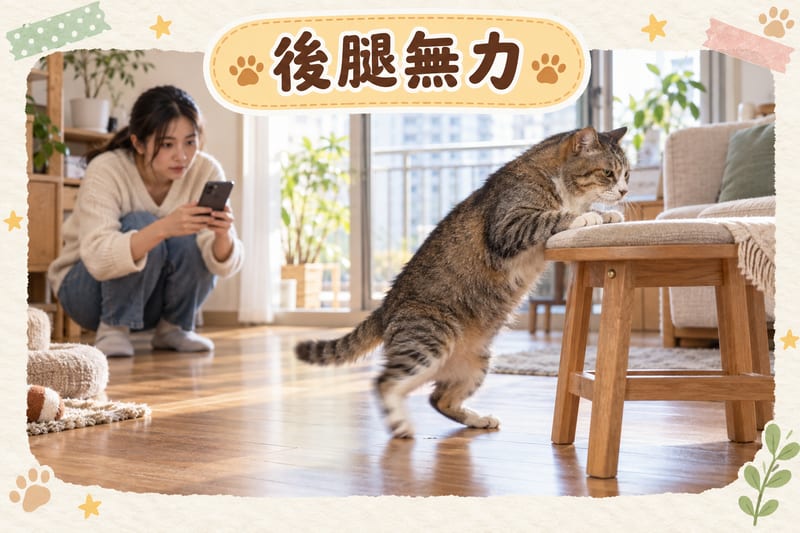
First distinguish the category: muscle weakness, low blood potassium, chronic kidney disease, or joint pain
'No strength' is a very vague description; what the veterinarian wants to know is the pattern, timing, and accompanying symptoms. The table below helps you organise home observations, but it is only to help you communicate with the vet and cannot replace an examination.
| Observation point | Leans towards steroid myopathy | Leans towards low blood potassium | Leans towards joint pain | Leans towards diabetes / kidney disease |
|---|---|---|---|---|
| Pattern of weakness | Symmetrical, slowly worsening, still able to walk | Noticeable within days, may drag legs | One side worse, stiff on starting, better after moving | General weakness, possibly with hind-limb weakness |
| Neck posture | Usually normal | May droop head, ventroflexion of neck | Usually normal | Usually normal |
| Jumping performance | Height gradually decreases | Suddenly cannot jump up, unstable landing | Hesitates before jumping, cries on landing | No energy to jump |
| Appetite | May be normal or increased | Often poor, may have constipation | Generally unchanged | Large appetite but thin, or complete refusal to eat |
| Water intake and urine output | Easily increased (steroids themselves can cause polyuria/polydipsia) | May be reduced | Unchanged | Noticeably increased |
| Next step at home | Record muscle mass, raise dose reduction assessment at follow-up | Blood test as soon as possible, do not supplement potassium on your own | Environmental modification plus vet assessment for pain relief | Blood and urine tests as soon as possible, including blood glucose |
Higher-risk older cats should have blood tests earlier: those with existing chronic kidney disease, heart disease, or diabetes; those also taking diuretics or other drugs affecting electrolytes; those with recent vomiting, diarrhoea, or markedly decreased appetite; those losing more than 2–3% body weight in a month. Blood potassium and kidney values in these cats can fluctuate quickly, so it is not advisable to wait for a routine follow-up every six months.
The following are monitoring items that veterinarians generally arrange for older cats on long-term oral steroids; the actual content and frequency should be decided by the vet based on the condition:
| Test item | Main purpose | General frequency |
|---|---|---|
| Blood potassium, sodium, chloride (electrolytes) | Low blood potassium, dehydration, electrolyte imbalance | Once before starting long-term medication, then every 3 to 6 months |
| Kidney values (creatinine, BUN, SDMA) | Chronic kidney disease and changes in kidney function | Every 3 to 6 months, more frequently for cats with kidney disease |
| Blood glucose and urine glucose | Steroid-induced diabetes | Every 3 to 6 months; test immediately if polyuria/polydipsia occurs |
| Liver function (ALT, ALP) | Liver response and drug effects | Every 3 to 6 months |
| Urinalysis (specific gravity, urine protein) | Kidney concentrating ability, urinary problems | Generally done together with blood tests |
| Blood pressure | Hypertension (common in kidney disease, hyperthyroidism) | Measured at follow-up, at least every 6 months |
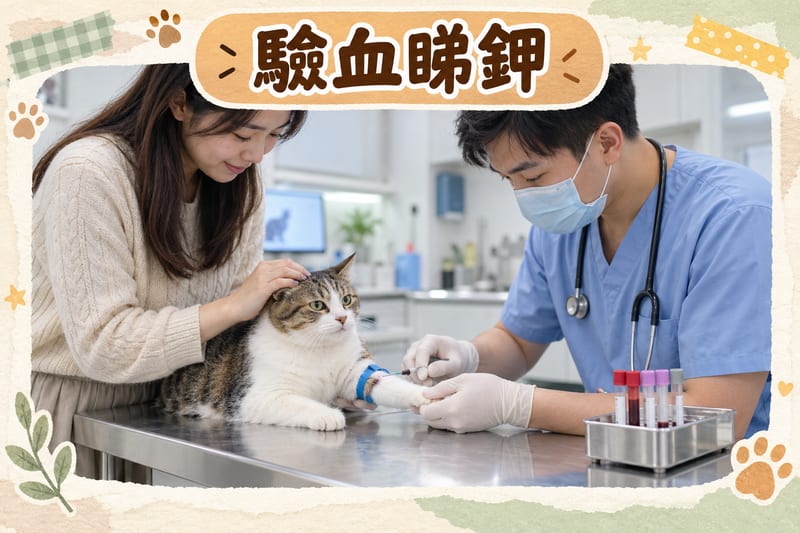
Long-term steroid side-effect monitoring checklist (abdomen, demeanour, blood tests)
During long-term oral glucocorticoids (e.g. prednisolone) in older cats, one of the most common home questions is 'the belly seems bloated' and 'is it in pain'. These two things should be discussed separately: steroids cause fat redistribution, and a visibly enlarged abdomen is an expected change, generally not accompanied by pain; however, if the abdomen noticeably enlarges in a short time, the belly skin feels tight, or the cat won't let you touch the abdomen, it should be treated as a signal to seek veterinary care. The checklist below is divided into abdomen, demeanour and behaviour, and blood tests, all of which can be brought to follow-up visits.
| Monitoring item | How often | Expected change | Signal to watch | What to do at home |
|---|---|---|---|---|
| Abdominal girth (widest point) | Every 2 weeks | Slowly increases, feels soft | Increase of more than 2 cm in a week, tight like a drum | Use a soft tape at the same spot, before meals, record the number |
| Abdominal feel | Weekly | Feels soft, cat does not resist | Cries when touched, bites, arches back and avoids | Stop pressing, do not repeatedly probe, contact vet the same day |
| Demeanour and interaction | Daily | Activity may decrease slightly | Ignores people, hides, no response to toys | Record water intake, food intake, and number of times actively greeting you |
| Respiratory rate | Daily (during sleep) | Steady and even | More than 30 breaths per minute during sleep, open-mouth breathing | Seek vet care the same day, do not wait for follow-up |
| Body weight and muscle mass | Every 2 weeks | May fluctuate slightly | Loss of more than 2–3% in a month | Use the same scale, weigh at the same time |
| Blood potassium and electrolytes | Every 3 to 6 months | May be low | Hind-limb weakness, drooping neck | Have vet arrange blood test, do not supplement potassium on your own |
| Blood glucose, kidney values, liver function | Every 3 to 6 months | May rise | Polyuria/polydipsia, large appetite but thin | Arrange blood and urine tests immediately if changes occur |
Abdomen part. Measuring abdominal girth is the easiest quantitative method: with the cat standing or lying on its side, use a soft tape to measure the widest part of the abdomen, at the same spot and same time (e.g. before meals), every 2 weeks. If it increases by more than 2 cm within a week, or the belly feels tight or has a fluid wave, do not dismiss it as 'ate too much'; contact your vet the same day, because ascites, heart problems, and peritonitis can all present similarly and require imaging and blood tests to distinguish.
Demeanour and behaviour part. Steroids may initially make some cats hyperactive and increase appetite, then they become tired easily, so 'is the demeanour good' should be compared with baseline, not observed on a single day. It is recommended to record three items every night for one minute: whether the cat actively greets you, whether it jumps onto its usual spot, and its response when called. If these three items worsen for three consecutive days, it is worth calling the clinic.
Blood test part. Cats on long-term medication generally have tests every 3 to 6 months, including blood potassium and electrolytes, kidney values (creatinine, BUN, SDMA), blood glucose and urine glucose, liver function (ALT, ALP), and urinalysis; blood pressure should also be measured at follow-up. Blood tests are the only way to distinguish whether 'abdominal enlargement is fat, water, or intestinal gas'. All dose adjustments, tapering schedules, and supplement use must follow veterinary instructions; suddenly stopping after long-term use can cause adrenal crisis, which is an emergency and must never be handled on your own. To understand the overall check-up schedule for older cats, you can read Senior Cat Care Guide.
7-day home observation method: how to tell 'old age' from 'illness'
Slowing down in older cats is normal, but the speed and pattern of change can be quantified. The following process can be completed within 7 days and can be brought directly to a follow-up visit.
- Record jump height: Use a target of fixed height (e.g. a 30 cm low stool), and at the same time each day use a treat to entice the cat to jump onto it, recording success or failure and landing stability. Do not force; stop if it fails to avoid falls and injury.
- Feel muscle mass: Feel along both sides of the spine, hip bones, and upper arms, recording 'clearly feeling bones' or 'still has muscle padding', and compare every 7 days.
- Weigh: Use the same scale at the same time, every 2 weeks. If an older cat loses more than 2–3% in a month, it is worth notifying the vet.
- Record food and water intake: Measure with the same bowl, write down approximately how much is eaten and drunk each day. A cat's daily water intake is generally around 40 to 60 mL per kg body weight; if noticeably above this, watch for diabetes and kidney disease.
- Record defecation: Both low blood potassium and dehydration slow intestinal motility; constipation is sometimes the first clue; if there is no bowel movement for more than 48 hours, do not wait any longer.
- Observe neck posture: When the cat stands or walks, is the neck noticeably drooping, as if unable to lift the head? This is one of the more indicative signs of low blood potassium.
- Bring records to follow-up: Do not just say 'it seems weak'; bring the 7-day numbers and a video (use your phone to film 10 seconds of gait), and the vet's assessment will be much more accurate.
| Record item | How often | Change worth noting | Corresponding action |
|---|---|---|---|
| Jump height | Once daily | Drops from 40 cm to below 30 cm within a week | Raise at follow-up, request blood potassium test |
| Body weight | Every 2 weeks | Loss of more than 2–3% in a month | Contact vet within a week |
| Muscle mass | Every 7 days | Clearly feeling bones along both sides of the spine | Discuss protein ratio at follow-up |
| Food intake | Daily | Eating half less for 2 consecutive days | Call clinic within 24 hours |
| Water intake | Daily | Noticeably increased, exceeding the reference range of 60 mL per kg | Test blood glucose and kidney values as soon as possible |
| Defecation | Daily | No bowel movement for more than 48 hours | See vet, do not use laxatives on your own |
| Neck posture | Daily | Drooping head, ventroflexion of neck | Contact vet the same day |
Red lines: when to seek immediate vet care, and three things you must not do on your own
4 red lines for immediate vet care (do not wait for follow-up):
- Sudden dragging of the hind legs, completely unable to stand, or walking obviously tilted or circling.
- Noticeable drooping of the neck, unable to lift the head, or rapid breathing, open-mouth breathing.
- Complete refusal to eat for more than 24 hours, or persistent vomiting, unable to drink even water.
- Seizures, obviously irregular heartbeat, lethargy and ignoring people. These may be related to severe low blood potassium or heart rhythm problems and are emergencies.
3 things you must not do on your own:
- Do not stop the medication, reduce the dose, or skip a meal's dose. Suddenly stopping after long-term glucocorticoid use can cause adrenal crisis because the adrenal glands temporarily cannot produce enough hormones, and this is a potentially fatal emergency. Any dose reduction must be arranged by the vet with a gradual taper.
- Do not supplement potassium on your own. Potassium supplements must be prescribed by a vet based on blood test results and kidney function; high blood potassium can affect heart rhythm. Over-the-counter electrolyte water, health products, or high-potassium foods labelled as 'potassium supplements' should also be discussed with a vet before use.
- Do not add human painkillers or muscle supplements on your own. Cats metabolise drugs differently from humans, and some human painkillers are toxic to cats; whether muscle weakness is caused by pain needs vet assessment. Regarding supplements, cats eating a good quality complete food usually do not need extra supplementation; for related principles, you can refer to Cat Vitamin Supplements.
A common saying online is 'if on steroids, supplement potassium'. This is not entirely wrong, but the order is wrong. The correct order is to first do blood tests to confirm blood potassium level and kidney function, then let the vet decide whether to treat and in what form. Skipping blood tests and supplementing potassium directly is trading one risk for another.
Supportive care and parasite prevention during medication
Environmental modification (can be done immediately, no drugs involved):
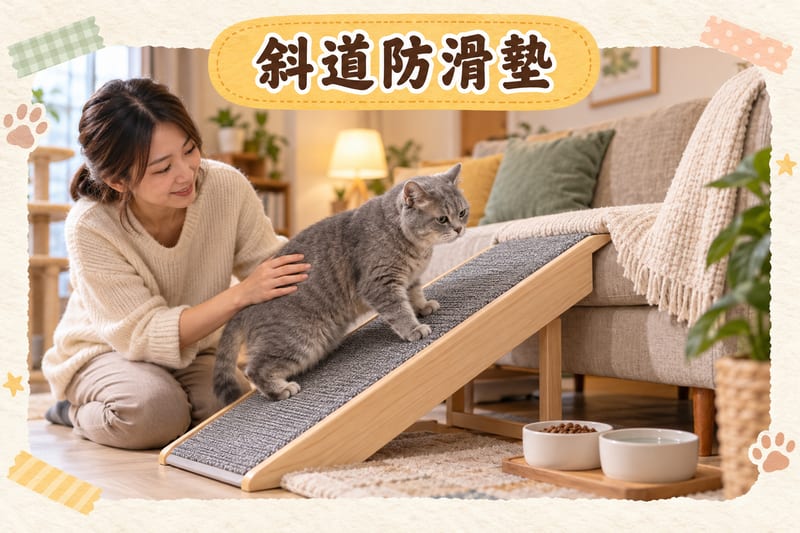
- Add ramps or low steps so the cat can reach windowsills, sofas, and beds without jumping high.
- Use a low-sided litter box, or add a footboard, to reduce the hind-limb burden when stepping in.
- Lay non-slip mats, especially along the cat's usual walking routes and landing spots.
- Place water, food, and litter box close together to reduce walking distance; place several water bowls around the home.
- Keep warm: older cats have low muscle mass and poorer temperature regulation; in winter, use a heating pad set to low temperature.
Diet and weight:
- Older cats need high-quality protein to maintain muscle; however, if they also have chronic kidney disease, the amount of protein and phosphorus must be decided by the vet based on the stage, and you must not copy meal plans from the internet.
- Appetite is key. When the taste of medication makes the cat refuse food, discuss with the vet about ways to give the medication and food temperature (slightly warm can increase aroma), rather than stopping the medication on your own.
- Weighing every 2 weeks and recording muscle mass is the most direct way to see whether supportive care is effective.
- Supplements (fish oil, probiotics, joint formulas, etc.) are only supportive; ask the vet before use, especially for older cats that already have kidney disease or are on several medications.
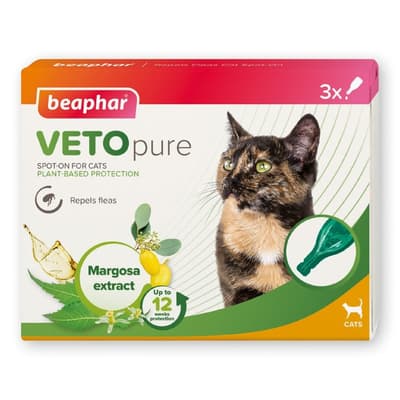
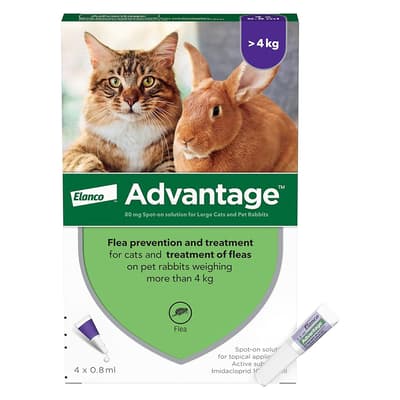
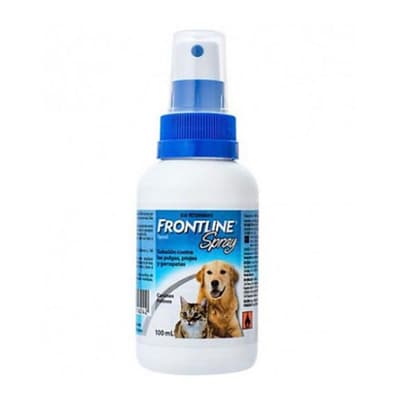
Parasite prevention during medication. Glucocorticoids suppress immune responses, and the skin barrier and immune defences are weaker, so problems caused by fleas, ticks, and internal parasites can become more serious, and wound and skin infections are harder to heal. Therefore, even if the cat goes out rarely, it is generally recommended to continue internal and external deworming as instructed by the vet, and not to stop on your own because 'it has been unwell recently'. Common options in Hong Kong include spot-on and spray types, with different weight ranges and usage; before choosing, confirm the cat's weight, age, and whether it is on other medications. For the complete schedule and choices, see Cat Deworming Guide.
Examples of related products currently sold by PetChill:
- Beaphar VETO pure Adult Cat Natural Spot-On 3 pipettes (17812) (new packaging) — HK$111
- Elanco (Bayer) Advantage for Cats 4-8kg 4 pipettes (BAC80) — HK$195 (available for pre-order)
- FRONTLINE Spray Flea and Tick Spray 100ml — HK$156 (available for pre-order)
Prices and stock are subject to the online store's current listed price. The above are examples only; which product to use and how often must follow veterinary instructions and product labels; if the cat is also on steroids or other medications, ask the vet before use.
Gastrointestinal symptoms should be considered together. If an older cat on long-term medication also develops diarrhoea or constipation, the home management order is similar to general gastrointestinal care during medication (do not stop medication on your own, maintain hydration, small frequent meals, record defecation); you can refer to What to do about diarrhoea or constipation in cats on antibiotics. For the overall care schedule for older cats (kidney, joints, teeth, cognition, and check-up frequency from age 7), see Senior Cat Care Guide.
Further reading
- Pet Medication Safety Guide | Dosage, side effects, accidental ingestion management (2026)
- Senior Cat Care Guide | Kidney, joints, cognition, diet, check-up schedule for cats over 7 (2026)
- Cat Vitamin Supplements | Do Hong Kong cats need supplements? Needs, types, how to choose
- Cat Deworming Guide | Hong Kong internal and external deworming options, FRONTLINE usage and schedule
For emergencies, contact a veterinarian immediately; this article is for reference only and cannot replace veterinary diagnosis.
Information checked as of 2026-10-12Source: PetChill editorial team
 Fuji One full guide →


 K9 Natural full guide →
 Feline Natural full guide →