Quick answers
- A cat eating grapes or raisins is an emergency: the correct first step is to call your veterinarian or a 24-hour emergency clinic immediately, not to wait at home for 24 hours.
- Never induce vomiting yourself, and never give activated charcoal, milk, salt water or oil—these 4 practices can all cause secondary harm.
- Immediately note 4 pieces of information: how many grapes were eaten, when, whether fresh or dried, and whether any remain.
- Keep the packaging, seeds and vomit samples, and bring them with a time log to the clinic; this will greatly speed up the vet's estimation of the amount ingested.
- Even if the cat shows no symptoms at all, a check-up is necessary: kidney changes usually take 24 to 72 hours to show on blood tests.
- The 48 to 72 hours after returning home is the observation period; watch urine output, water intake, demeanour and appetite, and return to the clinic if anything seems off.
- The most effective home prevention is just 1 habit: keep all grapes, raisins, raisin bread and red wine in a sealed cupboard.
"What emergency steps should I take if my cat eats grapes or raisins?" The answer can be compressed into one sentence: contact a vet immediately, let the vet lead throughout, and the owner's job is to record information, keep samples and observe closely. Grapes and raisins have long been classified as high-risk foods by international veterinary toxicologists—the causal link is clearest in dogs, and individual cases in cats have also been reported, so clinically no distinction is made between "cats can eat them" and "only dogs are affected"; they are always treated as a risk: do not wait for symptoms, do not induce vomiting yourself, and do not give any medication or home remedy yourself. The ASPCA Animal Poison Control Center (ASPCA APCC) has for many years listed grapes and raisins as one of the common causes of acute kidney injury cases in pets, and a safe dose for pets has still not been established.
Many owners' first reaction is "it's just one grape, let's see if anything happens." This approach carries the highest risk, because early poisoning can be completely asymptomatic: the cat will still jump, eat and cuddle, but the kidneys are already affected, and blood test changes usually only emerge after 24 to 72 hours. Conversely, the earlier you reach the clinic, the more treatment options the vet can consider, such as inducing vomiting (the decision rests entirely with the vet), intravenous fluids and intensive blood test monitoring. The following article provides the immediate 5 steps after ingestion, 8 pieces of information to prepare before calling the vet, a 0–72 hour timeline, the 4 most common mistakes, the tests the vet will perform, and an observation checklist and home storage tips after returning home. If you want to first understand the overall framework for managing ingestion and medication safety, see Pet Medication Safety Guide.
1. The 5 immediate steps after ingestion: order matters
After discovering your cat has eaten grapes, the easiest thing to get wrong is the order—many owners first search online for "how to induce vomiting," which actually delays the most critical step: making the phone call. The following 5 steps are listed in priority order, and each can be completed within 1 to 2 minutes.
| Order | Action | What not to do |
|---|---|---|
| Step 1 | Call your regular vet immediately; if the clinic is closed, find a 24-hour emergency hospital and state clearly "my cat is suspected of eating grapes" | Do not search online first, do not ask friends first—the time window is limited |
| Step 2 | Remove the remaining grapes, raisins or raisin bread and packaging from the cat, and photograph the front of the packaging and the ingredient list | Do not throw away the packaging; the weight label on the packaging is the only clue for estimating the amount ingested |
| Step 3 | Note 4 pieces of information: roughly how many grapes or how many grams were eaten, when, whether fresh or dried (or processed), and whether anything else was eaten at the same time | Do not rely on memory and only speak at the clinic; jot it down in your phone's notes app |
| Step 4 | Collect a vomit sample (in a zip-lock bag or clean container); include any seeds, skin or raisin fragments | Do not clean up every trace; the sample can confirm what was ingested |
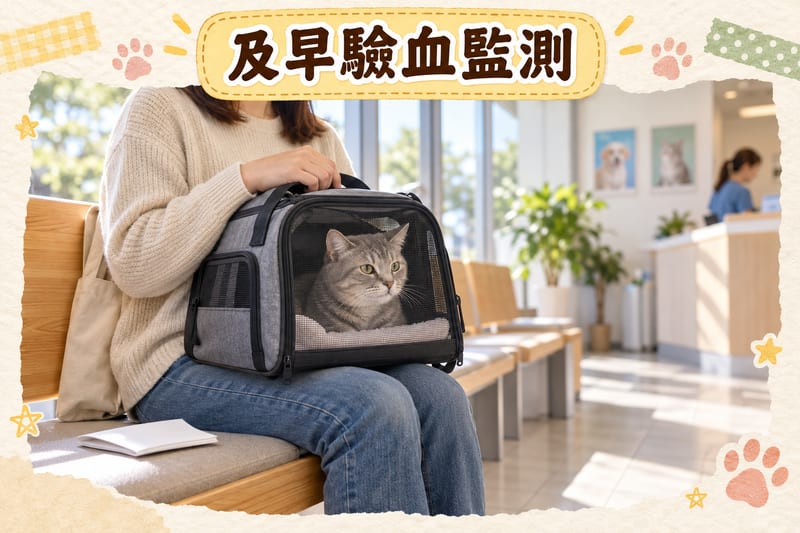
| Step 5 | Take the cat in a carrier or travel bag, keeping it cool and quiet on the way | Do not delay because the cat "looks fine," and do not stop to buy things on the way |
Regarding Step 1, one key distinction must be made clear: inducing vomiting is a professional decision for the vet, not a home self-help step for the owner. The vet will judge whether inducing vomiting is appropriate based on the time since ingestion, the amount ingested, the cat's mental state and any other medical history; some situations (such as persistent vomiting, unconsciousness, or suspected swallowing of sharp objects) are not suitable for inducing vomiting at all. Owners inducing vomiting themselves with salt water, hydrogen peroxide, fingers down the throat or "forcing large amounts of water" can cause vomit to enter the windpipe and lead to aspiration pneumonia, and may also injure the esophagus and stomach lining; such secondary harm can sometimes be harder to manage than the ingestion itself.
For the same reason, the other 4 types of home remedies must never be used: giving activated charcoal (should only be used under veterinary instruction; self-administration carries a risk of aspiration), giving milk or oil to "dilute the toxin" (high-fat foods increase the burden on the pancreas and gastrointestinal tract), giving salt water (can cause sodium poisoning), and giving human stomach or anti-vomiting medication (can mask symptoms and mislead the vet's assessment). What you really need to do is hand over "when it was eaten, how much, and what" to the vet.
2. 8 pieces of information to prepare before calling and going to the clinic
The vet's worst-case scenario is an owner who, in a panic, can only say "my cat ate grapes." If the following 8 pieces of information are complete, the vet can assess severity over the phone and even prepare fluids and blood test equipment in advance so that treatment can begin as soon as you arrive.
| Information item | How to record | Why it matters |
|---|---|---|
| Amount ingested | Write "about 3 grapes" or "about 20 grams"; if packaging is available, copy the net weight and your estimated remaining proportion | Amount ingested is the starting point for risk assessment; you do not need to pretend to be precise—just tell the truth based on observation |
| Time of ingestion | Accurate to "around what time," e.g. "around 4:30 pm" | Determines whether a treatment window remains, and affects the timing of blood tests |
| Form of grape | Fresh grapes, raisins, raisin bread, grape juice, red wine—state each clearly | Raisins have higher risk per weight after dehydration, and processed products may also contain sugar, fat or alcohol |
| Whether seeds and skin were included | Note whether they were chewed or still attached to the stem | Helps the vet assess gastrointestinal burden and risk of obstruction |
| Other items eaten at the same time | E.g. chocolate-flavoured snacks, peanut butter, sugar-free gum, human medication | Multiple poisonings must be managed together; if not mentioned, they will be missed |
| Basic cat information | Weight, age, any chronic disease (kidney disease, diabetes, heart disease), current medications | Directly affects fluid rate and medication choices |
| Symptom changes | What time vomiting started, how many times, changes in demeanour and appetite, whether urine output has decreased | The symptom timeline is central to judging disease progression |
| Your location and travel time | State roughly how long it takes to get from home to the clinic | The vet will adjust phone instructions and arrival arrangements accordingly |
Once prepared, do two more things: first, bring the cat's regular medications, supplements and most recent blood test report (if available); second, bring the vomit sample or a photo. As for the situation where "the vet tells me to wait," ask 3 questions clearly: how long to wait, what to observe during that time, and what change would require an immediate return to the clinic. If the phone answer is merely "see if anything happens" and the cat has eaten grapes, it is advisable to go straight to the emergency clinic without hesitation—acute kidney injury cannot be ruled out by visual observation.

3. The 0–72 hour timeline after ingestion: when is the most dangerous period
The most insidious aspect of grape-related poisoning is that symptoms and kidney damage are not necessarily synchronised. The following timeline summarises changes generally observed in clinical practice; its purpose is to help you judge "when you can no longer wait," not to let you assess the condition yourself at home.
| Time | Possible developments | What you should do |
|---|---|---|
| 0 to 2 hours | Many cats show no symptoms at all and continue to jump and eat | Call the vet immediately and set off with the cat; this is the period with the most treatment options |
| 2 to 6 hours | Some cats begin vomiting, drooling, abdominal discomfort, and demeanour may deteriorate | Do not assume everything is fine because "it vomited it out"; vomiting does not mean the toxin was not absorbed |
| 6 to 24 hours | Repeated vomiting, diarrhoea, marked lethargy, reluctance to eat may occur | Same-day blood tests (BUN, creatinine, electrolytes) and urinalysis; start fluids immediately if needed |
| 24 to 48 hours | Blood tests may begin to show rising kidney function indicators; urine output may decrease or abnormally increase | Hospitalisation or close follow-up as arranged by the vet; do not rely solely on home observation |
| 48 to 72 hours | The period when kidney damage is most evident, and the key time for assessing prognosis | Recheck blood and urine at the times specified by the vet; do not stop medication or follow-up without veterinary approval |
| After 72 hours | Stable or falling indicators mean the high-risk period has passed, but follow-up as arranged by the vet is still needed | Keep all reports for future comparison; mention this ingestion history at every future blood test |
Note that even if the same cat has "no vomiting, no lethargy, still eating" within 24 hours, it is not necessarily safe—some cases show blood test abnormalities first and symptoms later; in other cases early symptoms are mild but kidney function indicators continue to rise. So the correct use of the timeline is: to decide when to recheck and do blood tests, not to decide when you can relax.
In addition, kittens, senior cats, and cats with existing kidney disease, heart disease or diabetes have much lower tolerance for dehydration and kidney burden, so the observation window should be shorter. For these cats, even a small amount ingested should be treated as an emergency.
4. The 4 most common home mistakes
The following 4 practices are the most commonly heard from Hong Kong cat owners seeking help, and each one makes the situation worse.
| Mistake | Actual risk | Correct approach |
|---|---|---|
| Inducing vomiting yourself (salt water, hydrogen peroxide, fingers down the throat) | Vomit entering the windpipe can cause aspiration pneumonia; esophageal and stomach lining injury; salt water can cause sodium poisoning | Let the vet decide whether to induce vomiting and which method to use, and do it in the clinic setting |
| Giving milk, oil or "detox remedies" | High-fat foods increase pancreatic and gastrointestinal burden; some remedies are themselves toxic to cats | Give nothing except plain water; the vet will decide whether treatments such as activated charcoal are needed |
| Waiting for symptoms before seeing a vet | Early kidney injury has no symptoms; by the time vomiting, lethargy or loss of appetite appear, monitoring and treatment are already reactive | Same-day blood and urine tests after ingestion, with rechecks within 48 to 72 hours |
| Giving medication yourself or using human medication | The dosage and safety of human anti-vomiting and pain medications are completely different for cats, and can cause poisoning or mask the condition | All medications should be prescribed and directed by a vet; do not stop or increase doses yourself |
The fourth item deserves an extra note: some owners think "I'll give an anti-vomiting pill to hold things over until the clinic opens tomorrow." This approach hits two problems at once—first, the medication itself may be harmful to cats; second, after vomiting is suppressed, the symptom disappears and both you and the vet lose an important observation indicator, which actually delays diagnosis. If the cat is already on long-term medication prescribed by a vet (e.g. heart or thyroid medication), you should not stop it yourself because of this ingestion; call the clinic first, as sudden withdrawal of some medications carries a rebound risk.
5. At the clinic: what the vet will check and why blood tests are needed
After arriving at the clinic, the process usually has three stages: stabilisation, assessment and monitoring. Understanding the purpose of each step will help you see why the vet needs repeated blood tests, rather than "one normal test and we're done."
The first stage is stabilisation. The vet will first check the cat's mental state, heart and breathing, degree of dehydration and mucous membrane colour; if there is marked dehydration or circulatory instability, fluids will be started first. The goal of this step is to maintain blood perfusion to the kidneys—the kidneys are very sensitive to blood flow, and dehydration worsens damage.
The second stage is assessment, focusing on "whether there are other concurrent problems." The table below lists common tests and their purposes.
| Test item | Mainly looks at | When usually done |
|---|---|---|
| Blood biochemistry (BUN, creatinine, phosphorus, electrolytes) | Kidney function and electrolyte balance, the core indicators for grape-related poisoning | On arrival, and repeated within 24 to 72 hours |
| Complete blood count | Anaemia, inflammation, degree of dehydration | On arrival |
| Urinalysis (urine specific gravity, urine protein, urine sediment) | Kidney concentrating ability, which can show abnormalities earlier than blood tests | On arrival, then rechecked as needed |
| Blood pressure measurement | Acute kidney injury can be accompanied by blood pressure abnormalities | As arranged by the vet |
| Imaging (X-ray or ultrasound) | Foreign bodies, other organ changes | When needed |
| Intravenous fluids and hospital observation | Maintain kidney perfusion, correct dehydration and electrolyte imbalance | Duration determined by the vet based on blood test results, from several hours to several days |
The third stage is monitoring. A feature of grape-related poisoning is that changes can appear delayed, so the vet will usually recommend a period of hospitalisation or rechecks at specified times, rather than "one normal test and you can go home as if nothing happened." When discharged, you should ask clearly: when is the next blood test, which items will be tested, which symptoms require an immediate return, and whether the cat can continue eating its usual food. If the vet has prescribed medication or a prescription diet, for administration methods and common mistakes see Cat Medication Guide.
6. After returning home: 48–72 hour observation checklist and home prevention
Returning home does not mean the event is over; the high-risk period continues for 48 to 72 hours. Below is a home observation checklist you can follow.
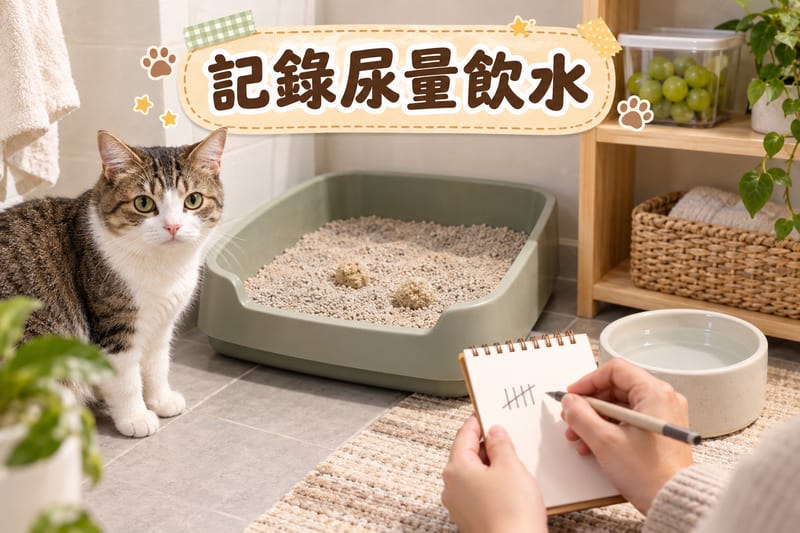
- Urine output: record the number and size of urine clumps each day when scooping the litter; a typical adult cat produces about 2 to 3 clumped urine balls per day. Marked reduction, complete absence of urine, or conversely a sudden large volume of urine should all prompt immediate contact with the vet.
- Water intake and appetite: sudden excessive drinking or complete refusal to drink are both warning signs; contact the clinic if the cat does not eat for 12 consecutive hours.
- Demeanour and interaction: whether it responds, whether it can jump to its usual spots, whether it hides. Hiding is a common sign of pain or discomfort in cats.
- Vomiting and defecation: record frequency and content; blood or black stools require immediate veterinary attention.
- Mouth and breath: drooling, oral ulcers or marked bad breath may be related to abnormal kidney function and require prompt recheck.
- Follow-up blood tests: complete them at the times specified by the vet; do not skip because "it looks energetic," and do not stop or increase medication yourself.
- If diarrhoea, constipation or poor appetite occurs during this period (e.g. after the vet prescribes medication), refer to How to handle diarrhoea or constipation in cats on antibiotics and communicate with the clinic first; do not use over-the-counter human medicines yourself.
As for long-term prevention, the focus is not "teaching the cat not to eat" but changing home storage. Cats are strong jumpers and curious about novel foods, so "putting things further away" alone is not reliable.
| High-risk items | Why dangerous | Storage approach |
|---|---|---|
| Fresh grapes, raisins | Can cause acute kidney injury; raisins have higher risk per weight after dehydration | Put in a sealed container and store on a high shelf in the fridge or in a locked cupboard; do not leave on coffee tables or low tables |
| Raisin bread, raisin cake, grape juice | Processed products contain grape ingredients, and sugar and fat also attract cats | Put away immediately after eating; do not leave on the table overnight |
| Red wine and other wines | Grape ingredients plus alcohol—a double risk | Wine cabinet or high cupboard; do not leave opened wine on the floor or beside the sofa |
| Supplements containing grape seed extract | Concentrated ingredients with limited safety data for pets | Lock up with human medications; ask the vet before giving any supplement |
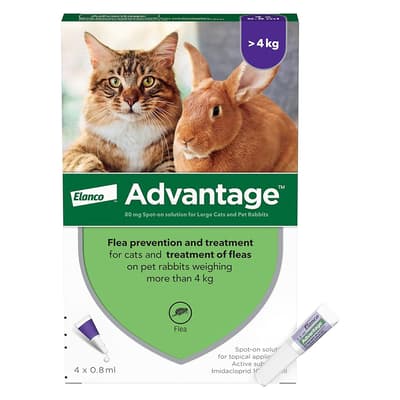
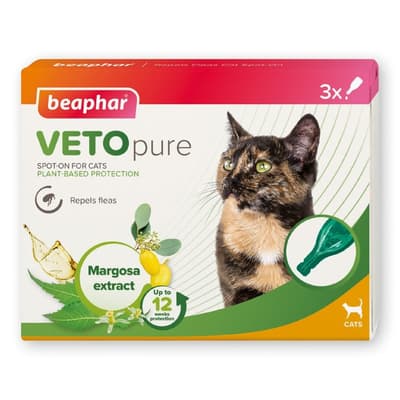
| Topical flea drops and sprays | Formulations are designed by weight and species and must not be swapped | Store separately from food and feeding utensils; put away immediately after use, and isolate the cat as instructed after application |
| Human medications and sugar-free foods containing xylitol | Clearly toxic to cats and dogs; another common type of ingestion | Keep all in a locked medicine box; do not leave on the bedside table or in handbags |
By the way, one of the most underestimated sources of ingestion in Hong Kong households is flea drops and sprays. These products are formulated by weight and species, and some ingredients in dog products are clearly toxic to cats; even for products labelled for cats, using the wrong formulation, applying to the wrong spot, or letting the cat lick the fur just after application can still cause problems. So in addition to storing food properly, topical products should be stored separately from food, and the formulation should be chosen to match the cat's weight range.
Below are examples of drops labelled for cats on the online store; prices and stock are subject to the online store's current listed price:
- Elanco (Bayer) Advantage Flea Drops for Cats 4-8kg, 1 box of 4 pipettes (BAC80) — HK$195 (available for pre-order)
- Beaphar VETO pure Natural Drops for Adult Cats, 1 box of 3 pipettes (17812) (new packaging) — HK$111
- FRONTLINE Spray Flea and Tick Spray 100ml — HK$156 (available for pre-order)
Prices and stock are subject to the online store's current listed price.
Finally, a reminder about "dose conversion": in an emergency, you should not convert any medication dose by body weight yourself; such calculations must consider the drug type, concentration, route of administration and liver and kidney function. If you want to understand why online formulas cannot be copied directly, see How to calculate emergency pet drug doses? Safe calculation methods and precautions.
Further reading
- Pet Medication Safety Guide | Dosage, side effects, ingestion management (2026)
- How to calculate emergency pet drug doses? Safe calculation methods and precautions
- Cat Medication Guide | 3 essential methods and common mistakes for Hong Kong cat owners
- How to handle diarrhoea or constipation in cats on antibiotics?
In an emergency, contact a veterinarian immediately; this article is for reference only and cannot replace veterinary diagnosis.
Information checked as of 2026-10-12Source: PetChill editorial team
 K9 Natural full guide →
 Feline Natural full guide →