Quick answers
- Hong Kong household sockets run at 220 volts (50 Hz). Once a dog bites through the insulation, it is in direct contact with live metal — this is not just "a chewed cable".
- The most effective first step is cable routing: cover all cables below 1 metre from the floor with plastic trunking or corrugated tubing, put extension leads in an under-desk cable box, and you see results immediately.
- Offer alternative chews every day, 10 to 15 minutes each time, plus 2 walks of 20 to 30 minutes daily, to tackle the root cause of "boredom".
- Puppies teethe most heavily at around 3 to 6 months old, and chewing frequency clearly rises during this time. It is a physical need, not disobedience.
- Use a pet-specific bitter spray formula and do a 24-hour test on 1 old cable first. Never use human anti-chew products, chilli powder, mustard or camphor.
- After chewing a live cable, contact your vet immediately even if there are no visible wounds; mouth burns and fluid in the lungs can appear 12 to 24 hours later.
- The five tactics (cable routing, alternatives, energy burning, bitter spray, training) work together and usually show clear improvement in 2 to 4 weeks. Any one tactic alone is not enough.
"How do I stop my dog from chewing cables or chargers?" The most direct answer is: first make the cables physically unchewable, then deal with why they want to chew. Hong Kong homes are small and full of cables, and sockets run at 220 volts, so biting through a cable is not just "breaking something" — it can cause mouth burns, irregular heartbeat and fluid in the lungs. So prevention should not wait until an accident happens.
Most cases are not "a naughty dog" but a combination of teething gum discomfort, cables that look like tug toys, and the owner's reaction becoming a reward. This article goes from shallow to deep: first the causes and home risk hotspots, then the five prevention tactics one by one (with steps and common mistakes), and finally first aid and delayed symptoms after a cable is chewed, so you can follow along straight away.
Why do dogs love chewing cables and chargers?
Understanding the cause is the first step. Across common cases, cable chewing is usually a combination of these 5 factors:
- Teething gum discomfort: Puppies around 3 to 6 months old are teething, with itchy, swollen gums. They chew anything with hardness and give, and cable insulation has exactly the right texture.
- Looks like a tug toy: Cables are long, soft and swing side to side — to a dog, that is a rope that fights back. The more you pull, the more excited they get.
- Your reaction becomes a reward: The moment you see them chew a cable you shout, chase them and grab for it — those 15 seconds are the most exciting game in the world to a dog. The more stressed you are, the more motivated they are to do it again.
- Smell: Charger and phone cables are constantly against your hands and bag, carrying the strongest scent of you, so charger cables are usually the first to be chewed.
- Boredom, excess energy or separation anxiety: For under-exercised dogs, destructive behaviour is the most common outlet. If destruction happens within 30 minutes of you leaving, suspect separation anxiety.
Home cable risk hotspots
| Location | Risk | Common cause | What to do |
|---|---|---|---|
| Extension lead by the bed | Very high | Low to the ground, many cables, unwatched at night | Fix the extension lead under the bed frame, run cables through trunking |
| Charging cable under the sofa | Very high | Owner sits there charging and using the phone | Use a tabletop cable box, don't charge on the sofa |
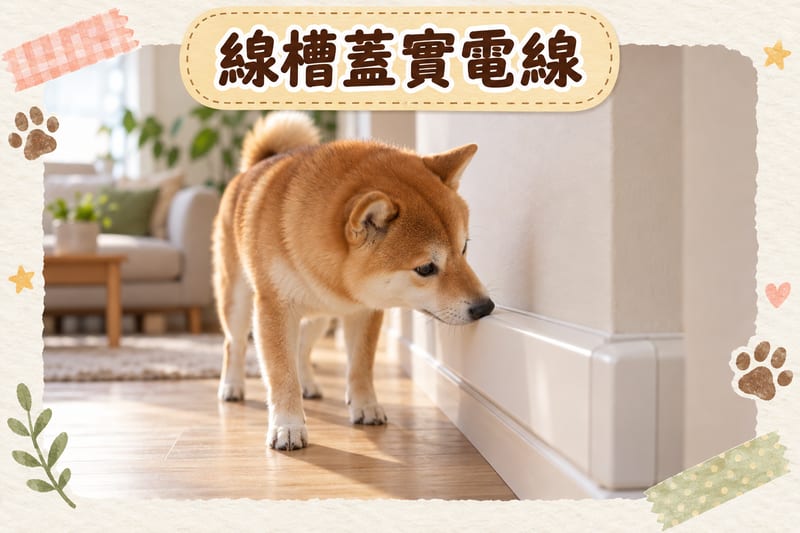
| Skirting-board TV/router cables | High | Run along the skirting, chewed as the dog walks past | Cover the whole run with corrugated tubing, seal joints with end caps |
| Doorways and corridors | Medium | Cables pulled out when doors open | Bind tightly with velcro, don't leave a loose section |
| Computer desk power cables | Medium | Owner present, damage spotted quickly | Cable box + off-floor trunking |
| Fan, heater, dehumidifier cables | High | Seasonal use, normally uncovered | Unplug after use, coil and store in a cupboard |
Note: extension leads and power strips must not be fully sealed in an unventilated box — heat builds up. Use a cable box with ventilation holes.
The five home prevention tactics (overview)
| Tactic | Core action | Time to effect | Notes |
|---|---|---|---|
| 1. Cable routing | Trunking, corrugated tubing, cable boxes — move cables out of the dog's reach | Immediate | The only tactic that physically cuts the risk |
| 2. Alternative chews | Choose hardness by age, 10 to 15 minutes × 3 to 4 times | 1 to 2 weeks | Not too hard, to avoid broken teeth |
| 3. More energy burning and interaction | 2 walks daily, 20 to 30 minutes each | 1 to 2 weeks | Adjust by breed and age |
| 4. Bitter spray / scent deterrent | Pet-specific formula, 24-hour test first | Immediate (backup) | Stops working once the dog gets used to the taste |
| 5. Behaviour training | Teach "trade" and "leave it", all positive reinforcement | 2 to 4 weeks | Never hit or scold |
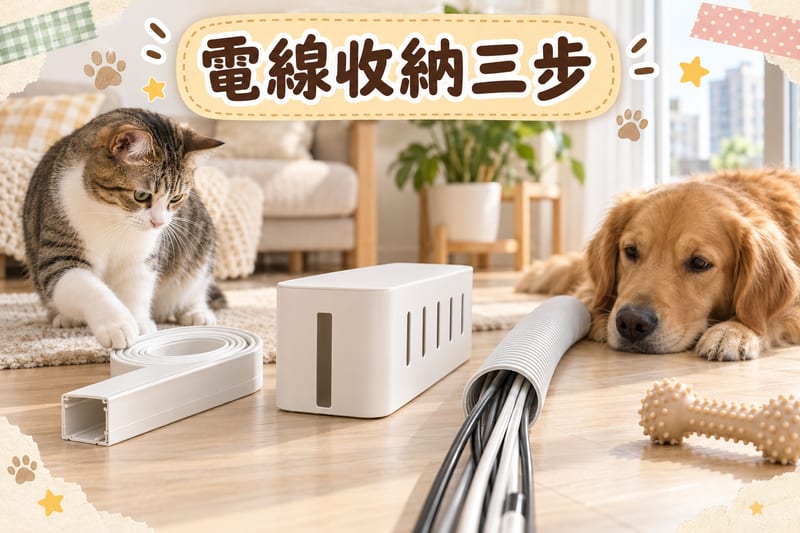
Tactic 1: Cable routing — move cables out of your dog's world
This is the only one of the five tactics that "physically" removes the risk; the other four only reduce motivation. Hong Kong flats are generally small and cables usually run along the skirting, so beside the dog's bed, next to the crate and under the sofa are the highest-risk spots.
Steps (5 steps):
- Audit: Kneel on the floor and walk from living room to bedroom from your dog's eye level, counting how many cables are below 1 metre from the floor.
- Contain: Put extension leads and multi-socket adaptors together in an under-desk cable box with ventilation holes.
- Cover: Sleeve cable runs along skirting boards, beds and doorways with plastic trunking or corrugated tubing, and seal joints with end caps — don't just tape them temporarily.
- Fix: Bind cables firmly to the wall or furniture legs with velcro or cable clips, and don't leave a loose section that can be pulled out and swung around.
- Daily check: Spend 30 seconds before going out checking for hanging cables or loose plugs — this is far more effective than fixing things afterwards.
Common mistakes:
- Only moving cables up a little — dogs can jump, and they can stand on their hind legs and pull with their front paws
- Bundling several cables too tightly, affecting heat dissipation
- Temporary wrapping with tape or plastic bags — dogs chew through quickly, and plastic bags are also a choking risk
In real Hong Kong home cases, destructive behaviour usually drops sharply as soon as cable routing is done, because the dog simply cannot reach the target. Then use tactics 2 to 5 to address motivation and habit — that treats both the symptom and the cause. This follows the same logic as everyday home cleaning and environmental safety, and can be read alongside the complete pet daily care guide.
Tactic 2: Alternative chews and energy burning — tackle the root cause
Cable chewing is the "result", not the "problem" itself. If your dog has no outlet for daily energy and chewing needs, no matter how many cables you block, they will find the next thing to chew — including furniture legs and skirting boards.
| Dog | Daily energy burning recommendation | Suitable chews | Notes |
|---|---|---|---|
| Puppy (3 to 6 months, teething) | 15 to 20 minutes × 3 to 4 times | Soft rubber, freezable teething chews | No hard bones or antlers, to avoid breaking baby teeth |
| Adult (small/medium) | 20 to 30 minutes × 2 times | Medium-hard nylon chews, food puzzle toys | 10 to 15 minutes per chewing session |
| Adult (large/high-energy breeds) | 45 to 60 minutes × 2 times, plus scent games | Large durable toys, freeze-dried treats | Chew toys alone are not enough — real exercise is needed |
| Senior (7 years+) | 15 to 20 minutes × 2 times, slow pace | Soft, easy-to-chew styles | Check first for loose teeth or gum disease |
"Chew cable → swap toy" 4-step training:
- Keep 2 to 3 toys on you, rotating them (the same one gets boring)
- The moment they chew a cable, don't shout — walk over calmly
- Offer the toy at their mouth; as soon as they take it, praise in a calm voice and reward immediately
- Remove the cable, then play with them using the toy for 1 to 2 minutes
Three things not to do:
- Don't use old shoes or socks as toys — dogs can't tell "old" from "new" and will chew up all your shoes
- Don't chase and grab — to a dog that is a chasing game
- Don't tie chews to the crate bars — strangulation risk
Tactic 3: Bitter spray and scent deterrents (backup, not the main tactic)
Bitter spray works by leaving a bitter layer on the cable surface that dogs dislike. It is the "last line of defence", and only works if the dog is motivated to chew in the first place. If cable routing is done well, you may not need it at all.
Correct use of pet-specific bitter spray (5 steps):
- Wipe the cable clean with a damp cloth and let it dry
- Spray an even thin layer from 15 cm away
- Let it dry completely (usually 30 to 60 minutes) before letting the dog near it
- Do a 24-hour test on 1 old cable: watch for drooling, vomiting, red or swollen mouth
- Reapply every 2 to 4 weeks; reapply as soon as the dog starts chewing again
Never use:
- Chilli powder, chilli water, mustard, black pepper (burn the mouth and eyes)
- Camphor, flea and tick sprays, phenol-containing cleaners (toxic to cats, and irritate dogs' skin)
- Human anti-nail-biting liquid (ingredients and concentration are not designed for pets)
Note: bitter spray is a "deterrent", not "education". Once the dog gets used to the taste, or the bitterness is washed off by saliva, it stops working. So it is always a side dish, never the main course.
Tactic 4: Behaviour training — teach "trade" and "leave it"
The goal of training is not "scare them so they dare not chew", but to teach them "when you want to chew, you can do something else".
"Trade" training in 4 steps:
- Hold a low-value item (e.g. an ordinary toy) and call the dog over
- Offer a high-value treat while saying "trade"
- The moment they let go, reward them and give the item back — teaching "trade" does not mean "it's gone"
- Gradually work up to the item you really want to take (e.g. a cable), 5 minutes at a time, 2 to 3 times a day
Key discipline:
- All positive reinforcement — never hit, never snatch (snatching can trigger resource guarding)
- Whole family consistent — if one person tolerates cable chewing, the training is wasted
- 5 minutes per session is enough; short and frequent beats long and once
- The principles for destructive behaviour and biting are related and can be read together: dog biting correction guide
When to seek professional help (behavioural vet or certified trainer):
- Destructive behaviour continues for more than 4 weeks with no improvement despite full environmental management
- Destruction is concentrated within 30 minutes of you leaving, along with barking and toileting (suspected separation anxiety)
- Cable chewing comes with aggression, resource guarding or self-harm
Tactic 5: Special handling for chargers and phone cables
Charger cables are the item Hong Kong dog owners most often "sacrifice", for three reasons: thin, soft, and carrying your scent. These steps can greatly reduce the losses:
- Change the cable: Choose braided or metal-mesh outer cables. This is not chew-proof, but it takes longer for a dog to bite through, giving you more time to notice and stop it
- Physical isolation: When charging, put the cable and phone in a lidded storage box, with the cable coming out through the side hole
- Put away when not in use: Unplug when not charging, coil the cable into a drawer, and don't leave it on the sofa or by the bed
- Magnetic or wireless charging: Shorten the length of cable exposed in the environment
- Don't charge by the bed: The bedside is where the dog most easily reaches you, and also the highest-risk hotspot for damage
- Remember: Even unplugged, a chewed cable is still a risk — swallowed fragments can cause gut blockage, and the metal core can cut the mouth
What to do after a cable is chewed (first aid table)
| Situation | Immediate action | When to see a vet |
|---|---|---|
| Dog still biting a live cable | Turn off the main switch or unplug first; don't pull the dog by hand | Immediately, don't wait |
| Mouth burns, charring, drooling | Rinse gently with water; don't apply ointment | Immediately |
| Swallowed insulation or metal fragments | Don't induce vomiting, don't feed oil | Immediately |
| No visible wound but dull/depressed | Note the time and symptoms, keep them calm | Within 24 hours; immediately if breathing becomes rapid |
| 12 to 24 hours after electric shock | Watch breathing, coughing, energy and appetite | Go back to the vet immediately if rapid breathing, coughing or pale gums appear |
Why see a vet even with no visible wound? Electric current passing through the body can cause irregular heartbeat and fluid in the lungs, and these complications sometimes do not appear immediately, so vets generally recommend observation and checks rather than sending you home because "it looks fine". Also, mouth burn pain often only becomes obvious the next day — the dog may refuse food, drool and paw at its mouth.
Never do: Give human painkillers yourself (toxic to dogs), apply ointment yourself, induce vomiting, or wait for it to "heal on its own".
Everyday interaction tools: grooming and nail clipping
One cause of cable chewing is insufficient interaction. 10 minutes of daily grooming and regular nail clipping are the easiest routine activities that also meet your dog's need to be close to you, adding stimulation beyond walk time.
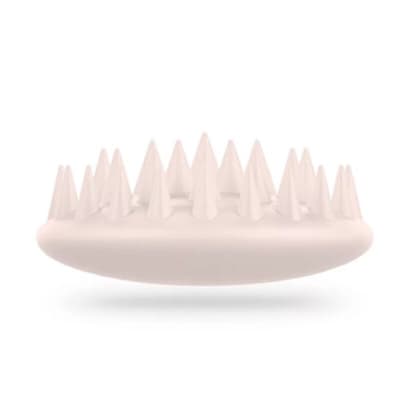
- PETKIT EverClean de-shedding massage brush (random colour) (pkx1b) — HK$35 (available for pre-order)
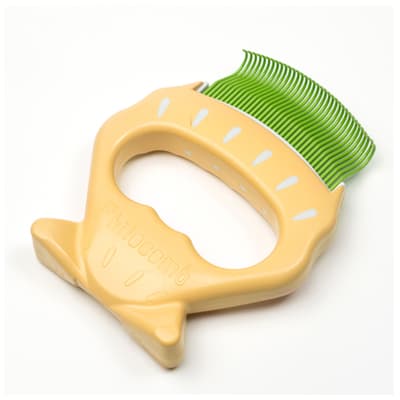
- DogCatStar pet shell comb E2 (CS012) — HK$216 (available for pre-order)
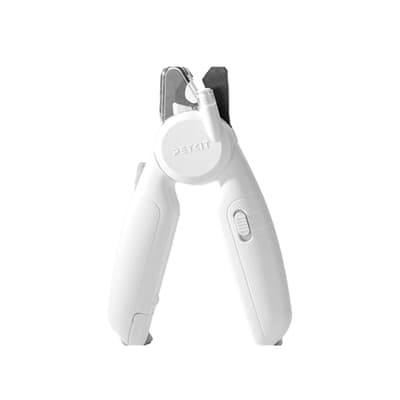
- PETKIT pet LED nail clipper Pro (UV light) white (pkdt1a-pro) — HK$79 (available for pre-order)
Prices and stock are subject to the live price on the online store. For grooming and nail clipping frequency, see the care schedule in the complete dog bathing guide.

Further reading
- Complete pet daily care guide: grooming, nails, ears, home cleaning (2026)
- Dog biting correction: Hong Kong dog owners' must-read — the root of distrust + five safe steps
- Complete dog bathing guide: frequency, steps and common mistakes
- Dog heartworm prevention: Hong Kong risk, medication schedule and common questions
In an emergency, contact your vet immediately; this article is for reference only and cannot replace veterinary diagnosis.
Information checked as of 2026-10-12 · Source: PetChill editorial team
 Wellness Core full guide →
 汪喵星球 full guide →
 Fuji One full guide →