Quick answers
- The safest daily combination: water below 40°C with 1 to 2 drops of unscented neutral dish soap, or a pet-specific enzymatic cleaner; thoroughly clean the litter box every 2 to 4 weeks, along with scooping the litter 1 to 2 times daily.
- Avoid 3 ingredient groups: phenols (phenol, cresol, chloroxylenol and PCMX, i.e. typical yellow disinfectants), high-concentration bleach (sodium hypochlorite), and any fragrance and essential oils (tea tree, eucalyptus, citrus, pine).
- Phenols are high risk for cats: the Merck Veterinary Manual clearly states that phenolic and cresol disinfectants are highly toxic to cats because cats lack the enzyme UDP-glucuronosyl transferase (UGT1A6), so metabolism is much slower; they are not recommended in a cat household.
- If you really must use bleach: dilute at 1:32, i.e. about 30 ml of 5% household bleach plus 970 ml of water, contact time 10 minutes, then rinse with water 2 to 3 times, and let it dry completely before adding new litter.
- The second wipe with clean water is a key step: after wiping off the cleaner, use another clean cloth dampened with clean water to wipe 1 to 2 more times; this removes most water-soluble residue, especially on the inner walls and bottom corners of the box.
- Ventilate for at least 30 minutes; in Hong Kong's humid season, 60 minutes is recommended. During cleaning, move the cat, litter box, water bowl and cat bed to another room and close the door.
- In the 24 hours after cleaning, watch for drooling, vomiting, coughing, reddened paw pads, or refusal to enter the litter box; if any of these occur, contact your veterinarian immediately and do not induce vomiting yourself.
The answer to "Which cleaners should I use to clean the litter box to avoid lingering odours or harm to my cat?" is not simply "buy a pet disinfectant". It is about first ruling out three ingredient groups that are particularly unfriendly to cats, then using a process that "rinses away" residue to minimise it. In practice, unscented neutral dish soap and pet-specific enzymatic cleaners are enough for everyday litter box grime; thoroughly clean the box every 2 to 4 weeks, scoop the litter 1 to 2 times daily, and maintain continuous ventilation, and the odour problem is basically solved. The most common cause of trouble is the "stronger, more fragrant, more disinfecting" approach.
Cats come into contact with litter box cleaner residue more often than people imagine: the litter box is a place the cat enters and exits several times a day, and the rim, bottom, inner walls and litter mat are all stepped on; when the cat later licks its paws and paw pads, the residue goes directly into its mouth. In addition, a cat generally weighs only 3 to 5 kg, so for the same amount of chemical, the relative exposure in a cat is several times higher than in an adult human. So "it smells fine to me" does not mean it is safe for the cat. This article first explains the three ingredient groups to avoid and the toxicological reasons behind them, then provides a safe cleaner comparison table, a six-step cleaning process (with emphasis on the second wipe and ventilation), a cleaning frequency schedule, and finally the symptoms and handling after a cleaning mistake. For the overall rhythm of daily grooming, nail clipping, ear and eye cleaning, you can also refer to the Pet Daily Care Hub.
Where litter box cleaners go wrong: three ingredient groups to avoid
A cat's detoxification capacity differs from humans, and this is not a rumour but has a clear biochemical basis. The cat's UGT1A6 gene has been inactivated and is a pseudogene, meaning the main enzyme responsible for attaching glucuronic acid to phenolic substances for excretion is inherently deficient; the Merck Veterinary Manual, based on this reason, recommends avoiding phenolic disinfectants in environments with cats (homes, shelters, clinics). This difference explains why the same cleaner is completely fine for humans, but a cat licking a small amount may have serious consequences.
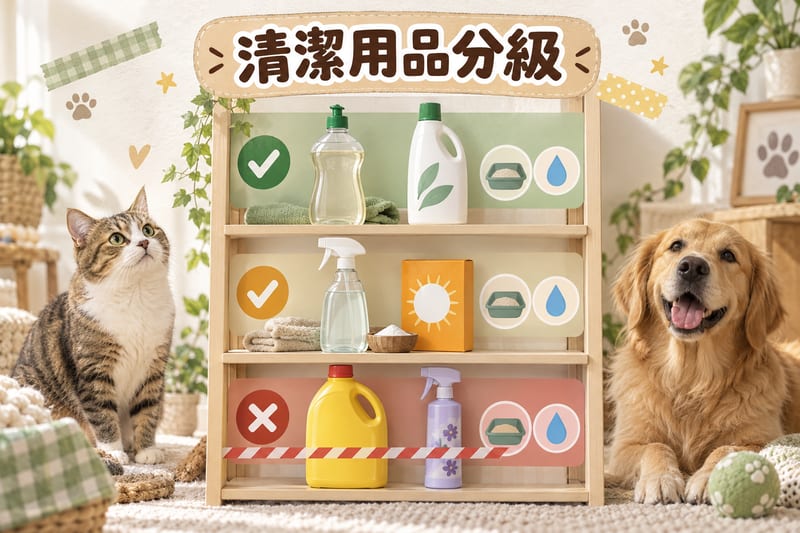
Group 1: Phenols and related derivatives. Labels will say phenol, cresol, chloroxylenol, PCMX, DCMX, or the ingredient list will include "pine oil", "wood tar oil" and similar terms. These products are mostly yellow or milky liquids with a strong odour, most often used as "all-purpose household disinfectants". Because cats metabolise them slowly, the amount remaining on the bottom of the box and skirting boards accumulates; this is the group most important to avoid in this article.
Group 2: Sodium hypochlorite (household bleach). When diluted it can be used for environmental disinfection, but the concentrate is corrosive and the odour irritates the respiratory tract and conjunctiva. Bleach has two additional risks: first, mixing with acidic cleaners (white vinegar, citric acid, toilet cleaner) releases chlorine gas; second, mixing with ammonia-containing cleaners produces irritating gas; both are immediate dangers, and ventilation must be maintained during rinsing.
Group 3: Fragrances and essential oils. So-called "lemon fresh", "lavender", "pine" are mostly synthetic fragrances, and cats are extremely sensitive to odours; tea tree, eucalyptus, citrus, peppermint and other essential oils also contain phenolic or terpene components, and the metabolic pathway is unfriendly to cats. Fragrance does not make the litter box cleaner; it only masks odour and increases the chance the cat refuses to use the box—cats' aversion to "a strange strong smell inside the box" is far stronger than people imagine.
| Ingredient/product type | Common label wording | Main risk to cats | Recommendation for litter box use |
|---|---|---|---|
| Phenols, cresols | phenol, cresol, chloroxylenol, PCMX, pine oil | Cats lack UGT enzymes, slow metabolism, high risk | Do not use |
| Sodium hypochlorite (bleach) | sodium hypochlorite, bleach, chlorine bleach | If not rinsed clean, irritates skin and mouth; mixing with acid or ammonia releases irritating gas | Not recommended daily; if necessary dilute 1:32 and rinse thoroughly |
| Fragrances and essential oils | fragrance, parfum, tea tree, eucalyptus, citrus, pine | Phenolic and terpene components, plus cats dislike strong smells | Do not use |
| Quaternary ammonium disinfectants | benzalkonium chloride, quaternary ammonium | Residue irritates skin and mucous membranes, odour persists | Not recommended |
| Neutral dish soap (unscented) | mild dish soap, unscented | Low risk when diluted; the key is rinsing clean | Yes, daily first choice |
| Pet-specific enzymatic cleaner | enzymatic cleaner | Targets proteins and uric acid, low residue irritation | Yes, most practical for urine odour |
| Water with baking soda | baking soda | Mildly alkaline, mainly deodorises and lightly cleans | Yes, with scrubbing |
| White vinegar | vinegar, acetic acid | Acetic acid vapour irritates the respiratory tract; plastic surfaces absorb the odour | Not recommended for the inside of the litter box |
Two points need clarification. First, alcohol (75%) is only suitable for wiping hard surfaces, and after wiping you must wait for it to evaporate completely; you should not leave it wet and add litter. Long-term use of alcohol on the inside of the litter box is not cost-effective, nor is it a solution for urine odour. Second, disinfecting power and "safe for cats" are two different things: the concentration that kills pathogens is often also the concentration that irritates a cat's respiratory tract and skin. Therefore, litter box cleaning should aim to "remove grime and rinse away residue", not to pursue the highest level of disinfection. The type and placement of the litter box itself directly affect cleaning difficulty; you can refer to How to Choose a Litter Box? Hong Kong Litter Box Guide to first understand the ventilation differences between covered and open boxes.
Safe cleaner comparison: which can be used daily, which only occasionally
Once you know what to avoid, buying and using them becomes straightforward. The table below is divided into three levels by "frequency of use" to help you decide how often the cleaner in your hand can be used.
| Cleaning product | Dilution and use | How often | Required finishing step |
|---|---|---|---|
| Unscented neutral dish soap | One basin of water below 40°C plus 1 to 2 drops, scrub the box for 30 seconds | Can be used every wash, generally once a week | Rinse with water 2 to 3 times until no foam or slippery feel |
| Pet-specific enzymatic cleaner | Follow label ratio, spray or soak for 5 to 10 minutes | Can be used every wash, preferred when urine odour is strong | Rinse with water 1 to 2 times, wipe dry and air dry |
| Water with baking soda | 1 litre of water plus 1 to 2 tablespoons, scrub the bottom and corners | Once every 2 to 4 weeks or as needed | Rinse once with water; alkaline residue is low-irritation |
| Household bleach 1:32 | About 30 ml of 5% bleach plus 970 ml of water, soak for 10 minutes | Only for deep cleaning after diarrhoea, musty smell, or recovery from illness | Rinse with water 2 to 3 times or more, dry completely and ventilate until no smell |
| Steam cleaning | Only for heat-resistant hard box bodies; do not apply high heat to thin plastic for long periods | As needed, once every 1 to 2 months | Wipe dry moisture, confirm the box is not deformed before adding litter |
| Phenolic disinfectants, fragrance sprays, essential oils | No safe dilution ratio | Should not be used | — |
There are three practical principles for choosing a cleaner. First, the ingredient list is more reliable than the promotional wording on the front of the package. Packaging that says "pet-friendly" does not mean the ingredients are safe; it is more practical to check the ingredient list for phenol, cresol, chloroxylenol, benzalkonium chloride and fragrance. Second, one cleaner is better than a pile. Litter box cleaning only needs two functions: "cleaning" and "deodorising"; an enzymatic cleaner plus occasional bleach covers all scenarios, and buying five or six products actually increases the chance of using the wrong one. Third, fragrance is the easiest trap. Many owners buy fragrant cleaners to suppress urine odour, but the litter box becomes a source of strong smell, and the cat refuses to use it. The truly effective direction is to reduce odour at the source: scoop daily, maintain litter depth of 5 to 7 cm, and keep the box area continuously ventilated.
Six-step cleaning process: from emptying and scrubbing to the second wipe and ventilation
Cleaning a litter box is not "pour cleaner in and rinse"; if the order is wrong, residue remains on the bottom and corners. The following six steps are designed to "reduce cat exposure"; the whole process takes about 20 to 30 minutes, plus drying time.
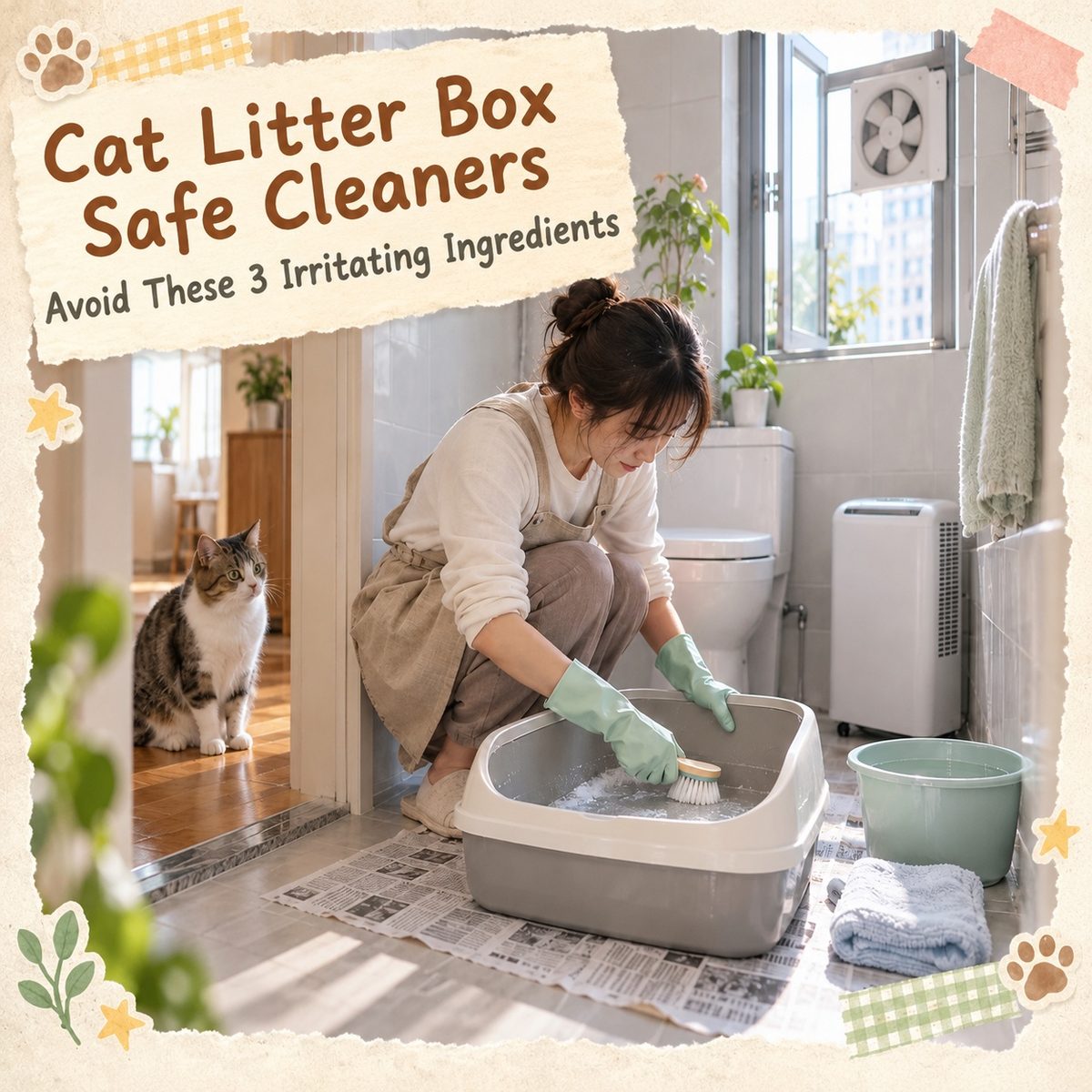
- Move the cat and prepare the area. At least 15 minutes before cleaning, move the cat, water bowl and cat bed to another room and close the door; open windows and an exhaust fan in the litter box area. Washing in the bathroom or on a balcony is ideal; lay old newspaper or a plastic mat on the floor to prevent dirty water from flowing into the cat's activity area.
- Empty old litter and scrape off stuck bits. Pour all old litter into a rubbish bag and tie it; use a plastic scraper to scrape off stuck urine clumps on the bottom and corners. Doing this step well can halve the amount of cleaner needed later and reduce the number of rinses.
- Rinse with water first, then apply soap. Rinse with water below 40°C for 10 to 20 seconds to remove surface grime; do not apply cleaner at the start, otherwise the grime will be sealed by foam and you will need more cleaner to fix it.
- Scrub the key areas. One basin of warm water plus 1 to 2 drops of unscented dish soap, or enzymatic cleaner diluted according to the label; use a soft brush to focus on the bottom, lower half of the inner walls, corners and entrance/exit edges, scrubbing each area for at least 30 seconds. Areas with scratches need extra scrubbing, because grime and bacteria hide in the scratches.
- Second wipe (rinse and wipe). For hard box bodies, rinse under the tap 2 to 3 times until no foam and no slippery feel; then use another clean cloth dampened with clean water to wipe the entire inside and outside 1 to 2 times. This step is the key to the whole process: most water-soluble residue is removed here; rinse the cloth clean and wring it out after each wipe.
- Position to dry and ventilate. Place the litter box upside down or on its side in a ventilated position; open windows and an exhaust fan for at least 30 minutes, and 60 minutes is recommended in Hong Kong's humid season. The standard is not "dry to the touch" but "no cleaner smell when smelled up close", and no standing water in the bottom corners, before adding new litter.
There are five things not to do in the process: do not pour cleaner concentrate directly into the bottom of the box and then add water; do not soak plastic litter boxes in hot water (it deforms, and some plastics may release substances); do not use bleach and acidic cleaners at the same time; do not add new litter before it is completely dry (moisture will make litter clump and grow mould); do not let the cat out immediately after cleaning "to see if it uses it".
If you use a fully automatic litter box, add one step to the process: disassemble first, then clean by category. The drum, litter filter, deodoriser compartment and waste bag compartment can be handled separately, but the electronic base, sensors and motor must never be soaked in water; wipe only with a wrung-out damp cloth, and use a cotton bud to gently wipe switch gaps. For the cleaning rhythm and consumable replacement schedule of automatic machines, you can refer to Automatic Litter Box Buying Guide and Consumable Costs; if you are unsure which parts can be removed, follow the product manual and do not dismantle the sensors yourself.
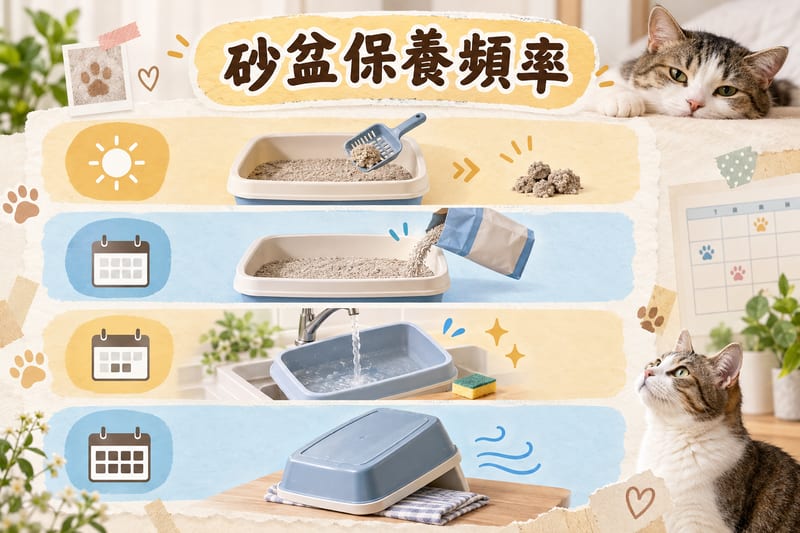
Cleaning frequency schedule: what to do daily, weekly, and every 2 to 4 weeks
If the frequency is insufficient, even the safest cleaner will leave odour; if too frequent, you have to repeat rinsing each time, which increases the chance of mistakes. The table below divides litter box maintenance into four levels, adjusted according to actual needs.
| Interval | What to do | What to use | What to watch |
|---|---|---|---|
| Daily 1 to 2 times | Scoop urine clumps and faeces, check clump size | Litter scoop | If clumps suddenly become larger or more numerous, or the cat stays in the box a long time without urinating, act promptly |
| Every 2 to 3 days | Top up new litter, maintain 5 to 7 cm depth; wipe the rim | Wrung-out damp cloth | If litter is too thin, the cat digs to the bottom and is uncomfortable, and clumps stick to the bottom |
| Every 1 to 2 weeks | Rinse the box body, check for new scratches | Warm water plus 1 to 2 drops of unscented dish soap | If scratches are deep enough to trap grime, consider replacing the box |
| Every 2 to 4 weeks | Thorough cleaning: soak, scrub, second wipe, air dry | Enzymatic cleaner or 1:32 bleach | After bleach, wait until completely dry and ventilated until no smell |
| Every 3 to 6 months | Check base, clips, filter and box deformation | Visual inspection plus wiping | If there are cracks, deformation, stickiness or mould spots that cannot be washed off, replace with a new one |
Several practical situations require more frequent cleaning. During diarrhoea or gastrointestinal upset, clean the litter box every 3 to 5 days, and temporarily switch to a disposable paper litter box or use 1:32 bleach for deep disinfection, then rinse thoroughly and dry. Multi-cat households should follow the "number of cats plus one" litter box rule and place them separately, because sharing a litter box is the most direct route of cross-contact. Kittens, cats over 7 years old, and cats with weaker immunity have higher ventilation requirements in the box area; it is recommended to wipe the rim after each scooping. In Hong Kong's humid season (roughly April to September), litter boxes and litter mats dry slowly, so allow longer drying time; otherwise the bottom stays slightly damp and odour and mould problems recur.
Besides the litter box itself, two nearby items should also be handled: the litter mat should be shaken out and rinsed once a week, and the floor in the litter box area should be wiped once every 2 to 4 weeks (also with a second wipe). To reduce cleaning pressure at the source, the dust and clumping ability of cat litter have a big impact; the Cat Litter Selection Guide compares materials; low-dust, well-clumping litter reduces sticking to the bottom and makes cleaning easier.
What to do after a cleaning mistake: symptoms, immediate handling, and when to see a vet
If you use the wrong cleaner, or do not rinse enough before letting the cat use the litter box, the priority is to stop contact as soon as possible. The table below is organised by route of exposure.
| Route of exposure | Common scenario | Possible signs | Immediate handling |
|---|---|---|---|
| Inhaling vapours | Covered litter box used immediately after cleaning; small bathroom without extraction | Sneezing, runny nose, frequent blinking, coughing, rapid breathing | Take the cat to a ventilated room immediately, open windows and exhaust fan, observe for 30 minutes |
| Skin and paw pad contact | Stepping on a wet bottom or litter mat; lying on a wiped floor | Reddened paw pads, constant paw licking, local hair loss, itching | Rinse off residue with lukewarm water, wipe dry, use a cone if necessary to stop licking |
| Mouth and digestive tract | Licking paws, licking the rim, drinking cloth water | Drooling, vomiting, reddened oral mucosa, refusing food | Gently rinse the mouth with water, do not induce vomiting, take the product label to the vet |
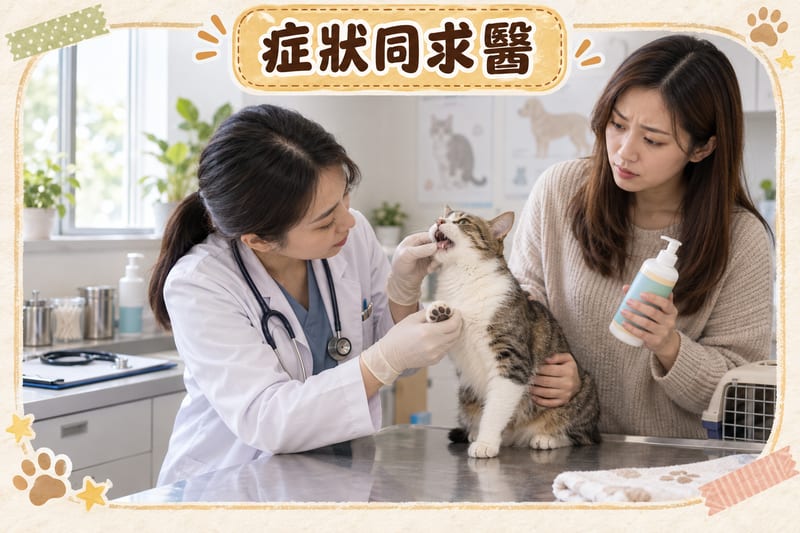
In the following situations you should not continue to observe; contact a veterinarian immediately and bring the cleaning product label or ingredient list: one, persistent drooling, pawing at the mouth, obvious refusal to eat; two, vomiting, especially wanting to lick the rim after vomiting; three, redness, white patches or ulcers on the mouth or tongue; four, coughing, rapid breathing, open-mouth breathing; five, eyes tightly closed, frequent blinking or increased discharge. Before seeing the vet, do not induce vomiting, do not give water or milk to try to "neutralise", and do not give any medication yourself.
As for alternatives, they are simpler than imagined: for daily grime use warm water plus unscented dish soap; for urine odour use an enzymatic cleaner, which breaks down uric acid and proteins and works better than masking with scent; for stubborn water stains use water plus baking soda and scrub lightly. The following are products available in the PetChill online store that are directly relevant to litter box cleaning:
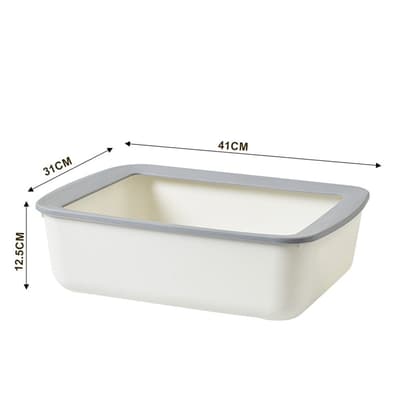
- Selected anti-splash medium semi-covered litter box, white-grey — HK$68
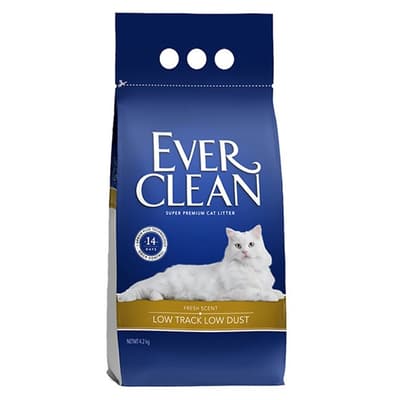
- Ever Clean USA mineral cat litter, Blue Diamond, Gold Label, coarse low-dust, slight scent, 4.2kg (LD4.2) (bag) — HK$99 (available for pre-order)
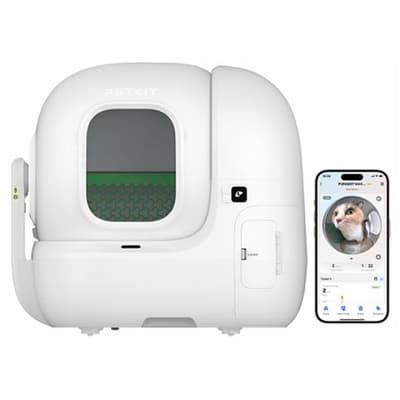
- PETKIT PUROBOT MAX PRO AI smart fully automatic litter box, white (pkt5a) — HK$3153
Prices and stock are subject to the live price in the online store. A semi-covered box reduces tracking, and the lid is easier to remove for cleaning; mineral litter has coarser particles and lower dust, so less sticks to the bottom; a fully automatic litter box reduces daily scooping, but the drum and filter still need regular disassembly and washing, and the electronic base must not be soaked in water; follow the manual step by step.
Further reading
- Pet Daily Care Hub: Grooming, Nails, Ears, Home Cleaning (2026)
- How to Choose a Litter Box? 2026 Hong Kong Litter Box Guide: Size, Placement, Cleaning
- Automatic Litter Box Buying Guide: Suitability for Small Flats and Consumable Costs
- Cat Litter Selection Guide: Material Comparison and Cleaning Points for Hong Kong's Humid Weather
In an emergency, contact a veterinarian immediately; this article is for reference only and cannot replace veterinary diagnosis.
Information checked as of 2026-10-12 · Source: PetChill editorial team
 Fuji One full guide →