Quick answer: Grain-free cat food is not a panacea. The real key is reading the ingredient list: the first five ingredients should be named animal proteins, not potatoes and peas dominating; grain-free only means no grains, not lower carbs or more meat.
Answer box: Grain-free cat food is not 'always good'. What really determines quality is not whether there are grains, but the animal protein ratio and filler quality—some grain-free foods use potato and pea fillers, and their carbs can be higher than grain-inclusive foods. The correct approach to choosing food is to read the ingredient list, not to trust the label.
What is grain-free cat food?
Grain-free cat food refers to formulas without wheat, corn, rice, oats, and other grains. Traditional cat food uses grains as fillers and carbohydrate sources, while grain-free formulas replace them with potatoes, peas, tapioca, etc.
Supporters argue that cats are obligate carnivores and their diet should be meat-based; grains are not essential. There is some truth to this—cats' digestive systems are indeed better suited to handling animal proteins and have a much lower carbohydrate requirement than omnivores.
But after 'grain-free' turned from a dietary philosophy into a product label, things became about quality: the market uses 'Grain Free' as a reason for a premium price, while formulators still have to solve an engineering problem—without grains, what provides calories and structure? The answer is often potatoes and legumes. So the three words 'grain-free' really only guarantee 'no grains here', not 'more meat here, lower carbs here'. Understanding this gap explains why some grain-free foods are actually the highest-carb products on the shelf.
Benefits of grain-free cat food
- Closer to cats' natural diet—reduces grains and increases animal protein ratio
- Avoids grain sensitivity—for cats allergic to wheat or corn or with sensitive stomachs, grain-free formulas can reduce irritation
- Usually higher protein—to replace the calorie density of grains, many grain-free foods increase the meat ratio
- Ingredient lists are often easier to read—brands focusing on grain-free tend to specify meat sources and ratios, offering greater transparency
Disadvantages and traps of grain-free cat food
- Not necessarily healthier—some grain-free foods use large amounts of potato and pea fillers, and carbs can be even higher than grain-inclusive foods
- Carbs may not be low—'grain-free' does not equal 'low-carb'; potatoes and tapioca are also carb sources
- More expensive—grain-free formulas cost more, easily becoming a premium selling point
- Label reliance—some brands use 'grain-free' as a marketing focus, while the ingredient list doesn't hold up
The biggest trap is equating 'grain-free' with 'healthy': replacing grains but getting more potatoes and peas is essentially just 'swapping one filler for another'.
Also clarify a common misconception: not all potatoes and legumes are 'poison'. Moderate amounts of peas and sweet potatoes can play a normal role as fiber and carb sources in a formula; the problem is never 'whether they are present' but 'how far up the list and how much'. If the first five ingredients are three-quarters potato and legumes, versus all meat, both can print 'Grain Free', but they are fundamentally different products. The core of label reading is to shift attention from 'what is not written' to 'what is written and in what order'.
How to read the ingredient list to avoid traps?
When choosing grain-free cat food, don't just look at the front of the label; turn it around and read the ingredient list:
✅ The first five should show: Chicken, turkey, salmon, venison, etc.—named animal proteins
⚠️ Watch for alternative fillers: Potato, peas, tapioca, corn protein—starch sources used to 'cheat weight', which can be high in carbs
One rule of thumb: A good formula's order is 'meat → organs → small amounts of vegetables and fruits', not 'meat → lots of potatoes and peas'. The latter just switches grains to potatoes, not healthier.
One more advanced point: check whether the ingredients list taurine and other essential nutrients for cats—some extreme 'fresh meat dominant' formulas are actually incomplete in micronutrients.
Finally, a label vocabulary defense: 'meat meal' and 'named meat meal' (chicken meal) cannot be lumped together; the former is vague, the latter traceable; same for 'animal fat' and 'chicken fat'. The more specific the ingredient list, the more confidence the brand has; the vaguer, the more you should be alert. This applies to all cat foods, not just grain-free, but grain-free foods come with 'sounds healthy' packaging that makes people forget to check.
| Step | Checkpoint |
|---|---|
| 1. Turn the package | First five are 'named meats', not potatoes/legumes |
| 2. Look at protein | ≥30–35%, ensuring animal protein is dominant |
| 3. Avoid traps | Potato, peas, tapioca too high = high carbs |
| 4. Check micronutrients | Must contain taurine and other essential nutrients |
| 5. Observe the cat | Energy, stool, coat, appetite all on track |
Grain-free or grain-inclusive? Choose by situation
When to choose grain-free:
- Cat confirmed allergic to grains (wheat, corn) or with sensitive stomach
- Want to give higher protein, closer to carnivorous nature
- Budget allows and you can read the ingredient list
When to choose quality grains:
- Cat has always done well on grain-inclusive food—energy, coat, stool all normal
- Limited budget, seeking value for money
- Some cats actually don't adapt to grain-free food
There is no holy war between the two. Grains are not poison, and grain-free is not a panacea—both good and bad foods exist within the same product line; ultimately it comes back to the ingredient list and the cat's actual response. A simple self-check: Is the cat on its current food with normal energy, stool, and coat? If yes, there's no need to change for a label. If one item is consistently poor? Then troubleshoot one by one using the method below.
Which cats truly need grain-free?
There are actually few situations that warrant serious consideration of grain-free formulas:
- Cats diagnosed with grain sensitivity (confirmed by a veterinarian through an elimination diet test, not self-guessed)
- Chronic soft stool that hasn't improved after trying several grain-inclusive foods
- Recurring itchy skin and hair loss, after ruling out parasites and other allergens
Worth noting: all three are situations with 'clinical reasons'. That is, the real place for grain-free formulas is 'downstream of medical diagnosis and elimination tests'—first diagnosis and testing, then corresponding dietary choices; don't reverse the order.
Conversely, if the cat is doing fine on its current food, there's no need to switch just for a 'sounds healthier' feeling—switching food itself is a stress test for the stomach.
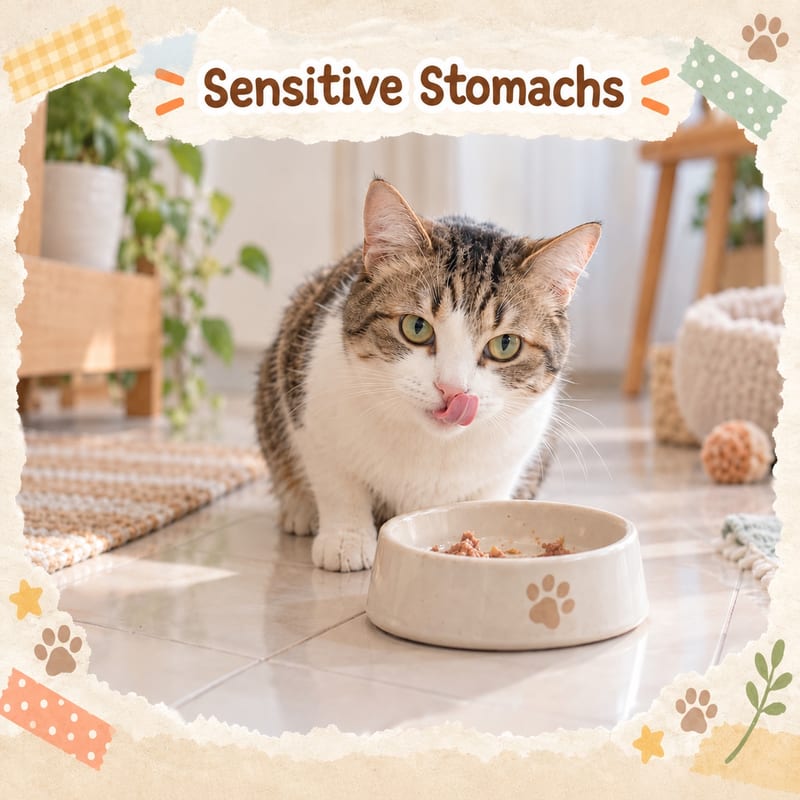
The correct way to switch to grain-free food
- Check the ingredient list: first ingredient is named meat, protein ≥30–35%, potatoes/legumes not dominating the first five
- 7–10 day transition: start with 75% old food, gradually increase new food ratio
- Observe four things: stool consistency, vomiting, coat condition, appetite
- Allow enough time: at least 4–6 weeks before drawing conclusions; don't judge after two days
What you can do starting today
- Turn your cat food packaging around and check whether the first five ingredients are meat or potatoes/legumes
- Keep a simple diet diary for your cat: what they eat, stool, skin condition
- If you suspect a food allergy, don't switch foods randomly; book a vet for an elimination diet test
- Allow a two-week transition when switching food; don't do it all at once
- Review your cat's weight and coat condition monthly, using objective indicators to assess suitability, not feelings
Want to compare product by product? PetChill's pet food reviews break down the ingredient lists and nutritional guarantee values of common grain-free cat foods in Hong Kong. Use the criteria in this article to check each item before ordering, so you won't just be buying a label.
Further reading:
- 2026 Hong Kong Cat Food Recommendation Complete Guide →
- Freeze-Dried Cat Food Guide →
- Orijen Cat Food Review →
- Kitten Food Recommendations →
This article is for reference only; consult a registered veterinarian for any concerns.
Related Product Recommendations
The most important thing when choosing food is to consider your cat's age, digestion, and taste preferences. Here are products related to this article, available at PetChill:
- Nutriplan Cat Food Nutritional Project All-Effect Health Nutrition Formula 5kg (64352) - Limited Time Offer (Nutriplan Nutritional Project) — available at PetChill
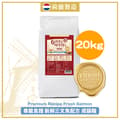
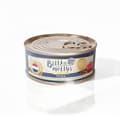
- Bella & Molly's Dutch Bailey Royal Selection Cat Food AAFCO Anti-Aging Grain-Free Series Single Protein Salmon Formula 50g (Limited Trial) (Bella & Molly's Bailey) — grain-free formula, suitable for cats with sensitive stomachs
Want to see more: Nutriplan Nutritional Project Brand Guide
Product prices and latest offers are subject to the product page; this article is for reference only.
 Nutriplan full guide →
 Fuji One full guide →


 Bella & Molly's full guide →