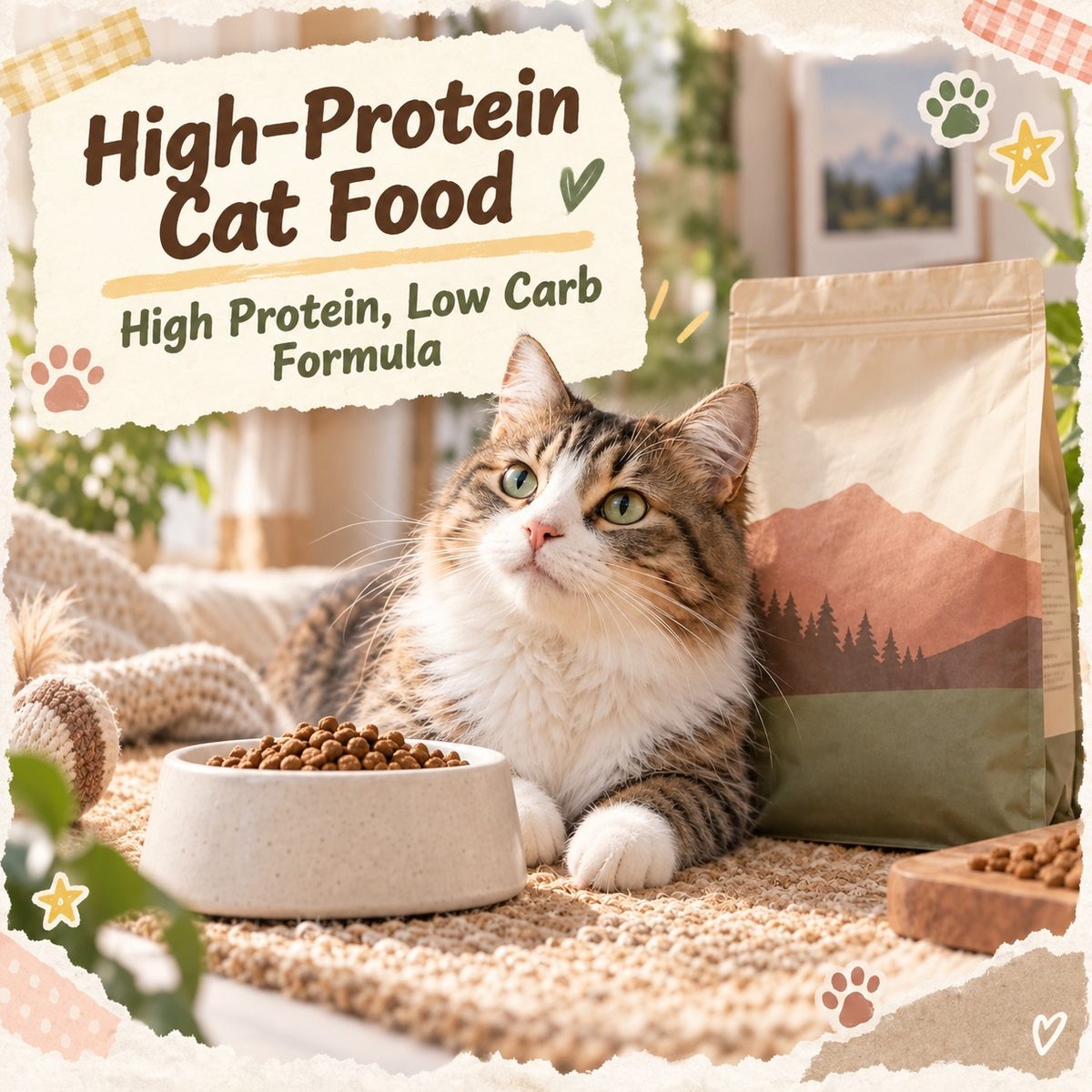
Quick answer: ACANA is Orijen's sister brand, made in Canada, high-protein low-carb, 60-75% animal ingredients, more affordable than Orijen, a reliable choice for entry-level natural high-protein food in Hong Kong, suitable for healthy adult cats; cats with kidney disease should ask a veterinarian.
ACANA is a high-protein natural food under Canada's Champion Petfoods, and a sister brand to Orijen: 60-75% animal ingredients, low carbs, mimicking a prey diet, yet much more affordable than Orijen, making it a popular choice for Hong Kong people starting on high-protein food.
Direct answer to "acana cat food": ACANA is under Canada's Champion Petfoods (founded in 1977), cat food has 60-75% animal ingredients, grain-free low carbs; Hong Kong reference price 1.8kg about HK$223, 4.5kg about HK$478 (for reference only, subject to retailer's latest price). Suitable for healthy adult cats; cats with kidney disease should switch to veterinarian-prescribed food.
Who founded ACANA? What is the philosophy?
ACANA and Orijen come from the same source, both products of Canada's Champion Petfoods company, with factories in Canada and self-produced. The two brands share the same philosophy: natural, high-protein, mimicking nature's prey diet—that is, as close as possible to what cats and dogs' ancestors ate in the wild: more meat, fewer grains, less processing.
The difference lies in positioning. Orijen takes the ultimate route, while ACANA is the "affordable version": using quality raw materials from the same system, but with a slightly lower animal ingredient ratio, costs decrease accordingly, allowing more ordinary families to afford high-protein natural food.
ACANA's core features:
- High protein—animal ingredients about 60-75%, far higher than ordinary supermarket food
- Natural raw materials—featuring fresh Canadian meat
- Low carbs—not relying on large amounts of grains as filler, mimicking prey structure
- High value—a more affordable choice within the same group
What exactly is the difference between ACANA and Orijen?
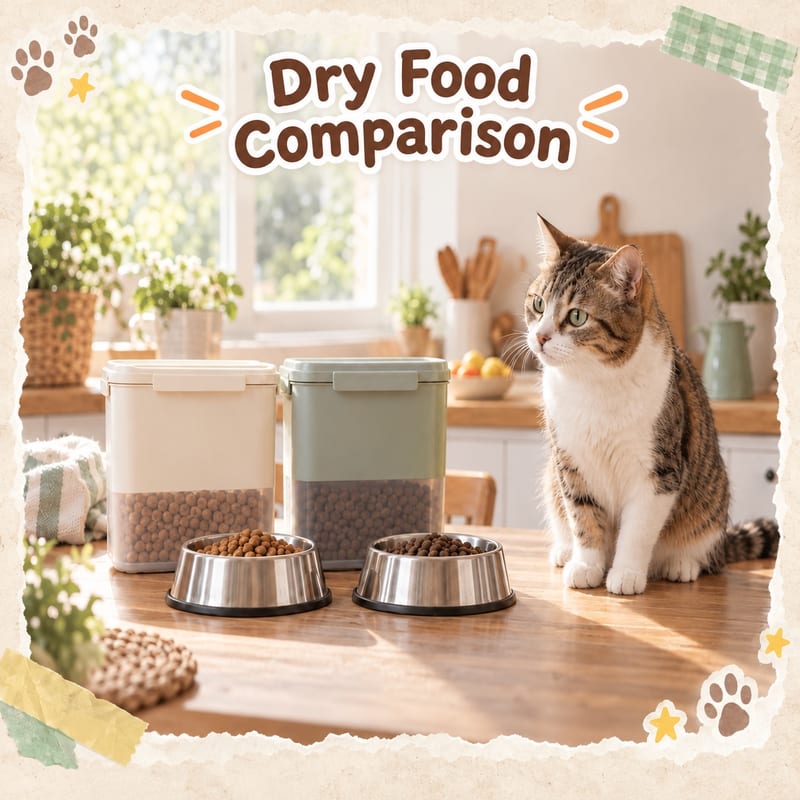
This is the question Hong Kong owners ask most. The two brands share the same factory and concept; the most practical difference is animal ingredient ratio and protein content:
| Item | ACANA | Orijen |
|---|---|---|
| Animal ingredients | 60-75% | 85%+ |
| Protein | about 35% | 40%+ |
| Origin | Canada | Canada |
| Price | More affordable | Higher |
| Positioning | Entry-level high protein | Ultimate high-end |
Simply put: Orijen has higher meat content and is more expensive; ACANA has slightly lower meat content, same nutritional approach, and is cheaper. There is no absolute good or bad; it's a trade-off between budget and needs—if you want to try high-protein natural food without spending too much, ACANA is a good entry; only consider Orijen if you pursue ultimate meat content.
What are the benefits of "high protein, low carbs" for cats?
Cats are obligate carnivores, and their natural diet structure is high protein, moderate fat, and very few carbs. Dry food, because it needs to be formed, often relies on starch; ACANA's design direction is to replace grain fillers with animal ingredients as much as possible:
- Sufficient protein—helps maintain muscle mass, especially for active cats
- Lower carbs—closer to carnivorous nature, less likely to take in excess starch
- Clear raw materials—uses named fresh meats, reliable sources
Note: higher protein is not always better; it must match the cat's age, activity level, and health condition. Cats with sensitive stomachs switching from low-protein to high-protein food may initially have soft stool; this is a transition issue, not a food issue.
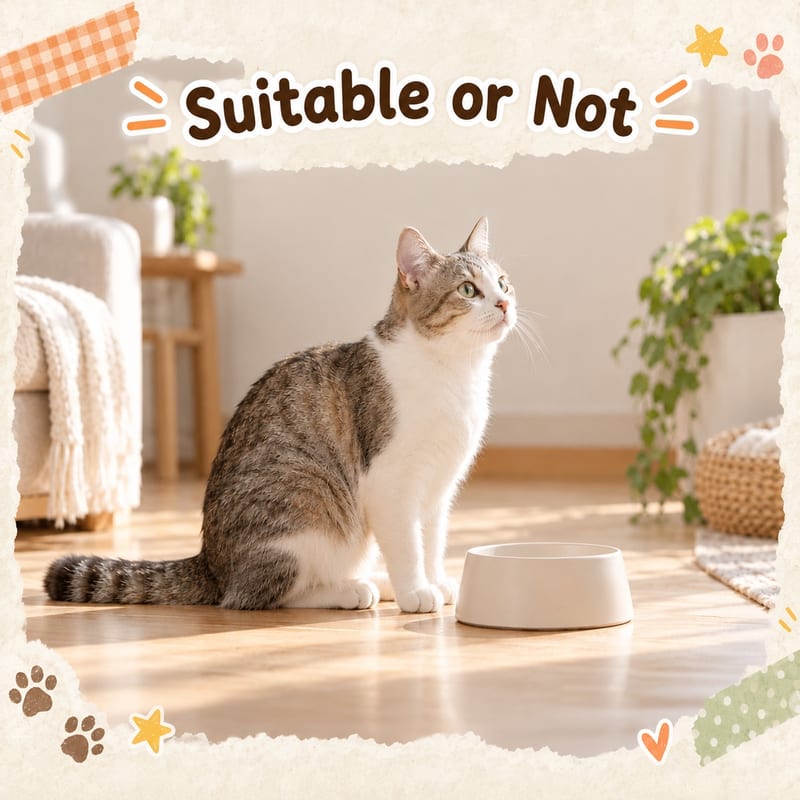
Which cats are suitable for ACANA? Which are not?
Situations where ACANA is worth considering:
- Healthy, active adult cats—need sufficient protein to maintain condition
- Want to upgrade from ordinary food to natural food—families with limited budget but want better food
- Want to try high protein but not ready to go all the way—ACANA is a stepping stone besides Orijen
Situations not suitable or requiring caution:
- Cats with kidney disease or declining kidney function—high protein will increase the burden; they need veterinarian-prescribed food
- Specific diseases requiring precise nutrition—such as urinary tract problems; consult a veterinarian first
- Extremely sensitive stomachs—need very slow transition; choose easily digestible formulas if necessary
Conclusion: ACANA is the "affordable version of Orijen"—high protein, made in Canada, high value. Healthy cats can have it without issue; for sick cats, senior cats, and kidney cats, don't judge on your own—ask a veterinarian first.
Transition in practice: How to switch from old food to ACANA safely?
Many owners report "soft stool after switching to ACANA"; in fact, nine out of ten times it's switching too fast. The correct approach:
- Days 1-3: old food 75% + ACANA 25%
- Days 4-6: half and half 50/50
- Days 7-9: old food 25% + ACANA 75%
- From day 10: fully switch to ACANA, continue observing stool for a week
During this period, watch three things: whether appetite drops, stool form, and whether there is vomiting. If soft stool persists after two weeks, consider slowing down or changing flavor; if diarrhea continues, see a doctor.
Before buying ACANA, what else to note?
- Choose the right formula—cat and dog food have different nutritional structures; do not mix
- Check label data—protein, fat, fiber according to packaging
- Buy through legitimate channels—look for authorized distributors, avoid damp or expired stock
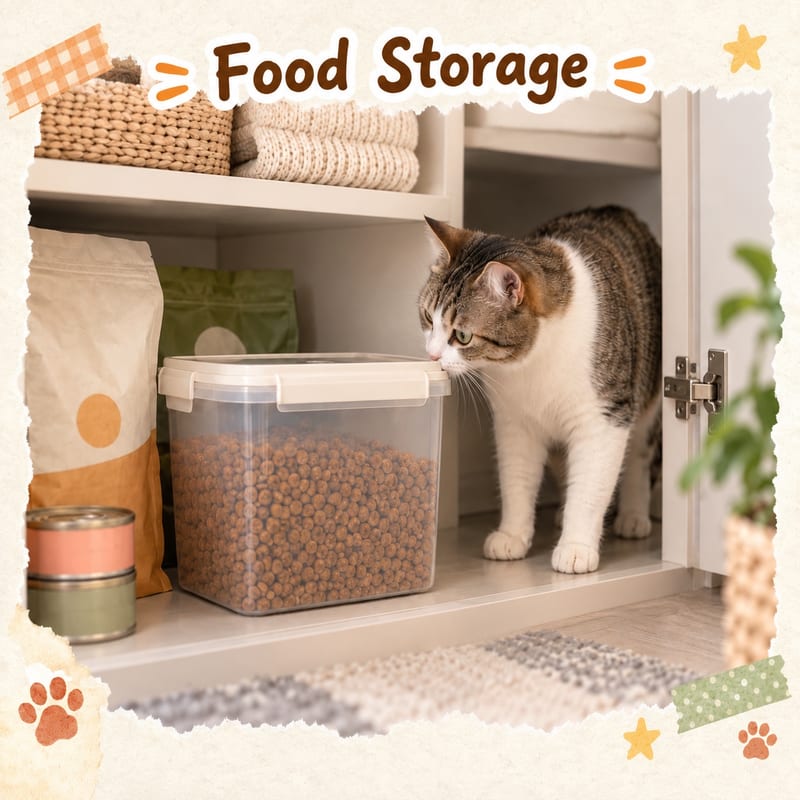
- Store properly—in Hong Kong's humid weather, seal after opening to prevent moisture, consume as soon as possible
- Cats with kidney disease please ask a veterinarian first—high-protein formulas are not for sick cats
Know how to read the ingredient list before buying: How to decipher ACANA labels?
Many owners get dizzy seeing a bunch of English terms on the packaging; actually, just focus on four key points to evaluate a bag of food in seconds:
- First three ingredients—should be named meats (chicken, herring, etc.), not "meat meal" or grains
- Crude protein label—cat formulas usually around 35%, subject to packaging
- Carb sources—check if there are large amounts of fillers like corn, wheat
- Taurine and vitamins—essential nutrients for cats; complete food must have them added
Also distinguish "All Ages" vs "Adult Cat": kittens need higher calories and calcium-phosphorus ratio for development; not all formulas suit young cats. Ask the staff or check the official product page before buying; choosing the right life stage is the most basic step.
What you can do starting today
- Check your cat's health condition: if kidney function is poor, don't choose high protein
- Compare budget: want high protein but cheaper, ACANA is a reasonable entry
- Take an ingredient list and check the four points above one by one
Allow 7-10 days for transition; mix food slowly, don't rush
- After opening, seal to prevent moisture, record stool changes
To learn about nutritional data and comparison of various cat foods, visit PetChill's cat food review guide to find answers.
Further reading
- 2026 Hong Kong Cat Food Recommendation Complete Guide →
- Orijen Brand Guide →
- Royal Canin Brand Guide →
- Hills Science Diet Guide →
This article is for reference only; consult a registered veterinarian for problems. PetChill Pet Nutrition Team
Hong Kong small unit practicalities: Buy, store, transition, see doctor Checklist
1. Before ordering: Hong Kong online shopping saves the most time
- Look for authorized distributors like PetChill; check if there is a sticker on the back of the packaging to avoid parallel imports that may be damp.
- No space to stock up in a small unit? Recommend buying 1.8 kg small packaging, consume within 4-6 weeks after opening to reduce moisture risk.
2. After receiving: Three steps to prevent moisture
- Hong Kong humidity is above 80%; immediately pour into an airtight plastic box after opening, then add desiccant.
- Do not place in the kitchen or near windows; heat + humidity is most likely to breed insects.
- Use a dry measuring cup each time; do not put wet hands into the container.
3. Transition period: 7-10 day mixing table
| Days | Old food | ACANA |
|---|---|---|
| Days 1-3 | 75% | 25% |
| Days 4-6 | 50% | 50% |
| Days 7-9 | 25% | 75% |
| From day 10 | 0% | 100% |
- Record stool form daily: banana-shaped is good; if soft, pause and extend mixing days.
- If diarrhea or vomiting for two consecutive days, stop the food immediately, take a stool photo and make an appointment with a veterinarian.
4. When to see a doctor?
- Soft/watery stool persists for more than 5 days after transition.
- Appetite noticeably decreases, vomiting more than twice.
- If there is a history of kidney disease or urinary tract disease, definitely ask a veterinarian before transitioning; do not try on your own.
5. Small unit storage inspiration
- Use an IKEA 4.5 L airtight box; can hold a full 1.8 kg bag; stick a label on the lid with the opening date.
- Place on the bottom shelf of a cool wardrobe, away from floor moisture.
- Clean the box once a month; wipe with alcohol wipes, dry before adding new food.
With the above steps, you can feed ACANA with peace of mind even in Hong Kong's humid environment; the cat's stomach will be stable, and the owner saves space and time.
📌 Key summary
- ✅ 60-75% animal ingredients, high protein low carbs close to cats' carnivorous nature
- ✅ Canada's Champion Petfoods own factory, stable quality
- ✅ More affordable than Orijen, high value
- ❌ Not suitable for cats with kidney disease or declining kidney function
- ❌ Transitioning too quickly easily causes soft stool; must mix food gradually over 7-10 days
 ACANA full guide →
 Orijen full guide →
 Royal Canin full guide →